
Where to Stay in Seattle: Best Areas & Hotels
Downtown, Belltown, Capitol Hill or the Eastside? The best areas to stay in Seattle, the 15.7% lodging tax and the $3 train in from the airport.
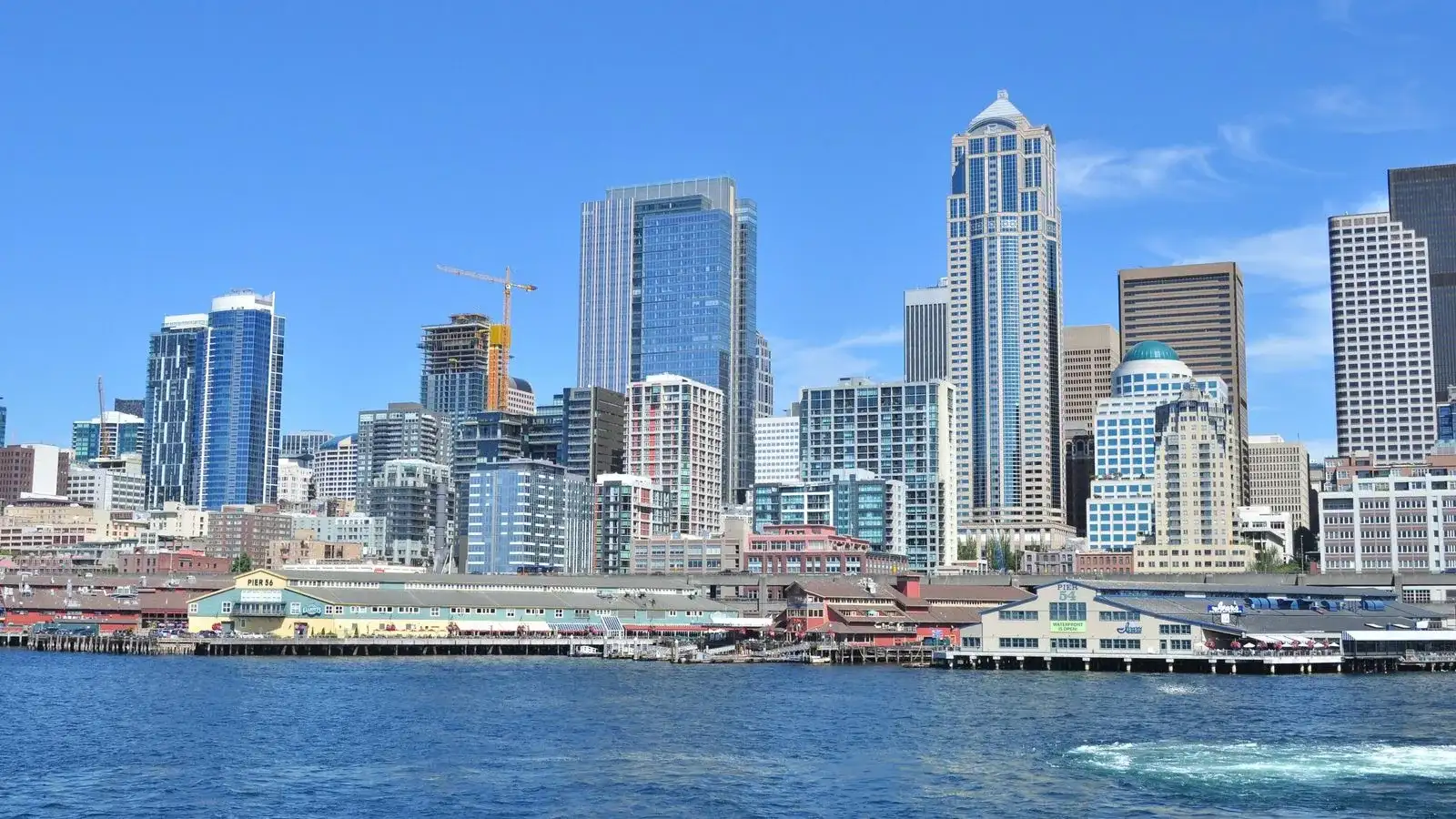
Pick downtown for a first visit, but pick your side of it: the blocks sloping west from Pike Place Market toward the waterfront, rather than the ones east of Third Avenue near the convention center. Same neighborhood on a map, different walk home at eleven at night. Belltown gives up a little of that position for a shorter stroll to the Space Needle, Capitol Hill is where the eating and drinking happen, South Lake Union has the modern rooms and the dullest weekends, and Ballard, Fremont and the U District swap walking distance for a bus.
Seattle rewards that kind of precision more than most American cities, because so much of what you’re buying is a two-block distinction: which side of a hill, which side of a transit corridor, which side of a city limit. Get those right and the city is compact and easy. Get them wrong and you spend the week on buses, or paying a tax rate you didn’t have to.
Downtown and Pike Place: cheap to reach, worth reading the street names
Four Link stations sit inside downtown proper (Westlake, Symphony, Pioneer Square and International District/Chinatown), and the 1 Line from Sea-Tac reaches the middle of that stretch in 38 minutes for a flat $3.00. Kids 18 and under ride free, which quietly makes a family of four’s airport transfer cost six dollars. A day pass is $6.00. Nowhere else in the city arrives that cheaply.
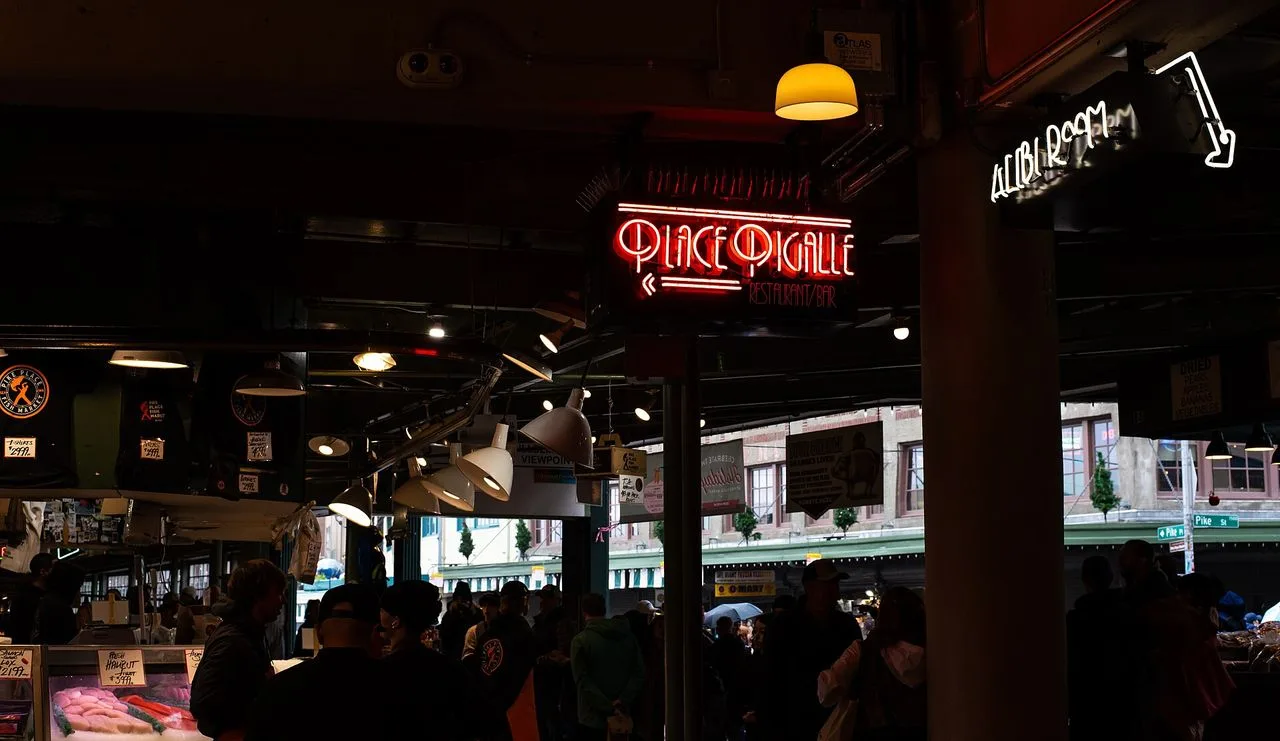
Now the street names. Third Avenue is the bus spine through the middle of downtown, and the stretch around Third and Pine has a reputation locals will confirm without much prompting: fine in daylight, unpleasant enough after dark that plenty of residents route around it. That’s four blocks of a large neighborhood, not an argument against downtown, but it does mean the address matters more here than the star rating. The other thing the map hides is the gradient. Downtown is built on a hill, and the walk down to the market and the water is a pleasure while the walk back up, at the end of a day, is a stair machine.
Belltown: walkable, a little cheaper, closer to the boats
Belltown starts one street north of the market and runs toward Seattle Center. First and Second Avenues through here hold one of the densest runs of restaurants and bars in the city, and you’re still on foot to the market in one direction and the Space Needle in the other. Rooms tend to price a notch under the equivalent block downtown for the simple reason that fewer of them are attached to a convention hotel.
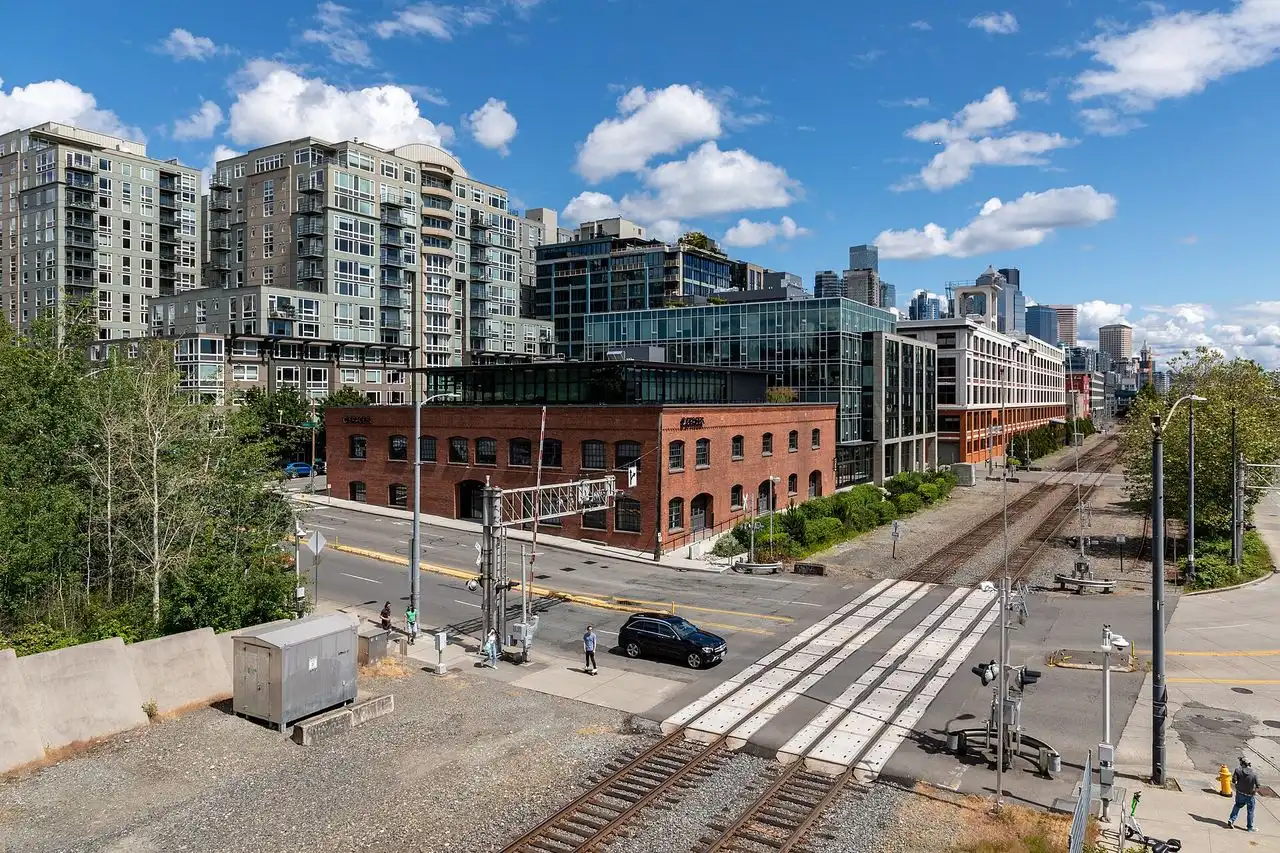
It’s also the closest sensible base to Pier 66 on the downtown waterfront, which matters if you’re sailing, and the noise trade is real: the bar blocks are loud on Friday and Saturday, and a room facing First Avenue will tell you so.
South Lake Union: modern, flat, and dead on Sunday
Twenty years ago this was warehouses and parking on the flat ground between downtown and the lake; Amazon’s campus went up through it, and the hotels followed. What you get is newer rooms than the rest of the city offers, the museum of history and industry, the lake itself and the seaplane dock. The streetcar links it to Westlake in a few minutes, and the walk down to the retail core is short and level, which after a day on Seattle’s hills counts for a lot.
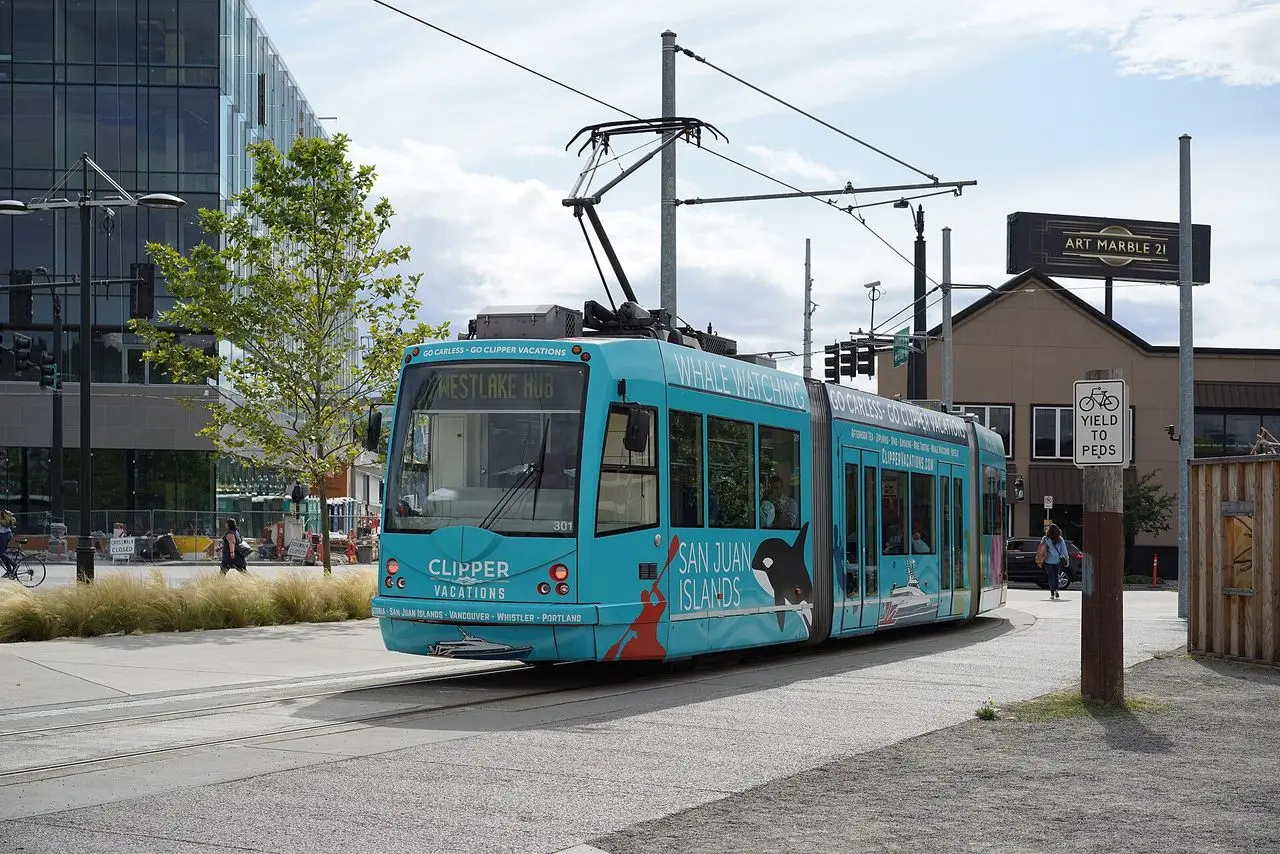
Know what you’re buying, though. This is an office district, so it fills on weekdays and empties on weekends. That’s excellent if you’re here for work and dull if you wanted to walk out at nine on a Saturday and find something happening. There’s no Link station either, so the airport trip means a streetcar or a rideshare first.
Capitol Hill: the choice for people whose evenings matter
Capitol Hill is the answer for anyone whose evenings matter more than their mornings. Pike and Pine hold the bars and the music venues, Broadway holds the everyday shops and the cheap food, and the neighborhood has its own Link station one stop from Westlake, so you’re a single ride from downtown and a straight run from the airport.
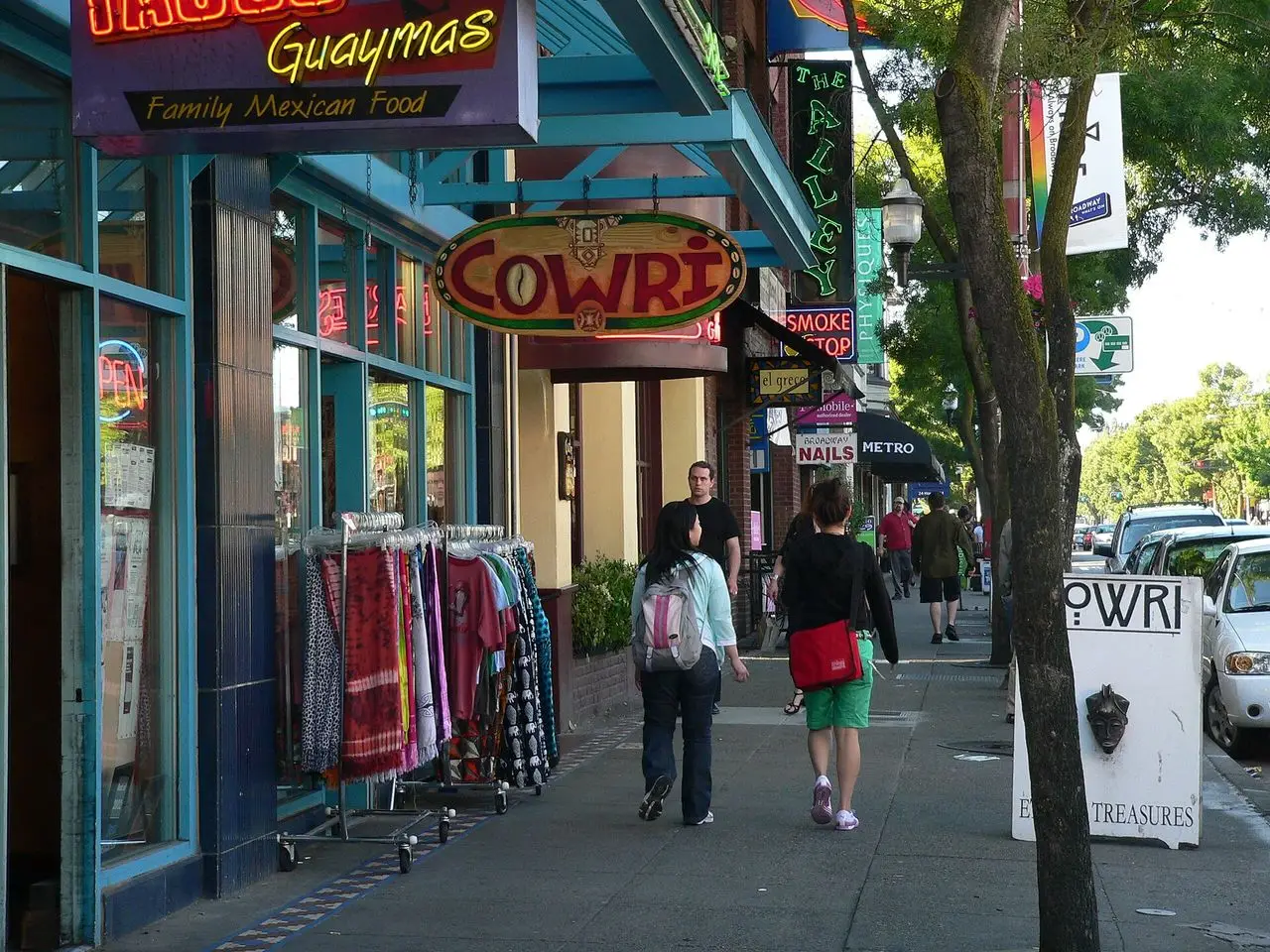
Fewer big hotels operate up here than downtown, so in practice you’re choosing between a handful of boutique properties and a rental, and both book out earlier. Weekend nights on Pike and Pine stay loud until late, which is the whole point if you’re out in them and a genuine problem if you’re asleep above them.
Lower Queen Anne: the arena, the Needle and a $4 ride
Lower Queen Anne, which locals also call Uptown, wraps around Seattle Center. If you’re here for a Kraken game, a concert at Climate Pledge Arena or a day at the Space Needle and the glass museum, you can sleep across the street from all of it.
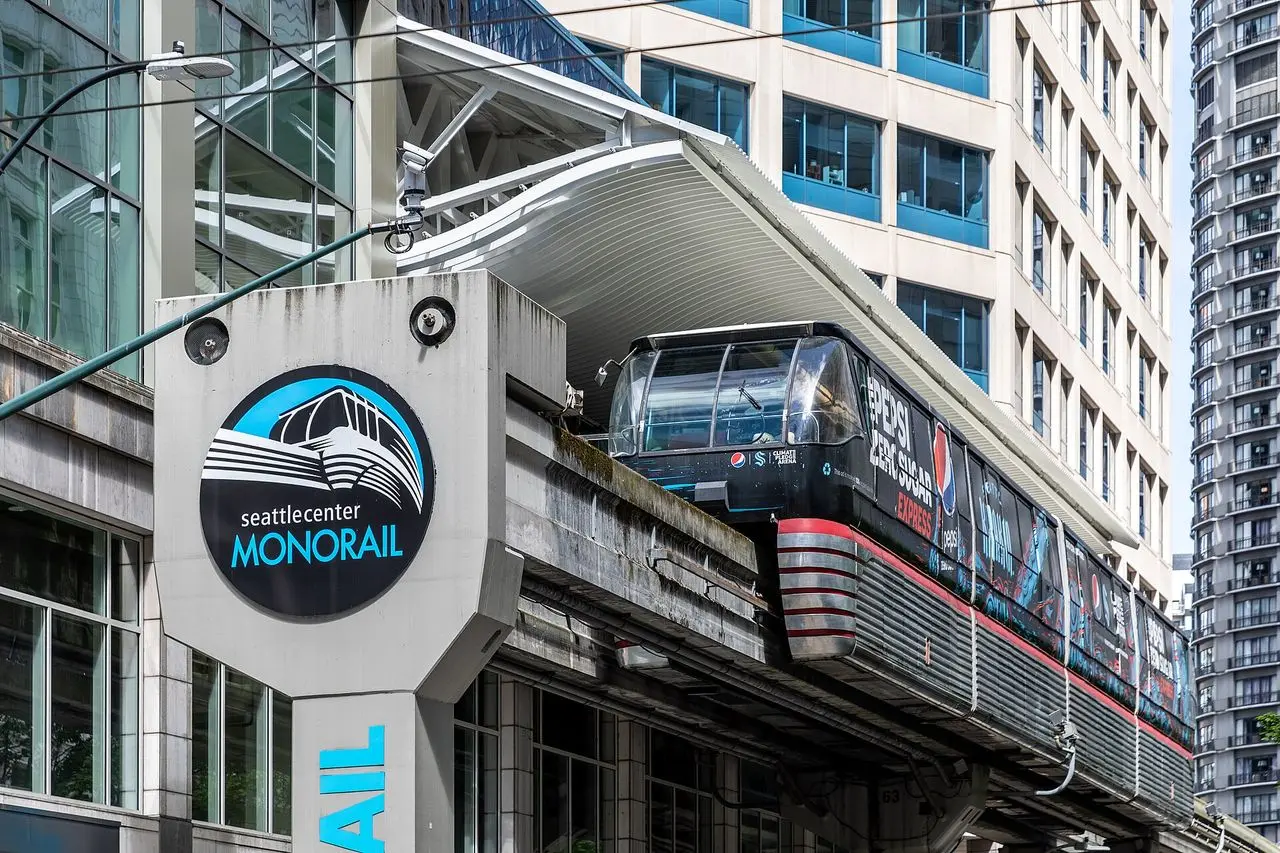
The Monorail is the link to downtown: $4.00 one-way for adults, $8.00 round trip, $2.00 for kids 6 to 18, free under 5, and your ORCA card taps at the gate. It runs 7:30am to 11:00pm on weekdays, 8:30am to 11:00pm on weekends, and stays open an hour past the expected end of arena concerts and games, which is exactly when you’ll want it. Note that the ticket machines take cards only, no cash.
Ballard, Fremont and the U District: cheaper, with one condition
These are the neighborhoods people fall for on a second trip. Ballard has the ship canal locks, a Sunday farmers market and a bar street with no chain restaurants on it; Fremont has the troll under the bridge and a village feel; the U District is student-priced and lively in term time.
The condition is transit. The U District has its own Link station, so it’s genuinely connected. Ballard and Fremont do not, and the light rail line planned for Ballard is years from opening. That means a bus, a rideshare or a car for every trip downtown, and if you’re bringing a car you’re also paying to park it. Pick these for the neighborhood, not for the commute.
Three cities, three tax bills
Here’s where the metro map turns into money. Washington’s Department of Revenue republishes lodging tax rates every quarter, so confirm the current table before you book; at our last check on 17 September 2026 the split was: Seattle 15.7%, Bellevue 14.5% plus a $2.50 nightly tourism fee at larger properties, and SeaTac and Tukwila 12.5% plus a $2.00 nightly fee. Burien, Renton and Kent sit at 12.5% too. On a five-night stay, the gap between a Seattle room and an airport room is real money before you’ve compared a single rate.
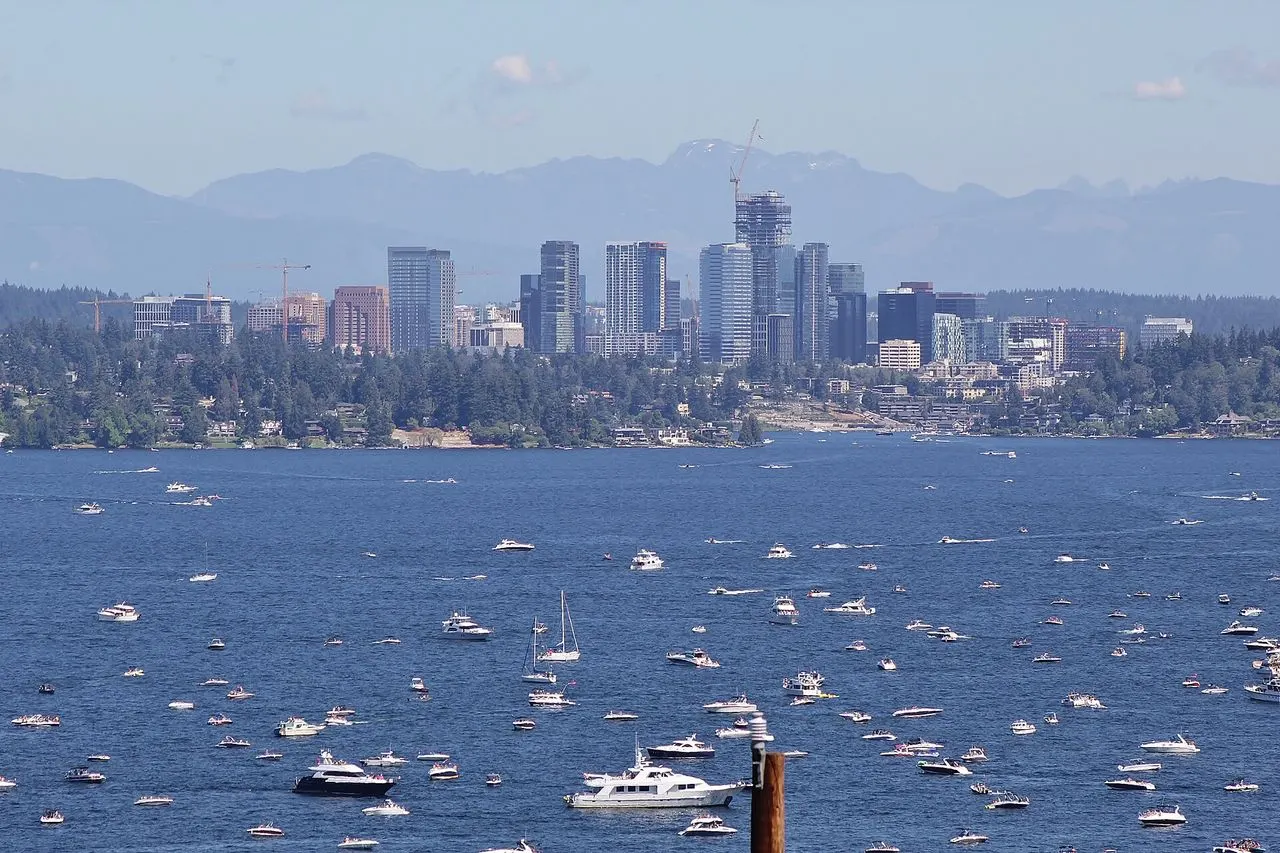
Bellevue is the interesting one, because it stopped being a car decision this spring. The rest of East Link opened on March 28, 2026, so the 2 Line now runs from Redmond and downtown Bellevue across I-90 and straight into downtown Seattle, every eight minutes at peak. A slightly lower tax line, newer rooms and a one-seat train ride is a real option for a business trip, though you’re sleeping in a different city and it shows in the evening.
The airport belt is a thinner deal than the tax rate suggests. Yes, SeaTac and Tukwila are the cheapest tax line in this list and yes, the 1 Line is right there. But that ride is 38 minutes each way, so every day you go into the city costs you more than an hour on the train, and there’s nothing around an airport hotel worth walking to. Book that for a 6am departure, not for a sightseeing week.
Sailing to Alaska? Your pier decides your hotel
For a large share of the people reading this, Seattle isn’t the destination at all - it’s the night before the ship. The port is having its biggest year ever: 330 vessel calls and 2.1 million revenue passengers across the 2026 season, which opened on April 17, with 16 ships homeporting here. Those passengers arrive and leave on fixed days, and the hotel market feels every one of them.
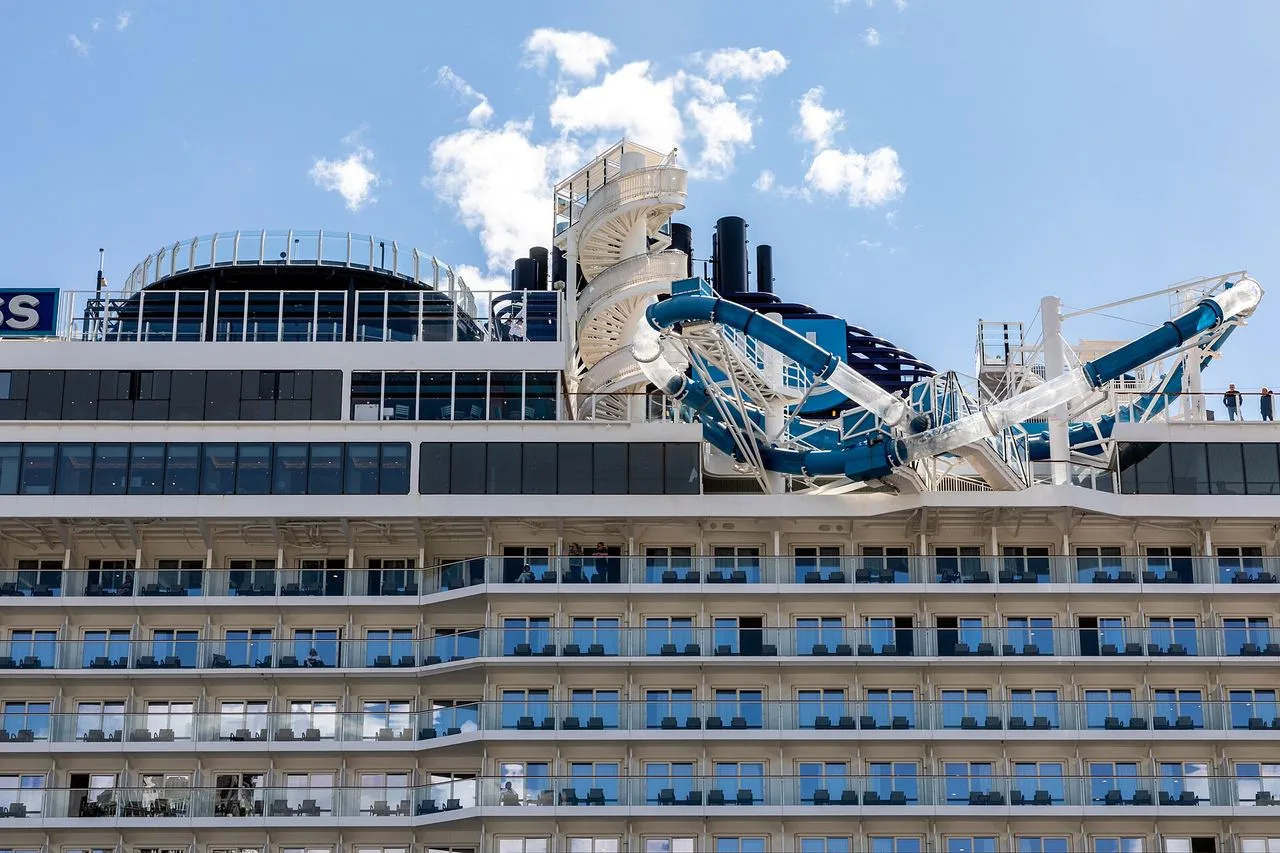
Which berth you sail from should decide your booking, and most people never check it until the week before. Pier 66 sits on the downtown waterfront at the foot of Belltown, close enough that a downtown or Belltown room turns embarkation morning into a walk with your bags. Pier 91 is at Smith Cove, north of Seattle Center in Interbay, with nothing walkable around it, so from anywhere downtown you’re paying for a taxi or a shuttle and leaving earlier than you’d like. Lines swap piers between seasons and occasionally between sailings, so take the berth off your own cruise documents, not off a blog, and then book the neighborhood that matches it.
The same logic covers everyone else, because Seattle’s peak is already tight before the ships are counted: Visit Seattle put July 2025 occupancy at 89.2%, close to the 2019 peak, with downtown at 85.8% through August 2025, and credited group business at the Seattle Convention Center. Sailing weekend, convention week, Seafair as July turns into August, Bumbershoot in early September - each one moves the number on your screen more than the choice between two good blocks does. So find your sailing day and the convention calendar first, then compare Seattle hotels on those exact nights with 15.7% and any parking charge added on, and let the walk to your pier break the tie.
Once the room is settled, things to do in Seattle handles the days, the Washington State travel guide has the Olympic Peninsula, Mount Rainier and the ferries, the Oregon travel guide picks up if you’re driving south, and getting around the USA settles the car question.
Read also
- Plan the days: things to do in Seattle
- The state around it: Washington State travel guide
- Next stop south: Oregon travel guide
- The other West Coast base: where to stay in San Francisco
- Browse more US cities and US states
On the map
The map loads on click - to keep the page lightweight.
The map didn’t load. Check your connection and refresh the page.
Good to know
Lodging tax rates, Link and Monorail fares and the 2026 cruise numbers here came from the Washington Department of Revenue, Sound Transit, Seattle Center Monorail and the Port of Seattle in August 2026. The state republishes lodging rates every quarter - read the tax line on the booking screen before you commit.
Details checked: August 1, 2026
Read also

Before you go · 9 min read
New England Fall Foliage: When and Where to Go
Verified · August 27, 2026Yankee's 2026 forecast, peak windows by state and how to chase color from Vermont's Northeast Kingdom to the NH coast without betting on one weekend.

Before you go · 9 min read
Which Hawaiian Island: Oahu, Maui, Kauai or Big Island
Verified · August 24, 2026Pick one Hawaiian island for a week: Oahu for city and surf, Maui for beaches and Haleakala, Kauai for scenery, Big Island for volcanoes.

Before you go · 11 min read
Where to Stay in Phoenix: Downtown, Scottsdale or Tempe
Verified · August 18, 2026Free Sky Train, then $2 light rail into downtown. Scottsdale is the resort city; Tempe is ASU next door. Phoenix hotel tax is 13.07%.

Before you go · 11 min read
Global Entry and TSA PreCheck for Visitors
Verified · August 15, 2026Global Entry is $120 for five years and closed to most EU passports. TSA PreCheck is $85 or less, and only US citizens and LPRs can buy it.