
Oregon Travel Guide: Portland, Coast & Crater Lake
No sales tax anywhere, the Crater Lake shoreline shut through 2028, a $2 permit for Multnomah Falls and 363 miles of coast that state law made public.
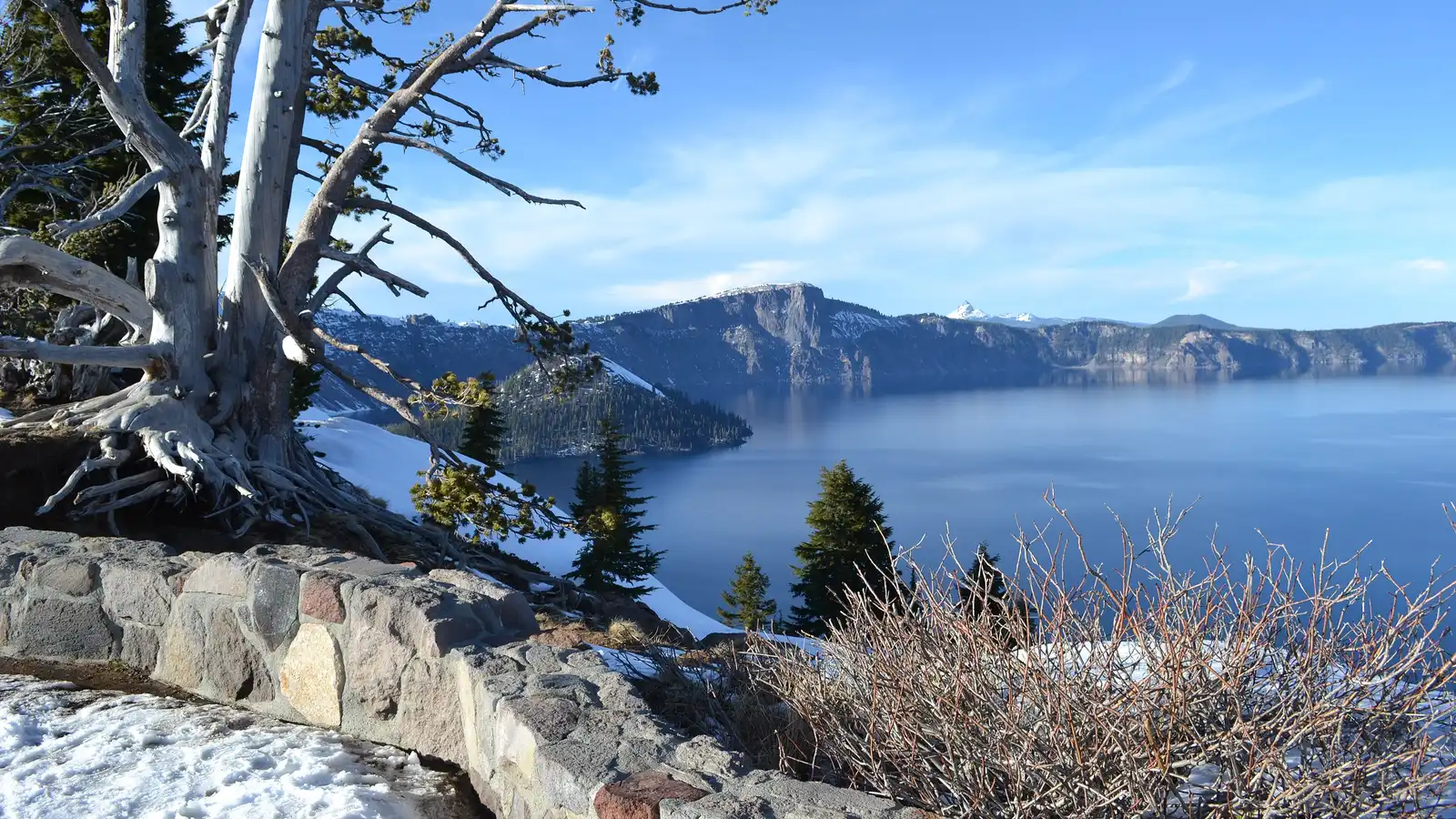
Almost every Oregon trip begins at the same rental counter in Portland and then picks a direction. West on US 101 puts the Pacific on your right for as long as you want it there. East runs into the Columbia River Gorge, with Mount Hood behind it and the high desert past that. South - a long way south - gets you to Crater Lake, a park whose nearest airport, at Medford, sits 75 miles from its headquarters and whose closest gas station is 33 miles out at Prospect. A week covers two of those directions comfortably. It covers all three only if you enjoy driving more than stopping.
One line is missing from every receipt you’ll collect here: Oregon charges no sales tax, at state level or local. The sticker on the shelf is the number at the register, which makes it a genuinely cheap place to buy boots, cameras, books and outdoor gear compared with almost anywhere else in the US.
Portland: two days, and mostly on foot
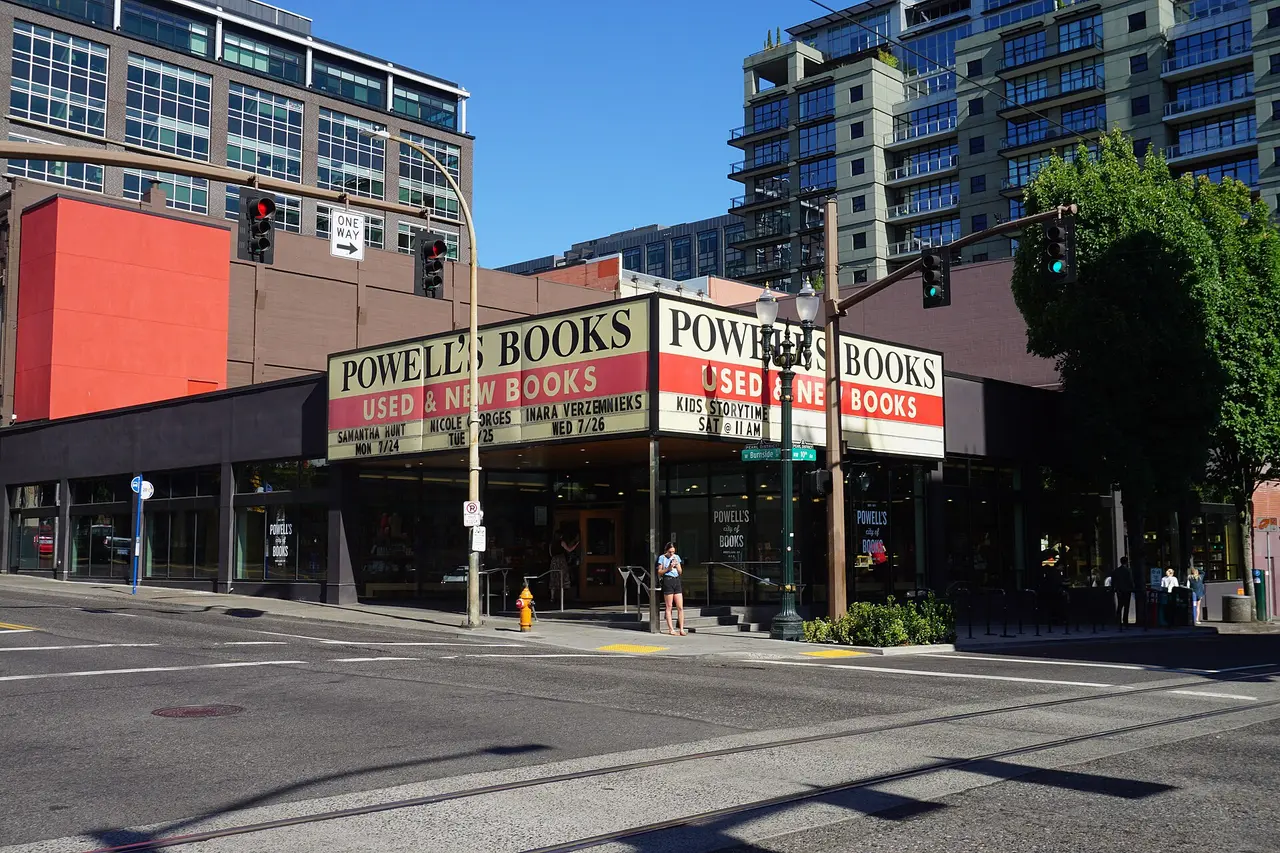
Portland is compact, walkable and set on the Willamette River, and it works best as bookends rather than as the trip itself. Powell’s, the bookstore that fills a whole city block downtown, deserves a slow hour. The food carts cluster in pods rather than a single street, so ask where the nearest pod is instead of chasing one address. Washington Park up the hill holds the rose garden and the Portland Japanese Garden, where adult admission is $22.50. This is Oregon, not Maine - the city page is the one with MAX fares, garden tickets and the $2 Multnomah permit.
Do not collect the rental car on the day you land. The MAX Red Line runs from the airport into the city center, an adult ticket is $2.80 and valid for two and a half hours, and TriMet caps your spending at $5.60 a day, after which you ride free. That’s the whole transport budget for a day here: $5.60, no matter how many times you get on. Portland is walkable enough that a rental sitting in a garage for two days is money you could have spent on dinner. Pick it up on the morning you leave.
Two days is the right length, and the second is better spent east of the river than downtown, on the neighborhood commercial streets - Alberta, Mississippi, Division, Hawthorne - each a few blocks of restaurants, bars, record stores and coffee that has opinions about itself. Portland’s real value is as a base with an airport attached: almost everything worth seeing in this state is a drive away, and the city is where you collect the car for it.
The Gorge: gorgeous, and permitted
East of Portland, the Columbia River Gorge stacks waterfalls along a few miles of old highway, and Multnomah Falls is the one everybody photographs. It also has a seasonal gate on it: in 2026 the timed use permit for the I-84 Exit 31 lot runs from May 22 through September 7, required between 9am and 6pm, and the next season’s window is posted on recreation.gov. It costs $2 a vehicle, you book it on recreation.gov, and permits come out 14 days ahead and again two days ahead at 7am Pacific. Your permit gives you a one-hour arrival window, and missing it voids the booking.
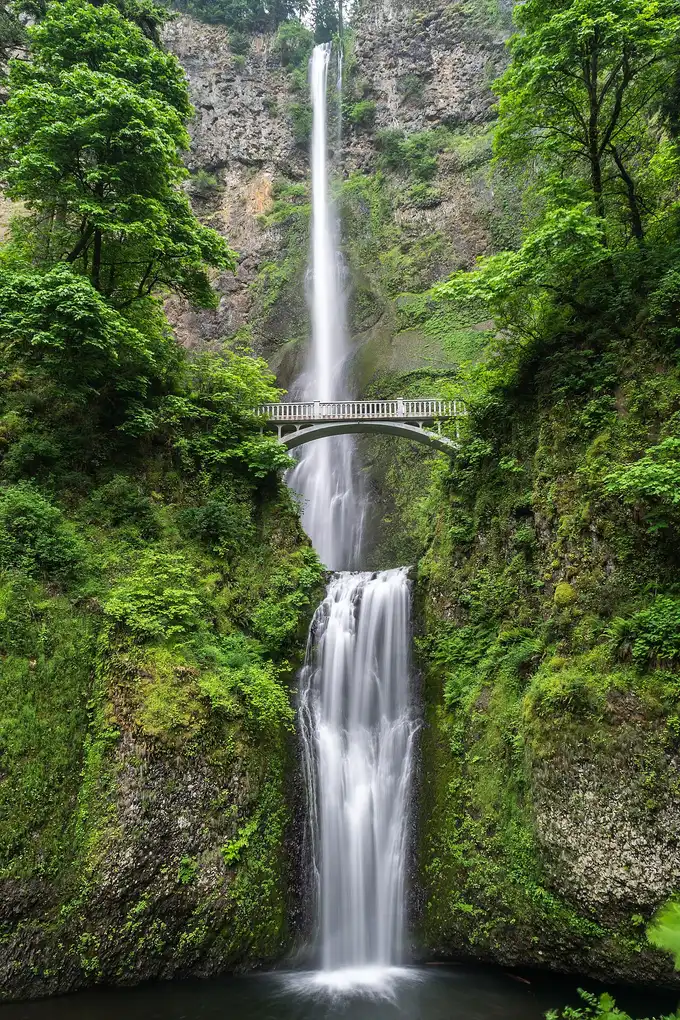
There are two ways around it. Outside those dates and hours the lot is first come, first served, so an 8am arrival in early May needs nothing at all. And the older Waterfall Corridor permit that used to cover the whole stretch between Exits 28 and 35 has been retired, so the other falls along the historic highway are open without paperwork. Keep going east and the same road climbs toward Mount Hood, and the loop back to Portland from there makes a full day.
The coast: 363 miles, all of it public
Oregon’s coast isn’t a warm-water coast and never pretends to be: dark sand, sea stacks, driftwood the size of telephone poles, and fog that burns off around lunchtime if it burns off at all. It’s also, thanks to a 1967 state law, completely public: all 363 miles of it, from the surf line up to the vegetation, with no private beaches and nowhere charging you to walk onto the sand.
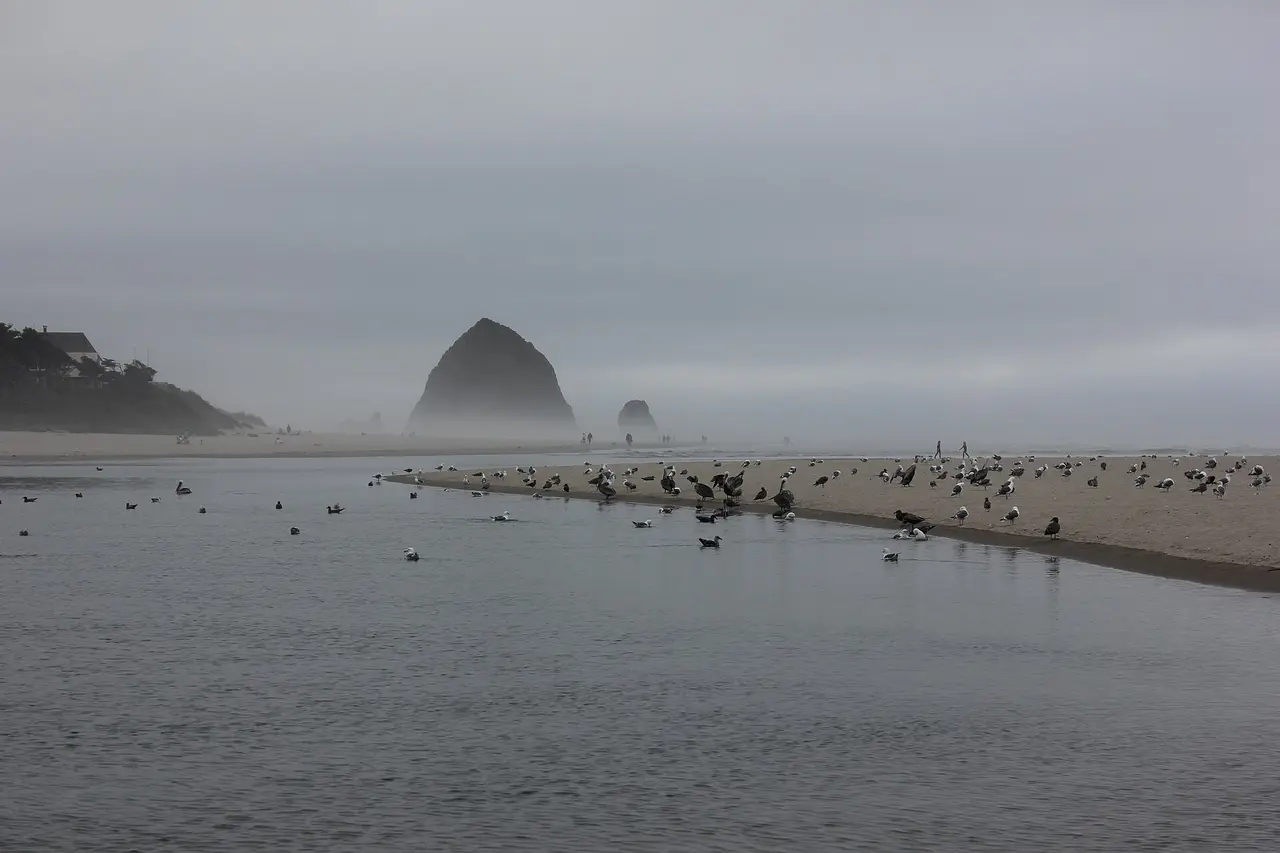
Cannon Beach and Haystack Rock are the postcard and get the crowds. Drive further and it gets better and emptier: Cape Kiwanda and the dory boats at Pacific City, the sea lions and lighthouses of the central coast, and the Oregon Dunes stretching north from Coos Bay. Where you will pay is parking. Oregon State Parks waives day-use fees at more than 150 parks, but the popular lots charge, and non-residents pay more: $12 a day against $10 for Oregon plates, or $75 for a 12-month permit against $60. If you’re on the coast for a week and stopping at the headline viewpoints, the annual permit pays for itself quickly.
Crater Lake, and the closure you need to plan around
Crater Lake is the reason a lot of people come, and 2026 is an awkward year to visit it. The Cleetwood Cove Trail, the only legal way down to the water, is closed for a major rehabilitation project across the 2026, 2027 and 2028 seasons. That means no boat tours, no swimming, and no standing at the shoreline until the work finishes. The park says construction starts in early summer 2026 and is estimated to take three summers, which puts the trail’s return no earlier than 2029; it hasn’t printed a reopening date of its own. If getting on the lake was your plan, change it now rather than at the trailhead.
What still works is the rim, and honestly the rim is the show. Entrance is $30 per vehicle in summer, from May 22 to October 31, dropping to $20 in winter, or $15 if you arrive on foot or by bicycle, and the pass is good for seven days. The park takes cards only, so don’t turn up with cash. If you’re visiting several national parks, the $80 America the Beautiful pass looks obvious - but it’s sold to US citizens and residents only. Everyone else buys the separate Non-Resident Annual Pass at $250, which waives the $100-per-person surcharge that 11 headline parks added in 2026. Crater Lake isn’t one of the 11, so an international visitor coming only here pays the same $30 at the gate as anyone else.
Check road status before you commit a day to the drive - this is the part of the page that goes stale fastest. West Rim Drive usually closes on or before November 1 with the snow. As of late July 2026, East Rim Drive had a partial closure between Park Headquarters and Phantom Ship Overlook, which also shut off the Sun Notch and Crater Peak trailheads, and the trolley tours were running. The park’s conditions page is the only version worth trusting on the day.
The Willamette Valley and Ashland: where to break the drive south
The run down to Crater Lake is worth breaking, and there are two obvious places to do it.
The Willamette Valley starts almost at Portland’s doorstep and holds more than two-thirds of Oregon’s wineries and vineyards. It was the state’s first American Viticultural Area, designated in 1983, and pinot noir is what it’s known for - the grape that put Oregon on wine lists next to Burgundy rather than California. It’s also easy to visit badly: the tasting rooms sit on farm roads across the Dundee Hills, Yamhill and the Eola-Amity Hills rather than lined up on one street, so pick a cluster and stay in it. And because Oregon charges no sales tax, the price chalked on the board is the price of the bottle, which isn’t true in any other West Coast wine region.
Further south, near the California line, Ashland has staged the Oregon Shakespeare Festival since 1935, on a season that runs from roughly March to October. It’s why a small mountain town has more restaurants than its size justifies. One night in either place turns a long haul into a trip.
Bend, Smith Rock and the painted country
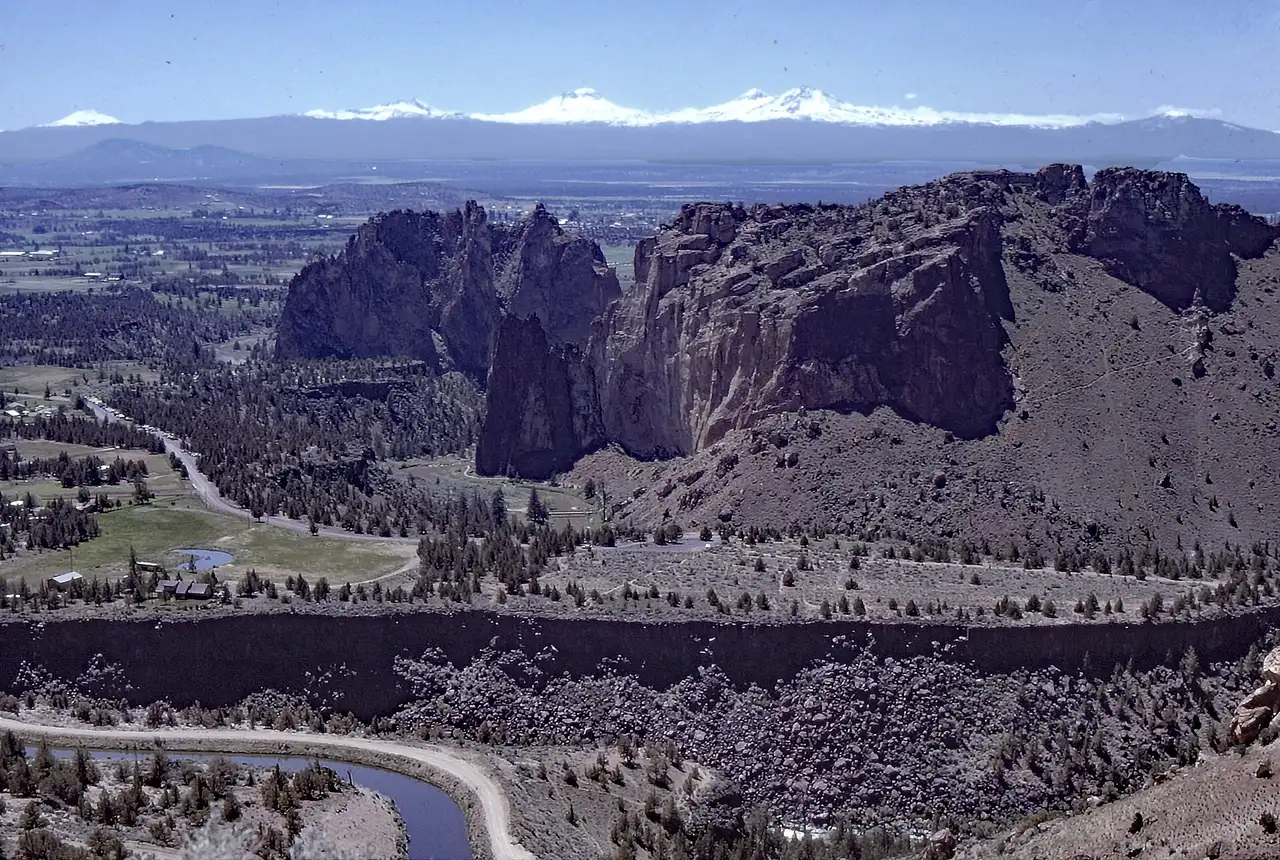
Cross the Cascades and Oregon changes character completely. The east is dry, sunny, sagebrush country, and Bend is its hub: breweries, the Deschutes River running through town, and lava fields and volcanic buttes within a short drive. Smith Rock State Park, just north, is widely called the birthplace of American sport climbing, and you don’t need to climb to walk the river trail underneath the cliffs.
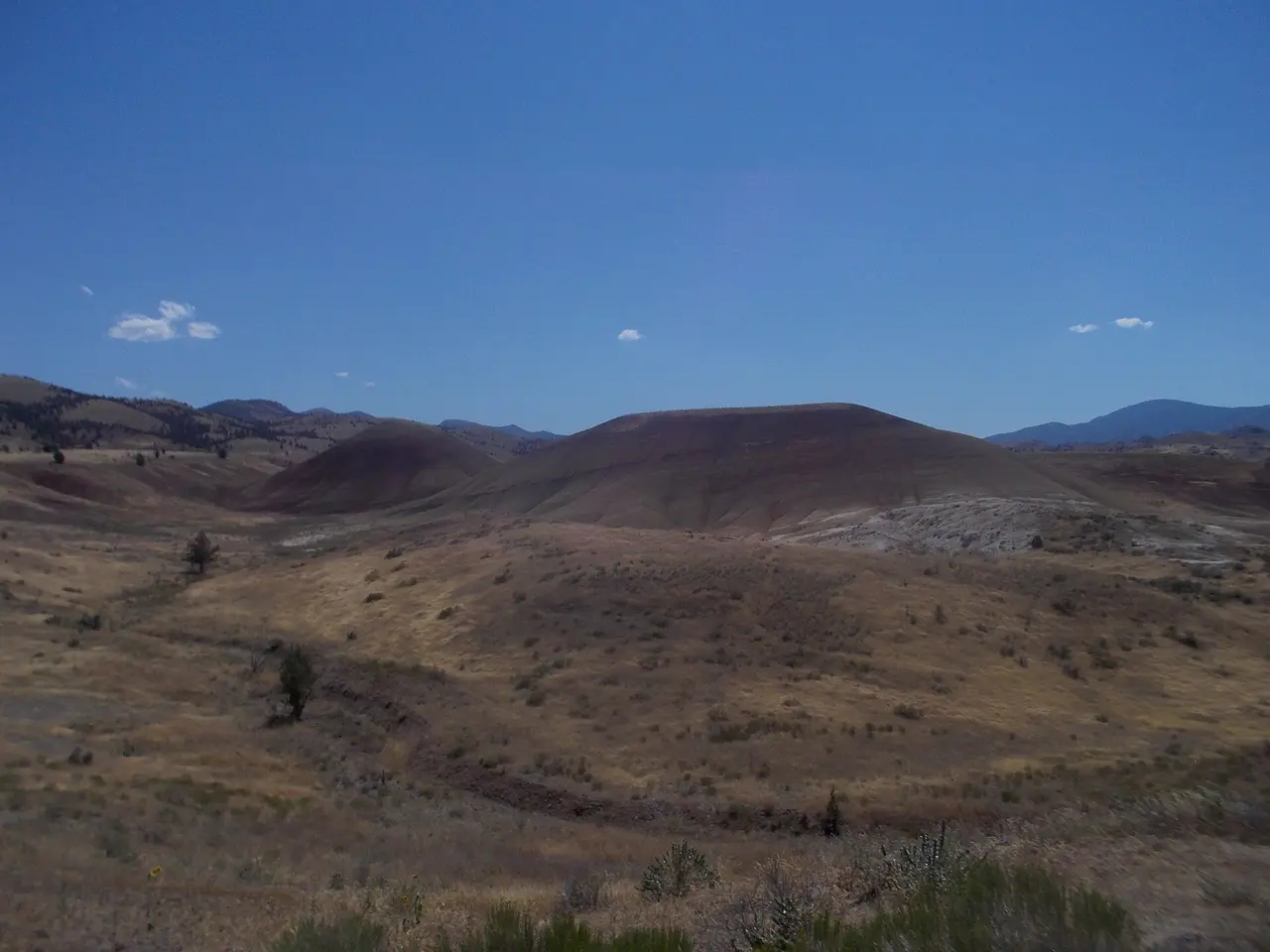
Further east again, the Painted Hills are one of three separated units of the John Day Fossil Beds, and they’re striped in red, gold and black bands laid down over millions of years. They photograph best in late afternoon or just after rain. It’s a long way out for a short walk, so treat it as part of an eastern Oregon loop rather than a day trip from anywhere.
Driving here: the gas thing, and what parking really costs
You’ve probably heard that you can’t pump your own gas in Oregon. That was true for 72 years and stopped being true on August 4, 2023, when HB 2426 was signed. What the law actually says is narrower than the headlines: stations may designate up to half their pumps as self-service, the half limit doesn’t apply in rural counties, and no station is obliged to offer self-service at all. So you can pump your own gas in most places now, an attendant may still come over in plenty of others, and the price is the same either way. If someone approaches your car at the pump, they work there.
The rest of the driving math is simple enough, as long as you know that parking here runs on three separate systems. State park day-use lots take the $10 or $12 permit above. National forest trailheads, which is a lot of what you’ll hike outside the parks, run on a federal pass instead: $5 a day per car for the National Forest Recreation Day Pass, or $30 for the Annual Northwest Forest Pass, both on recreation.gov and both good in Oregon and Washington. And Crater Lake charges its own entrance fee at the gate, which no parking permit covers. Add winter chain requirements on the mountain passes and that’s the whole picture. Renting in Portland and dropping in Seattle is a common one-way, and pairs neatly with the Washington state guide if you’re building a longer Northwest loop.
When to go, and the season nobody books
July through September is the reliable window: dry, warm, and the stretch when the Cascade high country and the full Crater Lake rim road can be counted on. It’s also when the Gorge permit applies, the coast parking lots fill, and the limited lodging inside Crater Lake books out early.
Late spring and early fall are the value seasons. May and June are green, wet and quiet, with waterfalls at full volume. October gives you clear light, empty coast towns and no permit requirement at Multnomah Falls once the summer permit season has ended. Winter closes the mountain roads and soaks the west side for months, and then does something the tourist calendar mostly ignores: the coast in January gets serious storms, and watching the Pacific throw itself at a headland from behind a window with a coffee is one of the best things this state does. Go for that, and you’ll have the beach to yourself.
Fitting Oregon into a bigger drive? The Pacific Coast Highway road trip covers the California leg south of here, things to do in Seattle picks up the north end, and renting a car in the USA explains the deposit, insurance and one-way fee questions before you reach the counter.
Read also
- North of the border: Washington state travel guide
- The city up the interstate: things to do in Seattle
- The coast road south: Pacific Coast Highway road trip
- Before you drive: renting a car in the USA
- Browse more US states and national parks
On the map
The map loads on click - to keep the page lightweight.
The map didn’t load. Check your connection and refresh the page.
Admission and opening hours
- Admission price
- Crater Lake entrance: $30 per vehicle in summer (May 22 to Oct 31), $20 in winter; $15 on foot or bicycle; park annual pass $55. Multnomah Falls timed permit $2 per vehicle. Oregon State Parks day-use parking, where charged: $10 per day for residents, $12 for non-residents.
Crater Lake takes cards only, no cash. Fees and permit windows change season to season - confirm on nps.gov and recreation.gov before you drive.
Details checked: July 27, 2026
Read also

States · 11 min read
Connecticut: Mystic, New Haven and the Shoreline
Verified · September 12, 2026Mystic Seaport at $35 adult, free Yale galleries in New Haven, and Gillette Castle on the river - how a Connecticut weekend actually fits.

States · 9 min read
North Dakota: Medora and Theodore Roosevelt NP
Verified · September 5, 2026The 36-mile South Unit loop starts in Medora, entrance $30 per vehicle, cashless from May 2026 - how to plan Theodore Roosevelt National Park.

States · 9 min read
Arkansas Travel Guide: Hot Springs & Ozarks
Verified · September 4, 2026Fee-free Hot Springs NP downtown, free Crystal Bridges in Bentonville, and the 135-mile Buffalo - how to string an Arkansas road trip.

States · 10 min read
Indiana Travel Guide: Indy, Speedway, Shore
Verified · September 5, 2026IMS Museum at $25, Kiss the Bricks at $15, Brown County hills and Lake Michigan shore - an Indiana trip beyond a Chicago beach day.