
Things to Do in Los Angeles
Beaches, Hollywood, museums and the food that beats its reputation - what to do in Los Angeles, how to beat the traffic, and what is free.
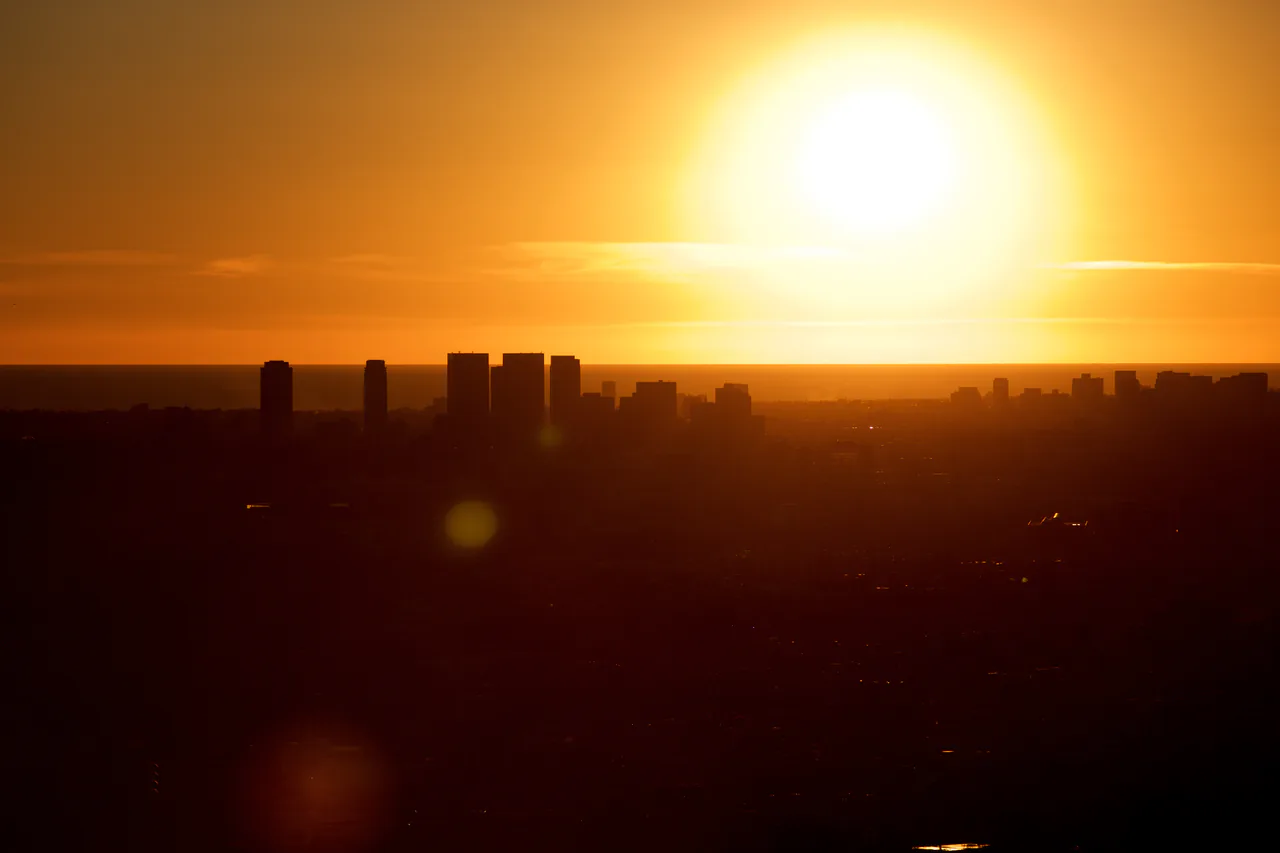
Los Angeles isn’t a city you tick off in a day, because it isn’t really one city. It’s a chain of neighborhoods spread over 500 square miles, and the 15 miles between the beach and downtown can take 25 minutes or 75, depending entirely on when you set off. Group each day into one area, and accept that you won’t “see LA” in a long weekend.
Until this year, that meant a rental car and nothing else. The Metro D Line extension opened on 8 May 2026, putting LACMA, the Academy Museum and Beverly Hills on the subway for the first time, roughly 20 minutes from Union Station. The airport is the opposite story: the long-delayed people mover still isn’t running, so from the new LAX/Metro Transit Center you take a free shuttle bus to your terminal.
First, the car question
Rent one for most itineraries. Metro rail is genuinely useful along a few corridors and useless across the rest of the basin. Where it works, it works well: the E Line runs from Downtown Santa Monica to 7th Street/Metro Center in about 46 minutes, which beats driving at rush hour and saves you $40 of downtown parking. The D Line now reaches the Miracle Mile museums and Wilshire/La Cienega in Beverly Hills. Fares are $1.75 a ride, and with a TAP card you’ll never pay more than $5 a day or $18 a week, which is one of the better transit deals in the country.
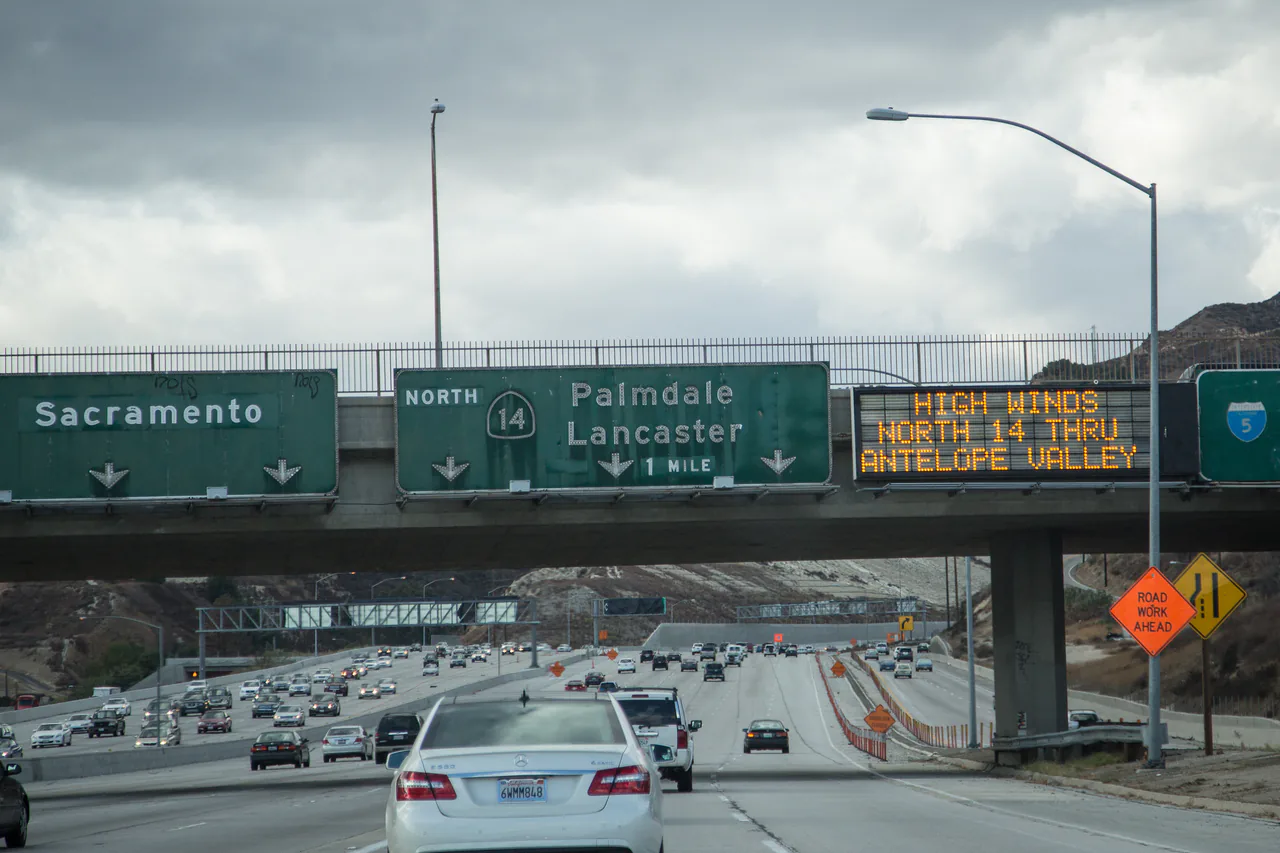
Everywhere else - Malibu, the Getty, Pasadena, the San Gabriel Valley - you want wheels. Check whether your hotel charges for parking before you book; $45 a night on top of the room rate is normal in Santa Monica and downtown.
Hollywood: what’s worth your morning
The Walk of Fame deserves an honest description. It’s a sidewalk with more than 2,850 brass stars set into it, and the blocks around it are scruffy, crowded and heavy on costumed characters who want a tip for the photo. Go, take the picture, don’t plan half a day around it.
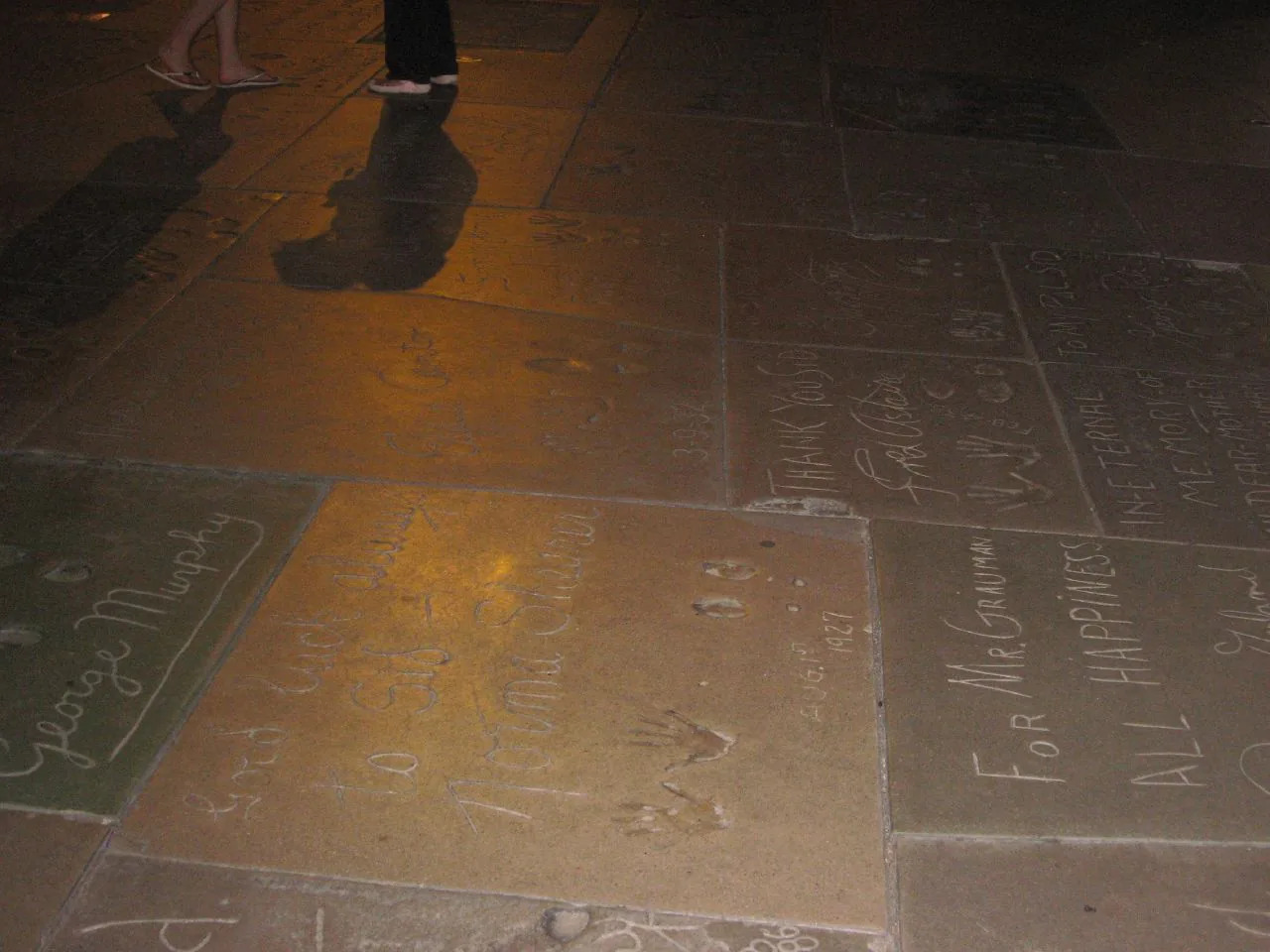
The part that holds up is the forecourt of the TCL Chinese Theatre, where the cement hand and footprints go back to 1927, and it costs nothing to wander in. Nearby, the Dolby Theatre hosts the Oscars and the El Capitan still runs films with a Wurlitzer organ before the show.
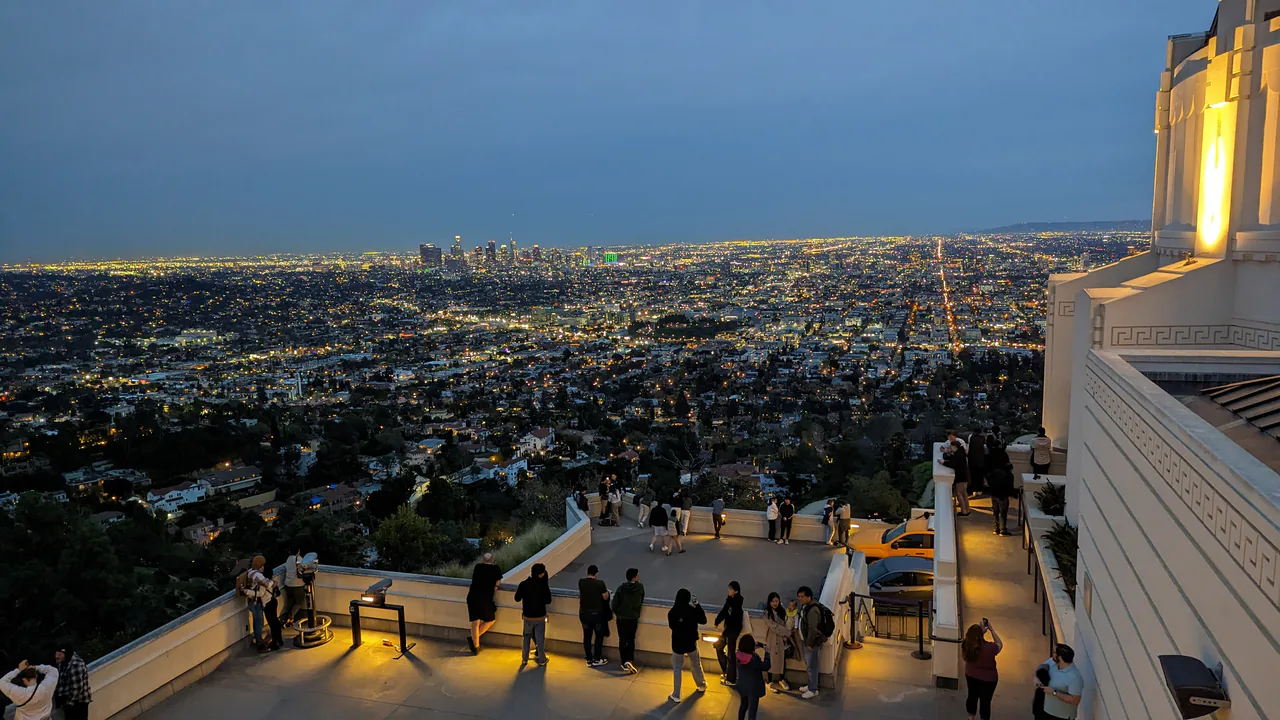
For the Hollywood Sign, don’t drive into the residential streets below it hunting for a gap in the hedges. The two reliable free views are from the Griffith Observatory terrace and from Lake Hollywood Park, and the hike up to the ridge behind the sign starts in Griffith Park.
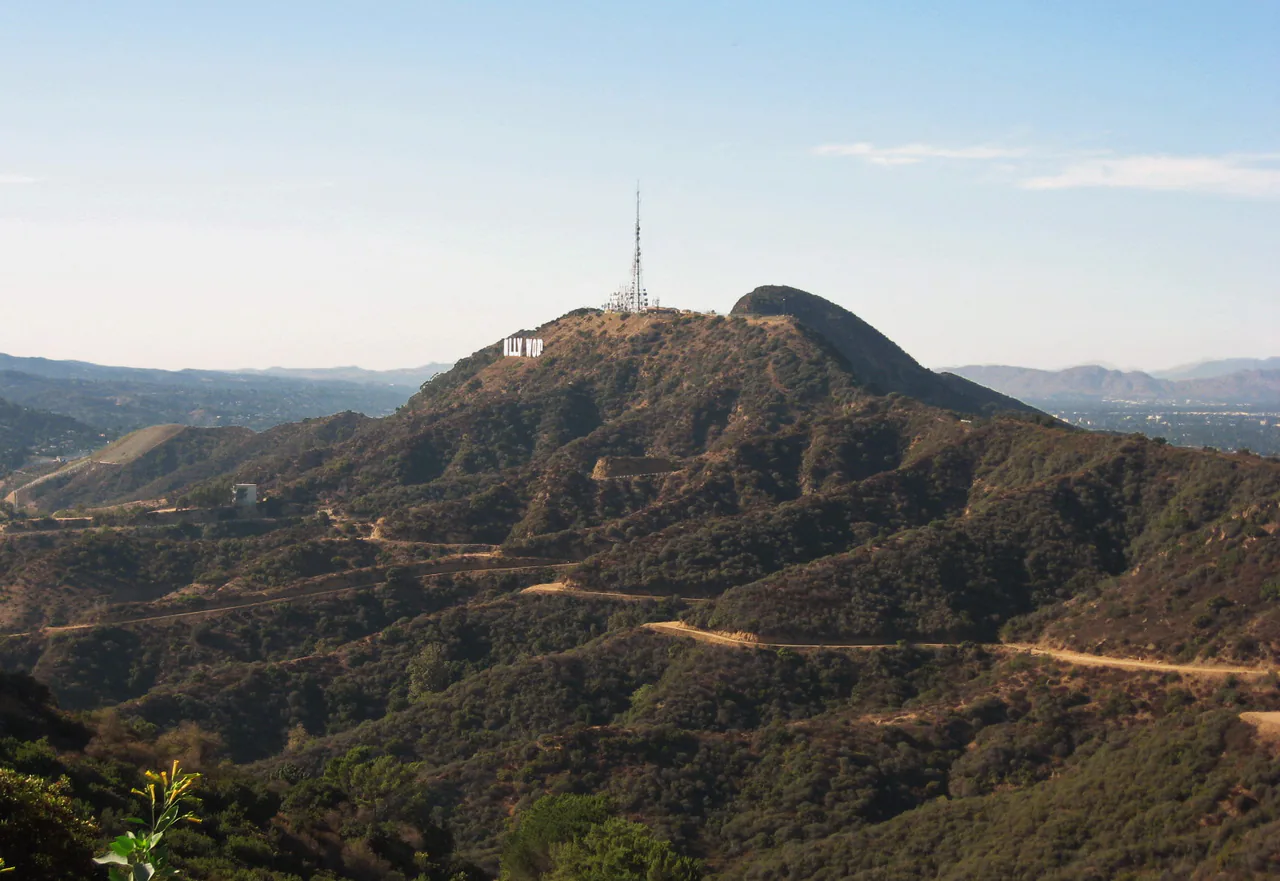
Griffith Observatory is the single best free thing in LA. Admission costs nothing, the building is beautiful, and the terrace gives you the sign, the basin and the ocean in one sweep. It’s closed on Mondays, opens at noon Tuesday to Friday and 10:00 on weekends, and stays open until 22:00 - go late, watch the city light up, and let someone else fight for the closest parking.
The beaches, and which one suits you
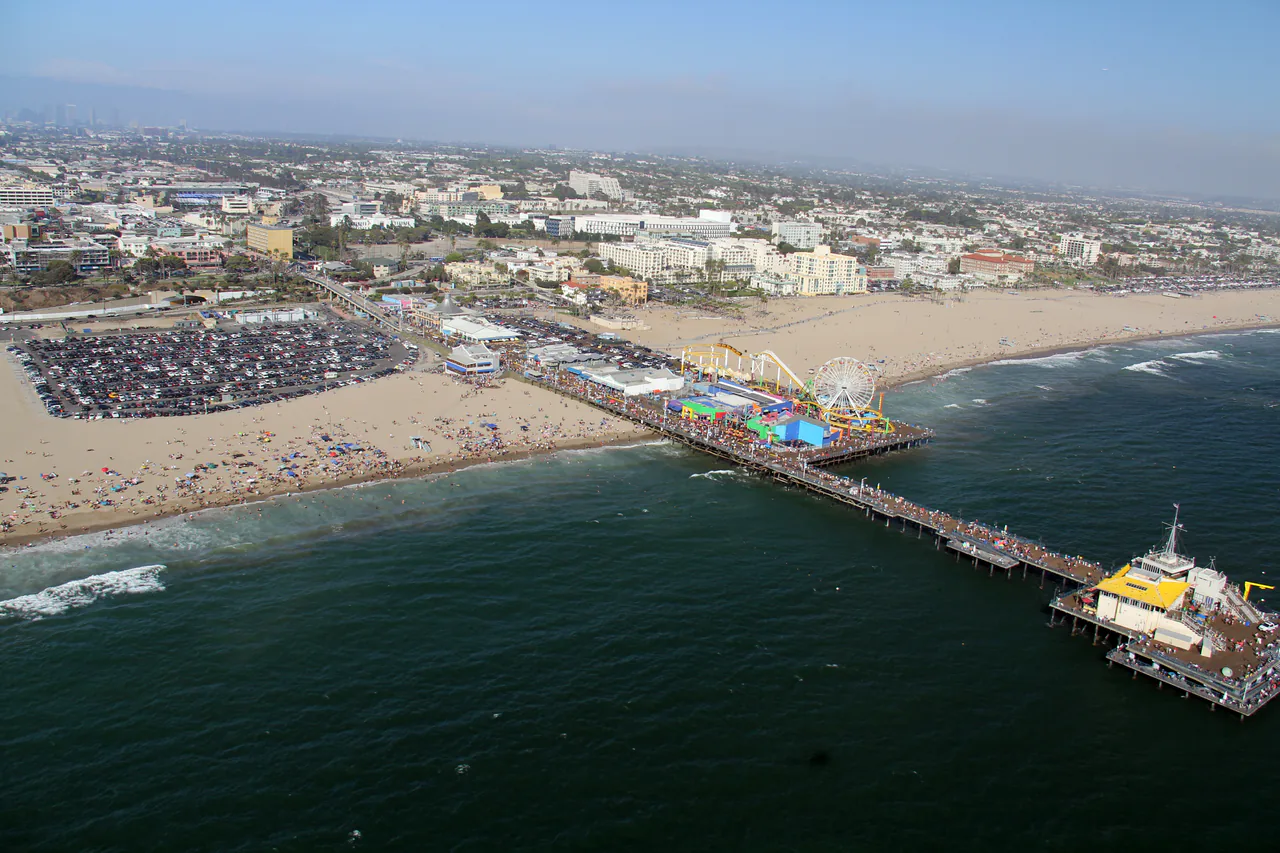
Santa Monica is the postcard: a wide beach, the pier with its solar-powered Ferris wheel, and a walkable center around Third Street Promenade. It’s also where the E Line drops you, which makes it the easiest beach day without a car.
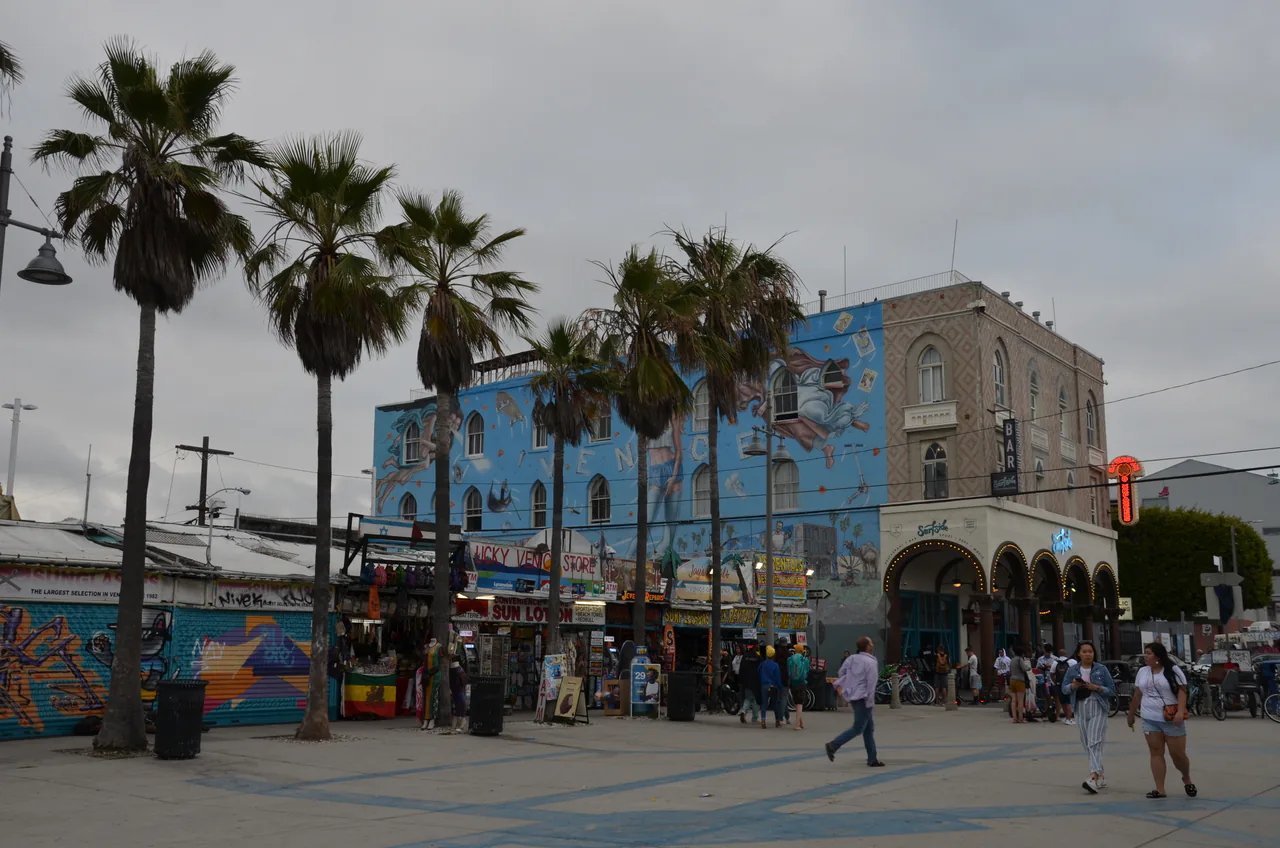
Venice, a short walk or bike ride south, is the loud sibling: the boardwalk, the skate park, the outdoor gym at Muscle Beach, street performers and a lot of retail nonsense. Two blocks inland, the Venice canals are silent, residential and lovely, and almost nobody on the boardwalk bothers to walk over.
North of Santa Monica, Malibu is a 21-mile ribbon of coast where the beaches are better and the parking is worse; El Matador is the photogenic one, with a steep staircase down to sea stacks. South, Manhattan Beach and Hermosa are where locals actually swim, calmer and cleaner than Venice.
Downtown, which is having a moment
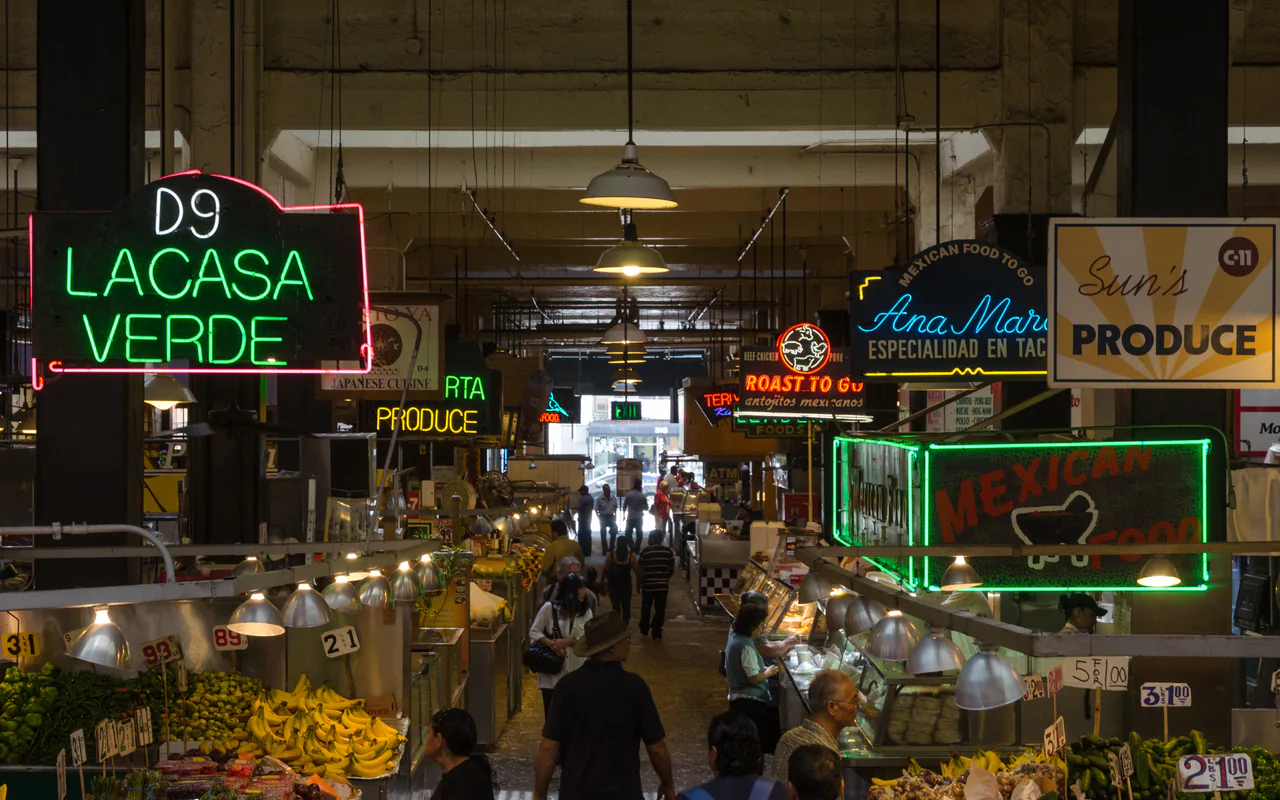
Downtown LA rewards a full day on foot. Start at Grand Central Market, trading in the same hall since 1917, where you can eat Salvadoran pupusas, hand-cut noodles and famously good breakfast burritos in one room. The market is on our where to eat in Los Angeles shortlist.
Across the street, ride the Angels Flight funicular up Bunker Hill to The Broad, whose contemporary collection is free - though “free” needs planning. Timed tickets are released on the last Wednesday of each month at 10:00 Pacific time for the following month, and a batch of next-day tickets goes out each evening. Miss both and you’re in the standby line, which moves but eats an hour.
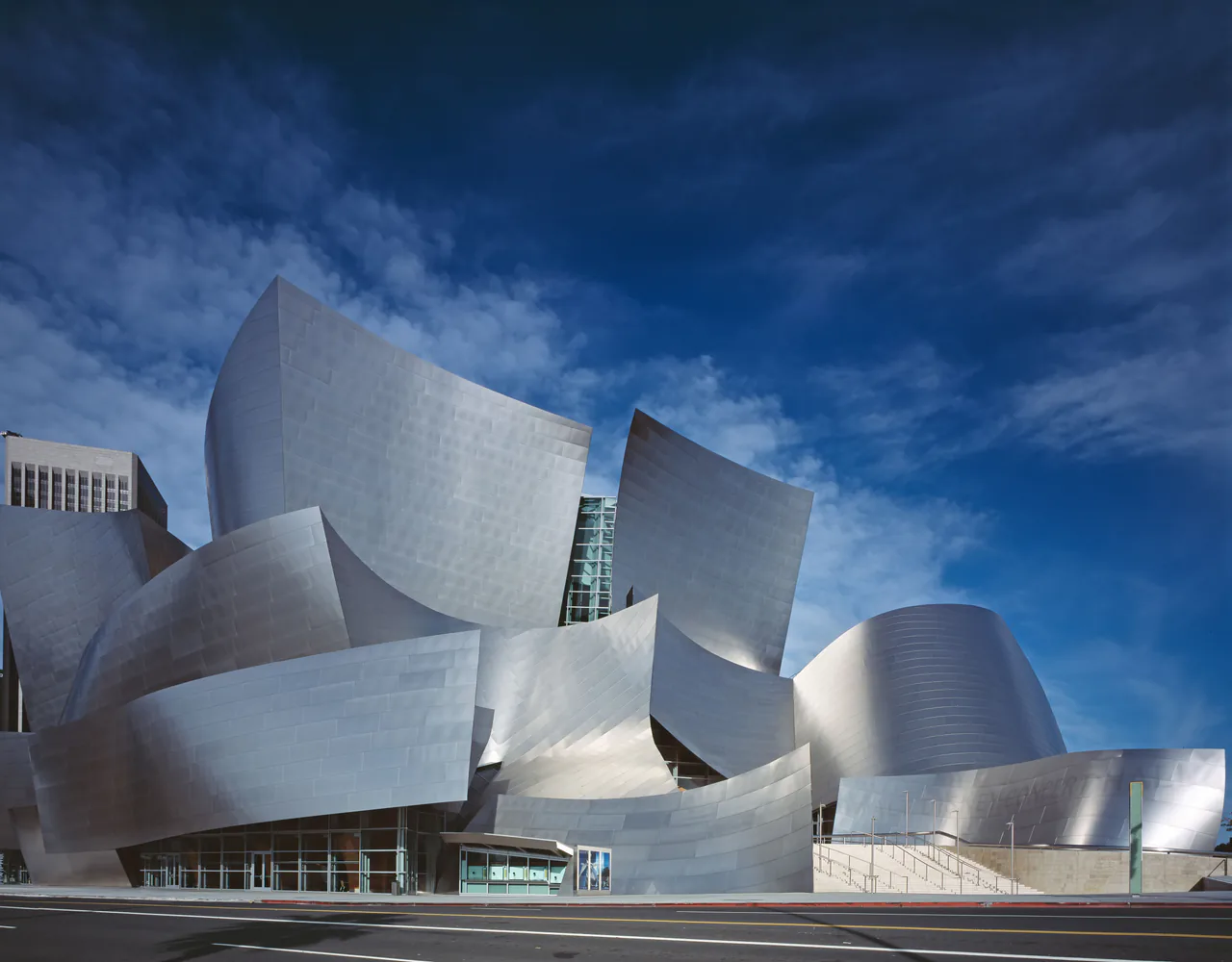
Next door, Frank Gehry’s Walt Disney Concert Hall is worth walking around even without a concert, and the free self-guided audio tour of the public spaces is one of downtown’s quiet pleasures.
Museums: the Getty and the Miracle Mile
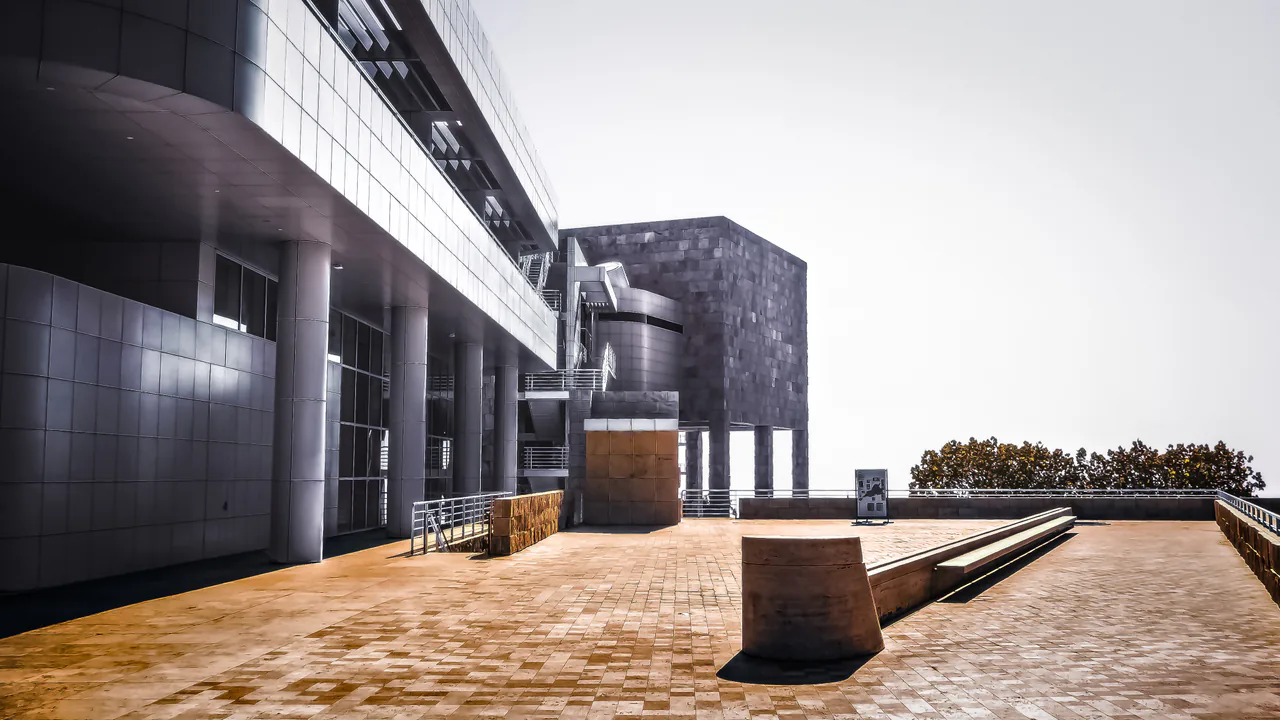
The Getty Center sits on a ridge in Brentwood, and you reach it by tram from the parking lot. Admission is free; parking isn’t (about $25, cheaper after 15:00 - check the current rate before you set out). Give it three hours for the gardens, the views and a couple of galleries rather than trying to see everything.
On Wilshire Boulevard, three museums sit within a block: LACMA with the Urban Light lamp forest out front, the Academy Museum of motion pictures, and the La Brea Tar Pits, where Ice Age fossils are still being pulled out of asphalt in the middle of the city. Since May 2026 they share a subway stop, Wilshire/Fairfax, which makes this the one museum cluster you can now do car-free from downtown.
Studios and theme parks
Universal Studios Hollywood is the theme park inside the city, and its tram tour through working backlots is the part that justifies the ticket. Prices move by date, reported roughly $109-154 online up to $159-169 at the gate for a one-day adult ticket, so pick a midweek date outside the school breaks and buy ahead.
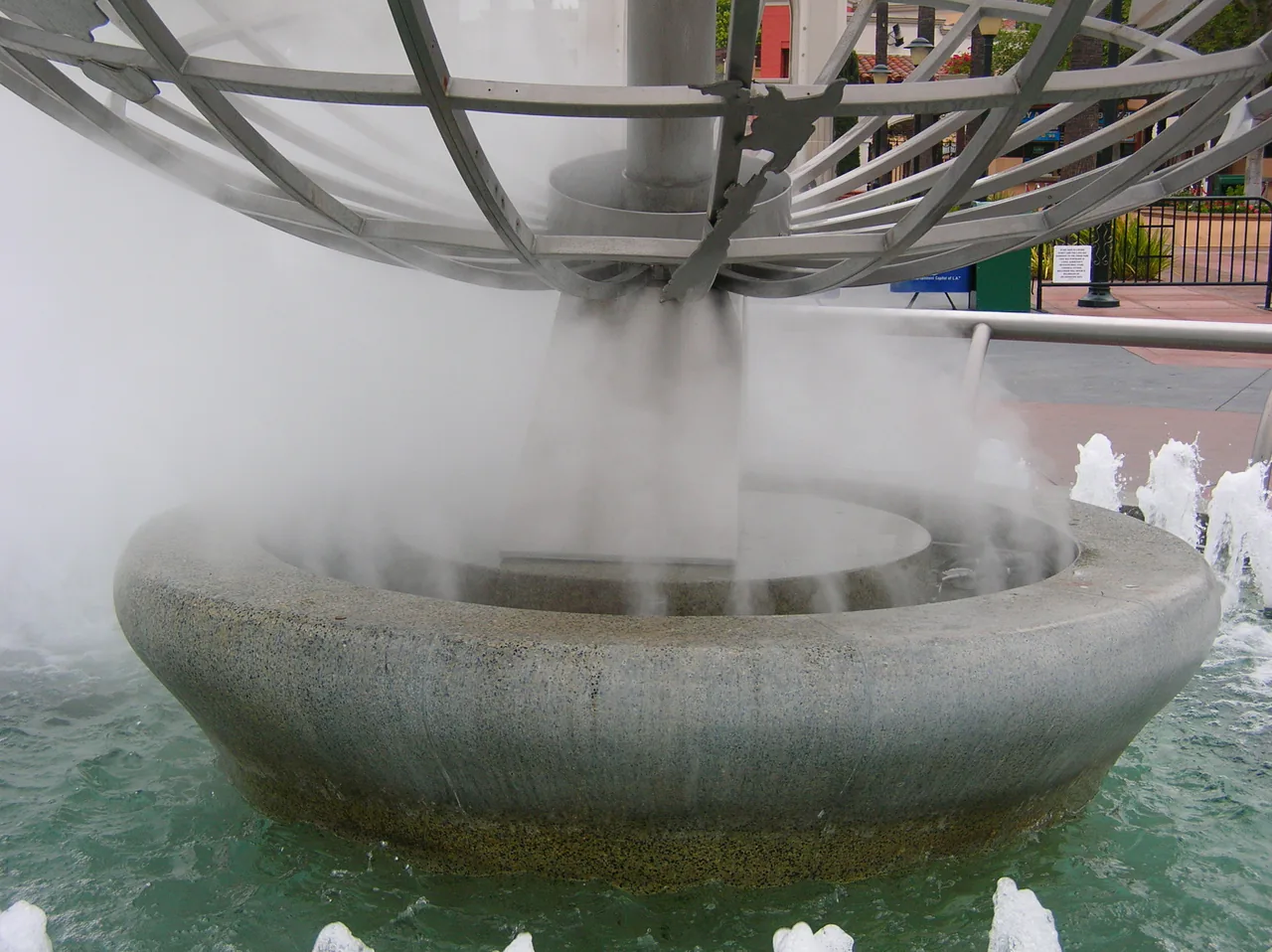
For actual film-making, the Warner Bros. tour in Burbank and the Paramount tour in Hollywood take small groups onto real lots. And note that Disneyland isn’t in Los Angeles - it’s in Anaheim, about 26 miles southeast, an hour each way on a good day and a reason to sleep down there if the parks are your priority. Arriving straight from the airport? LAX to Disneyland prices every route, from the $5 Metro run to the train that ignores traffic. Deciding between the Hollywood park and the Anaheim resort, or between California and Orlando altogether? Universal vs Disney across the US lays out the trade-offs.
Eating: the reason to come back
LA’s food is better than its skyline. Tacos are the baseline, and the standard is set by trucks rather than restaurants; al pastor carved off a spit at a curbside truck at midnight is an LA rite of passage.

Beyond that: Koreatown for late-night barbecue and stews, the San Gabriel Valley (Monterey Park, Alhambra, San Gabriel) for the best Chinese food in the country, Thai Town for genuinely spicy northern Thai, and Boyle Heights and East LA for birria and pan dulce. Reserve nothing, drive a bit further, eat better.
Beverly Hills and the shopping bit
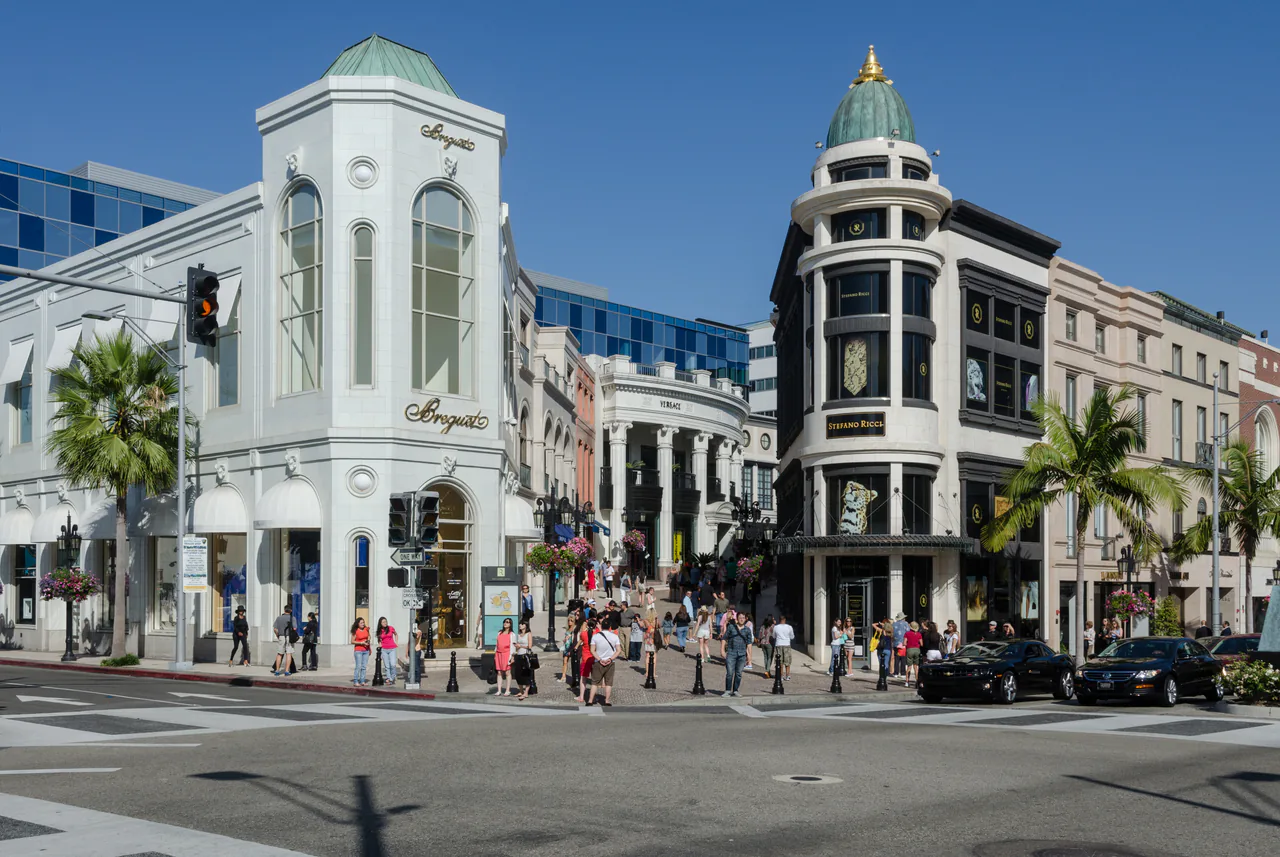
Rodeo Drive takes 20 minutes and no money: three blocks of flagship stores, the stepped Via Rodeo lane and a steady stream of people photographing cars. The neighborhood around it’s pleasant to walk, and since May 2026 you can arrive by subway at Wilshire/La Cienega instead of hunting a parking space.
Easy days out
Catalina Island is the surprise: an hour by Catalina Express from Long Beach to a small Mediterranean-looking harbor town with no traffic to speak of. Santa Barbara is 95 miles up the coast and the natural first stop if you’re heading north on the Pacific Coast Highway road trip. Joshua Tree is about two and a half hours east and best October through April.
Practical notes
May and June bring the marine layer that locals call June gloom, when the coast stays gray until early afternoon while it’s sunny five miles inland. September and October are the warmest, clearest months and the best time to visit. Hotel bills carry 14% city tax plus a 1.5% tourism assessment, so the rate you see isn’t the rate you pay.
Still choosing between the coasts? Our New York vs Los Angeles comparison weighs the two on weather, cost and getting around. Base yourself deliberately: our guide to where to stay in Los Angeles sorts the neighborhoods by budget and by what you actually plan to do. If LA is one stop on a bigger trip, the California in 10 days route links it with San Francisco and Yosemite, and the California travel guide covers the rest of the state.
Read also
- Pick a neighborhood: where to stay in Los Angeles
- Into the city from the airport: LAX to downtown
- Straight to the parks: LAX to Disneyland
- Hollywood, Anaheim or Orlando: Universal vs Disney across the US
- Drive north: Pacific Coast Highway road trip
- The other California city: things to do in San Francisco
- Browse more US cities and US states
On the map
The map loads on click - to keep the page lightweight.
The map didn’t load. Check your connection and refresh the page.
Read also

Cities · 13 min read
Salt Lake City: Ski Base, Temple Square and the Salt Flats
Verified · August 29, 2026Four ski resorts inside 36 miles of the airport, a temple you cannot enter until 2027, and a salt flat that closes for racing. What to plan around.

Cities · 9 min read
Atlanta: Civil Rights Trail, Aquarium and Southern Food
Verified · August 28, 2026Free MLK park on Auburn Avenue, Civil Rights Center from $26, Georgia Aquarium tickets from $54.99, BeltLine walks and where Southern food still holds up.

Cities · 9 min read
Minneapolis Guide: River, Lakes & the Blue Line
Verified · August 26, 2026A $2 train from MSP, Stone Arch and Minnehaha Falls, Walker on free Thursday nights, and when Mall of America is worth the ride south.

Cities · 12 min read
Savannah Travel Guide: Squares and the Historic District
Verified · August 22, 2026Walk the 22 squares, tour Owens-Thomas honestly, ride the free river ferry, then Bonaventure and Tybee - checked August 2026.