
Colorado Travel Guide: Denver, Rockies & Mountain Towns
Timed entry at Rocky Mountain, a $100 gate surcharge for overseas visitors and $10 from the airport into Denver: how to plan a Colorado trip.
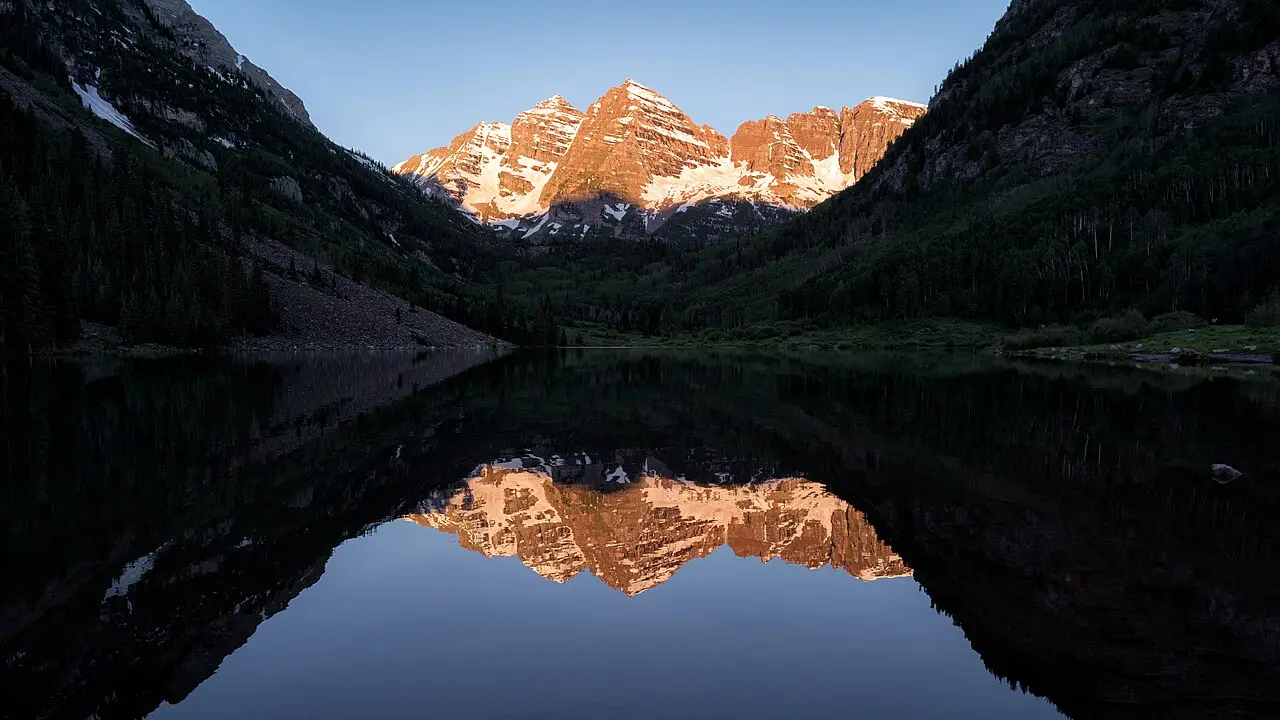
A Colorado trip has one structural decision in it, and most people make it too late: which reservation systems you need, and whether your dates still have slots. Rocky Mountain National Park, Mount Blue Sky and the Maroon Bells all run on timed entry booked through separate websites, and two of the three sell out for summer weekends well before you land. Book those first, then the flights, then the hotel.
The rest is easier than it looks. Nearly everyone starts at Denver International, the train from the airport into downtown costs $10, and the foothills begin at the western edge of the metro area. A week gets you Denver plus one direction, or two at a stretch: north to Rocky Mountain and Estes Park, west along I-70 to the ski towns, south toward Colorado Springs and the sand dunes. Try to take all three and you’ll spend the vacation in a rental car.
Landing in Denver and getting out of it
The city gets its own Denver travel guide; this section is about getting through it. The A Line runs from the airport to Union Station downtown in 37 minutes, every 15 minutes for most of the day. An Airport Day Pass at $10 covers it and the rest of the RTD network for that service day, so you’ve already paid for the onward ride to your hotel. Whether that hotel should be downtown, LoHi or at DEN is where to stay in Denver. Youth 19 and under ride free on everything RTD operates, so you’re only buying adult fares.
After that the car is mandatory. Nothing beyond the Denver metro area has usable public transit, and the one real exception is seasonal - Amtrak’s Winter Park Express, which ran from Union Station to the ski resort last winter with fares from $9. Treat it as a bonus, not a plan.
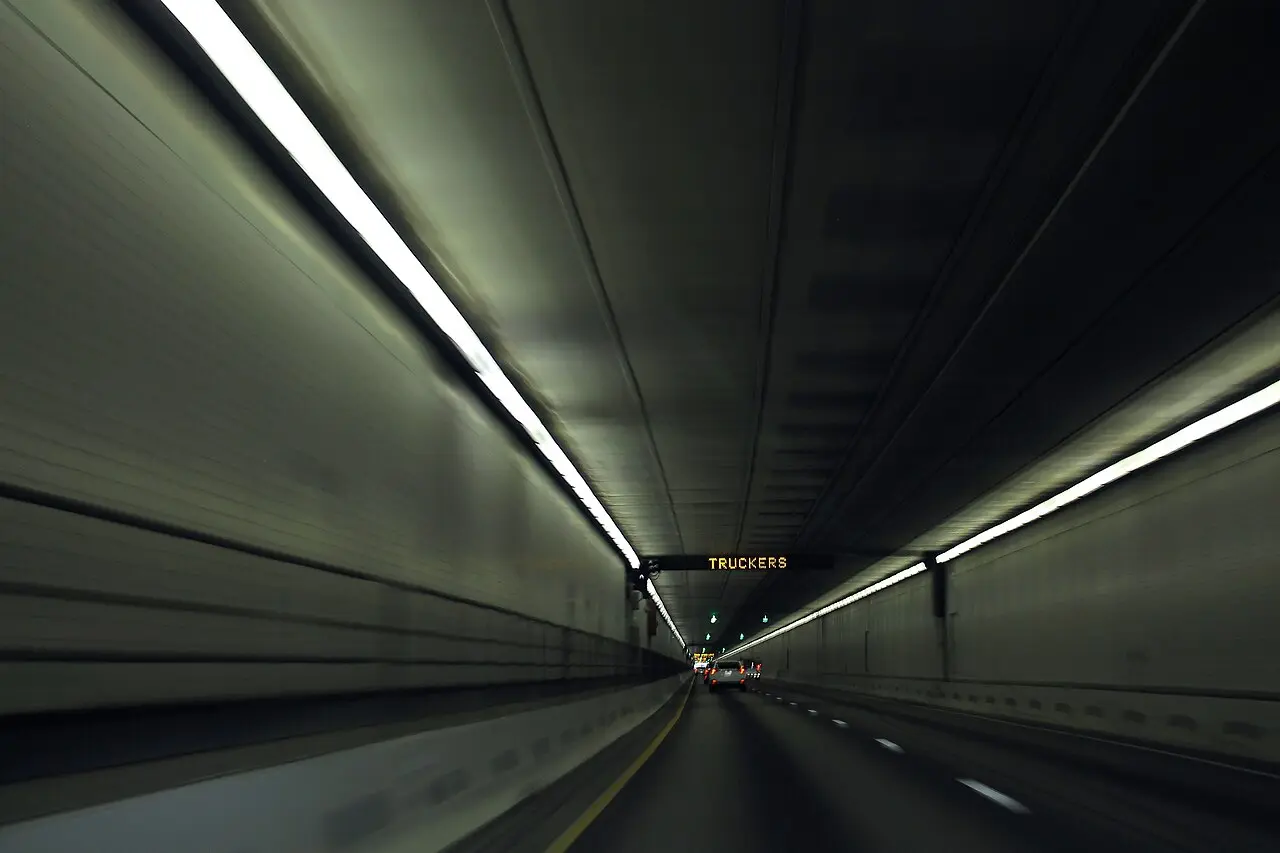
Driving here is straightforward until it snows, and then it isn’t. I-70 west of Denver climbs through the Eisenhower-Johnson Memorial Tunnel at 11,158 feet, the highest point on the entire Interstate system. On Sunday afternoons in ski season the eastbound run back to the city backs up badly, which is why locals head home either before noon or after eight.
The winter rule is worth reading properly before you pick a rental class, because it’s in flux. Colorado’s Traction Law covers the I-70 mountain corridor between Dotsero and Morrison from September 1 through May 31, and what it actually asks for is tires: mud-and-snow (M+S), a mountain-snowflake symbol or a manufacturer all-weather rating, with at least 3/16-inch tread depth.
The interesting part is what happened to that rule. Guidance issued in late 2025 tightened it so a two-wheel-drive car no longer complied on tires alone and needed chains. Sponsors later conceded the drive-type change was unintentional, and HB26-1237, signed May 5, 2026, strips the four-wheel and all-wheel drive references back out of the statute, effective August 12, 2026 - twenty days before the 2026-27 season starts. The strictest version of this law will have lasted under a year, and plenty of the advice online still describes a rule that’s already repealed. Check codot.gov/travel/winter-driving/tractionlaw rather than any blog post, this one included; the position above was checked on July 31, 2026.
None of it changes what to book. Take an AWD vehicle between fall and late spring, and look at the tread before you drive off.
Rocky Mountain needs a reservation before it needs anything else
For 2026 the timed entry system opens on May 22 and closes on different dates for its two flavors: October 12 for the park at large, October 18 if the Bear Lake Road corridor is on your permit. Plain Timed Entry covers everything except the Bear Lake Road corridor; Timed Entry + Bear Lake Road adds that corridor, and its daily window runs 5 a.m. to 6 p.m. instead of 9 a.m. to 2 p.m. The famous lake hikes need the second one. The reservation itself is only a $2 Recreation.gov fee - it’s the release times that decide whether you get a slot, and our full guide to Rocky Mountain National Park has those, along with the shuttles and the hikes.
Entry sits on top: $30 per vehicle for a day, $35 for a week. The number that rewrites an overseas budget is newer. Since January 2026, every non-US resident aged 16 or over pays $100 extra per person, unless they arrive on an annual or America the Beautiful pass. That’s charged per head while entry is charged per car, so a couple pays it twice and nobody in the vehicle is spared except children under 16. The $250 America the Beautiful Non-Resident pass covers the holder plus three other adults - the right buy if Zion or Yellowstone are also on your route, since both levy the same surcharge.
Trail Ridge Road is what fills the park: 48 miles between Estes Park and Grand Lake, cresting at 12,183 feet, eleven of them above treeline. Give it half a day. And check it’s open before you build a day around it - in 2026 it stayed closed through Memorial Day weekend and only opened on May 29.
Three national parks with no lines
Colorado has four national parks and everyone piles into one of them. The other three are cheaper, quieter, and none of them charges the $100 non-resident surcharge.
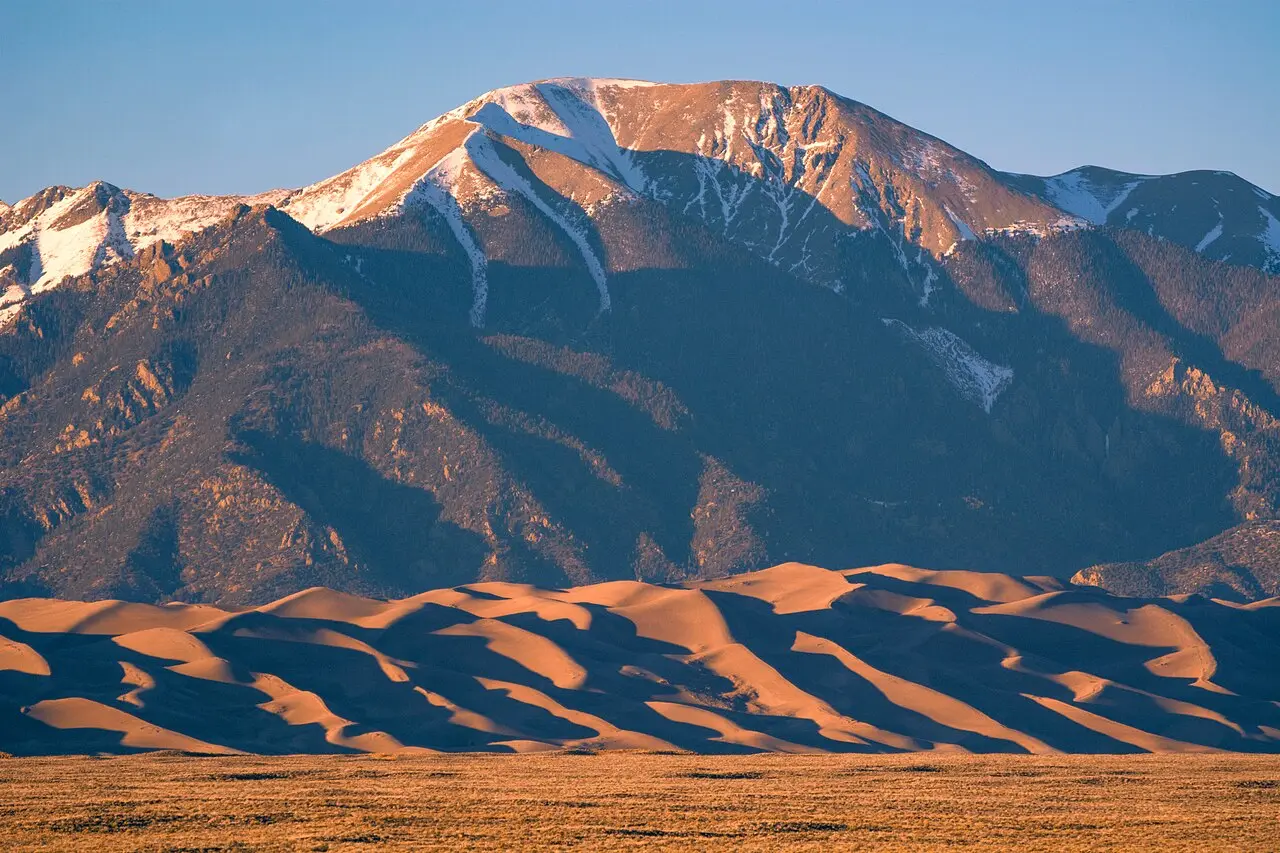
In the San Luis Valley, Great Sand Dunes costs $25 per vehicle for seven days. Sand mountains stand against a snow-covered range, and in late spring Medano Creek runs across the base of the dunefield in shallow pulses, peaking in late May or early June. By July the creek is gone and the park’s safety page warns the sand can reach 150F on a summer afternoon, hot enough to blister bare feet. Go at dawn, wear closed-toe shoes, or come back at dusk.
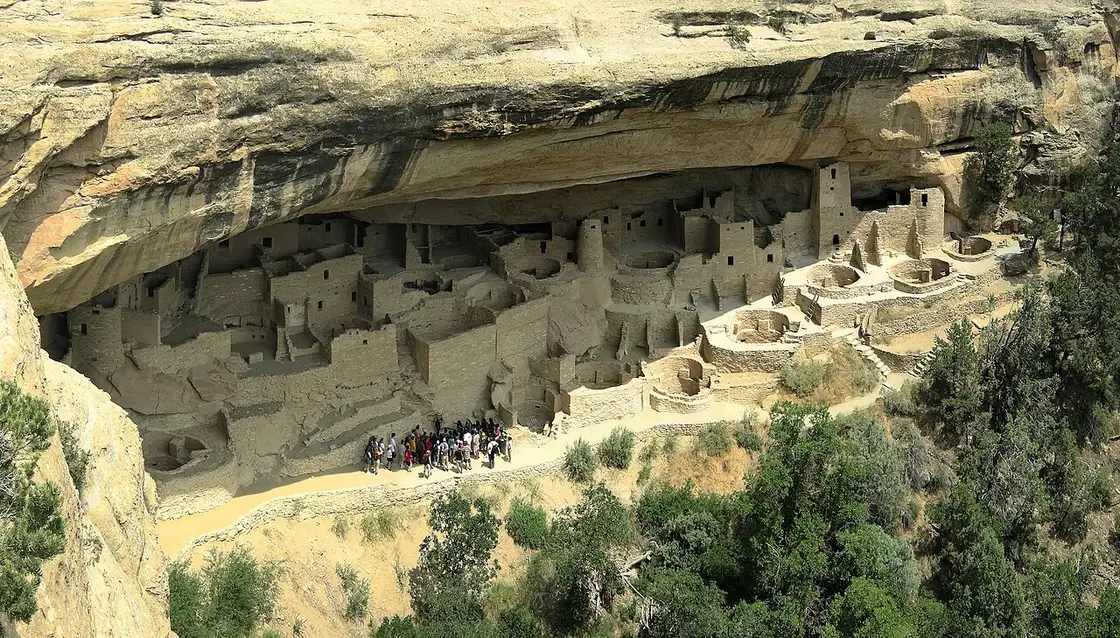
Far to the southwest, Mesa Verde protects cliff dwellings built by Ancestral Pueblo people who lived on and in these mesas for over 700 years. Entry runs $30 per vehicle from May through late October and $20 in winter, cards only, no cash. You can’t simply walk into the dwellings you’ve seen photographed - those are ranger-guided tickets on recreation.gov, so check the price and release schedule before you make the drive.
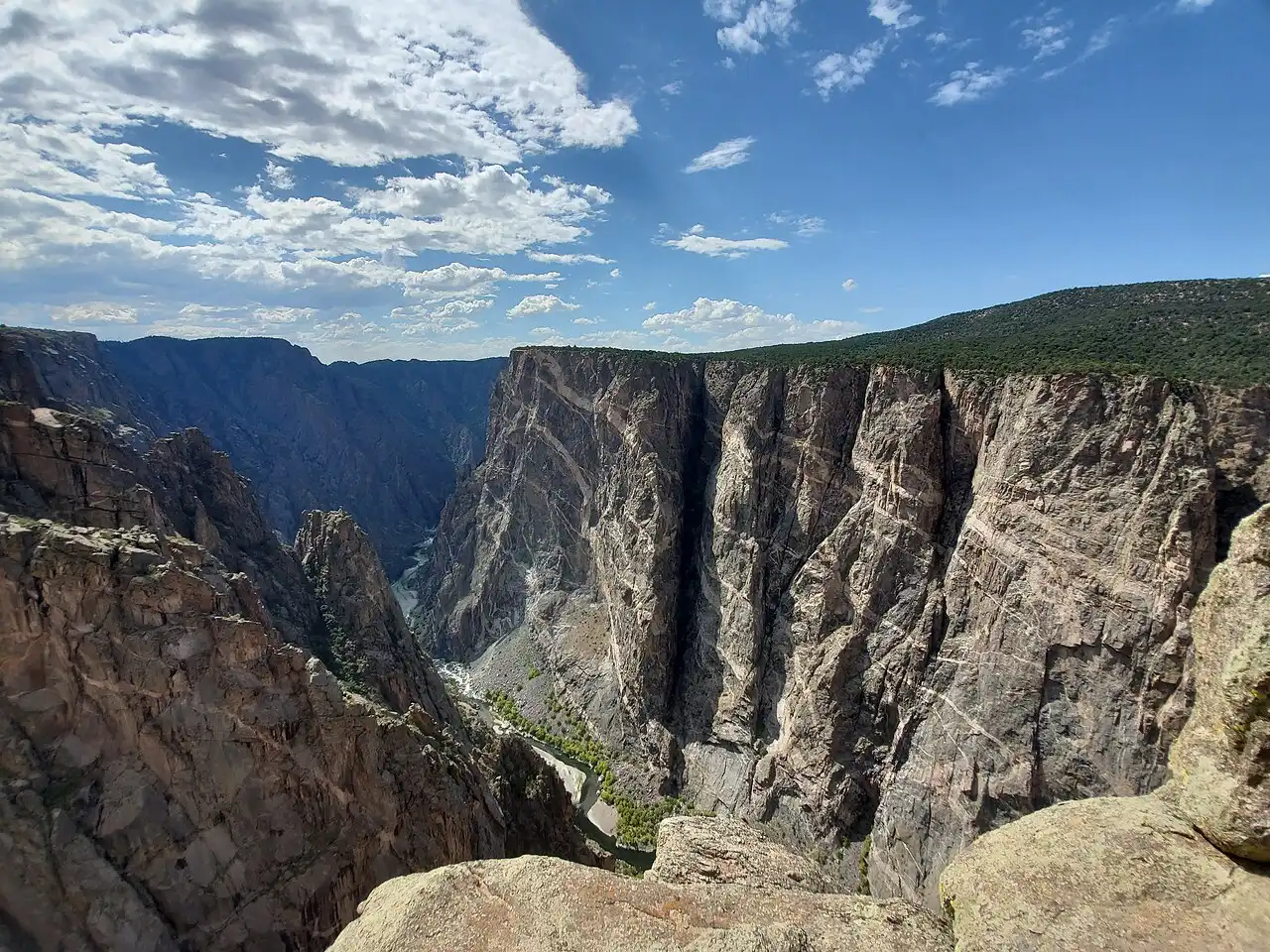
Black Canyon of the Gunnison is $30 per vehicle and the strangest of the four: a gorge so narrow and deep that much of the inner canyon sits in shadow at midday, which is where the name comes from. An afternoon on the South Rim road covers it.
Breckenridge, Aspen or the San Juans?
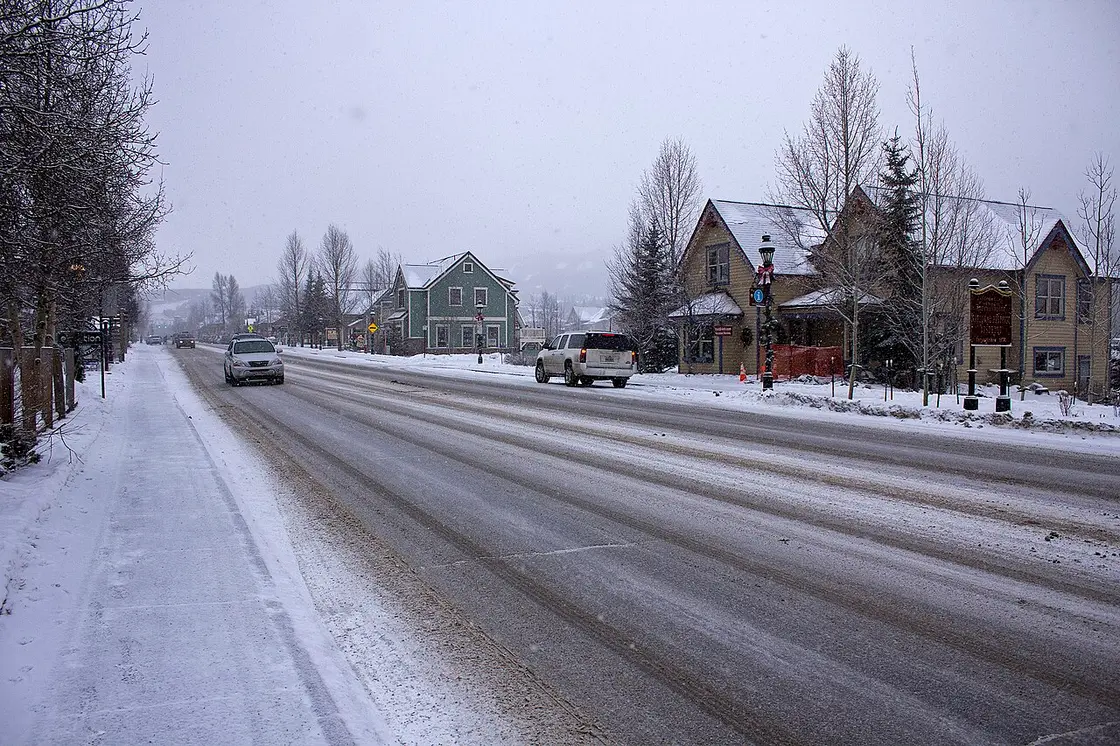
The I-70 towns - Breckenridge, Frisco, Vail - are the closest mountain bases to Denver, and they’re what a first-time visitor usually means by “the mountains.” Breckenridge kept a real 19th-century main street, so there’s somewhere to walk after dinner. Vail is the opposite: great skiing, a village designed as a product.
Aspen is further, prettier and much more expensive, and it holds the one view worth rebuilding a day around. Access to the Maroon Bells is tightly managed: vehicles run May 15 to October 31 on a $10 parking reservation, or take the RFTA shuttle from Aspen Highlands, every 15 minutes from 8 a.m. to 5 p.m. between May 22 and October 18, $16 per adult. Both book at visitmaroonbells.com, and summer sunrise slots go early.
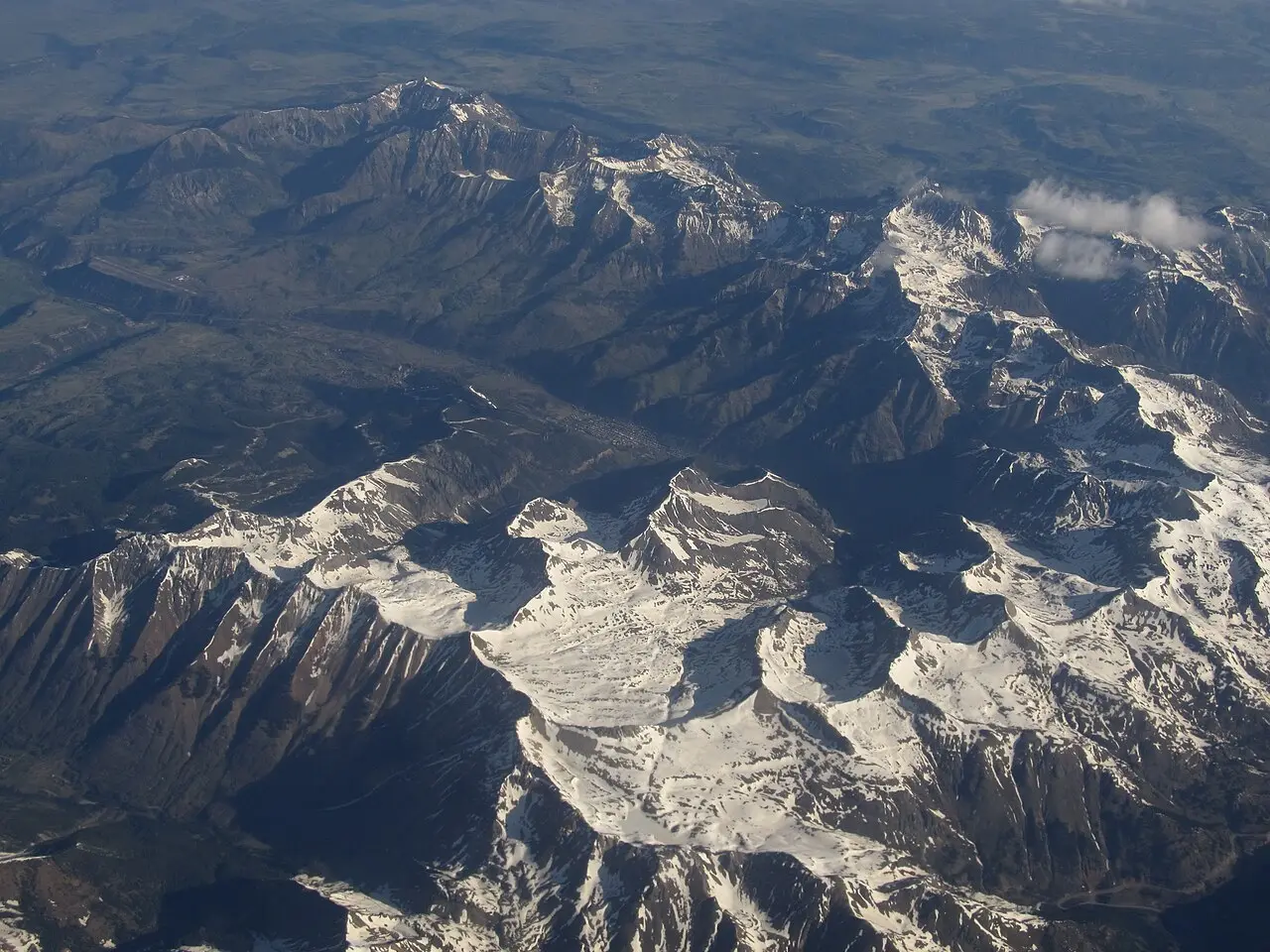
Go further southwest and Colorado changes character entirely. Telluride, Ouray and Silverton sit in the San Juans, a wetter, sharper range with old mining towns under it. It’s a long drive. That’s exactly the argument for it if you’ve already done Colorado once.
You can drive to 14,000 feet for $20
Colorado has 58 named summits above 14,000 feet (53 if you apply a stricter prominence rule), and climbing one is a serious day out. Exactly one can be driven. The Mount Blue Sky Recreation Area, west of Denver above Idaho Springs, runs a paved road past Summit Lake to the summit area, which puts the state’s headline landscape within reach of anyone who can’t hike at altitude.
It’s a $20 per vehicle timed entry through recreation.gov plus a $2 fee, and the 2026 season opened on May 22. As a day trip it’s covered in our Denver guide; as a fourteener it’s the cheapest summit in the state by a distance.
The altitude is the catch. The top is roughly double anything most visitors have stood at, and going from a Denver hotel bed to 14,000 feet inside a morning is how people spend the afternoon with a headache and nausea. Give yourself a day or two in Denver first, drink far more water than feels reasonable, and go easy on alcohol the night before. Then watch the sky: storms build over these summits through July and August, so be heading down by early afternoon, not starting up at three.
South to Colorado Springs
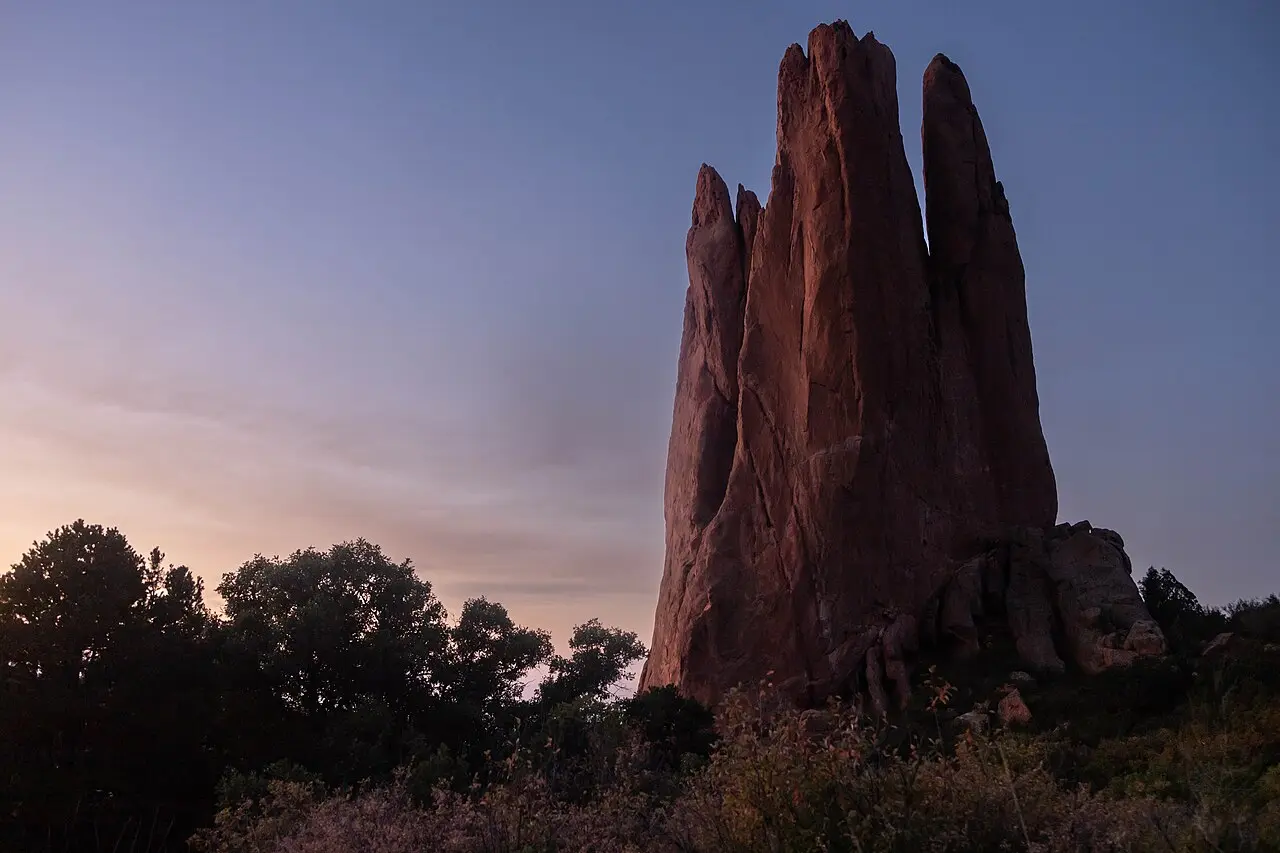
South of Denver, Colorado Springs gives you Garden of the Gods - free to enter, red sandstone fins you can walk among on paved paths, and the best short stop in the state for anyone with limited time or limited mobility. Pikes Peak stands behind the city, reachable by highway or by cog railway; you’ll want to check both operators for current prices and departure times.
Colorado’s real calendar is a list of road opening dates
Book by month and you’ll get this state wrong. Book against road openings and you’ll get it right. In 2026: Mount Blue Sky reopened on May 22. Maroon Bells took private vehicles from May 15, but its shuttle only started on May 22 and stops on October 18. Trail Ridge Road, held up by May snow, opened on May 29. Medano Creek at the sand dunes peaks in late May or early June and is usually finished by July.
Read it again and the shape of a Colorado summer falls out. Nothing high is reliably open before the last week of May; the paved alpine roads are all open from mid-June to late September, though the unpaved ones need another few weeks and rarely open before July; from mid-October they start closing behind you. Book the first week of June because “June is summer” and you can arrive to find the headline drives still under plows.
One budget note that catches visitors: the Keep Colorado Wild Pass at $29, which locals add to their vehicle registration for entry to all 43 state parks, isn’t sold to you. You’ll pay each park’s day-use fee instead.
Where the money actually goes on a week here
Two nights in Denver to get used to the altitude and see the city, three in Estes Park for Rocky Mountain, two on I-70 in Breckenridge or Frisco. Every leg is a short drive, not a travel day.
Price it out and the split surprises people. The reservations that are hardest to get are the cheapest things on the list: $2 for Rocky Mountain, $2 plus $20 per vehicle for Mount Blue Sky, $10 to park at Maroon Bells. The gate is the biggest fixed cost for an overseas couple: $200 in surcharges on top of entry, or $250 for the pass. After that it’s the bed. Estes Park and the resort towns price by season, so shifting the trip to June or late September cuts that line while nothing else moves.
With ten days, drop the I-70 leg and go south: Colorado Springs, the sand dunes, then Mesa Verde. That half of Colorado never appears in a ski brochure, and beds there cost a fraction of Vail.
Numbers here are checked against our USA trip cost breakdown. If you’re weighing the drive against a flight to the next region, getting around the USA runs that comparison, and renting a car in the USA explains what the rental counter will try to sell you.
On the map
The map loads on click - to keep the page lightweight.
The map didn’t load. Check your connection and refresh the page.
Admission and opening hours
- Admission price
- Rocky Mountain National Park: $30 per vehicle for one day, $35 for seven days, plus a $2 timed entry reservation. Great Sand Dunes $25 per vehicle, Black Canyon of the Gunnison $30, Mesa Verde $30 in summer and $20 in winter. Non-US residents aged 16+ pay an extra $100 per person at Rocky Mountain only.
Reservation systems at Rocky Mountain, Mount Blue Sky and Maroon Bells change season to season. Confirm dates and windows on nps.gov, recreation.gov and visitmaroonbells.com before you book flights around them.
Details checked: July 31, 2026
Read also

States · 11 min read
Connecticut: Mystic, New Haven and the Shoreline
Verified · September 12, 2026Mystic Seaport at $35 adult, free Yale galleries in New Haven, and Gillette Castle on the river - how a Connecticut weekend actually fits.

States · 9 min read
North Dakota: Medora and Theodore Roosevelt NP
Verified · September 5, 2026The 36-mile South Unit loop starts in Medora, entrance $30 per vehicle, cashless from May 2026 - how to plan Theodore Roosevelt National Park.

States · 9 min read
Arkansas Travel Guide: Hot Springs & Ozarks
Verified · September 4, 2026Fee-free Hot Springs NP downtown, free Crystal Bridges in Bentonville, and the 135-mile Buffalo - how to string an Arkansas road trip.

States · 10 min read
Indiana Travel Guide: Indy, Speedway, Shore
Verified · September 5, 2026IMS Museum at $25, Kiss the Bricks at $15, Brown County hills and Lake Michigan shore - an Indiana trip beyond a Chicago beach day.