
Denver Travel Guide: Downtown, Red Rocks & Day Trips
A $10 train from the airport, a free amphitheater in the foothills and the day trips worth the drive: how to spend two or three days in Denver.
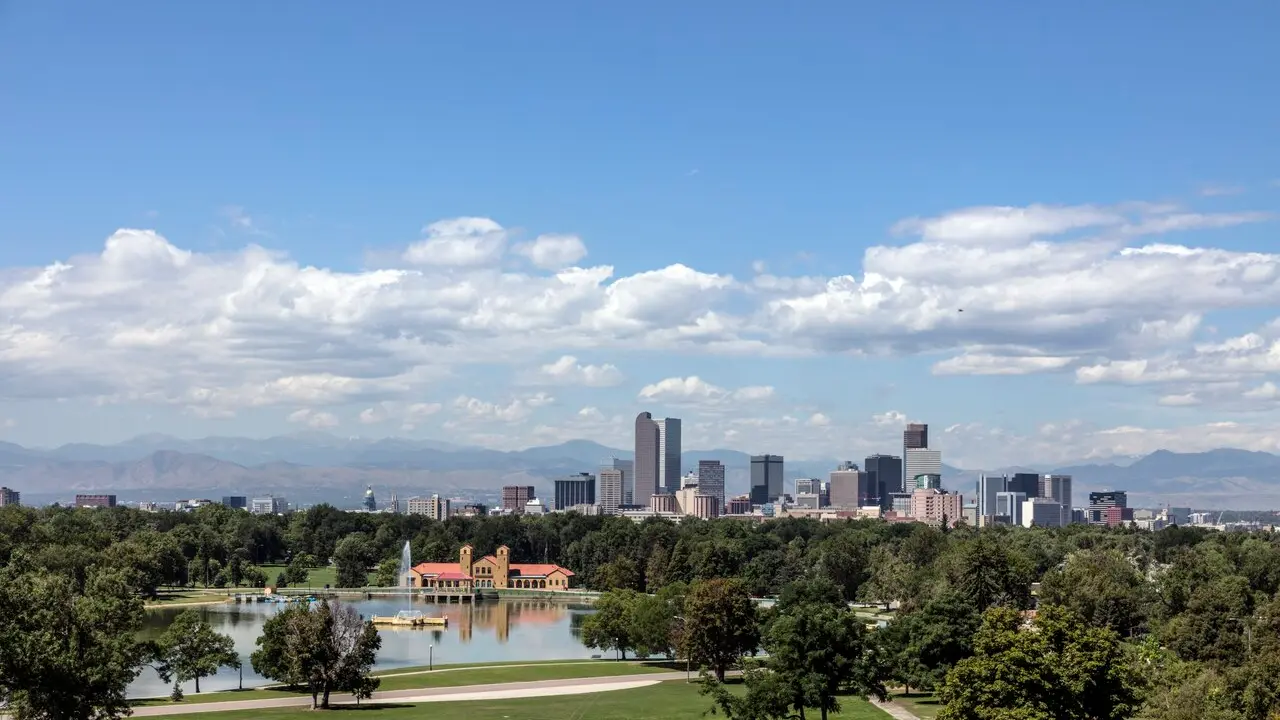
Denver is a two or three day city, and it’s honest about that. It has one world-class outdoor venue, two museums worth the money, a downtown you can walk end to end, and a mountain range starting at the edge of the suburbs that’s the actual reason most people fly in. Plan it as a base with two good days in it rather than a week-long destination and you’ll enjoy it far more.
The practical piece first: the train from the airport costs $10 and takes 37 minutes to Union Station, which is about as painless as US airport transit gets. And Denver sits at 5,280 feet, so your first evening here will feel odd. Drink water, take it easy on the beer, and don’t schedule a 14,000-foot summit for tomorrow morning.
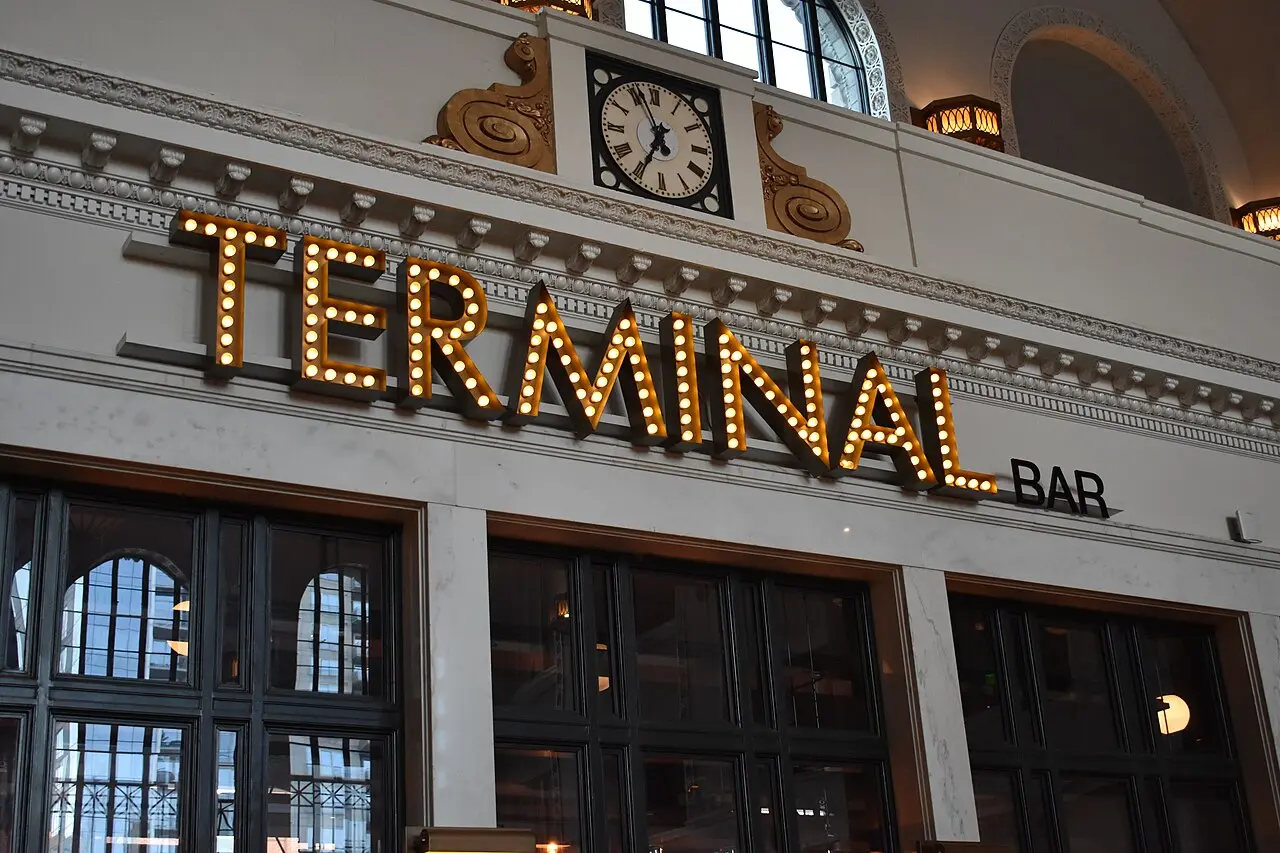
From the airport for $10
The A Line runs on rails from the airport into Union Station, roughly every 15 minutes through the day. Buy the Airport Day Pass at $10 instead of a one-way ticket: it covers the rest of the RTD network for the same day, so the onward bus or train to your hotel is included.
After that, RTD is cheap. A Local 3-Hour Pass is $2.75 and a Local Day Pass $5.50, and RTD’s fare system now has only two zones, Local and Airport. That second detail is worth money to visitors. RTD’s own wording is that any trip touching the airport needs an airport product, “with all other products being valid for travel across the rest of the system” - so the bus out to Boulder costs the same Local fare as a ride across downtown. Youth 19 and under ride free on everything RTD runs, which quietly makes Denver one of the cheapest US cities to move a family around.
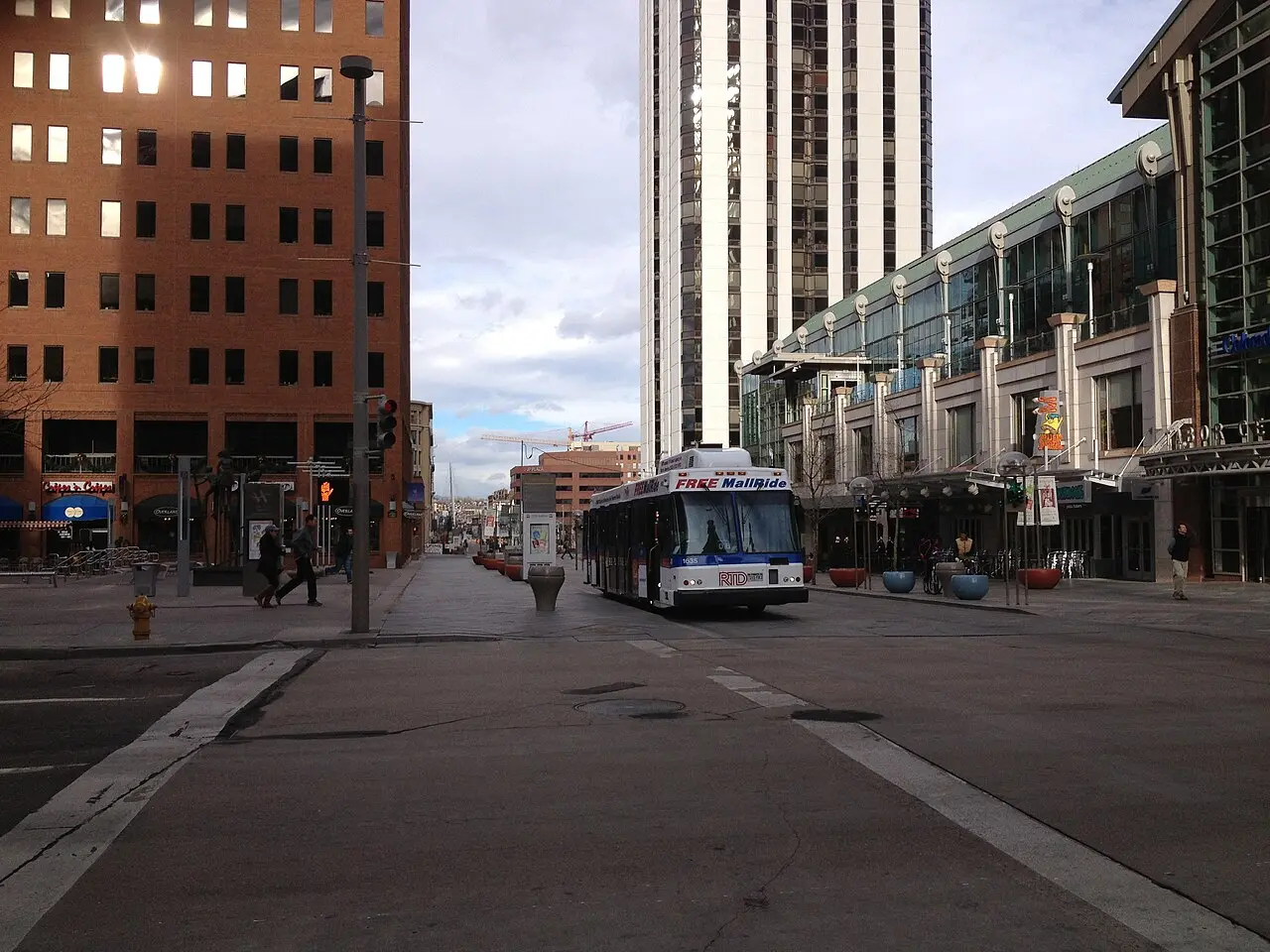
Downtown itself is walkable, and the spine is 16th Street, rebuilt and reopened along its full length in October 2025 with wider sidewalks and mature trees. The free shuttle that runs its length is now branded FreeRide. Use it while it’s there: RTD’s budget scenarios for 2027 would cut the FreeRide in four of five options, and the service carried about 2.3 million riders last year. Nothing has been decided, and any change would land in the 2027 budget year at the earliest, but it’s the kind of thing worth checking rather than assuming.
Red Rocks is free to walk into
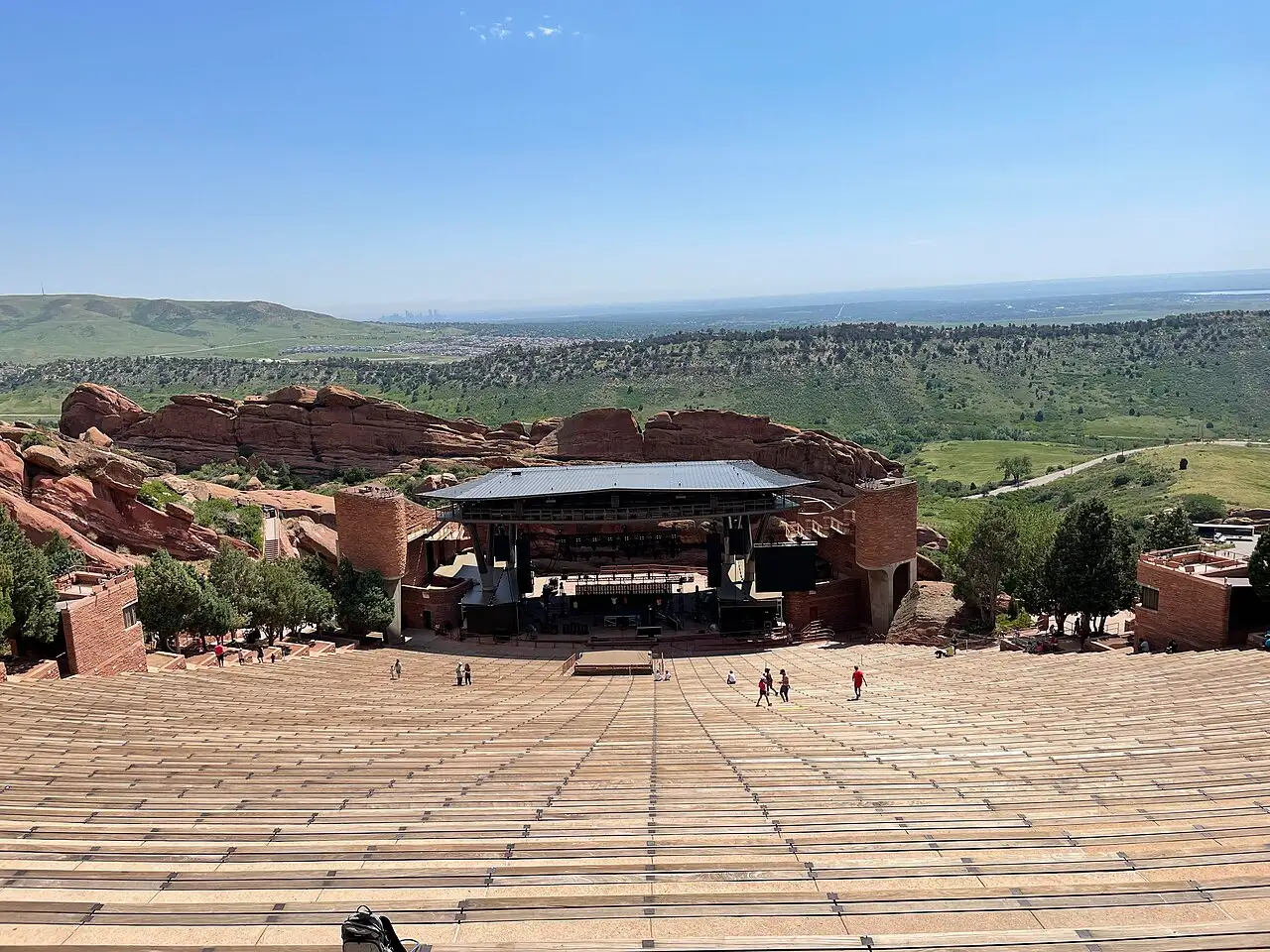
Red Rocks Amphitheatre sits in the foothills at 6,450 feet, holds 9,525 people, and on any day without a show you can walk straight in and sit in it. Admission and parking are free - the park, the visitor center and the Trading Post all cost nothing.
The park is open from one hour before sunrise to one hour after sunset, and mornings are when locals use it: the steps fill with people running them as a workout while the sun comes up over the plains beyond the stage. The Trading Post Trail, 1.4 miles of narrow, sometimes steep path through the rock formations, is the walk to do while you’re there.
Free doesn’t mean always open, though. On concert days the amphitheater usually closes to the public in the early afternoon, around 2 p.m., for sound checks, and it can shut its gates at any point once a show is loading in. In summer that’s most days. Look up the venue’s own calendar for your date and go in the morning, or pick a day with nothing booked. Sitting in an empty Red Rocks with the Denver skyline out on the horizon is worth planning around.
Which step is exactly a mile high?
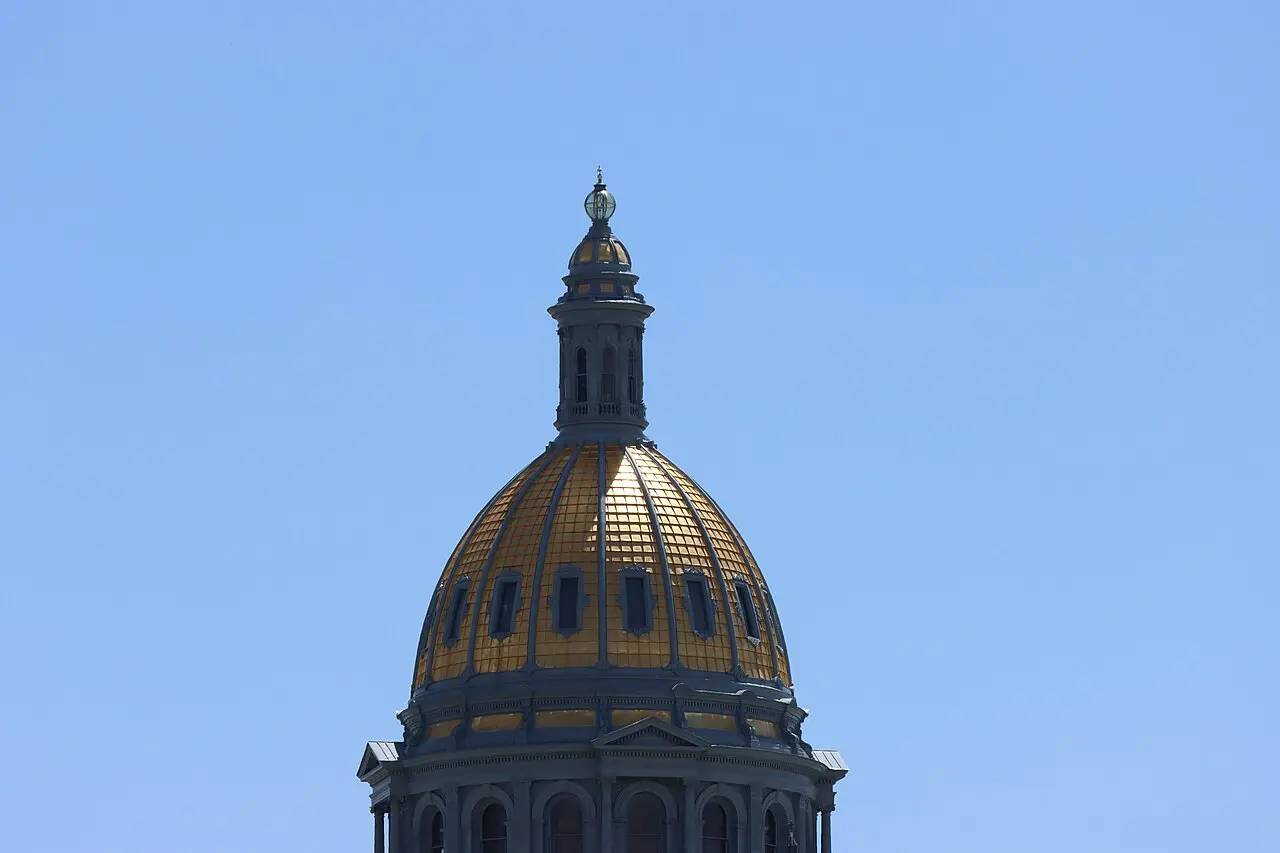
Start at Union Station and walk. The Great Hall is a public room with a bar in the middle of it, so it works as a first stop and again as a last drink. From there 16th Street runs southeast toward the Colorado State Capitol, whose dome carries real gold leaf: 200 ounces of it, donated by mining interests in 1908 to mark the 1858 gold rush, and replaced during the restoration that began in 2012 with gold mined at Cripple Creek.
The Capitol’s west steps hold Denver’s best piece of trivia, and it grew a fourth chapter in July 2026. Four different steps have now been declared exactly one mile above sea level. The 15th step carries the engraving “One Mile Above Sea Level” and held the title from 1909 to 1969. Then Colorado State University students resurveyed it, decided the mark sat three steps too low, and a brass marker went on the 18th. A 2003 survey moved it again, to the 13th. And in July 2026 a team led by a NOAA National Geodetic Survey advisor took final measurements and settled on the 17th - marked, for now, with a stroke of Sharpie, because the official marker slipped to 2027.
So the mile-high line has migrated up and down these steps for over a century, and the honest answer to “which step?” is that it depends which survey you trust. Stand on the 17th if you want the current one. Stand on all four if you want the story.
Below the Capitol, Civic Center Park links the government buildings to the museums, and Larimer Square and LoDo hold the 19th-century brick blocks that survived the era when Denver was demolishing them.
The two museums to pay for
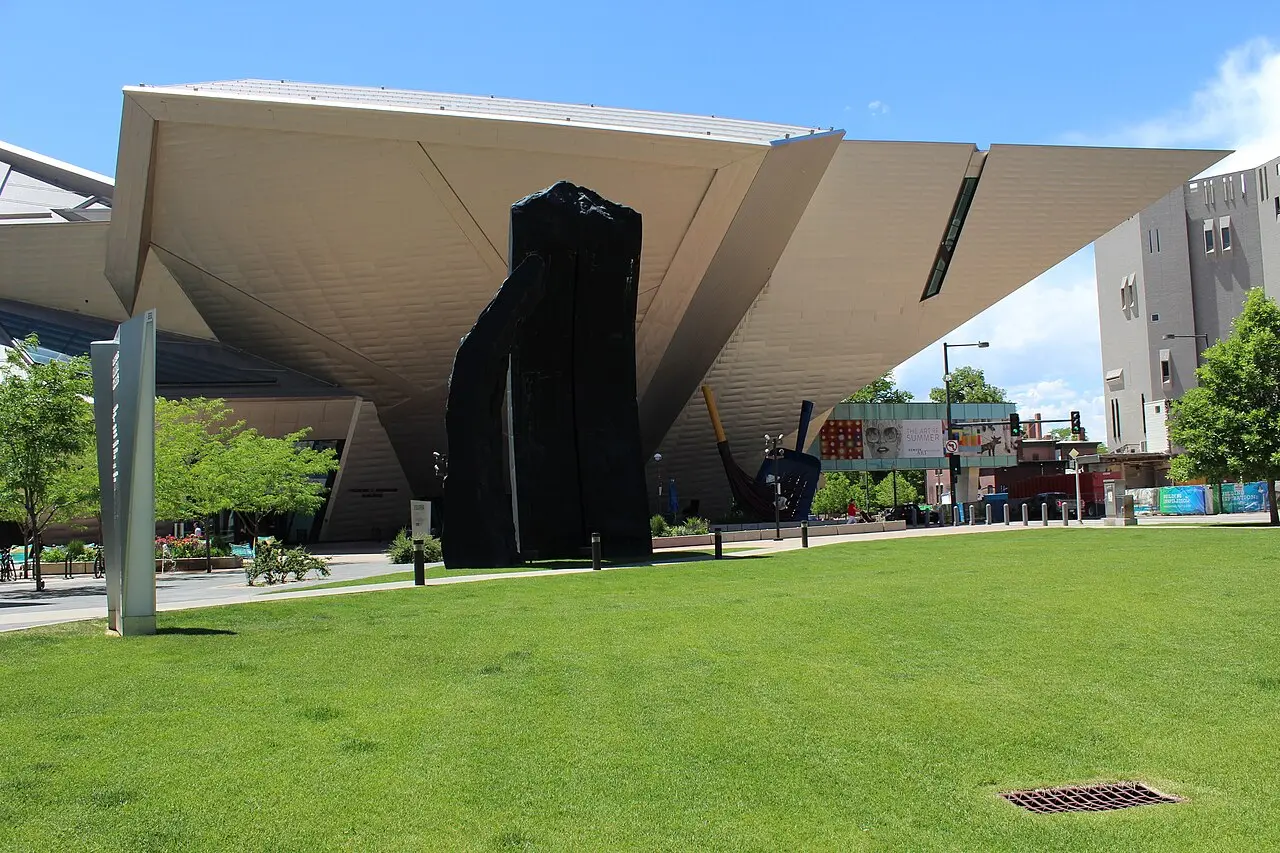
The Denver Art Museum is the architectural event as much as the collection: Daniel Libeskind’s angular Hamilton Building beside Gio Ponti’s tiled tower. What’s inside is less obvious from the street. The museum started collecting Indigenous art in 1925, when most institutions still filed it under anthropology, and now holds more than 18,000 works by artists from over 250 Indigenous nations. A non-resident adult pays $27, or $30 on Fridays, Saturdays, Sundays and holidays; Colorado residents pay $22 or $25. Anyone 18 and under is free. Two scheduling notes catch people out: it’s closed on Wednesdays, and Tuesday is the late night, open until 8 p.m.
Over in City Park, the Denver Museum of Nature & Science charges $25.95 for an adult and $20.95 for ages 3 to 18, with the planetarium and the Infinity Theater billed separately. Its terrace holds the view of the skyline against the Front Range that everyone photographs, and it’s the better call if you’ve got kids.
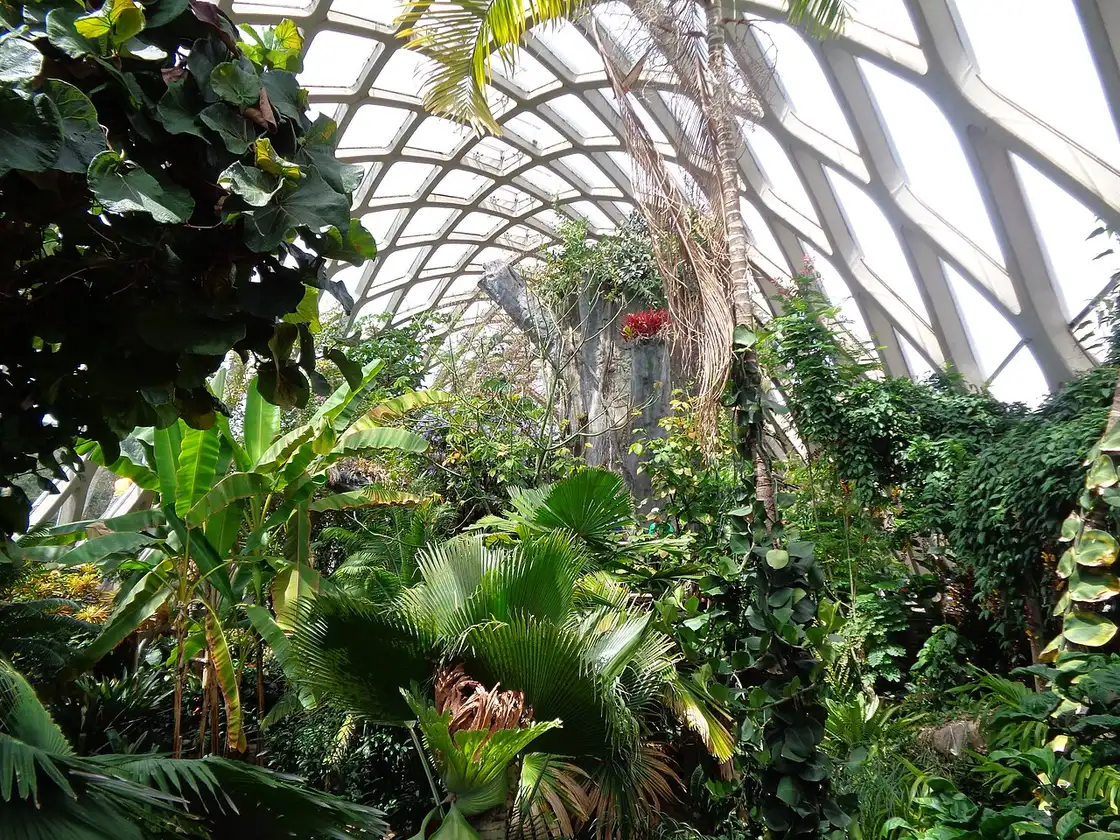
A third option earns its place on a bad-weather afternoon: the Denver Botanic Gardens on York Street, a short ride from downtown, with a conservatory that works when it’s raining. Admission changes with the season and the exhibit, so check the gardens’ own site rather than a listing.
RiNo, baseball and the strangest restaurant in America
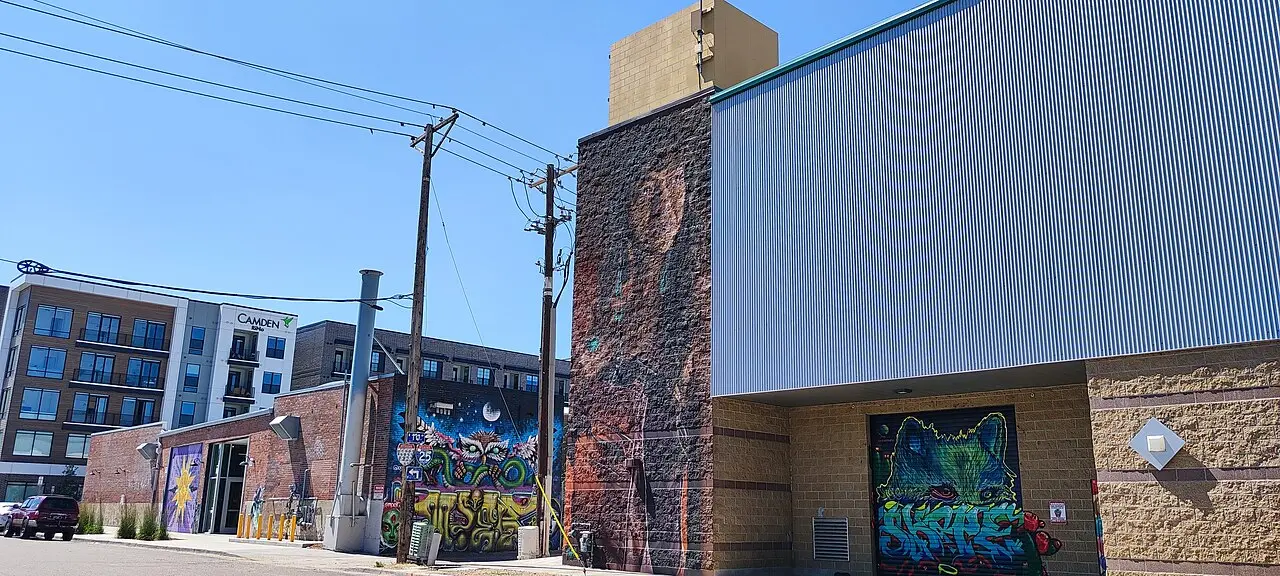
Late afternoon belongs to RiNo, the River North Art District: warehouses converted into breweries, galleries and taprooms, with painted walls in between. The murals turn over. This is working street art on private buildings, not a preserved collection, so treat whatever you photograph as one season’s version of the block.
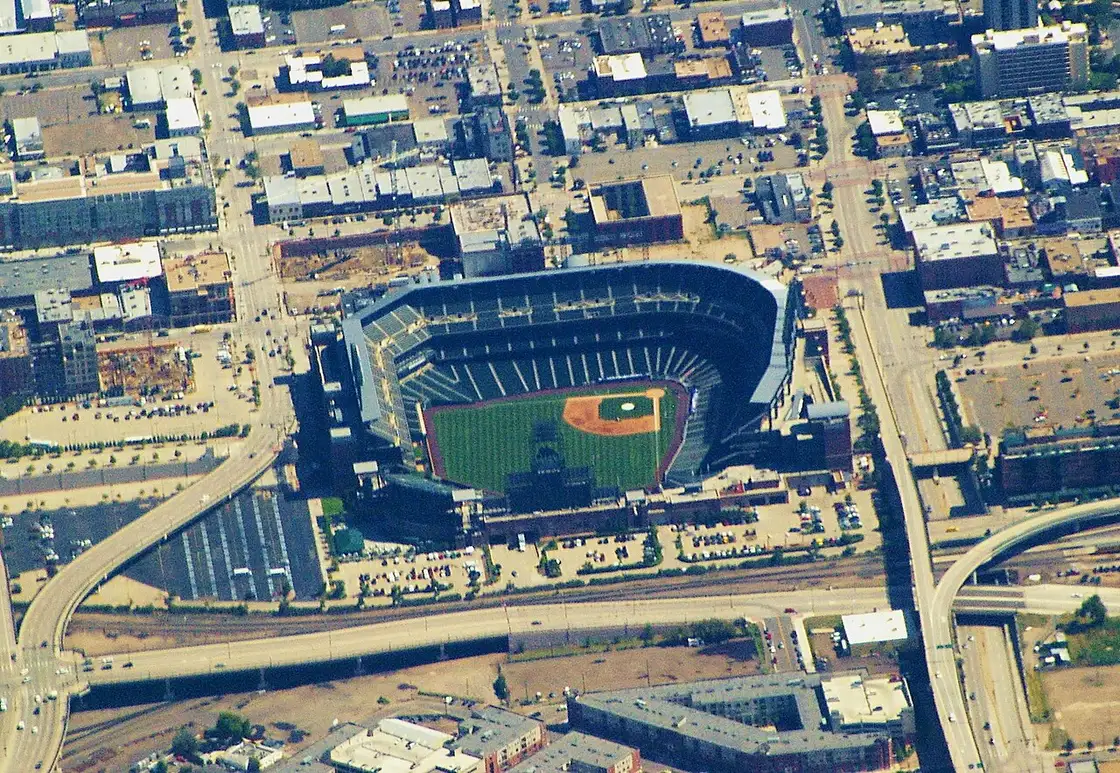
For an evening, Coors Field sits at the edge of LoDo, close enough that a game is a walk from dinner instead of a drive out to a suburb. Baseball at 5,280 feet has a long-standing reputation for balls carrying farther than they should, and the upper deck looks straight west at the mountains as the sun drops behind them.
Then there’s Casa Bonita in Lakewood. A pink cliff-diving Mexican restaurant is an odd thing to call a civic institution, but that’s what this is, and since the South Park creators bought and rebuilt it, it’s also one of the hardest tables in the state. Book on its own site: reservations only, no walk-ins, adult entrees $29.99 to $39.99, and canceling inside 24 hours costs $10 per person. Nobody goes for the food. That isn’t the point of it.
The day trips that justify the rental car
Start with Mount Blue Sky, which is the shortest distance between a Denver hotel and genuine alpine tundra: $20 per vehicle on timed entry through recreation.gov, plus a $2 fee. Three quarters of the slots release 30 days ahead and the rest only two days out, so a last-minute plan is possible. Two things to get right. Leave at dawn, because storms build over the summit through the afternoon. And give yourself a day in the city first - the road tops out around 14,000 feet, and arriving there straight off a long-haul flight is a reliable way to feel awful. Our Colorado guide puts it in context against the other 57 peaks that size.
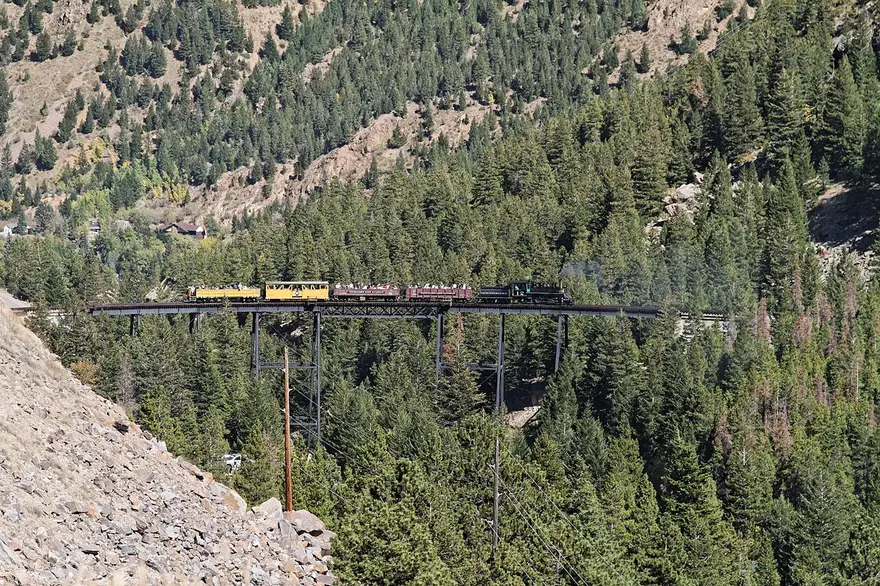
Two more sit along I-70 and suit different days. In Golden, where the foothills begin, the Coors Brewery Tour costs $22.50 for adults 21 and over and $17.50 for ages 3 to 20, plus a 10% service fee and tax; it runs Thursday to Monday, takes about an hour and a half, and dates open for booking 25 days ahead. That booking window is the only real trap in it. Further up the same highway at Georgetown, the narrow-gauge Georgetown Loop Railroad spirals over its own trestle to climb the valley, from around $35 depending on season - a bit over an hour for the ride alone, or roughly two and a half hours if you add the mine tour offered April through September. Take the brewery for a short morning near the city; take the railroad if you’ve kids along or you’re heading up into the mountains anyway.
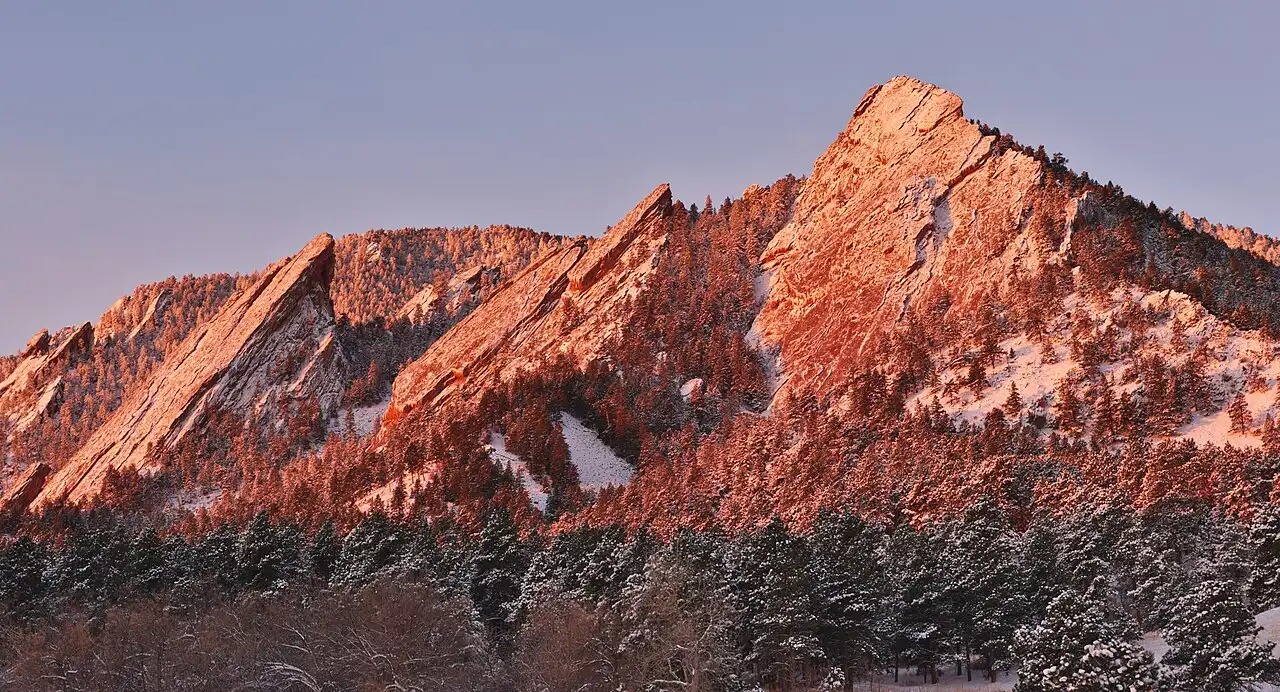
Cheapest of the lot is Boulder, reachable on a standard-fare RTD bus, where the Flatirons rise straight out of town and there are trailheads inside the city limits.
Winter adds a train few visitors expect. The Winter Park Express runs from Union Station to the base of the ski resort, and one-way adult fares started at $9 last season. Amtrak announces each winter’s dates in the fall.
What the weather actually does
Denver’s 300 days of sunshine is a slogan, not a statistic. It comes from counting any day the sun appeared for at least an hour; records-based counts put the city nearer 245 to 252 days with real sun. Still excellent. Still not Arizona.
What the numbers don’t capture is how fast it changes. A March snowstorm can drop a foot on the city and be gone by Thursday. July mornings are clear and July afternoons build thunderheads over the foothills by two. Spring is the wettest, snowiest and least predictable season here - a nasty surprise if you booked April expecting flowers.
If you get to choose, come in September: warm days, cool nights, aspens turning an hour west of the city, and the summer crowds gone from Red Rocks.
Where to go next
Pick the hotel first: where to stay in Denver is downtown, LoHi or near the airport, and the A Line is what separates those three.
Two full days covers downtown, one museum and Red Rocks; three lets you add Mount Blue Sky or Golden without rushing. After that the city starts repeating itself, and the mountains don’t.
So plan the exit while you’re still here. Everything else in Colorado sits within a morning’s drive, and Rocky Mountain National Park is the obvious next move - book its timed entry permit before you fly, because the good slots are gone by the time you’re standing in Estes Park. Do that on your last Denver evening, from a table in the Union Station Great Hall, and you’ll have spent the trip’s most useful twenty minutes in its best-looking room.
Costs here sit inside the bigger picture in our USA trip cost breakdown, and if the question is whether to drive on from Denver or fly, getting around the USA answers it region by region.
On the map
The map loads on click - to keep the page lightweight.
The map didn’t load. Check your connection and refresh the page.
Admission and opening hours
- Admission price
- RTD Airport Day Pass $10 covers the A Line from the airport plus the rest of the network that day; a Local 3-Hour Pass is $2.75 and a Local Day Pass $5.50, and youth 19 and under ride free. Red Rocks Park is free to visit. Denver Art Museum $27 or $30 for a non-resident adult; Denver Museum of Nature & Science $25.95.
Museum pricing is tiered by day and by Colorado residency, and the free 16th Street shuttle is under review in RTD budget planning. Check current fares and hours before you build a day around them.
Details checked: July 31, 2026
Read also

Cities · 13 min read
Salt Lake City: Ski Base, Temple Square and the Salt Flats
Verified · August 29, 2026Four ski resorts inside 36 miles of the airport, a temple you cannot enter until 2027, and a salt flat that closes for racing. What to plan around.

Cities · 9 min read
Atlanta: Civil Rights Trail, Aquarium and Southern Food
Verified · August 28, 2026Free MLK park on Auburn Avenue, Civil Rights Center from $26, Georgia Aquarium tickets from $54.99, BeltLine walks and where Southern food still holds up.

Cities · 9 min read
Minneapolis Guide: River, Lakes & the Blue Line
Verified · August 26, 2026A $2 train from MSP, Stone Arch and Minnehaha Falls, Walker on free Thursday nights, and when Mall of America is worth the ride south.

Cities · 12 min read
Savannah Travel Guide: Squares and the Historic District
Verified · August 22, 2026Walk the 22 squares, tour Owens-Thomas honestly, ride the free river ferry, then Bonaventure and Tybee - checked August 2026.