
eSIM and SIM Cards for the USA
How US cell coverage really works, which of the three carriers to pick for your route, and whether an eSIM, a prepaid SIM or roaming costs you least.
Buy a US eSIM before you fly, and choose it by where you’re going rather than by price. In cities all three American networks work fine and the cheapest plan wins. Once you leave them, coverage is the only thing that matters, and the carrier with the best deal in New York can be the one with no signal at all on a park road in Utah.
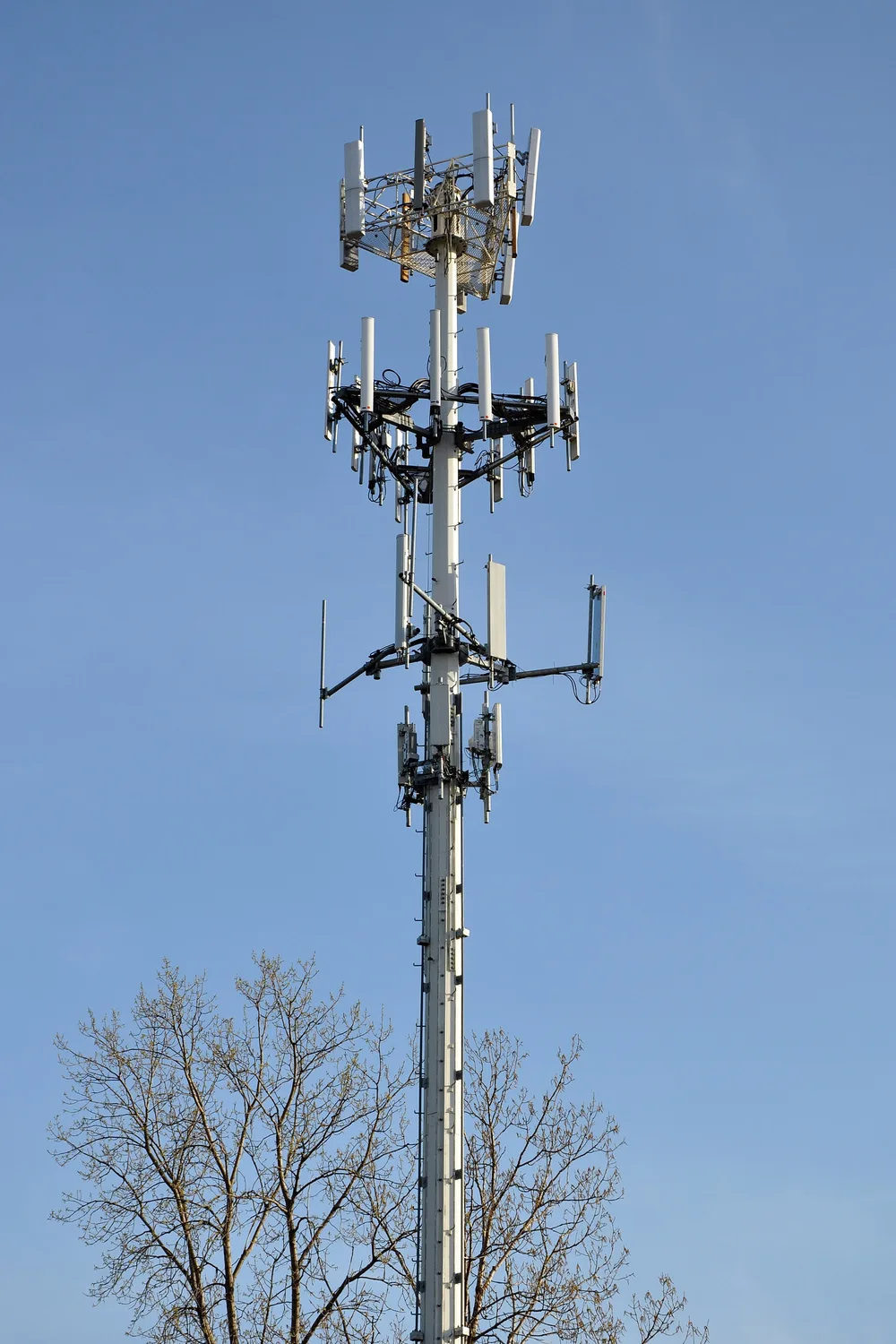
There are exactly three networks in the United States: Verizon, AT&T and T-Mobile. Every other brand you’ll see advertised, including the well-known budget ones, is a reseller riding on one of those three. So the real question isn’t which brand to buy, it’s whose towers you’ll be using, and that’s a detail the reseller often buries.
Coverage flips between city and country
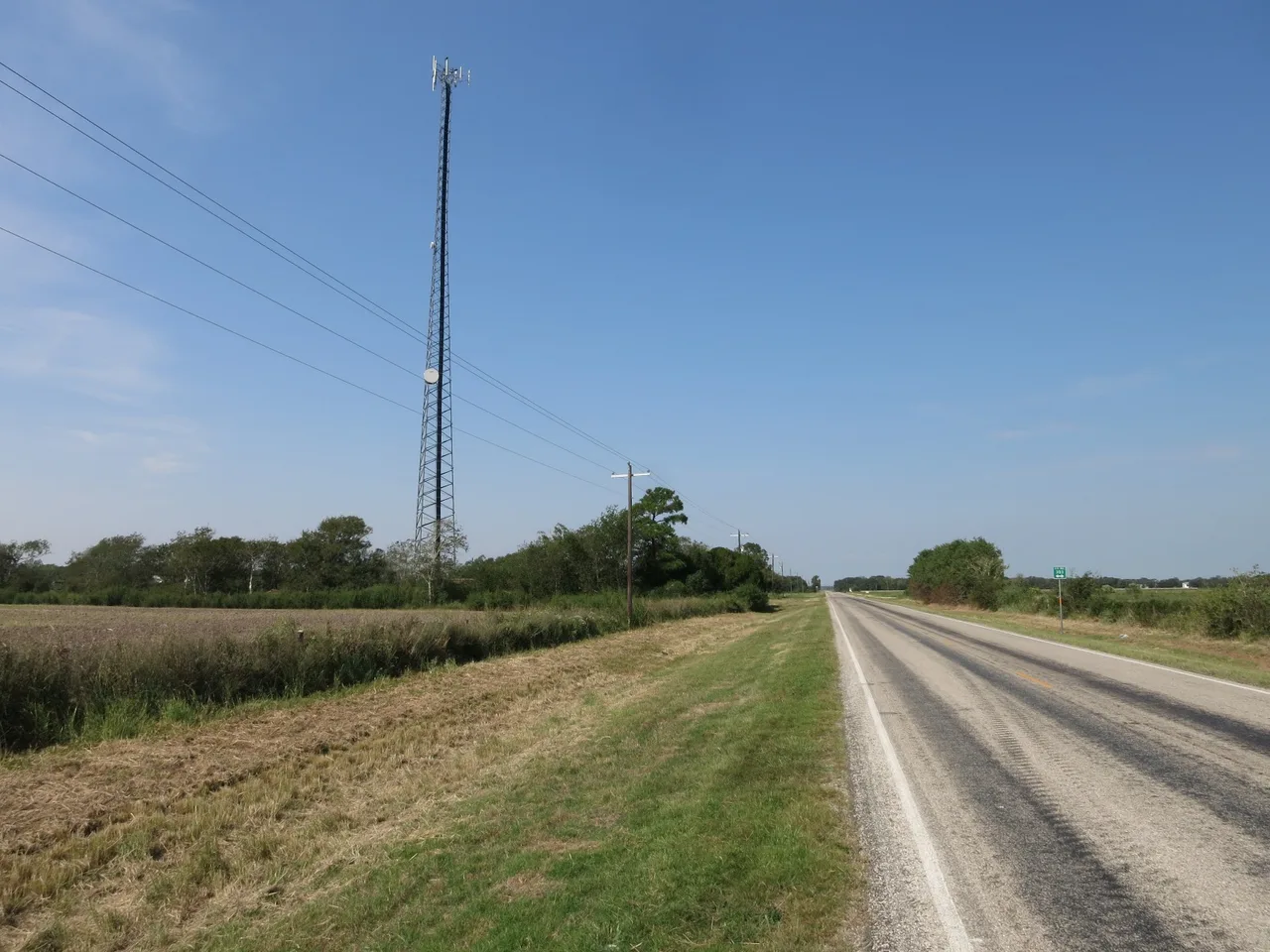
The carriers all advertise “99% of Americans,” which is true and useless, because Americans live in a small share of the country’s land area and you’re going to drive through the rest of it.
Look at land area instead and the picture inverts by technology. On the FCC’s published mobile coverage data, Verizon’s 4G LTE reaches roughly 60% of US land area, AT&T about 57% and T-Mobile about 45%. On 5G at the FCC’s lower speed threshold the order flips entirely: T-Mobile around 38%, AT&T around 32%, Verizon around 18%.
Read that as a practical rule. T-Mobile is the fastest network where people are, which covers most city trips. Verizon and AT&T reach further into empty country, which is what you want in the rural West, in the mountains and on the long interstate stretches between towns. If your trip is New York, Chicago and Miami, take the cheapest plan on any network. If it includes Yellowstone, Zion or hundreds of miles of Nevada, weight the decision toward Verizon or AT&T coverage.
Before you commit, put your actual route into the FCC’s National Broadband Map. It’s free, it’s carrier-neutral, and it takes two minutes.
Option one: a carrier prepaid eSIM aimed at visitors
T-Mobile now sells a product built for exactly this situation. Its Prepaid U.S. Pass eSIM, available since May 2026, runs from a 7-day pass at $25 to a 30-day pass at $50, with 10-day and 14-day options between them. Each includes unlimited talk and text in the US, Mexico and Canada, 50 GB of premium 5G data, and a hotspot allowance ranging from 14 GB on the shortest pass to 50 GB on the longest, after which hotspot keeps working at a slow 600 kbps. Taxes and fees come on top of the headline price.
Two advantages over a travel eSIM app. You get a US phone number, which matters more than you’d think: American restaurants text you when your table is ready, rideshare drivers call, and some websites refuse foreign numbers. And you’re on the carrier’s own network directly rather than through a reseller’s data-only agreement.
Option two: a travel eSIM from an app
Travel eSIM providers sell data-only packages that activate the moment you land. They’re convenient, they’re often cheaper for small data amounts, and they’re the right answer for a short city trip where you just need maps and messaging.
The trade-offs are real, though. Most are data only, so no US number and no regular calls. Many buy wholesale capacity that gets deprioritized when the network is busy, which you notice at an airport or a stadium and nowhere else. And the network they use is frequently not stated on the checkout page, so you can’t apply the coverage logic above. If you’re going anywhere remote, that’s a problem.
How much data do you actually need? Less than the plans imply. Navigation, messaging, email and a normal amount of browsing runs somewhere around 300-500 MB a day for most people. Streaming video and using the phone as a hotspot for a laptop are what move the number, and they move it fast. For a two-week city trip a 10 GB package is comfortable; if you’re working from the road or towing a laptop through motels with bad wifi, buy the hotspot allowance instead of hoping.
Option three: a physical prepaid SIM
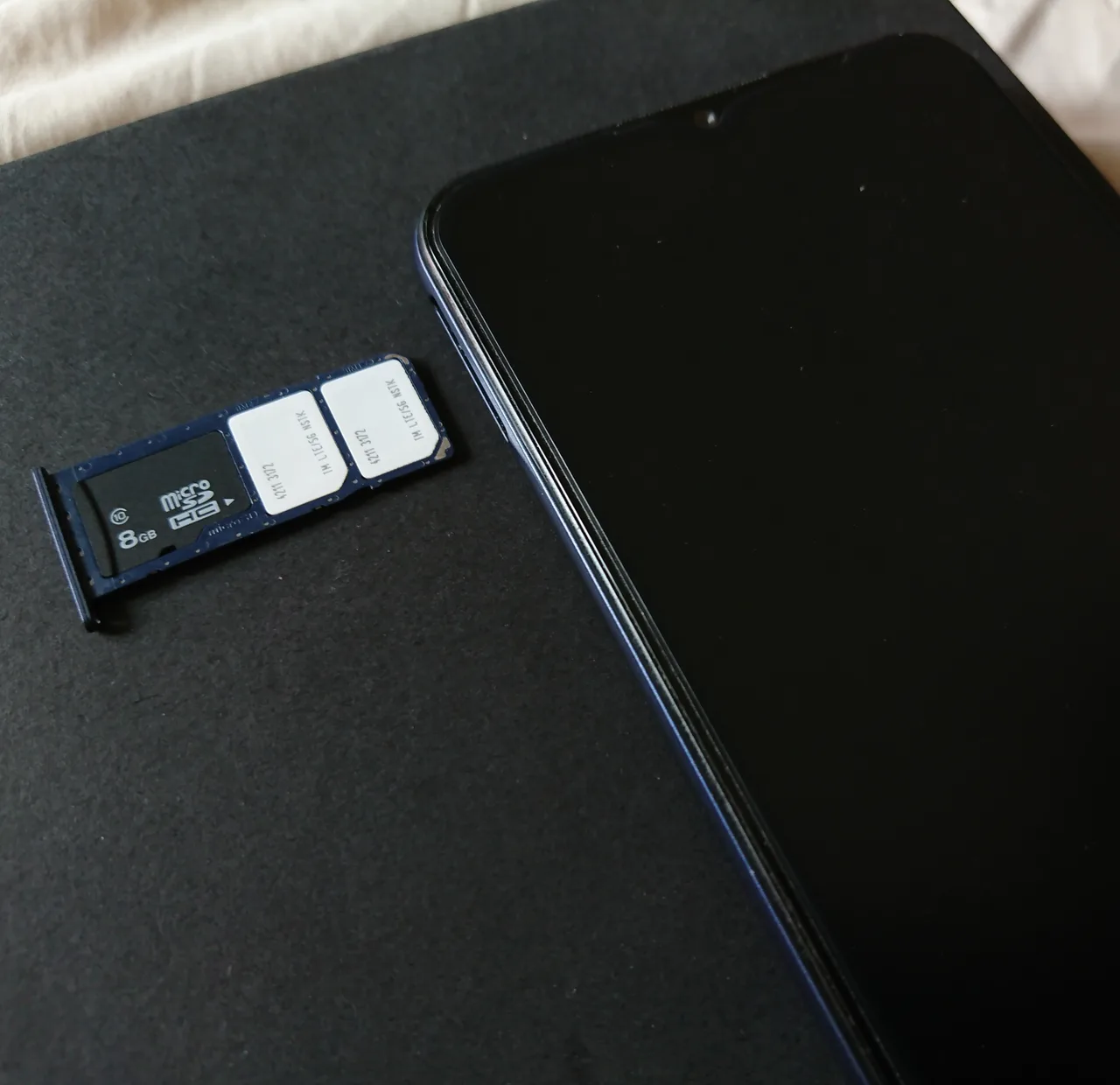
Still worth having as a fallback, especially if your phone is older or your carrier profile won’t accept a second eSIM.
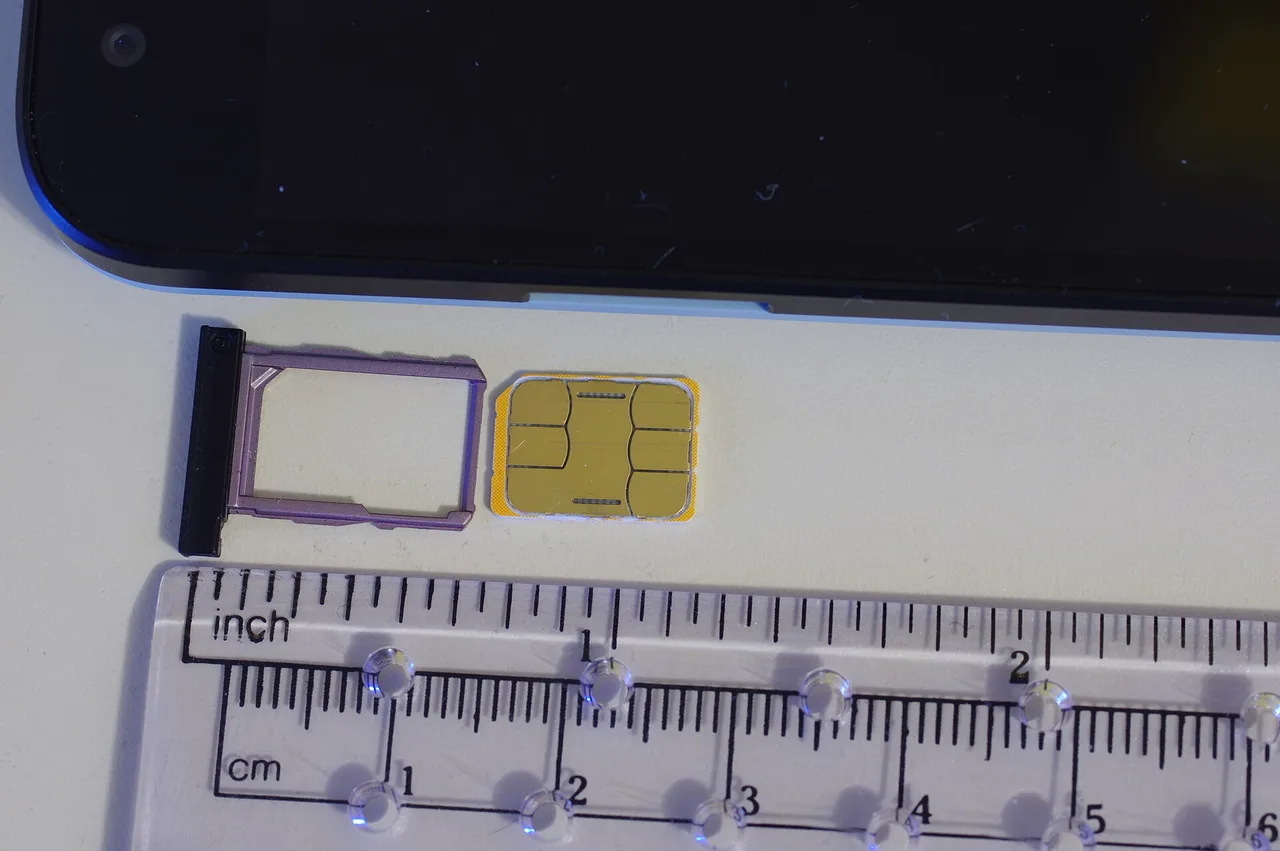
Buy it at a carrier store or a big-box retailer in town, not at an airport kiosk, where the same plan carries a heavy convenience markup. Bring your passport. Activation sometimes wants a US address, and a hotel address is normally accepted.
Option four: roaming with your home carrier
The lazy option, and occasionally the right one. Most European and Australian carriers sell a daily international pass that mirrors your home allowance abroad. Check the exact price on your own carrier’s site, then do the multiplication: at a typical daily rate, a two-week trip costs noticeably more than a 30-day US prepaid plan that also gives you a local number.
Roaming makes sense for trips of three or four days, where the setup effort outweighs the saving, and for anyone who cannot risk a number change. For anything longer, it’s the most expensive way to stay connected in America.
What your phone needs
Two conditions, and you should confirm both before you leave home rather than in an airport arrivals hall.
eSIM support. Most phones released since about 2019 have it, and US-market iPhones from the 14 onward have no physical SIM slot at all. Check your settings for “Add eSIM” or “Add cellular plan.”
Carrier unlock. A phone bought on a contract may be locked to your home carrier, and a locked phone will refuse any other network’s profile. Ask your carrier to unlock it, which is usually free once the contract is paid off, and allow a few days.
Keep your home SIM active alongside the US one. Bank verification codes and two-factor messages go to your home number, and losing access to those in a foreign country is a much bigger problem than a data bill.
Setting it up without stress
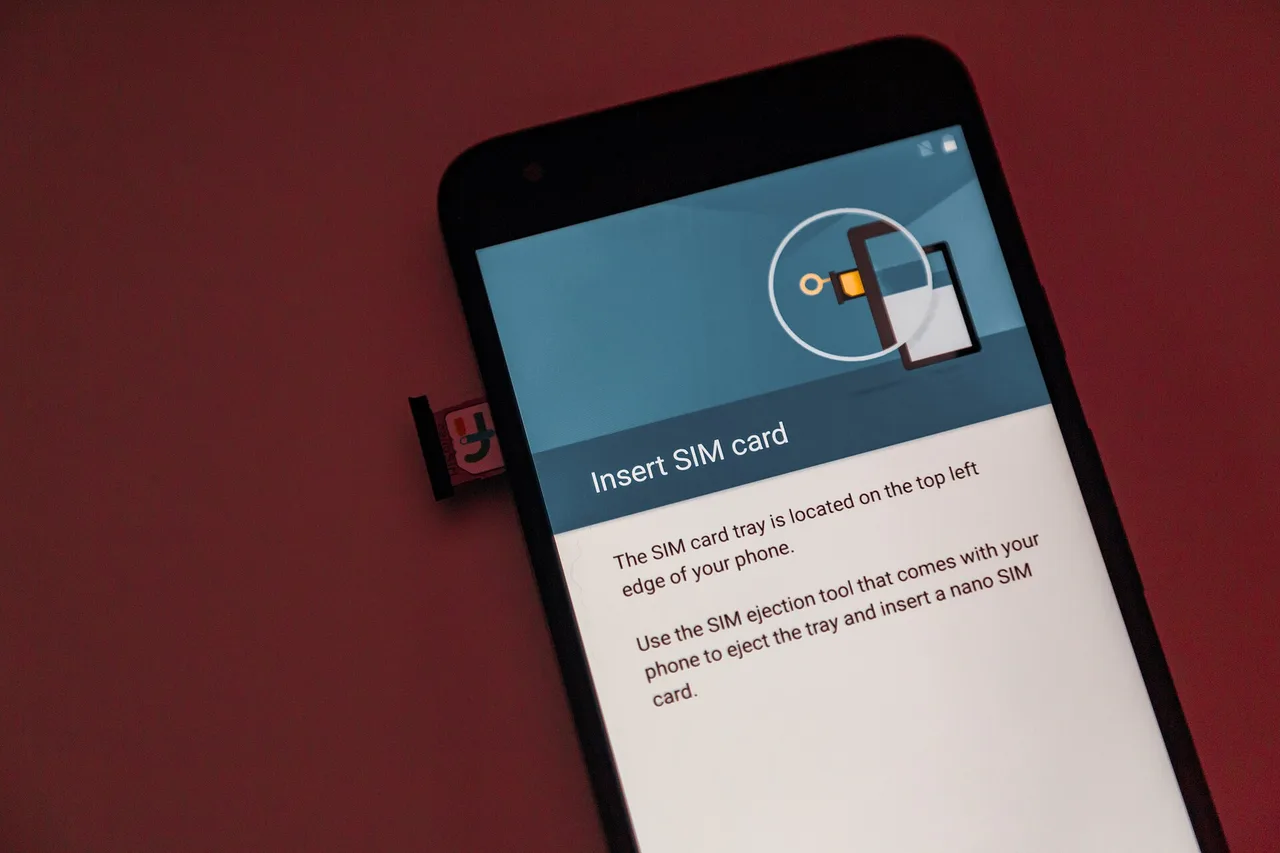
Install the eSIM profile while you’re still on home wifi, a day or two before you fly, and leave it switched off until you land. Scanning a QR code needs an internet connection, and airport wifi is the worst place to discover that. Then set your home line to data off and the US line as your data line, and turn on wifi calling for the home number so it still receives calls over hotel wifi at no cost.
One last thing, and it matters more in America than almost anywhere. Download offline maps for every region you’ll drive through. There are large gaps in canyon country, on park roads and across the mountain West where none of the three networks reach, and navigation that depends on a live connection will simply stop. Our guide to renting a car in the USA covers the rest of what to sort before you take the keys, and flights, Amtrak or a car will tell you how much of the trip you’re spending outside cell range in the first place.
While you’re working through the pre-departure list, the other item worth handling early is medical cover, since it’s the one that gets expensive if you leave it: sort travel medical cover before you fly and read what the policy includes.
Read also
- Before any of it, entry admin: ESTA and US visas
- The rest of the pre-trip admin: 2-week USA itinerary
- If your route runs the Northeast: East Coast USA in 7 days
- Why cover matters here: travel insurance for a USA trip
- More trip planning guides and transport guides
Admission and opening hours
- Admission price
- T-Mobile Prepaid U.S. Pass eSIM, aimed specifically at international visitors, runs from a 7-day pass at $25 to a 30-day pass at $50, with 10-day and 14-day options in between; each includes unlimited talk and text in the US, Mexico and Canada, 50 GB of premium 5G data and between 14 GB and 50 GB of hotspot data. Taxes and fees are extra. Check current prices before you buy.
Carrier pricing changes frequently and promotional plans appear and disappear. Treat every figure here as a starting point and confirm on the carrier page on the day you buy.
Details checked: July 24, 2026
Read also

Before you go · 9 min read
New England Fall Foliage: When and Where to Go
Verified · August 27, 2026Yankee's 2026 forecast, peak windows by state and how to chase color from Vermont's Northeast Kingdom to the NH coast without betting on one weekend.

Before you go · 9 min read
Which Hawaiian Island: Oahu, Maui, Kauai or Big Island
Verified · August 24, 2026Pick one Hawaiian island for a week: Oahu for city and surf, Maui for beaches and Haleakala, Kauai for scenery, Big Island for volcanoes.

Before you go · 11 min read
Where to Stay in Phoenix: Downtown, Scottsdale or Tempe
Verified · August 18, 2026Free Sky Train, then $2 light rail into downtown. Scottsdale is the resort city; Tempe is ASU next door. Phoenix hotel tax is 13.07%.

Before you go · 11 min read
Global Entry and TSA PreCheck for Visitors
Verified · August 15, 2026Global Entry is $120 for five years and closed to most EU passports. TSA PreCheck is $85 or less, and only US citizens and LPRs can buy it.