
Things to Do in New Orleans
Where to hear real music, how Creole and Cajun differ on the menu, the cemetery rules, streetcar fares, swamp trips and when Mardi Gras falls.
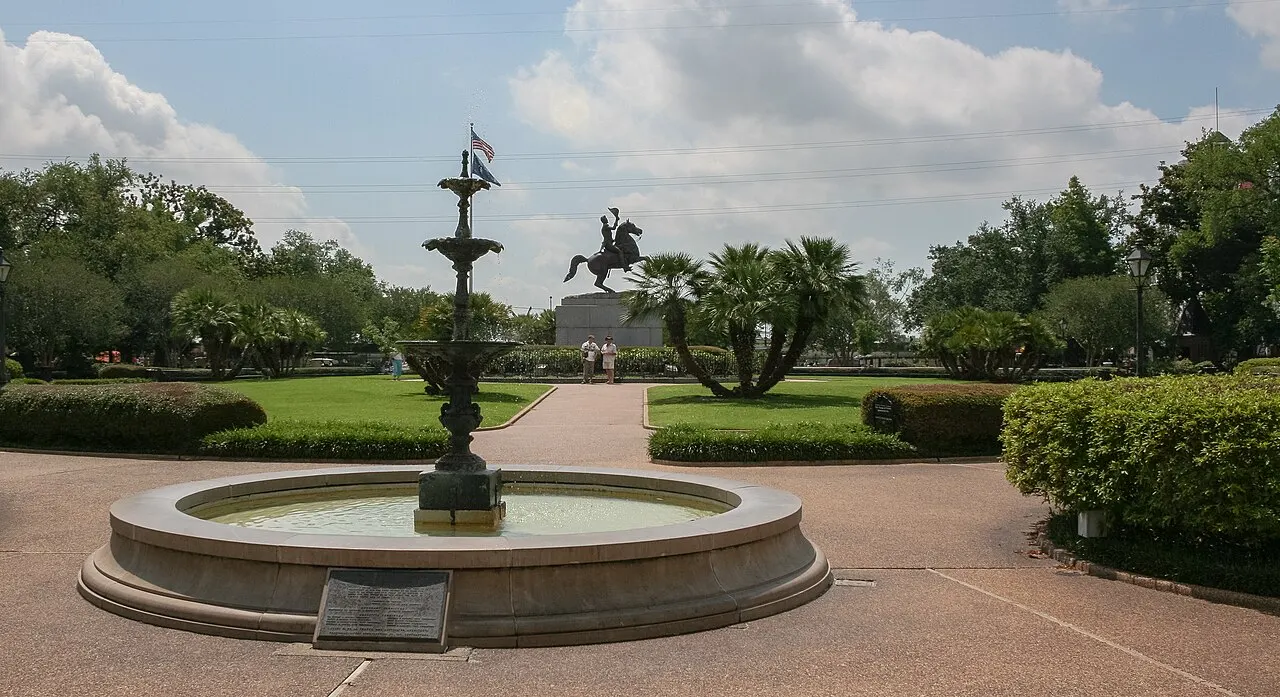
Three full days is the right length for New Orleans, and the French Quarter is the right base even though the best nights happen a few blocks outside it. The city is small, flat and walkable, one streetcar line handles most of what is beyond walking distance, and the food is the reason to come as much as the music. Book a hotel in the Quarter or the neighboring Marigny, and plan on being out late.
Orientation here works differently from other American cities, and almost every first-time visitor gets turned around. New Orleans sits inside a bend of the Mississippi, so compass points are useless: locals navigate by lakeside and riverside, uptown (upriver) and downtown (downriver). The famous “east bank” of the river is, in places, west of the west bank. Once you switch to the local vocabulary, the map makes sense and directions from a bartender stop sounding like a riddle.
The French Quarter, and how to use it
The Quarter is thirteen blocks by six, and you can walk its length in twenty minutes. Jackson Square with St. Louis Cathedral behind it’s the postcard and worth an early morning before the tour groups land. Royal Street, one block off Bourbon, is where the Quarter is at its loveliest: antique dealers, galleries, cast-iron balconies dripping with ferns, and street musicians who are frequently very good.
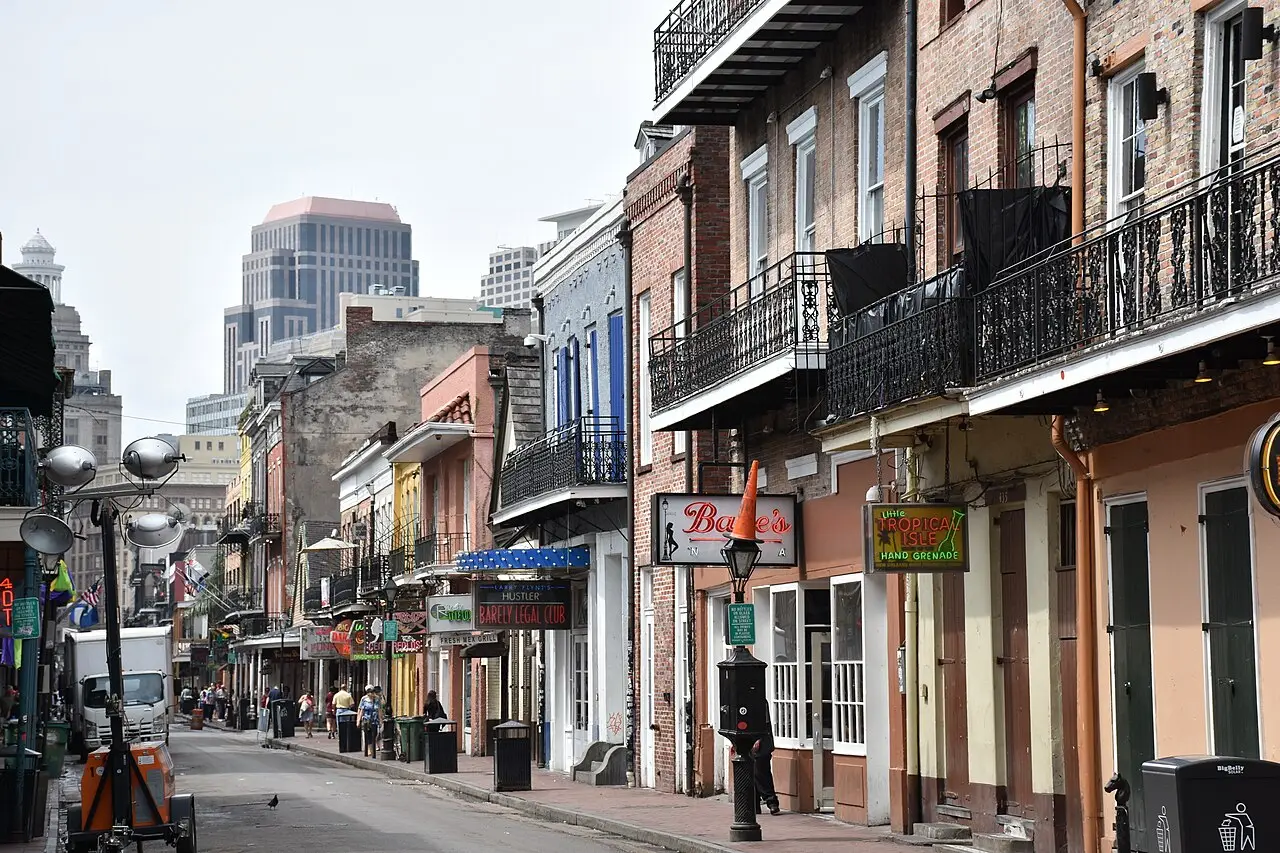
Bourbon Street deserves an honest verdict. It’s loud, sticky, largely aimed at bachelor parties, and the drinks are bad. Walk it once, ideally before dark, take the photograph, and go elsewhere for the evening. Nobody who lives here spends a Saturday night on Bourbon, and after 10 p.m. it stops being charming fast. That noise matters for where you book, too - where to stay in New Orleans weighs a room inside the Quarter against Marigny, the Warehouse District and Uptown for exactly this reason.
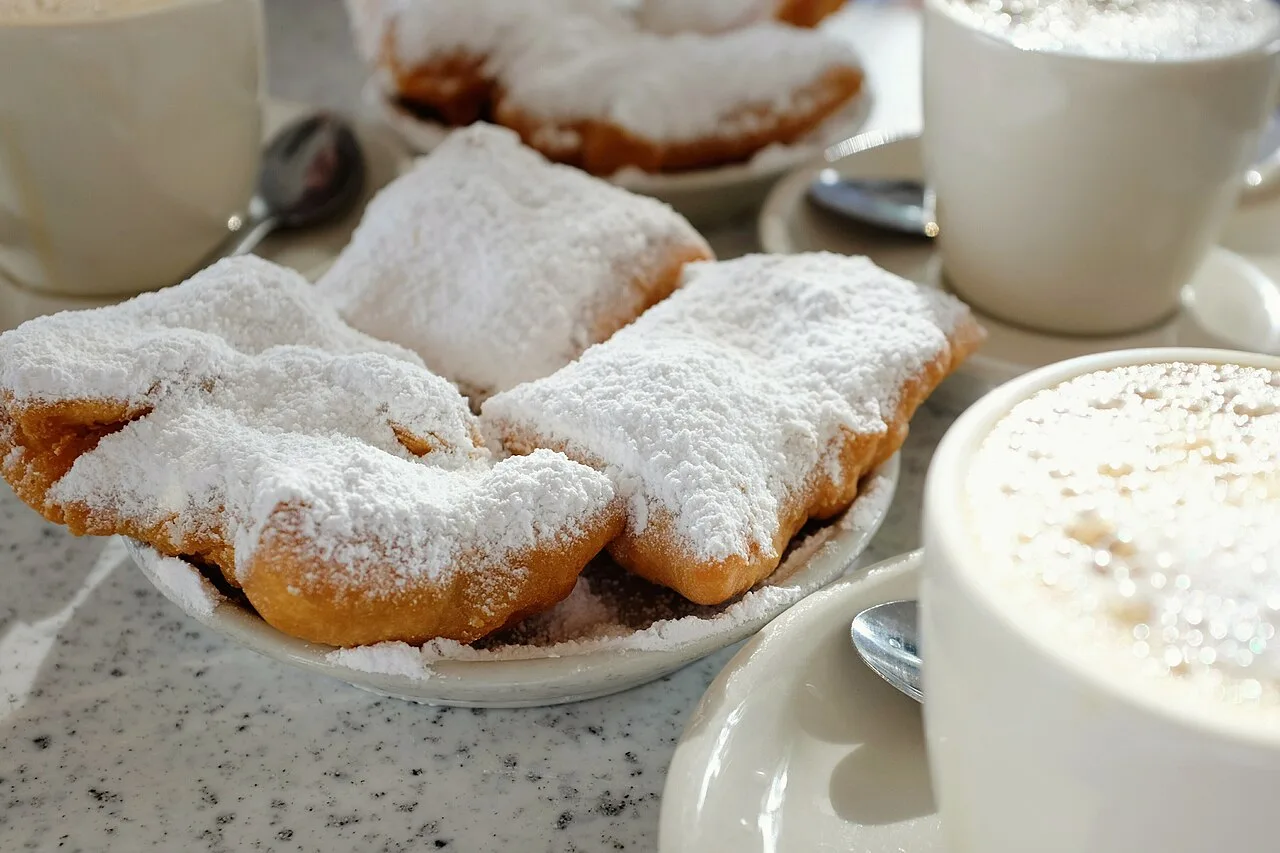
Cafe du Monde at the French Market is the other unavoidable tourist ritual, and this one earns its reputation. Beignets and chicory cafe au lait, cash-friendly, open around the clock, and busiest between 9 and 11 in the morning. Go at 7 a.m. or at midnight and you won’t wait.
Music: go to Frenchmen Street, not Bourbon
The single most useful thing anyone can tell you about New Orleans is that the live music moved. Frenchmen Street in the Faubourg Marigny, a ten-minute walk downriver from Jackson Square, packs about a dozen rooms into three blocks: the Spotted Cat and d.b.a. for trad jazz and swing, Blue Nile for funk and brass, Snug Harbor for serious modern jazz with a cover charge and a seated room. Most of the smaller rooms charge nothing at the door and pass a tip bucket instead, which means you can walk the street, listen for two minutes and move on.
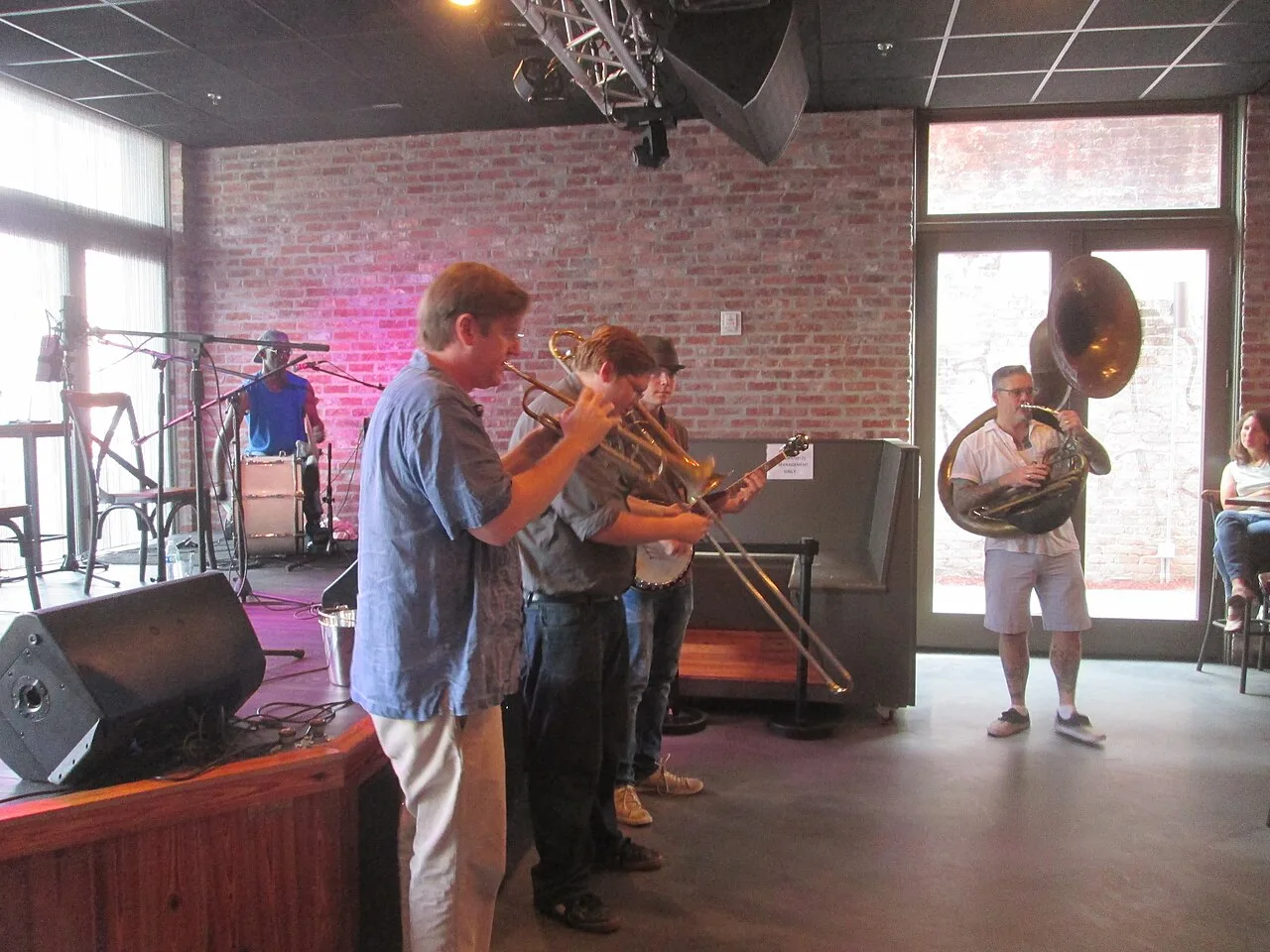
Preservation Hall, back in the Quarter at 726 St Peter, is the other pillar and works nothing like a normal venue. A ticket buys one 45-minute set, you buy it in advance online because there are no door sales and no refunds, there are no public restrooms, and it’s all ages. Treat it as a concert rather than a bar: forty-five minutes of traditional New Orleans jazz played about eight feet from your face, then out.
If you can only pick one night, make it Frenchmen. If you can pick two, do a 6 p.m. Preservation Hall set and walk to Frenchmen afterwards - the two are fifteen minutes apart on foot.
Creole or Cajun, and why it changes the menu
These aren’t the same cuisine, and the distinction isn’t snobbery. Creole is city food, developed in New Orleans out of French, Spanish, West African and Caribbean cooking, with more ingredients, more butter and more sauce. Cajun is country food from the Acadian parishes to the west: one-pot, heavily seasoned, born of making a lot out of a little. Both use the “holy trinity” of onion, celery and green bell pepper.
Two things tell them apart at the table. Creole jambalaya has tomatoes in it and Cajun jambalaya doesn’t, which is why one is red and the other is brown. And a Creole roux starts with butter, while a Cajun roux starts with oil and gets cooked much darker.
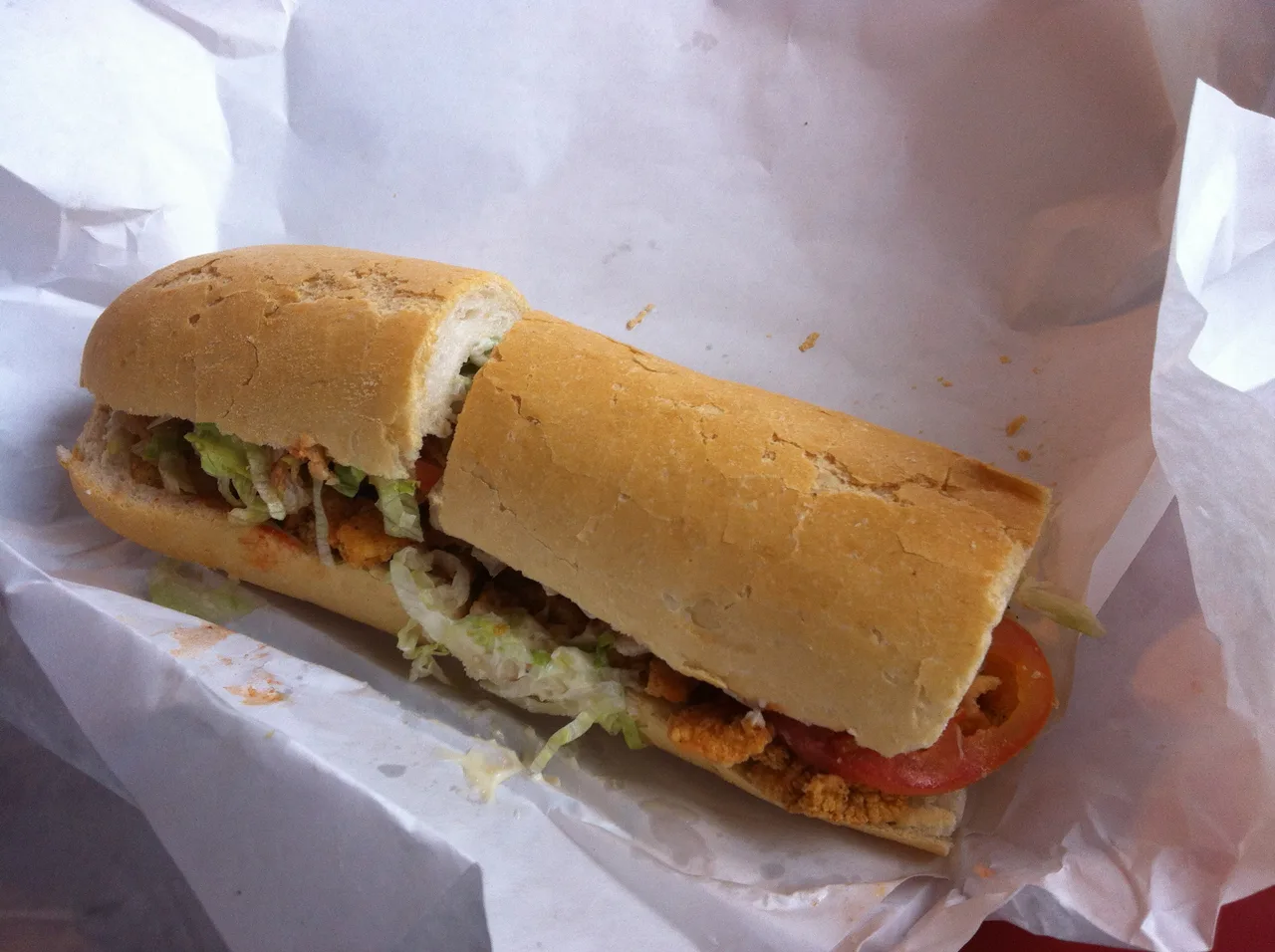
What to eat, in rough order of importance: gumbo, a po-boy (say “dressed” and you get lettuce, tomato, pickle and mayo), char-grilled oysters, red beans and rice - traditionally a Monday dish, because Monday was wash day and the pot could sit unattended - and a muffuletta, the sesame-seed loaf of cured meats and olive salad that comes from the city’s Sicilian community. One muffuletta feeds two people comfortably.
Cemeteries: guided visits only
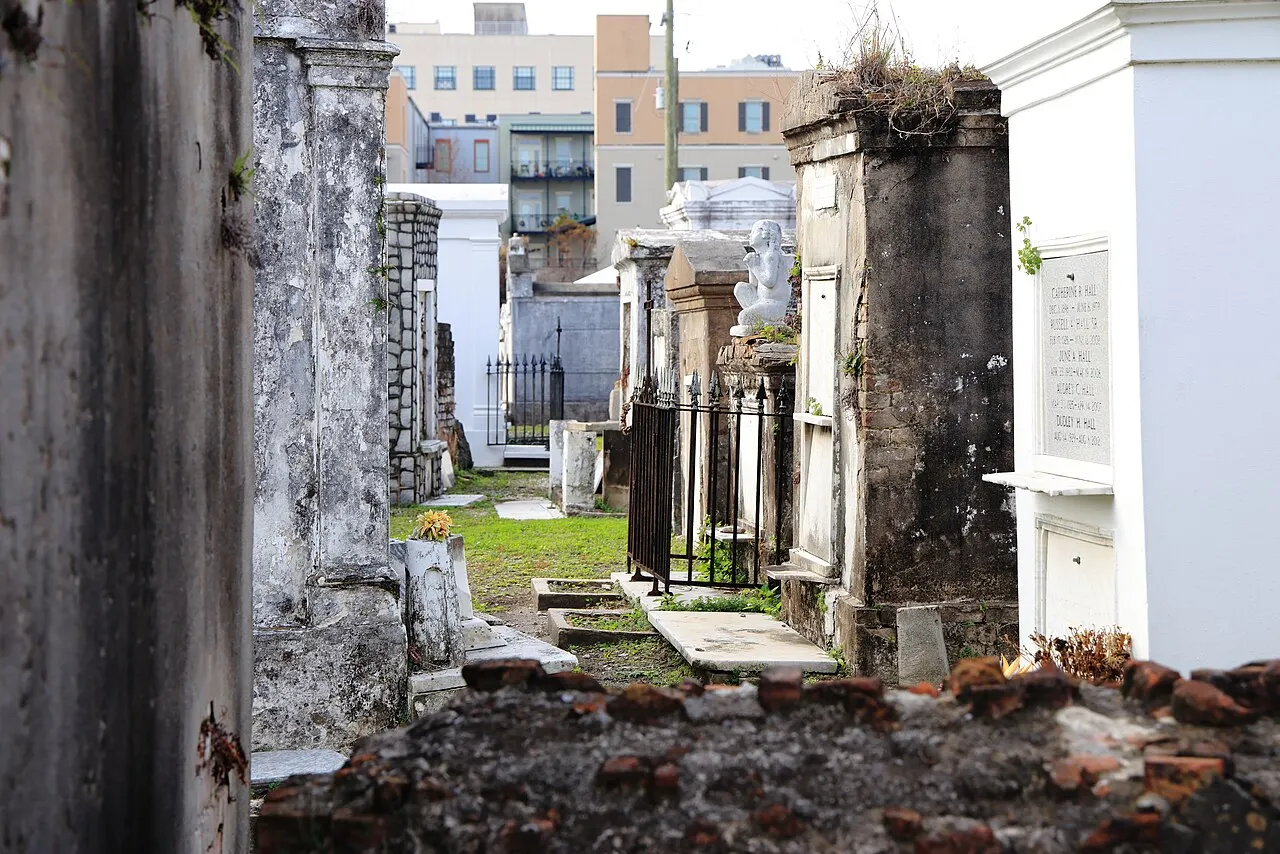
The above-ground tombs exist because the water table is high and burials wouldn’t stay buried. St. Louis Cemetery No. 1, the oldest and the one with Marie Laveau’s tomb, is no longer open to unaccompanied visitors: after years of vandalism, the Archdiocese of New Orleans restricted access to groups with a licensed guide, and the tour price includes the archdiocese fee. Turning up alone at the gate doesn’t work, and access rules at the other Catholic cemeteries have changed more than once, so check before you build an afternoon around one.
Uptown, the Garden District and the streetcar
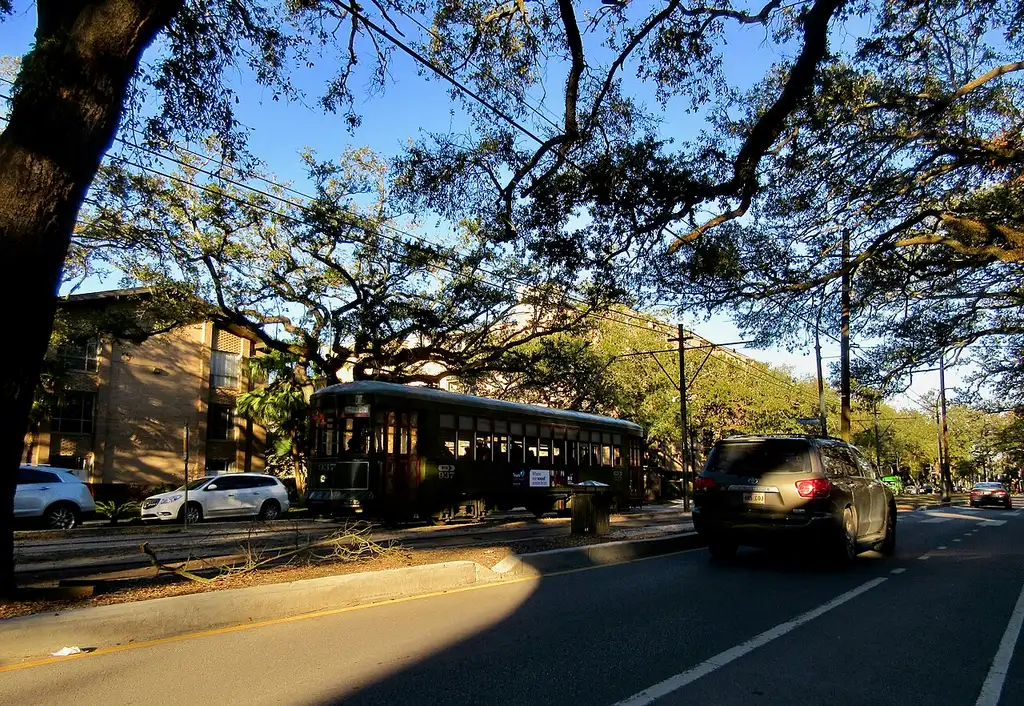
The St. Charles streetcar is both transport and a sightseeing trip, running from the edge of the Quarter up through the Garden District and on toward Audubon Park under a tunnel of live oaks. A single ride costs $1.25 and a 1-Day Jazzy Pass is $3, which pays for itself in three rides; three days cost $8 and a week $15. Buy the pass rather than fumbling for coins.
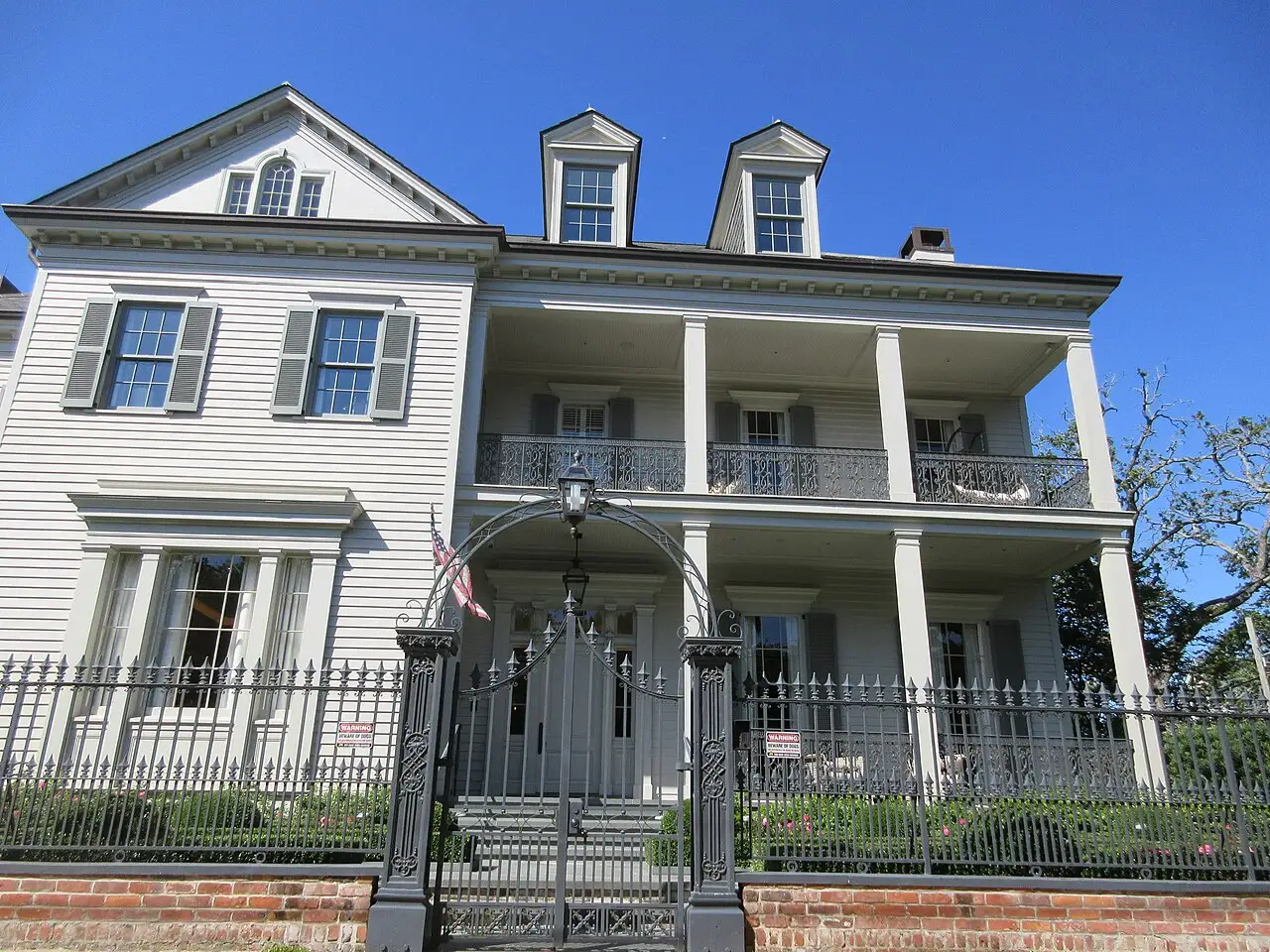
Get off around Washington Avenue for the Garden District, where the 19th-century cotton money built the mansions that the Quarter’s Creole families looked down on. It’s a walking neighborhood of a dozen blocks, best done in the morning before the heat, and Magazine Street a few blocks riverside is the best shopping and casual eating strip in the city.
The one museum to make time for
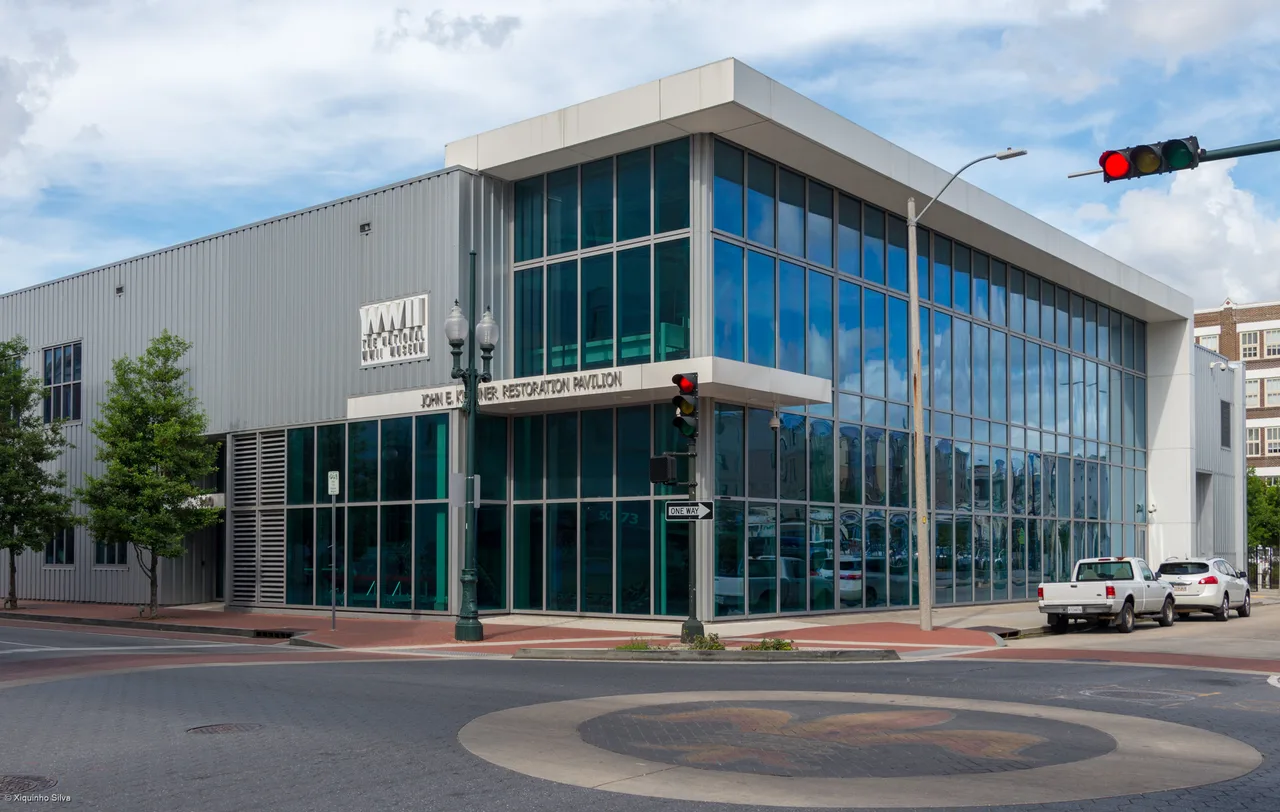
The National WWII Museum in the Warehouse District regularly gets called the best museum in the country, and it deserves a half-day: multiple pavilions, an immersive film in its own theater, and a Higgins boat, the New Orleans-built landing craft that put troops on the beaches. Buy the general admission first and add the film only if you’ve got the hours; prices and add-ons change, so check the museum site before you go.
Swamps, and a closure to plan around
The wetlands start half an hour outside town, and the cheapest way in is Jean Lafitte National Historical Park’s Barataria Preserve: 26,000 acres of bayou, swamp and marsh, free to enter, with boardwalks through cypress that put you at eye level with alligators. One important caveat as of 2026: the visitor center and most trails closed on 2 February 2026 for around two years of Hurricane Ida repairs. The Twin Canals parking lot, trail and canoe launch stay open for day use, and the Wetland Trace Boardwalk six miles away is the fallback. Commercial swamp tours, which run from Marrero and from the Slidell side of Lake Pontchartrain, are unaffected and are the better option if you want a boat. Ready to see more of the state, our Louisiana travel guide covers Cajun Country, plantation country and the rest of it beyond the city.

When to come: Carnival, Jazz Fest and the summer
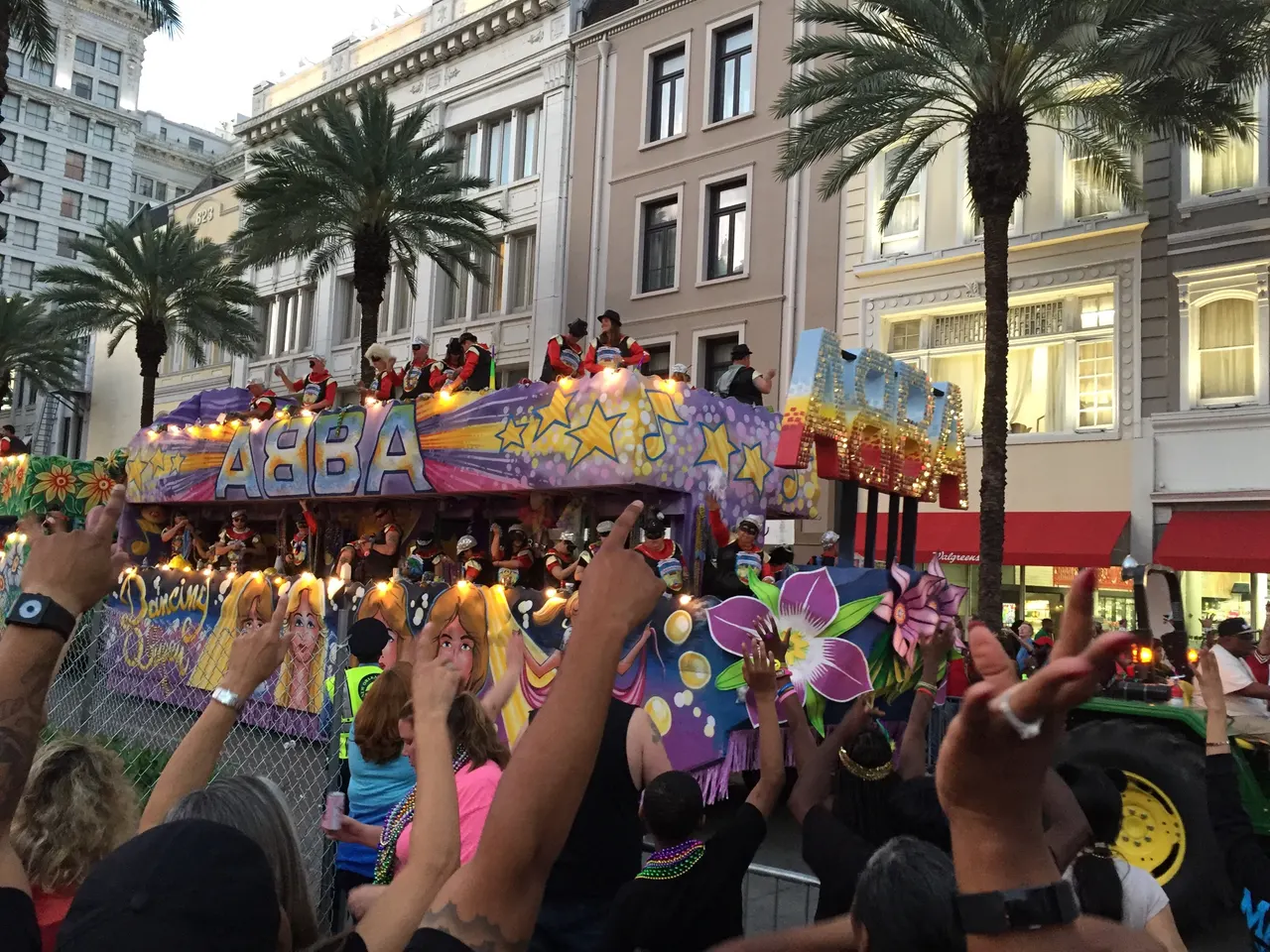
Mardi Gras moves with Easter. Fat Tuesday is always 47 days before it, which puts it anywhere between 3 February and 9 March; in 2027 it falls on 9 February and in 2028 on 29 February. Carnival season opens on Twelfth Night, 6 January, and the parades build over the final two weeks. If you want the parades without the crush, watch an Uptown route along St. Charles rather than the Quarter, where there aren’t any floats at all.
Jazz Fest is the other date that fills hotels: in 2027 it runs 22-25 April and 29 April to 2 May at the Fair Grounds. April is arguably the best month in New Orleans anyway, with French Quarter Fest free in the streets and the weather still bearable. Summer is the opposite: brutal heat and humidity from June through September, hurricane season officially open from 1 June to 30 November, and hotel rates at their lowest of the year for exactly those reasons. October through early December is the quiet, warm, underrated window.
Give the city three nights, walk everywhere, take the streetcar once for the ride rather than the destination, and spend your evenings past Esplanade Avenue. If you’re stringing together a southern road trip, Texas is nine hours west on I-10 - see the Texas travel guide - and Georgia is a comfortable day’s drive east.
Read also
- Quarter, Marigny or Uptown: where to stay in New Orleans
- West along the Gulf: Texas travel guide
- East across the South: Georgia travel guide
- The other American music city: things to do in Austin
- Browse more US cities and US states
On the map
The map loads on click - to keep the page lightweight.
The map didn’t load. Check your connection and refresh the page.
Good to know
Fares, festival dates and museum admissions in this guide were checked on the dates listed in sources. Parade schedules and cemetery access change - confirm with the operator before you travel.
Details checked: July 24, 2026
Read also

Cities · 13 min read
Salt Lake City: Ski Base, Temple Square and the Salt Flats
Verified · August 29, 2026Four ski resorts inside 36 miles of the airport, a temple you cannot enter until 2027, and a salt flat that closes for racing. What to plan around.

Cities · 9 min read
Atlanta: Civil Rights Trail, Aquarium and Southern Food
Verified · August 28, 2026Free MLK park on Auburn Avenue, Civil Rights Center from $26, Georgia Aquarium tickets from $54.99, BeltLine walks and where Southern food still holds up.

Cities · 9 min read
Minneapolis Guide: River, Lakes & the Blue Line
Verified · August 26, 2026A $2 train from MSP, Stone Arch and Minnehaha Falls, Walker on free Thursday nights, and when Mall of America is worth the ride south.

Cities · 12 min read
Savannah Travel Guide: Squares and the Historic District
Verified · August 22, 2026Walk the 22 squares, tour Owens-Thomas honestly, ride the free river ferry, then Bonaventure and Tybee - checked August 2026.