
Where to Stay in New Orleans: French Quarter & Beyond
French Quarter, Marigny, the Warehouse District or Uptown - New Orleans neighborhoods compared for noise, price, the stacked hotel taxes and transit.
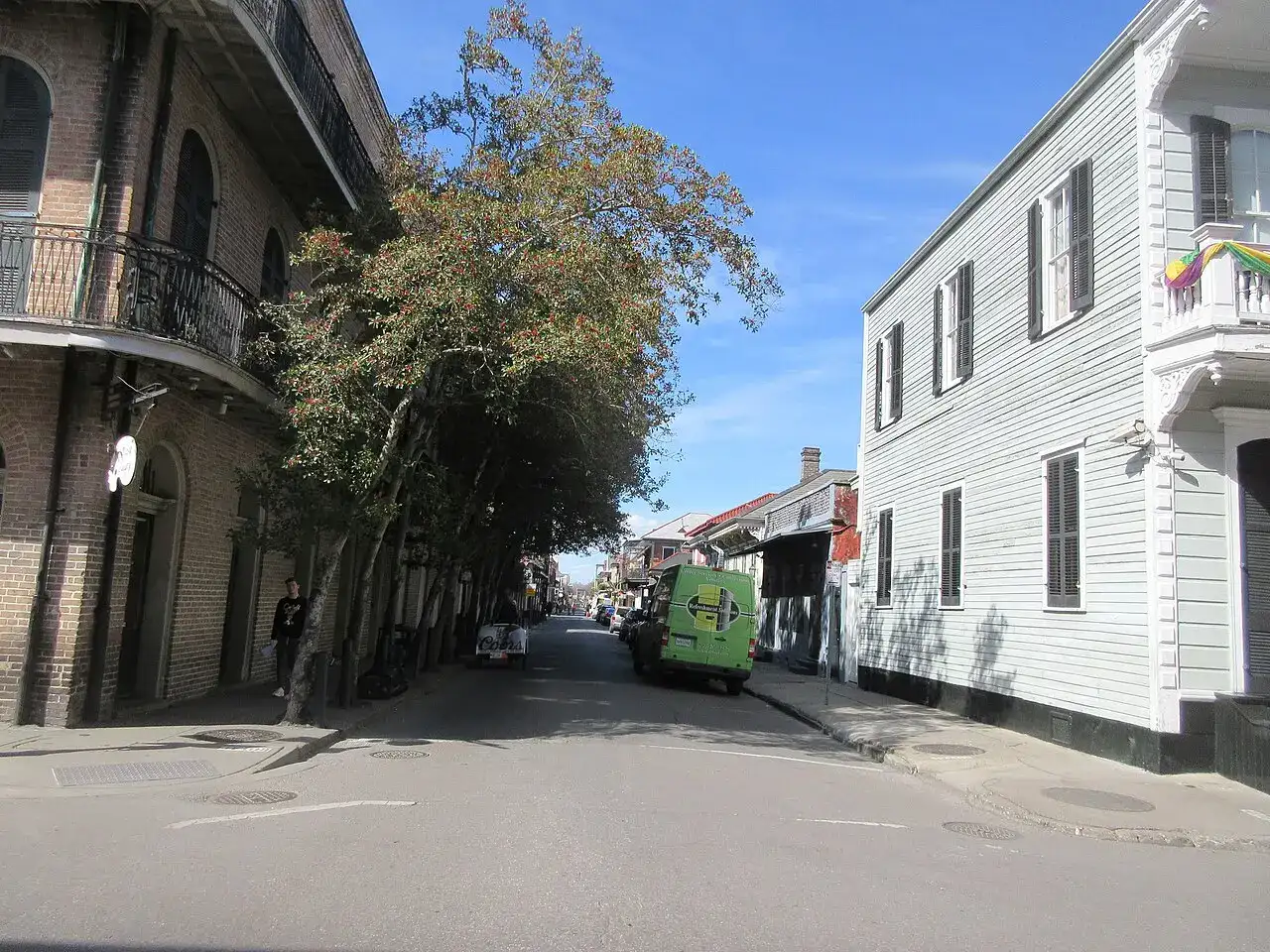
New Orleans breaks into five bookable neighborhoods, and they’re not interchangeable. Book inside the French Quarter if you want to walk to everything and don’t mind noise outside your window until 3 a.m. Book in Faubourg Marigny or Bywater for the same walk to dinner, minus the noise. Book the Warehouse District if you’re here for a convention or a business trip and want a modern room. Book Uptown or the Garden District if you’d rather see the streetcar-and-oak-tree version of the city, and don’t mind a ride back after 10 p.m. Book Mid-City if you want the lowest rates and a streetcar line instead of a taxi habit. None of these is the “wrong” choice - they’re different trips wearing the same zip code.
The tax on that room is its own small maze. New Orleans stacks a state room tax, a separate Exhibition Hall Authority tax and city and state sales tax layers on top of the nightly rate. The combined rate lands around 16-17%, and how it splits depends on the size of the property - more on that below.
The areas at a glance
| Area | Best for | Trade-off |
|---|---|---|
| French Quarter | Walk to everything, Bourbon Street energy | Loud at night, priciest rooms |
| Faubourg Marigny / Bywater | Frenchmen Street music, a quieter night’s sleep | 10-15 min walk to the Quarter’s center |
| Warehouse District / CBD | Convention Center, WWII Museum, modern hotels | Quieter after office hours, less “old New Orleans” charm |
| Garden District / Uptown | Historic mansions, the St. Charles streetcar, Magazine Street | 20-30 min from the Quarter by streetcar |
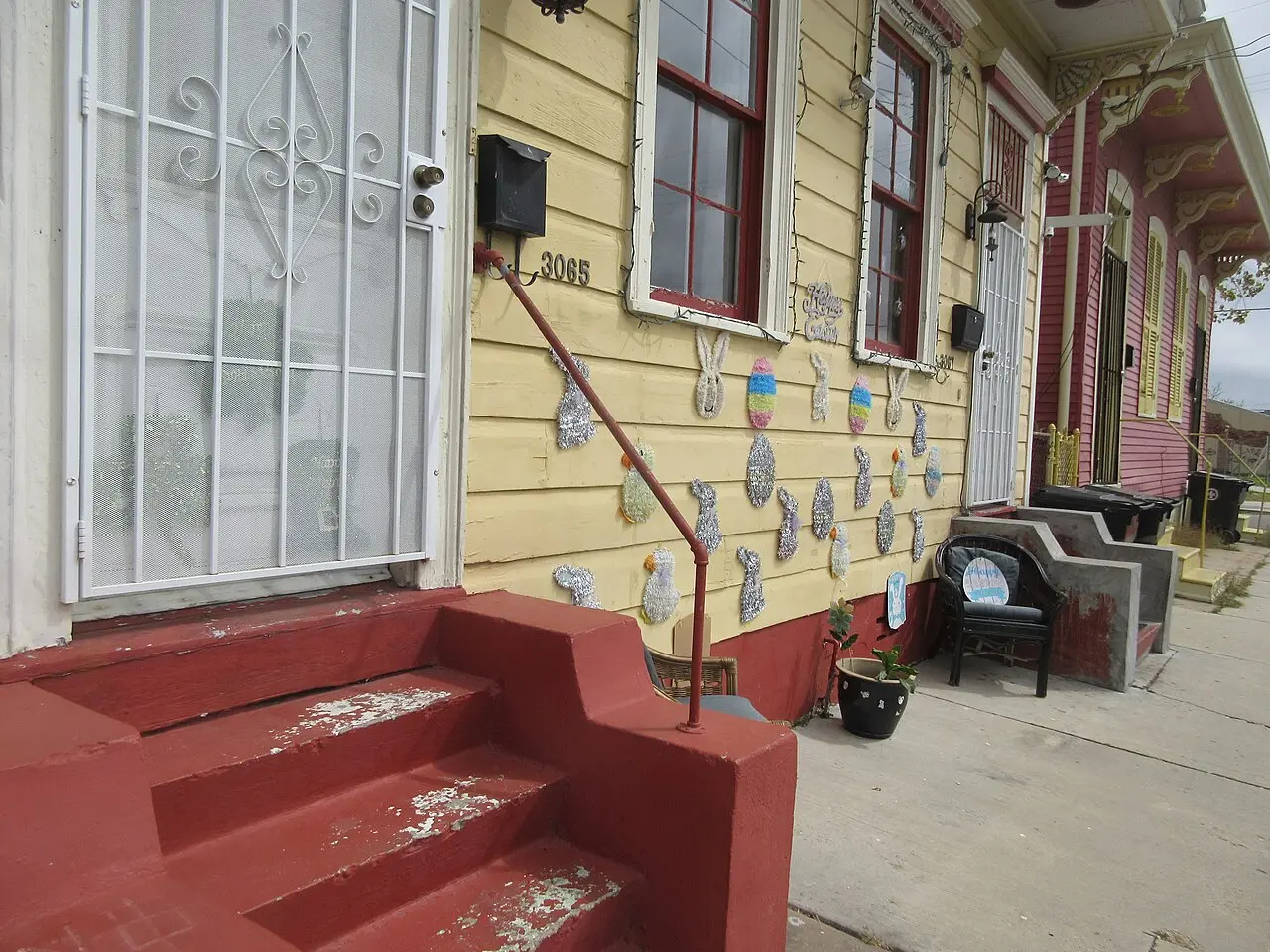
| Mid-City | Budget rooms, City Park, local rather than tourist | Needs a bus or bike for most sights |
The French Quarter: the classic choice, and its cost
Staying inside the Quarter means Jackson Square, the cathedral, the antique shops on Royal Street and the po-boy counters are all a walk rather than a ride. It’s also the loudest base by a wide margin. Bourbon Street runs late every night of the year, and the closer your hotel sits to it, the less that “walk to everything” convenience feels like a win at 2 a.m. Ask specifically about a courtyard-facing room, or a block on the quieter Quarter streets - Royal, Chartres, Dauphine, away from Bourbon - if noise matters to you. Expect to pay the top rate in the city for it either way.
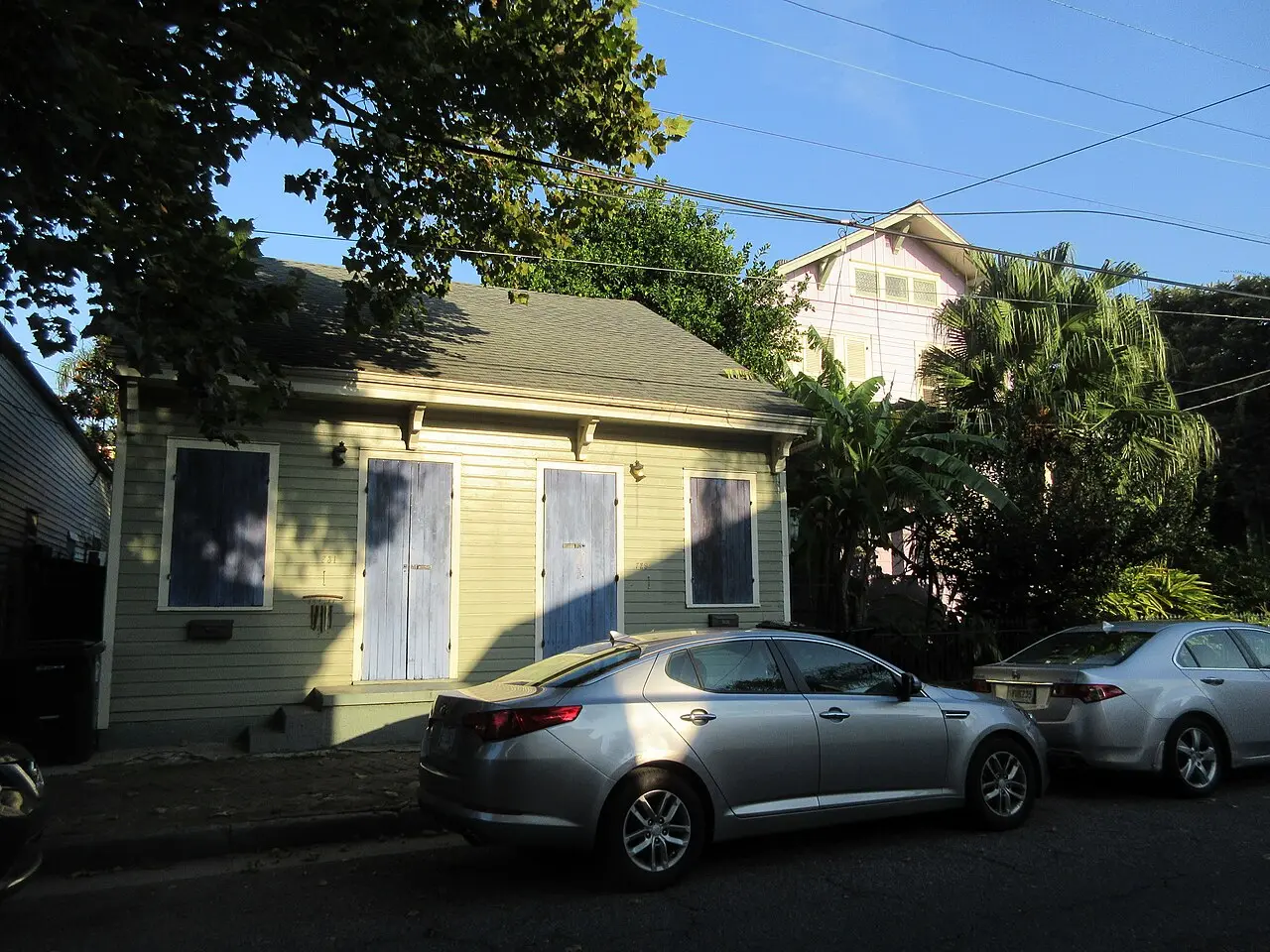
Faubourg Marigny and Bywater: the quieter walk
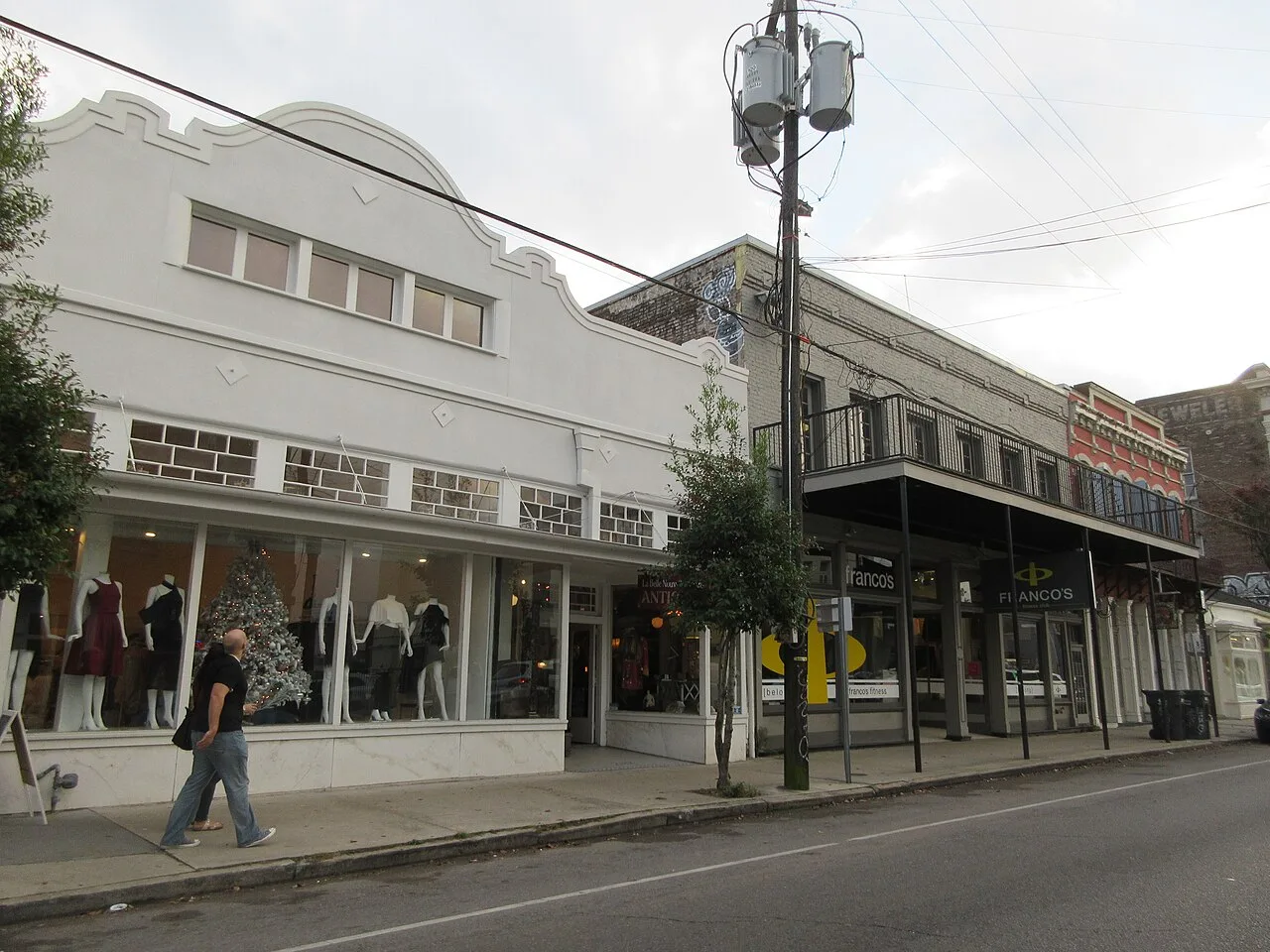
Just downriver of the Quarter, Faubourg Marigny holds Frenchmen Street, the run of music clubs that locals actually go to rather than the Bourbon Street bars built for tourists. It empties into Bywater, a residential neighborhood of painted shotgun houses and a slower pace again. Both put you 10 to 15 minutes on foot from the edge of the Quarter - close enough for a dinner reservation, far enough that your block goes quiet once the music stops. Rooms here run in guesthouses and small boutique hotels more than big chains, which suits a trip built around music and food rather than convention traffic.
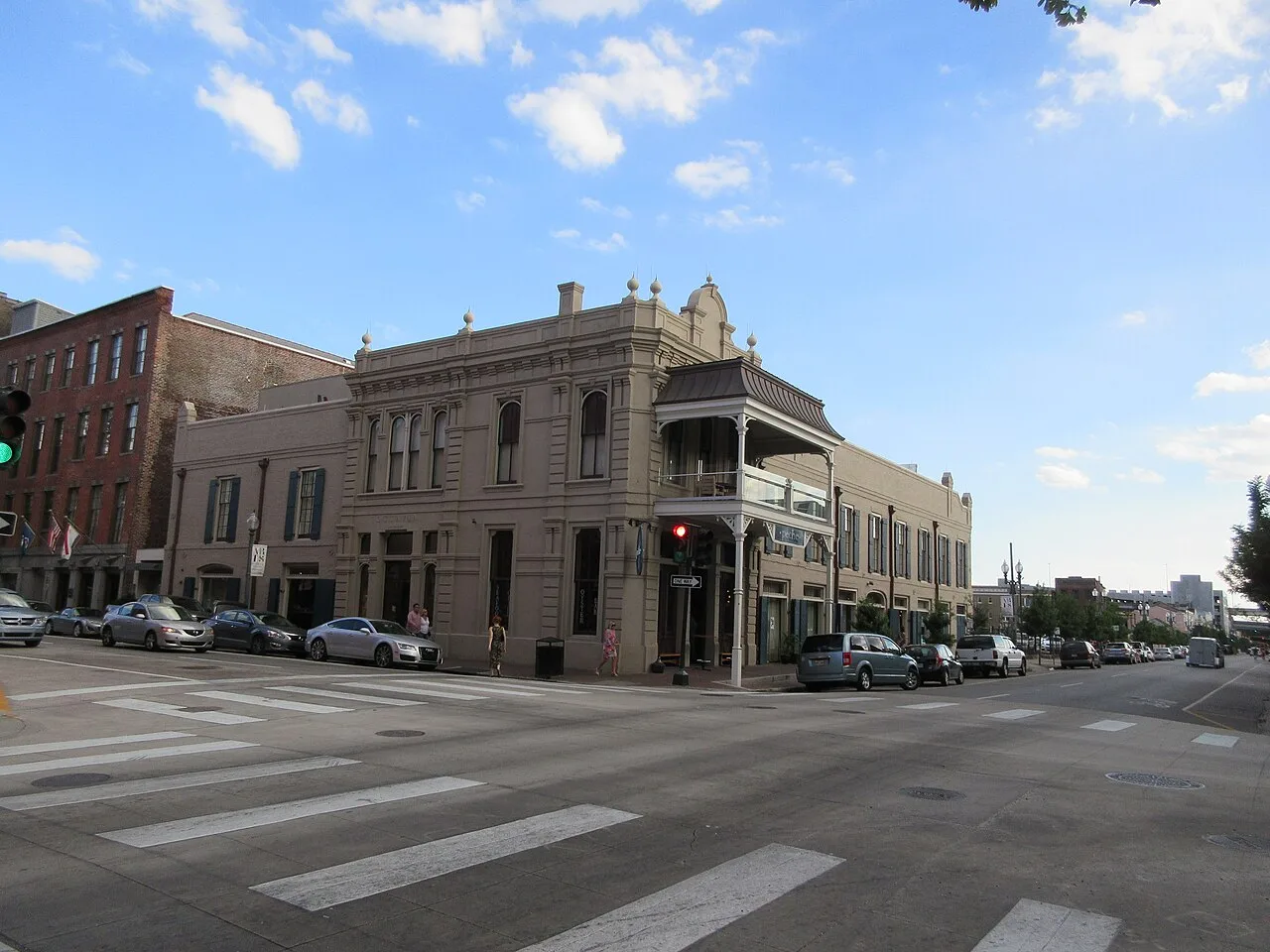
The Warehouse District and the CBD: quiet after 7 p.m.
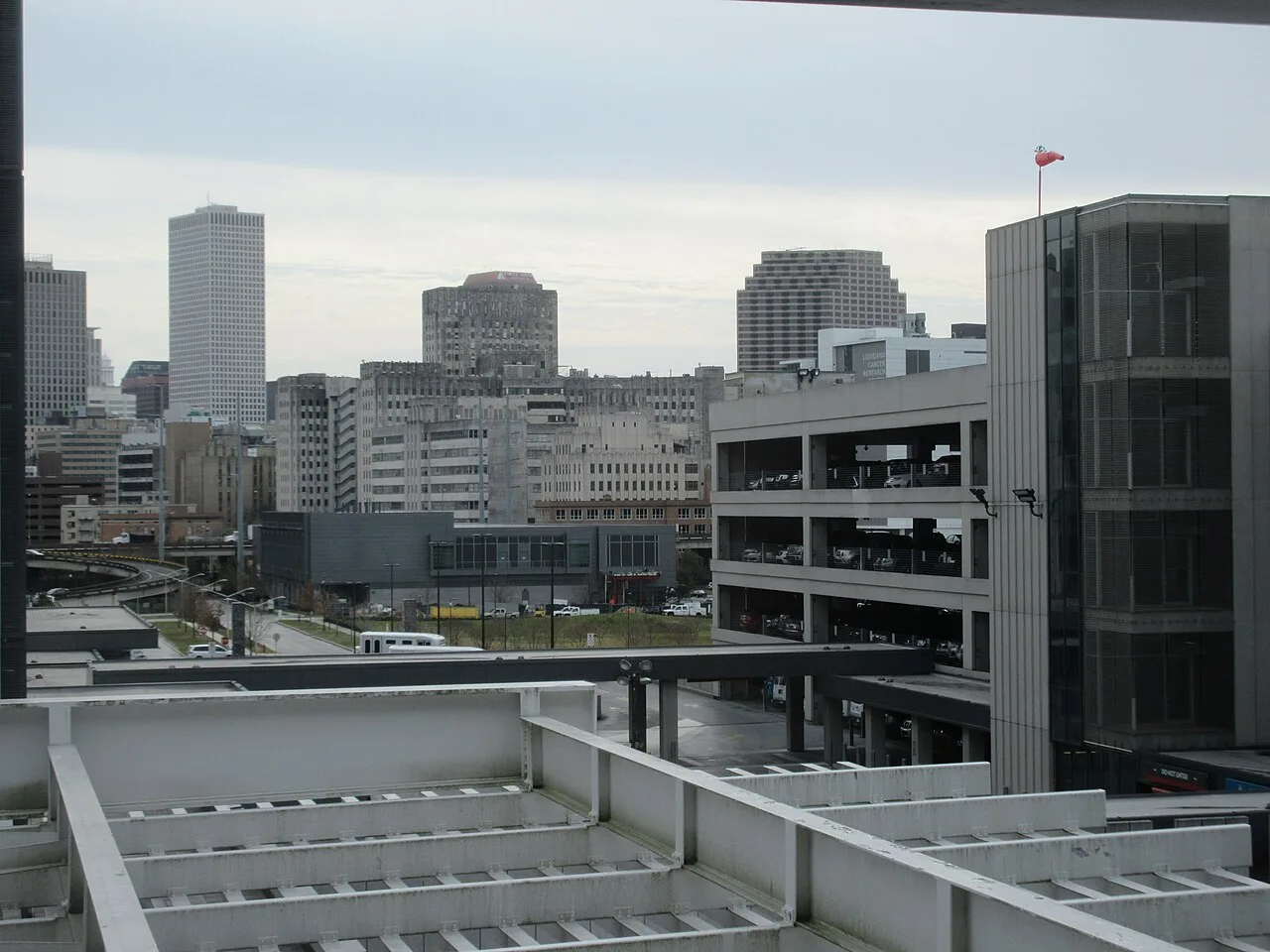
If you’re here for the Ernest N. Morial Convention Center, a conference or the National WWII Museum, the Warehouse District and the surrounding Central Business District put you inside a short walk of all three, in restored cotton warehouses turned into hotels and modern towers built for business travel. This is the part of the city that looks least like the postcards: taller buildings, wider streets, quieter after 7 p.m. For a lot of trips, that’s exactly the point - reliable chain hotels, easy parking, and the Quarter still only a 10-15 minute walk or a short streetcar ride away.
Garden District and Uptown: oak trees and a long ride back
Ride the St. Charles Avenue streetcar far enough upriver and the balconies give way to freestanding mansions under live oak canopies: the Garden District, built on cotton and sugar money, and Uptown beyond it, home to Tulane and Loyola and the shopping strip of Magazine Street. Green and quiet, and a good fit for a longer stay or a family trip. The cost is the Quarter’s walkability - a streetcar ride here runs $1.25 a trip and takes 20 to 30 minutes each way, with service that thins out late at night.
Mid-City: cheapest, and the furthest out
Mid-City, inland from both the Quarter and Uptown, is the most local of the five. City Park anchors it: the art museum, a sculpture garden, and enough open ground that it doesn’t feel like part of the tourist city at all. Bayou St. John runs along its edge for anyone who’d rather jog or paddle than sightsee. The Canal Streetcar line connects it to downtown, but most of what makes Mid-City worth a stay is a short bus or bike ride rather than a walk - neighborhood restaurants that don’t bother with a menu translated for tourists, and rooms that run cheaper than anywhere else on this list. The trade is distance. The French Quarter, Marigny and the Warehouse District all become a ride rather than a stroll.
About 16% in hotel tax, on top of whatever the room costs
New Orleans pulled in 19.46 million visitors in 2025, within about 1% of the city’s all-time 2019 record, and visitor spending hit $10.8 billion. Hotel occupancy in the French Quarter and CBD’s 26,000 rooms, though, eased to a little over 61%, down from 64% the year before. That’s a core-neighborhood figure, not a citywide one - Hotel Saint Vincent, on Magazine Street, ran 70% the same year - but in the Quarter and CBD specifically, asking for a better rate is worth trying more often than in a fully sold-out market.
The tax on top of the room rate is where New Orleans gets complicated, and it depends partly on the size of the place you book. At hotels with 10 or more rooms, a 4% Louisiana Stadium and Exposition District Room Occupancy Tax applies across Orleans Parish, and a separate 3% Ernest N. Morial Exhibition Hall Authority tax stacks on top of that, before state and city sales tax layers are added in turn. Smaller guesthouses and B&Bs - common in Marigny and Bywater - skip those two levies and pay 5% state sales tax where a larger hotel pays 3% - net, about five points less tax on the room. The number commonly cited for a New Orleans hotel bill is about 16%, but that figure traces to a 2019 report and predates a 2025 state sales-tax increase - 16-17% is closer to current for a larger hotel. Pull up rates for your dates and check the actual tax shown at checkout before you commit.
Getting around
Louis Armstrong New Orleans International Airport (MSY) sits about 15 miles from the Quarter. Both airport bus options leave from the same spot - Level 1 Baggage Claim outside Door 2 - so you’re not hunting for two different curbs. RTA’s Airport Express (Route 202) runs $1.25 to Union Passenger Terminal and the edge of downtown. Jefferson Transit’s (JET) Veterans-Airport (E1) runs $1.50 if your stop is still in Jefferson Parish or $2.00 into New Orleans proper, ending at City Park Avenue. Both are cheaper than a cab. Neither is fast, so budget accordingly if you’re landing tired. One pass bridges both systems: a $6 Regional Ride day pass works on RTA and JET alike, which regular JET fares don’t.
Inside the city, the RTA runs streetcars and buses on a $1.25 single fare, with day passes from $3 and a weekly pass at $15 that pays for itself after about a dozen rides. The St. Charles line is the one worth riding for its own sake, under live oaks the whole way from the CBD to Uptown. It, along with the buses, covers this guide’s five neighborhoods well enough that a car is optional for most trips that don’t include the swamps or plantations outside the city.
When the calendar decides for you
New Orleans runs three separate high-demand windows that don’t behave like a normal beach city’s summer peak. Mardi Gras (the next one falls Tuesday, 9 February 2027) fills the city and the French Quarter specifically, months ahead. Jazz Fest, held over two weekends in late April and early May, does the same on a smaller scale. Hurricane season runs 1 June through 30 November, which isn’t a reason to skip the city - book a flexible rate, buy travel insurance if your trip lands in the peak months, and take the lower prices that come with the quieter weeks.
None of that changes the neighborhood math above. Book the Quarter for the walk, and accept the noise that comes with it. Book Marigny or Bywater for the same walk, minus the noise. Book the Warehouse District if the trip is business, not romance. Book Uptown or the Garden District if you’d rather have oak trees than a 2 a.m. crowd outside your window, and don’t mind the streetcar ride back. Book Mid-City if the budget matters more than the address. That decision was true before any of the tax math above - the tax just tells you what it costs to make it.
Read also
- What to do once you’ve unpacked: things to do in New Orleans
- Cajun country and the rest of the state beyond the city: Louisiana travel guide
- Every US city guide
Good to know
New Orleans welcomed 19.46 million visitors in 2025, close to the city's 2019 record. Hotel occupancy in the French Quarter and CBD eased to a little over 61% (from 64% in 2024, per STR data) - more room availability in that core than the visitor numbers alone would suggest, though it is a Quarter/CBD figure, not a citywide one. Room-tax layers are cited below with a range rather than one number; several separate taxes stack on a New Orleans hotel bill, some tied to a hotel's room count, and the exact total depends on the property, so check the folio.
Details checked: August 8, 2026
Read also

Before you go · 9 min read
New England Fall Foliage: When and Where to Go
Verified · August 27, 2026Yankee's 2026 forecast, peak windows by state and how to chase color from Vermont's Northeast Kingdom to the NH coast without betting on one weekend.

Before you go · 9 min read
Which Hawaiian Island: Oahu, Maui, Kauai or Big Island
Verified · August 24, 2026Pick one Hawaiian island for a week: Oahu for city and surf, Maui for beaches and Haleakala, Kauai for scenery, Big Island for volcanoes.

Before you go · 11 min read
Where to Stay in Phoenix: Downtown, Scottsdale or Tempe
Verified · August 18, 2026Free Sky Train, then $2 light rail into downtown. Scottsdale is the resort city; Tempe is ASU next door. Phoenix hotel tax is 13.07%.

Before you go · 11 min read
Global Entry and TSA PreCheck for Visitors
Verified · August 15, 2026Global Entry is $120 for five years and closed to most EU passports. TSA PreCheck is $85 or less, and only US citizens and LPRs can buy it.