
Louisiana Travel Guide: New Orleans, Bayous & Cajun Country
What Whitney and Oak Alley actually cost, the two-year swamp closure near New Orleans, when crawfish peaks, and how far Cajun Country really is.
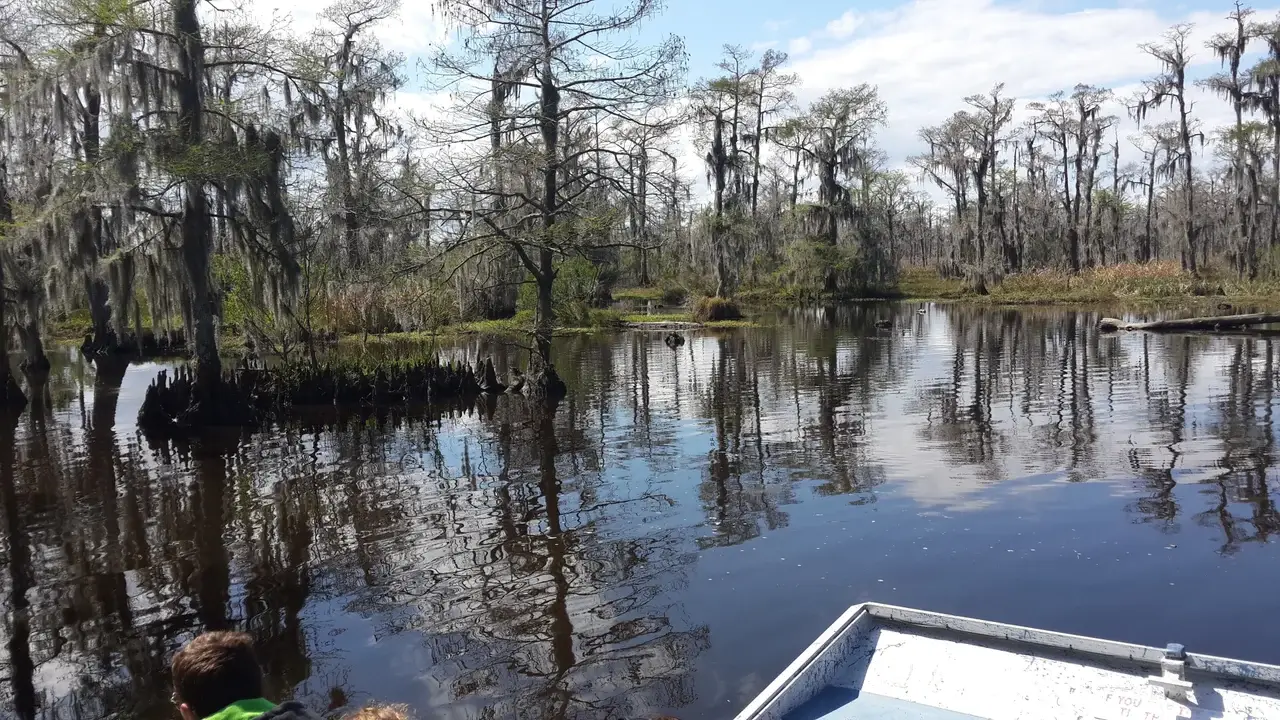
Most people who say they’ve been to Louisiana have been to New Orleans, which is a bit like saying you’ve seen France because you changed planes in Paris. The state’s other half starts about two and a half hours west, speaks a different accent, eats on a different calendar and is where the music you came for is still played for the people who live there rather than for a cover charge.
The city page handles the city. Everything below starts at the parish line, and it opens with a warning rather than a recommendation: the free swamp boardwalk that every New Orleans guidebook sends you to has been shut since February 2026 and is expected to stay shut for about two years.
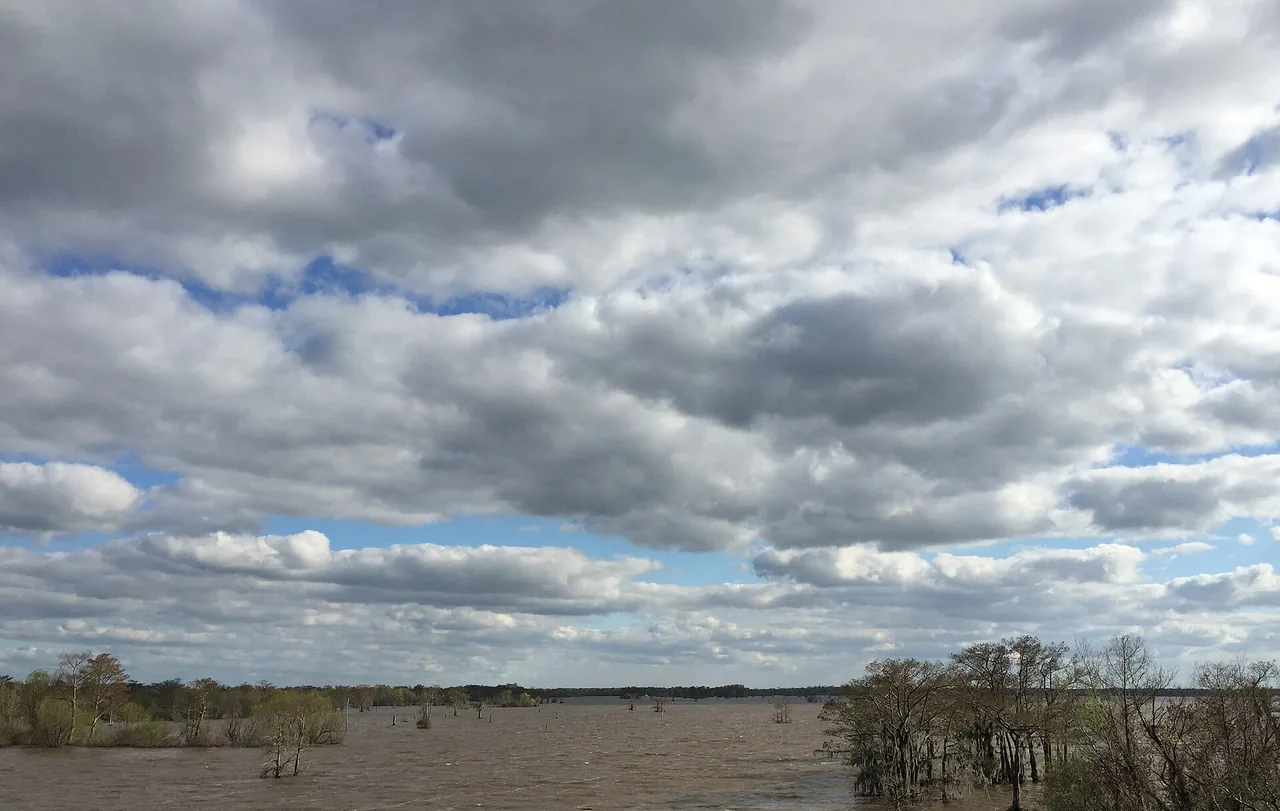
What Louisiana looks like once the city stops
Distances here are short by American standards and long by the standards of people who booked four nights in the Quarter. Baton Rouge is an hour and a half up the interstate. Lafayette, the center of Acadiana, is two hours forty from New Orleans. Whitney Plantation on River Road is barely an hour out. Natchitoches, up in the northwest, is nearly five hours away and belongs to a different trip entirely. Those are routing-engine numbers with no traffic, so add time for the I-10 bottleneck through Baton Rouge, which is genuinely bad on a weekday afternoon.
Once you’re west of the Atchafalaya the towns get close together: Lafayette to Breaux Bridge is seventeen minutes, Lafayette to Avery Island under an hour, Lafayette to Lake Charles an hour and a half. That’s the geography that makes Acadiana work as a base rather than a day trip, and it’s the argument for two nights in Lafayette instead of two long drives out and back from the city. Our New Orleans guide is the right place to plan the city half, and where to stay in New Orleans covers which neighborhood to book before you head out this way; this page is about everything past the parish line.
River Road: Whitney or Oak Alley
Both sit on the same stretch of the Mississippi about an hour from New Orleans. Both are former sugar plantations. They are not interchangeable and the choice says a lot about what you want from the day.
Whitney Plantation is a museum of American slavery, told through the people who were enslaved on it. The self-guided audio tour is $25 for adults, $11 for ages 6-18 and free under 6; a guided tour is $32 and $15. It opens 9:30 a.m. to 4:30 p.m. with last entry at 3:00 p.m. and closes on Tuesdays. The audio tour itself runs about an hour and ten minutes, but budget a minimum of two hours on site, which is honest: this is not a quick stop and it isn’t meant to be comfortable.
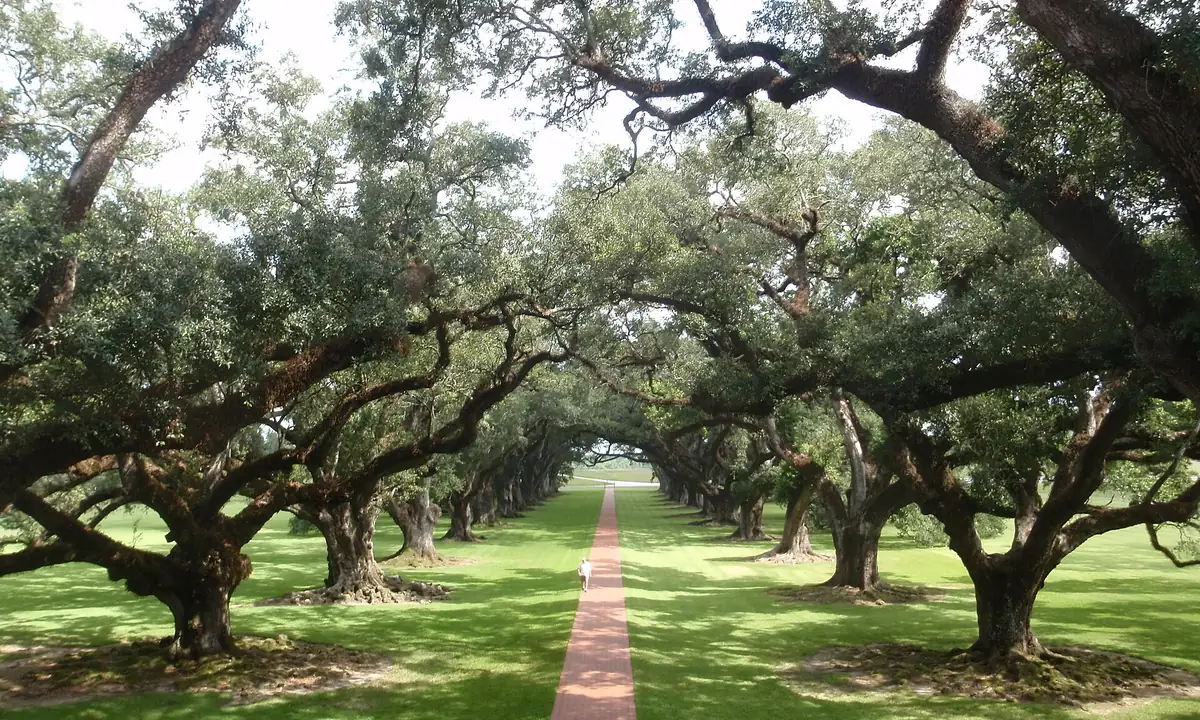
Oak Alley is the one you’ve seen in photographs, a corridor of huge live oaks running from a white-columned house down toward the river. Admission is from $30 per adult with the Big House exhibit and from $27 without it, both published with a plus sign, so treat them as a floor that moves with the date. The Big House tour is a 30-minute guided walk and you check in half an hour before your assigned time. Watch the clock at this end of the day: gates open at 8:30 a.m., but every admission has to be bought by 4 p.m. and the site itself shuts at 4:45. Do Whitney in the morning and roll up here at four thirty and you’ve driven an hour for a photograph through a fence.
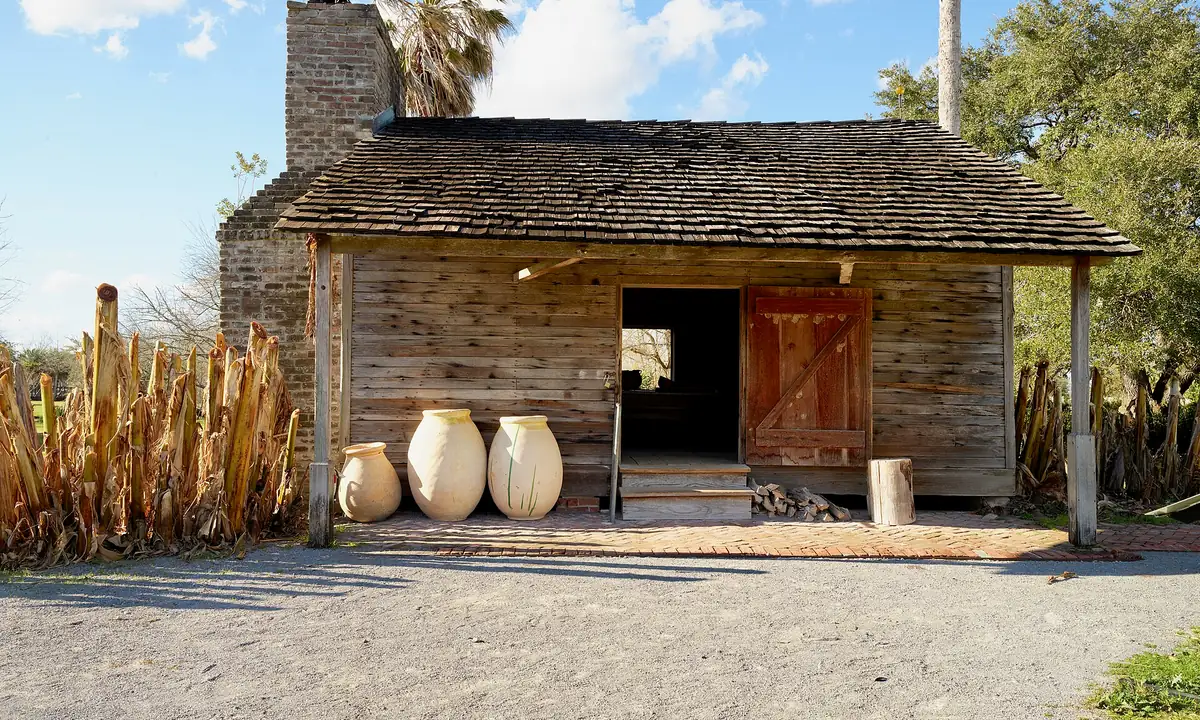
If you have one afternoon, take Whitney. It’s the more serious museum and the more unusual one; there are grand antebellum houses all over the South and almost nowhere else that centers the enslaved. If you have a full day, do both in that order, because Oak Alley’s beauty lands very differently after Whitney and not the other way around.
The swamp tour everyone books is shut for two years
The Barataria Preserve, 26,000 acres of bayou and marsh seventeen miles from New Orleans, is the free, walkable, no-boat-required swamp that guidebooks send you to. As of February 2, 2026 its visitor center and most of its trails are closed for hurricane repairs, and the park says the work is expected to take two years. That covers essentially any trip you’re planning now.
What’s left open is worth knowing rather than dismissing: the Twin Canals parking lot, trail and canoe launch still work as a day-use area with no restrooms, and the Wetland Trace Boardwalk operates from a separate address six miles away, open daily. The park itself, all six sites, is still free.
One exception to that, and it’s new. Barataria’s visitor services moved to the Town of Lafitte’s Louisiana Wetlands Education Center, which started charging admission on July 28, 2026: $10 an adult, $5 for seniors, ages 13-17, Louisiana residents and military with ID, and free for under-12s with a parent. It’s a town facility rather than a national park one, which is how a fee turns up inside a fee-free park’s orbit. Rangers also ran summer talks at the Civic Center on Wednesdays and Thursdays, 10 a.m. to 2 p.m., through September 1, 2026; the park’s Barataria page carries whatever program schedule follows. What none of that replaces is the thing people actually came for: the long boardwalk loops through the swamp are not available.
So the swamp becomes either a paid boat trip from one of the launches south and east of the city, or a drive. A boat gets you deeper and gets you the alligators; the closed boardwalks were the version you could do on foot, for nothing, in an hour. If you’re heading to Acadiana anyway, the Atchafalaya Basin does the same job on a much bigger scale and you’ll see it from the interstate before you book anything at all.
Acadiana keeps a weekly timetable
Acadiana isn’t a town, it’s a spread of parishes with Lafayette in the middle. What makes it worth the drive is that the culture is still working rather than performed, and it runs on a weekly rhythm you have to show up for.
- Lafayette is the base: airport, hotels, restaurants, and the closest thing to a city out here.
- Breaux Bridge, seventeen minutes east, is the crawfish town.
- Eunice, an hour northwest, is where the music lives. The Prairie Acadian Cultural Center on West Park Avenue is free and open Tuesday to Saturday, and the day that matters is Thursday, when it opens noon to 7 p.m. instead of the usual 9:30 to 4:30 so that Rendezvous in the Prairie - an hour of live Cajun, swamp pop or zydeco from a local band, free, from 5:30 p.m. - falls inside opening hours. Nothing else in the week is built that way.
- Avery Island, under an hour south of Lafayette, is where Tabasco is made and where the Jungle Gardens are.
The Liberty Theatre, the 1920s house further down the same street where the Saturday night “Rendez-vous des Cajuns” radio show ran for decades, is the part most guidebooks still get wrong. It’s closed for restoration. The association rebuilding it publishes progress but no reopening date, and the parish tourist office writes about the Saturday show in the past tense. Turning up in Eunice on a Saturday night expecting live radio from that stage is a wasted evening; the Thursday hour at the cultural center is what’s actually running.
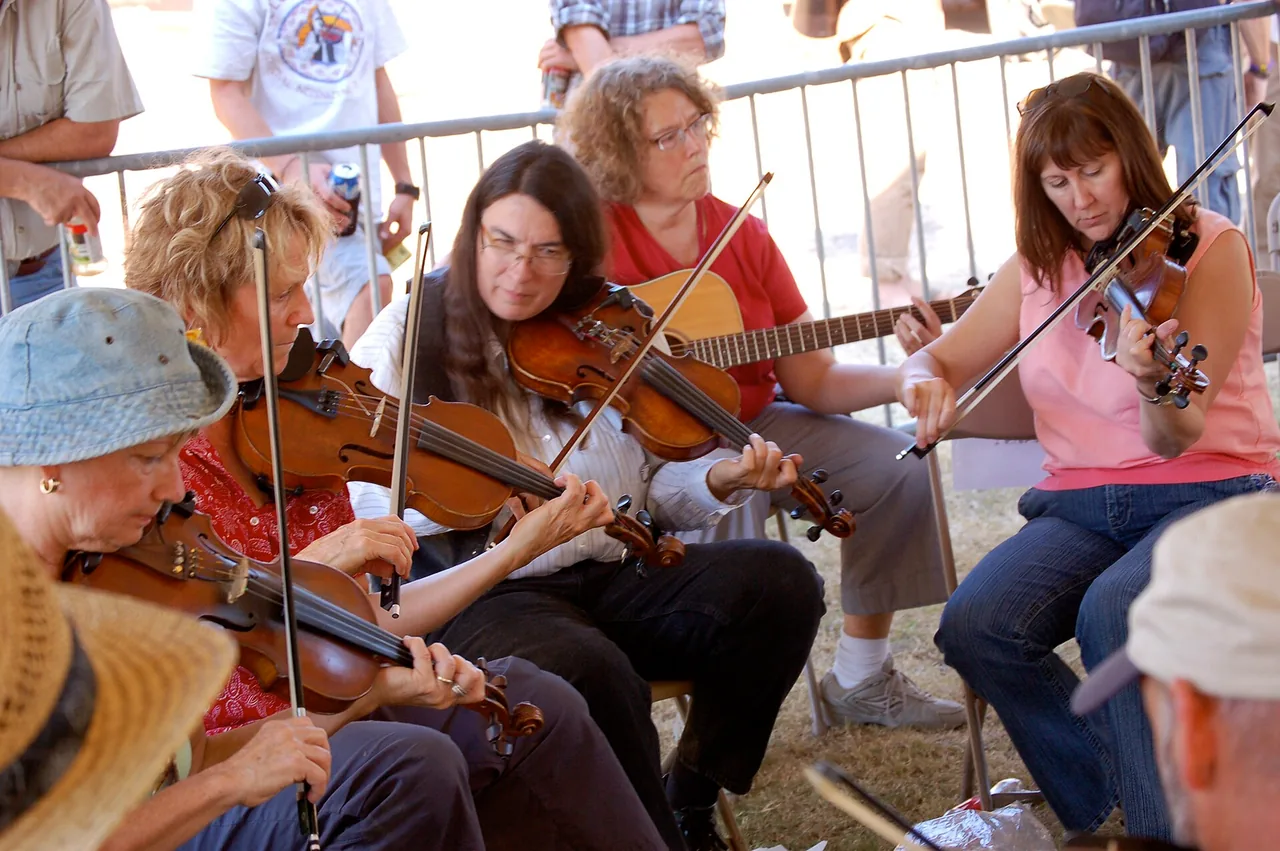
Two live warnings. First, the Acadian Cultural Center in Lafayette was temporarily closed for air conditioning work when this page was written, with the park service pointing visitors to Eunice instead and no reopening date published. Check nps.gov/jela before you build a morning around it. Second, the big one on the calendar, Festival International de Louisiane in downtown Lafayette, is free and the organizers list the next edition as April 21-25, 2027. That’s five days of international music in a small downtown with no ticket, and hotel rooms price accordingly.
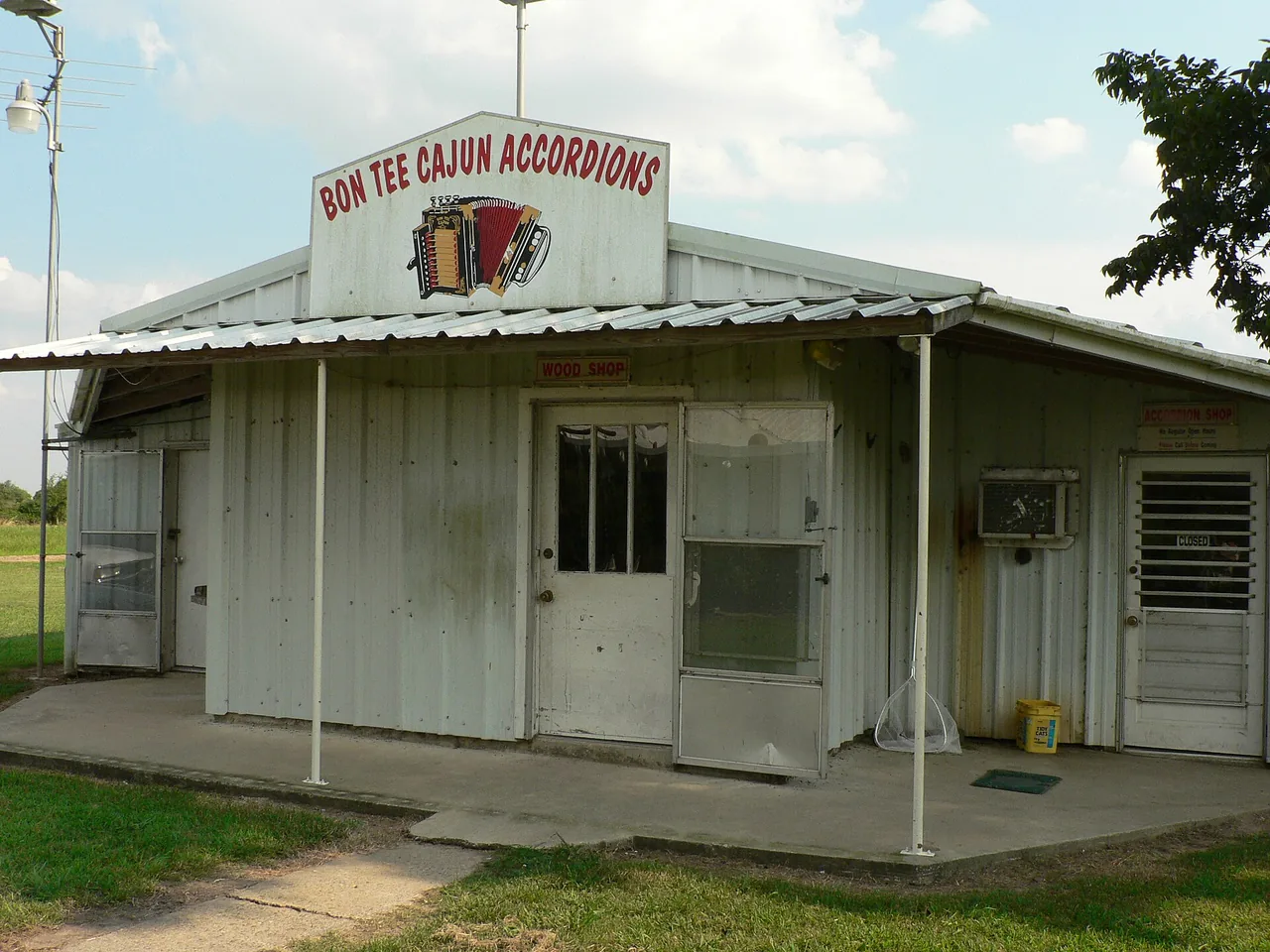
Crawfish is a season, and it sets your dates
This is the single most useful thing to know about timing a Louisiana trip, and it has nothing to do with the weather.
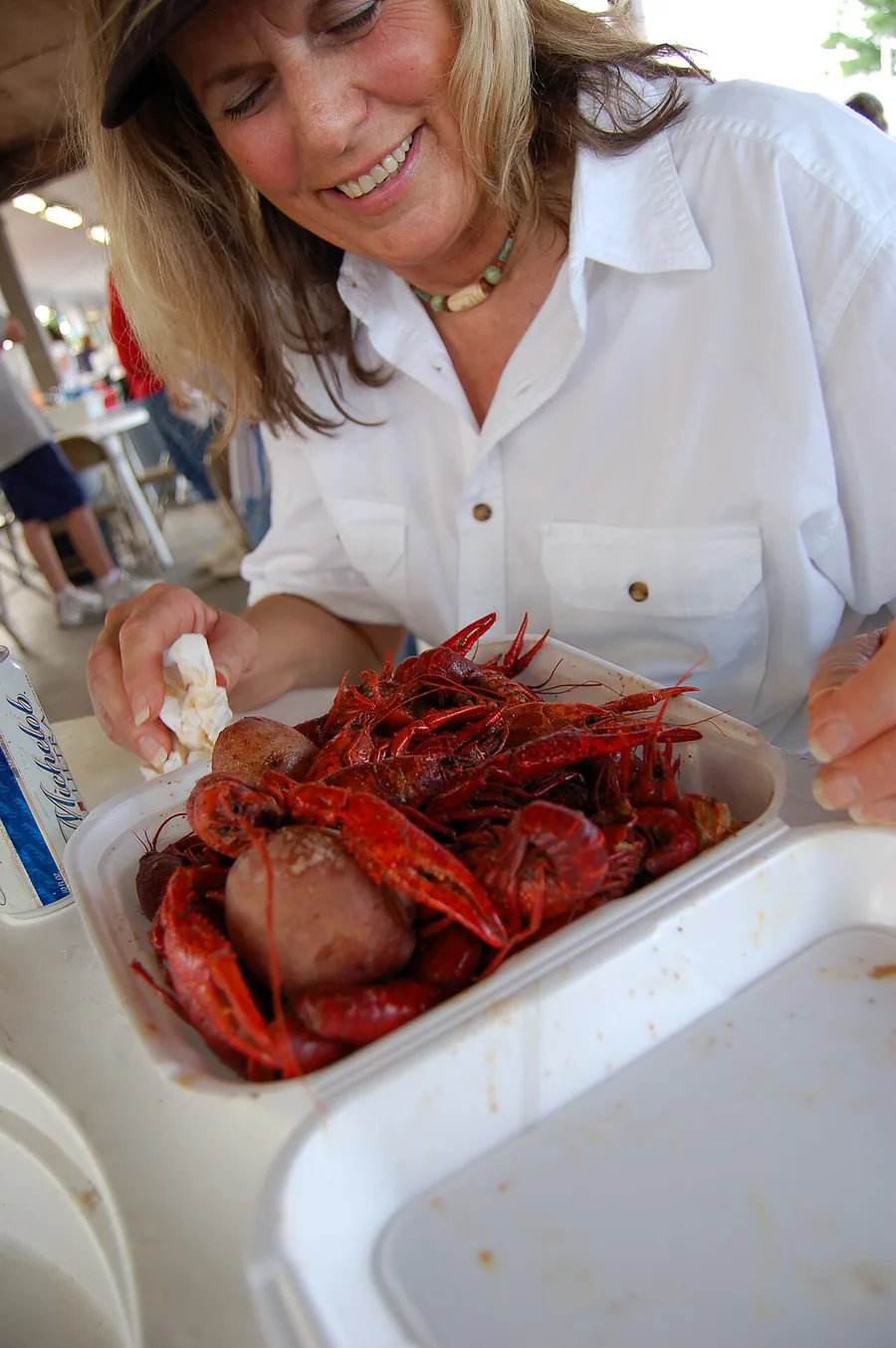
Crawfish come out of two kinds of pond. Permanent ponds start producing in November, sometimes late October. Ponds rotated with rice rarely get going before January. Both peak in April, the broad peak runs March through May, and the rotation ponds keep going into July. Outside that window, supply thins out at both ends and the boil you were promised turns into a photograph of one.
So a March or April trip gets you the state at its best: crawfish everywhere, festivals stacked up, and temperatures that haven’t turned yet. A February trip is early but workable. August gets you heat, humidity and no crawfish worth the trouble, and it sits inside hurricane season, which runs June 1 to November 30. Late October and November are the sleeper months, when the first ponds come in and the air is finally pleasant.
The Creole and Cajun cooking distinction that trips people up on menus is covered properly in our New Orleans guide, and if you want the wider context of what to order across the country, American food worth trying starts there.
The bridge west, and what Baton Rouge is for
Driving from New Orleans to Lafayette you cross the Atchafalaya Basin Bridge, about eighteen miles of continuous raised interstate over swamp, opened in 1973. There’s no shoulder to speak of and nowhere to stop, so if you want a photograph, take it from the passenger seat. It’s one of the genuinely strange drives in the country: twenty minutes of nothing but water, drowned cypress and concrete, with the basin running high in spring and dropping away in fall.
Baton Rouge sits at the near end of it and is mostly a function rather than a destination: the state capital, LSU, the traffic you’ll sit in, and a reasonable overnight if you’re breaking the drive north or west. Worth knowing while you’re out there, Louisiana’s state parks charge $3 per person for day use and let in anyone 62 and over or 3 and under free. That’s the cheapest access to water anywhere in the state, and there are parks on both the Atchafalaya side and the lakes north of Baton Rouge.
If you’re picking up a car for any of this, renting a car in the USA covers the counter questions, and you do need one. There’s no useful transit between these places, the airports outside New Orleans are small, and the distances are exactly the kind that Uber will quote you a painful number for.
If you only make room for one detour
Drive to Eunice on a Thursday. It’s about three hours from New Orleans, or an hour from Lafayette if you’ve done the sensible thing and based there. Thursday is the cultural center’s long day, the 5:30 music hour costs nothing, and the band in the room is a local one playing for a local audience rather than a stage act with a set list for visitors. Around it is a small prairie town where the French you hear in a hardware store is not a performance.
One honest caveat before you build a day around it. Park hours in Acadiana have been moving all year - the Lafayette center shut for air conditioning, Barataria’s services relocated, the Liberty still boarded up - so call (337) 457-8499 or check nps.gov/jela the week you go rather than trusting this paragraph or anyone else’s. That’s a phone call for the one thing in Louisiana that New Orleans genuinely can’t give you.
On the map
The map loads on click - to keep the page lightweight.
The map didn’t load. Check your connection and refresh the page.
Admission and opening hours
- Admission price
- Whitney Plantation costs $25 adult and $11 for ages 6-18 on the self-guided audio tour, or $32 and $15 guided, with under-6s free. Oak Alley is from $30 per adult with the Big House exhibit and from $27 without. Every Jean Lafitte National Historical Park site is free, including the Barataria Preserve and the Acadian cultural centers; the one charge in that orbit is the Town of Lafitte's Louisiana Wetlands Education Center, which took over Barataria's visitor services and began charging $10 per adult, $5 concession and free for under-12s on July 28, 2026. Louisiana State Parks charge $3 per person for day use, free for ages 62 and over and children 3 and under. Festival International de Louisiane in Lafayette is free to attend.
- Opening hours
- Whitney Plantation opens 9:30 a.m. to 4:30 p.m. with last entry at 3:00 p.m., closed Tuesdays and on several holidays. Oak Alley opens daily at 8:30 a.m. with Big House tours from 9:00 a.m. to 4:30 p.m., all admissions sold by 4:00 p.m. and the site closing at 4:45 p.m. The Prairie Acadian Cultural Center in Eunice opens Tuesday to Saturday, 9:30 a.m. to 4:30 p.m. on most days and noon to 7:00 p.m. on Thursday, closed Sunday and Monday.
The Barataria Preserve visitor center and all trails except Twin Canals closed on February 2, 2026 for about two years of hurricane repairs, with visitor services moved to the Louisiana Wetlands Education Center, which now charges admission. The Acadian Cultural Center in Lafayette was temporarily closed for air conditioning work when this page was written, and the Liberty Theatre in Eunice is closed for restoration with no reopening date published. Check nps.gov/jela before you drive out to any of them.
Details checked: August 3, 2026
Read also

States · 11 min read
Connecticut: Mystic, New Haven and the Shoreline
Verified · September 12, 2026Mystic Seaport at $35 adult, free Yale galleries in New Haven, and Gillette Castle on the river - how a Connecticut weekend actually fits.

States · 9 min read
North Dakota: Medora and Theodore Roosevelt NP
Verified · September 5, 2026The 36-mile South Unit loop starts in Medora, entrance $30 per vehicle, cashless from May 2026 - how to plan Theodore Roosevelt National Park.

States · 9 min read
Arkansas Travel Guide: Hot Springs & Ozarks
Verified · September 4, 2026Fee-free Hot Springs NP downtown, free Crystal Bridges in Bentonville, and the 135-mile Buffalo - how to string an Arkansas road trip.

States · 10 min read
Indiana Travel Guide: Indy, Speedway, Shore
Verified · September 5, 2026IMS Museum at $25, Kiss the Bricks at $15, Brown County hills and Lake Michigan shore - an Indiana trip beyond a Chicago beach day.