
San Antonio Travel Guide: Alamo, River Walk & Missions
The Alamo is free, the four other missions are better, and the River Walk is three separate things. Prices, hours and how to plan two days.
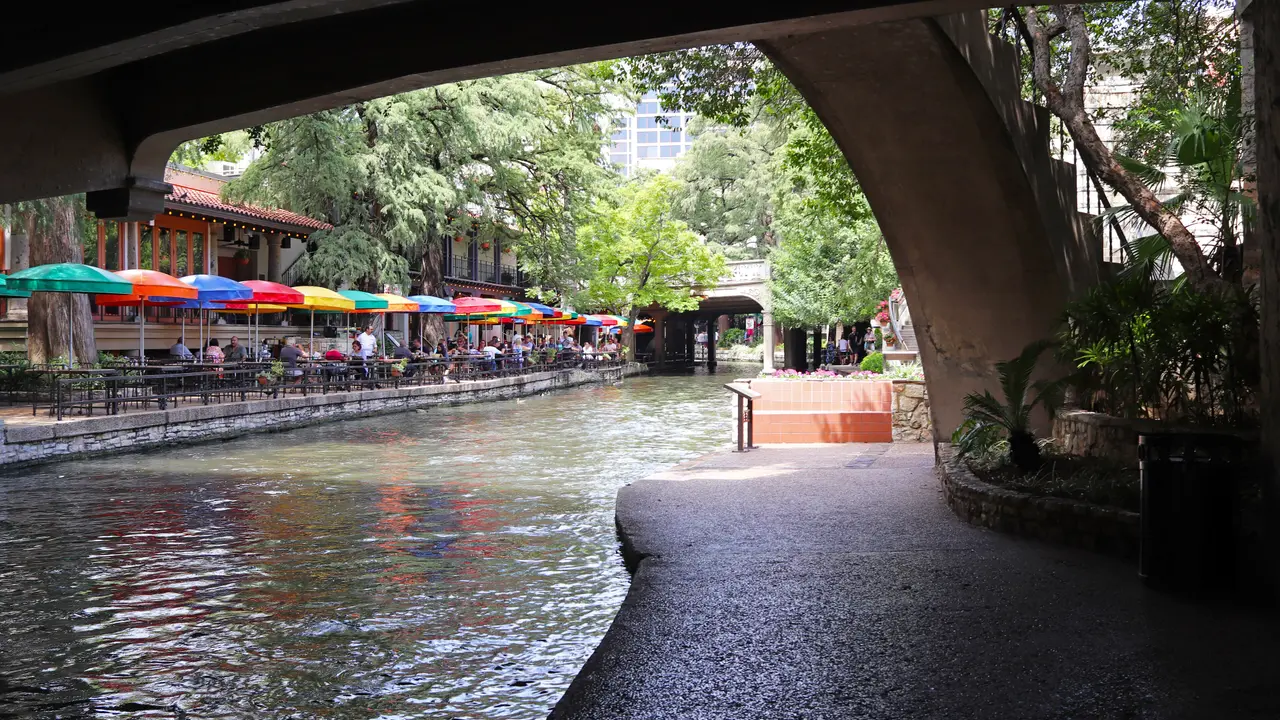
San Antonio is a two-day city that most visitors compress into an afternoon and then write off. The Alamo costs nothing and is done inside an hour; the downtown stretch of the River Walk is an evening rather than a sight. What turns those two into a proper trip is the second day, spent eight miles south along the river at four Spanish missions nobody puts on a postcard, and they’re the reason this city holds the only UNESCO World Heritage Site in Texas.
Downtown is small enough to walk in full. The Alamo, the cathedral, Market Square and the river loop all sit inside about a mile of each other, and the river runs one level below the streets, which is why you can stand underneath the traffic and not hear it.
The River Walk is three separate things
Say “River Walk” to someone who has been and they’ll describe one of three completely different places. That’s where the arguments about this city come from.
The downtown loop is the famous one: a horseshoe of stone paths a level below street grade, lined with restaurants, hotel terraces, cypress trees and colored umbrellas. It’s touristy, the food is priced accordingly, and it’s still lovely after dark when the water throws the lights back up at you.
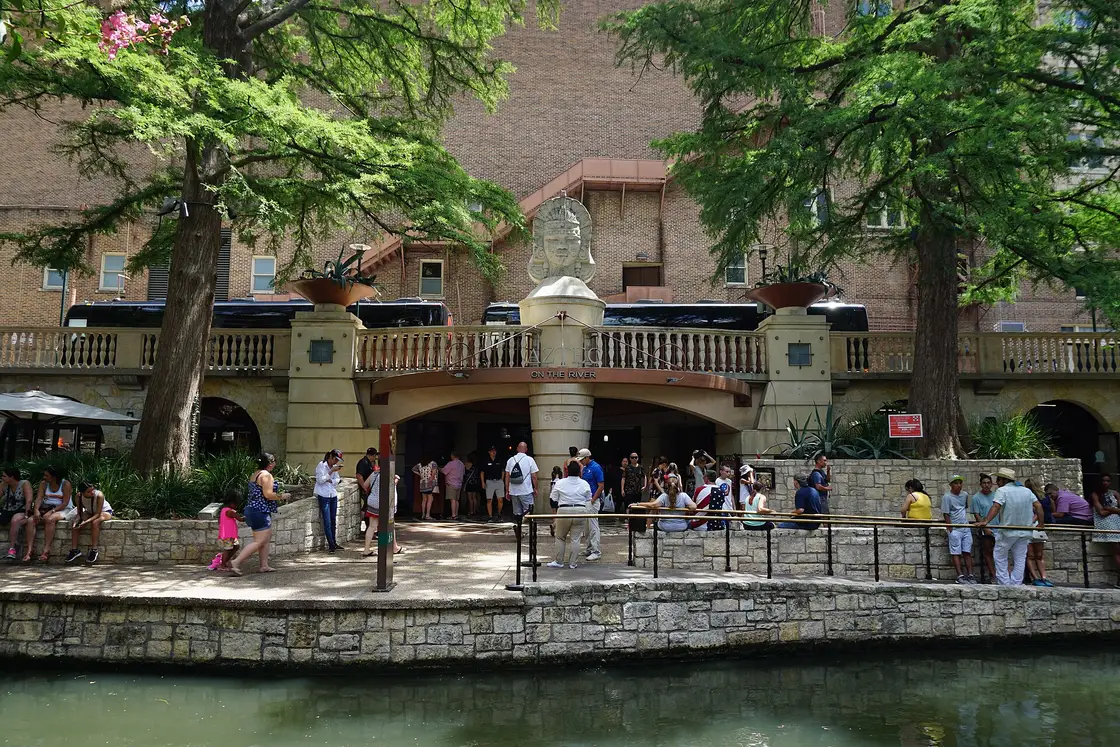
The Museum Reach runs north from downtown up to the Pearl district past public art, a working lock and almost no restaurants. It’s a pleasant 45-minute walk and most visitors never find it.
The Mission Reach goes the other way: an 8-mile restored linear park heading south, with roughly 15 miles of hike-and-bike trail threaded along it, linking the four mission churches. There are no bars down there. There’s a river that was a concrete flood channel until the 2010s and now runs full of herons.
For the barge, GO RIO runs a 35-minute narrated cruise from three downtown boarding points, daily 10 a.m. to 10 p.m. Adults pay $15.50 plus tax, or $16.78 all in, and seniors 65+ or military $13.53. Read the child fare carefully if you’re traveling as a family: the $10.28 children’s rate covers ages 1 to 5 only, so a seven-year-old pays the full $16.78 adult price. A family of four with school-age kids is looking at roughly $67 for 35 minutes on the water.
There’s also a hop-on river shuttle at $21.50 for a day pass. Do that arithmetic before you buy: for a single ride the narrated cruise is cheaper and comes with the history, and the shuttle pass only wins if you’ll board three or more times.
The Alamo: free, ticketed, and smaller than the movies
Nobody warns you about the scale. The Alamo isn’t a fort on an empty plain; it’s a limestone chapel in the middle of downtown with a hotel across the street, and the first reaction of most first-time visitors is that it looks small. It’s small. The 1836 battle was fought over a compound whose outline now runs under the plaza and the blocks around it.
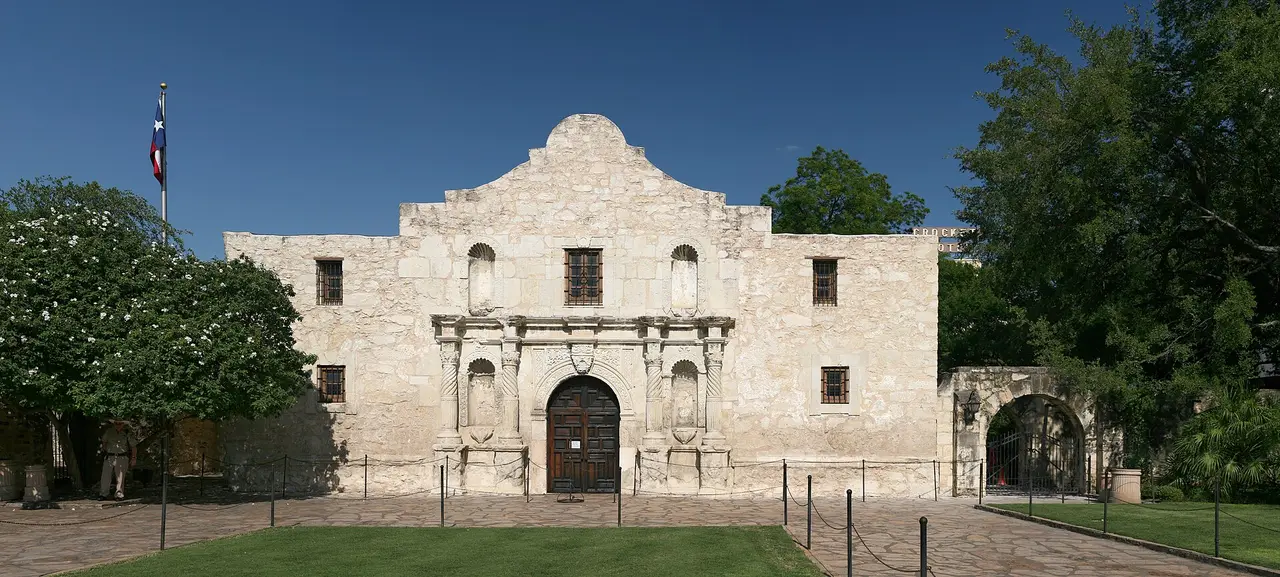
Entry is free. The Church, the Long Barrack and the grounds cost nothing, and your only obligation is a free timed reservation for the Church, booked on the Alamo’s own site before you turn up. The site opens daily 9 a.m. to 5:30 p.m., with last entry half an hour before closing.
What does cost money is the Alamo Exhibit at the Ralston Family Collections Center, $14 for adults and $10 for children, which holds the battle artifacts and the Phil Collins collection. It’s a separate ticket in a separate building with its own 5 p.m. closing time, so don’t leave it until the end of the afternoon.
One honest warning: the plaza is a construction site. The new Alamo Visitor Center and Museum, part of a $550 million restoration plan, broke ground in October 2024 and is scheduled to open in 2027. Until then, expect hoardings, and expect the layout to differ from whatever guide you read last.
The other four missions are the better half
Mission San Antonio de Valero, which is the Alamo’s real name, was one of five Spanish missions strung along this river in the eighteenth century. The other four still stand, still hold Catholic services, and are run by the National Park Service with no entrance fee at all. The park opens daily 9 a.m. to 5 p.m. with the grounds accessible sunrise to sunset, and the visitor center sits at Mission San José on San Jose Drive. All five together were inscribed by UNESCO on 7 July 2015, which makes this the only World Heritage Site in the state.
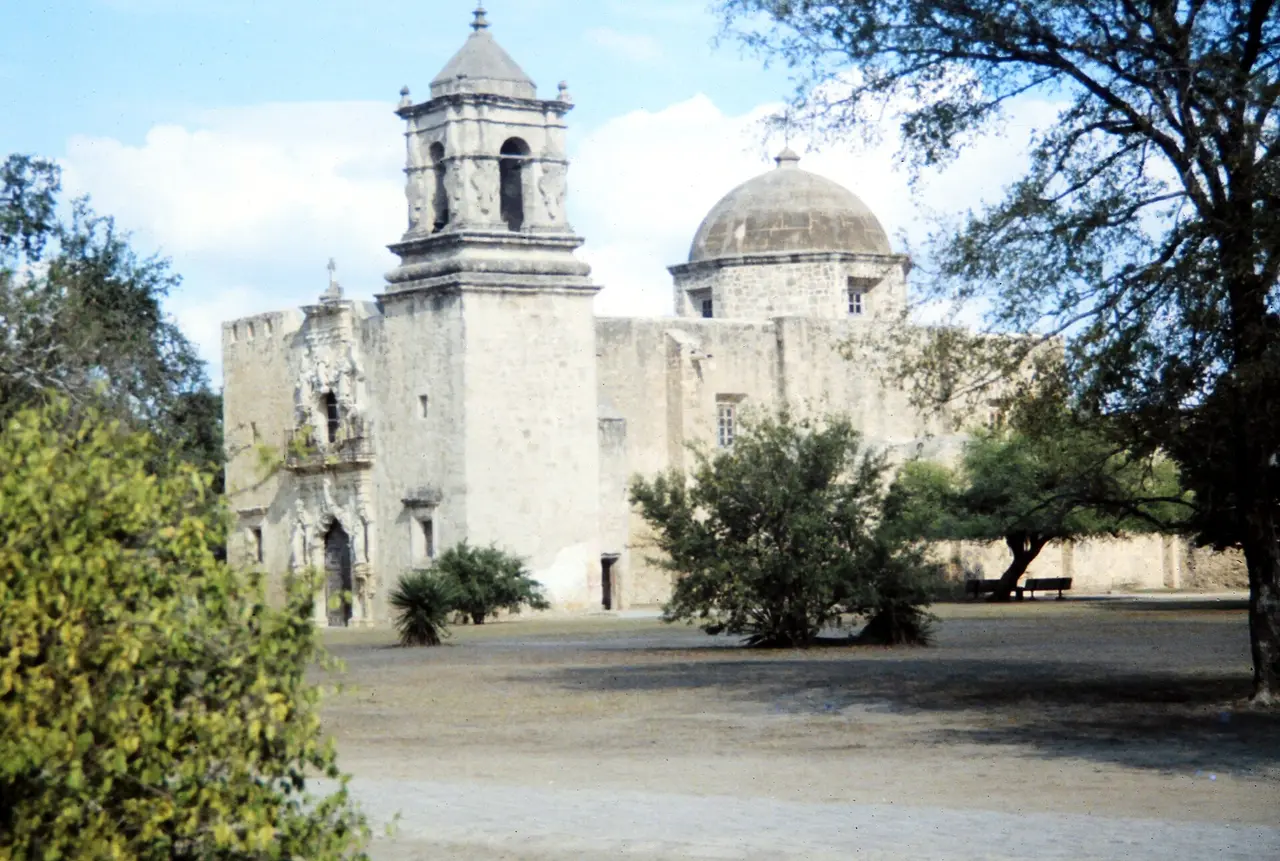
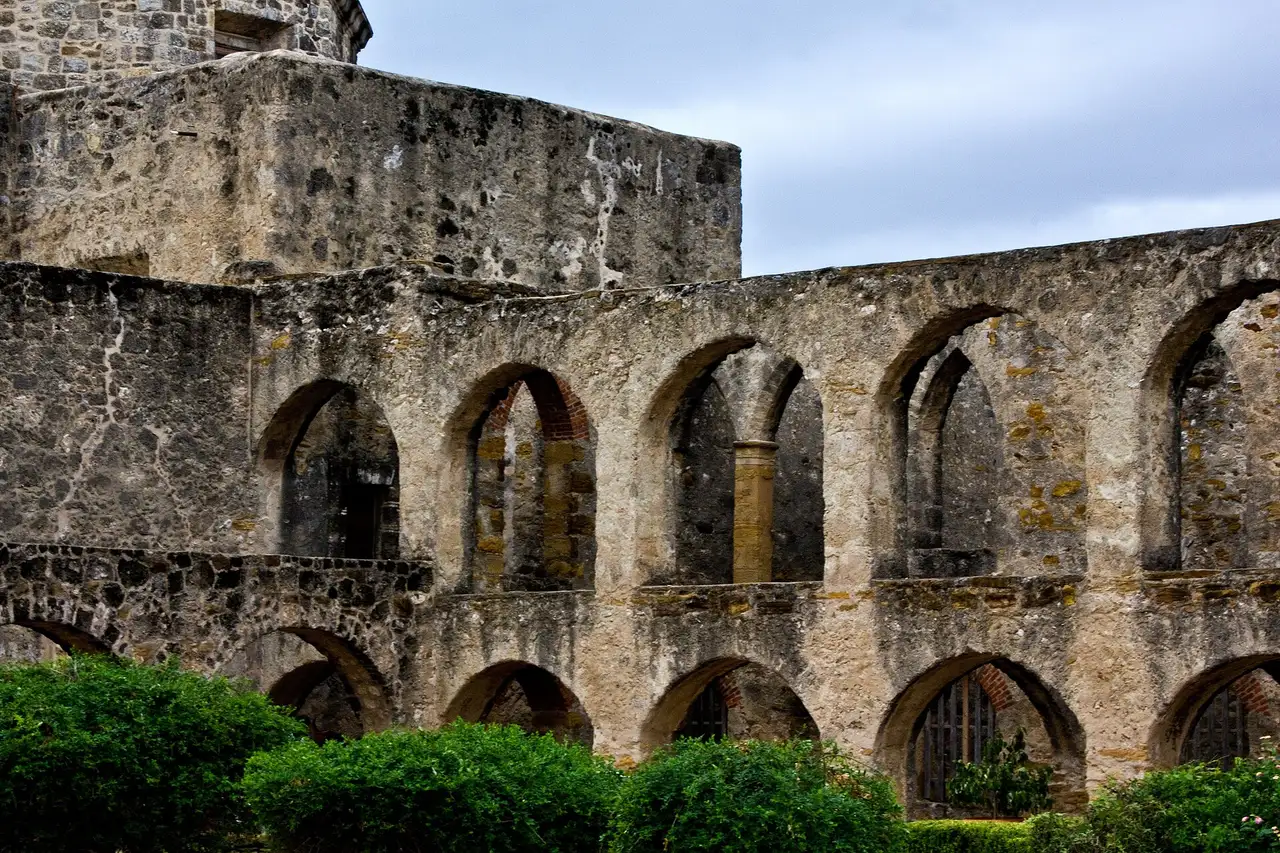
San José is where to start, and not only for the visitor center. It’s the largest, the compound walls are intact, and the granary and arcaded convento show what these places actually were: fortified farming towns where Coahuiltecan families lived, worked and were converted, rather than churches with fields attached.
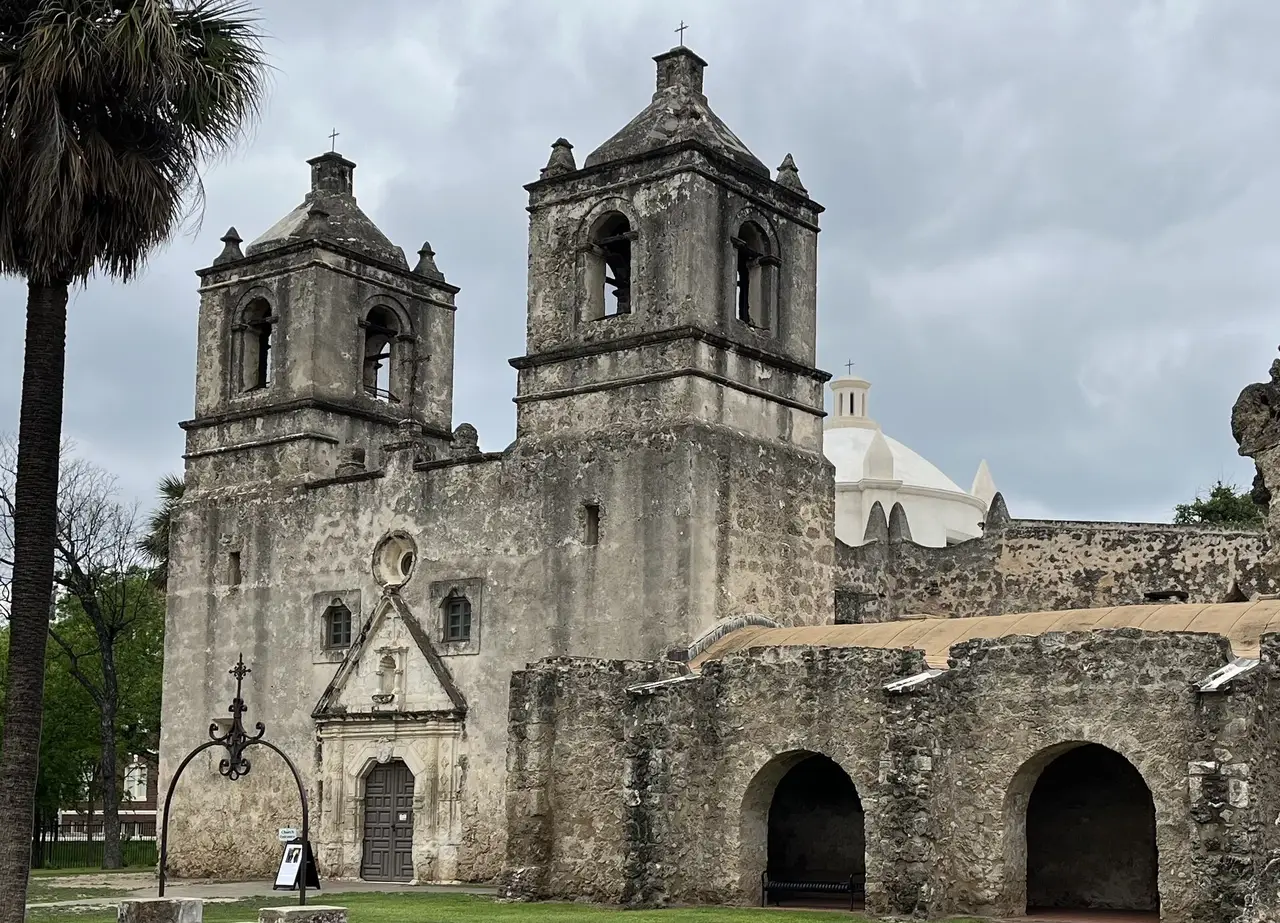
Concepción, the closest to downtown, is the quiet one that gets under your skin. It has never been rebuilt, and fragments of its original painted decoration survive on the interior walls.
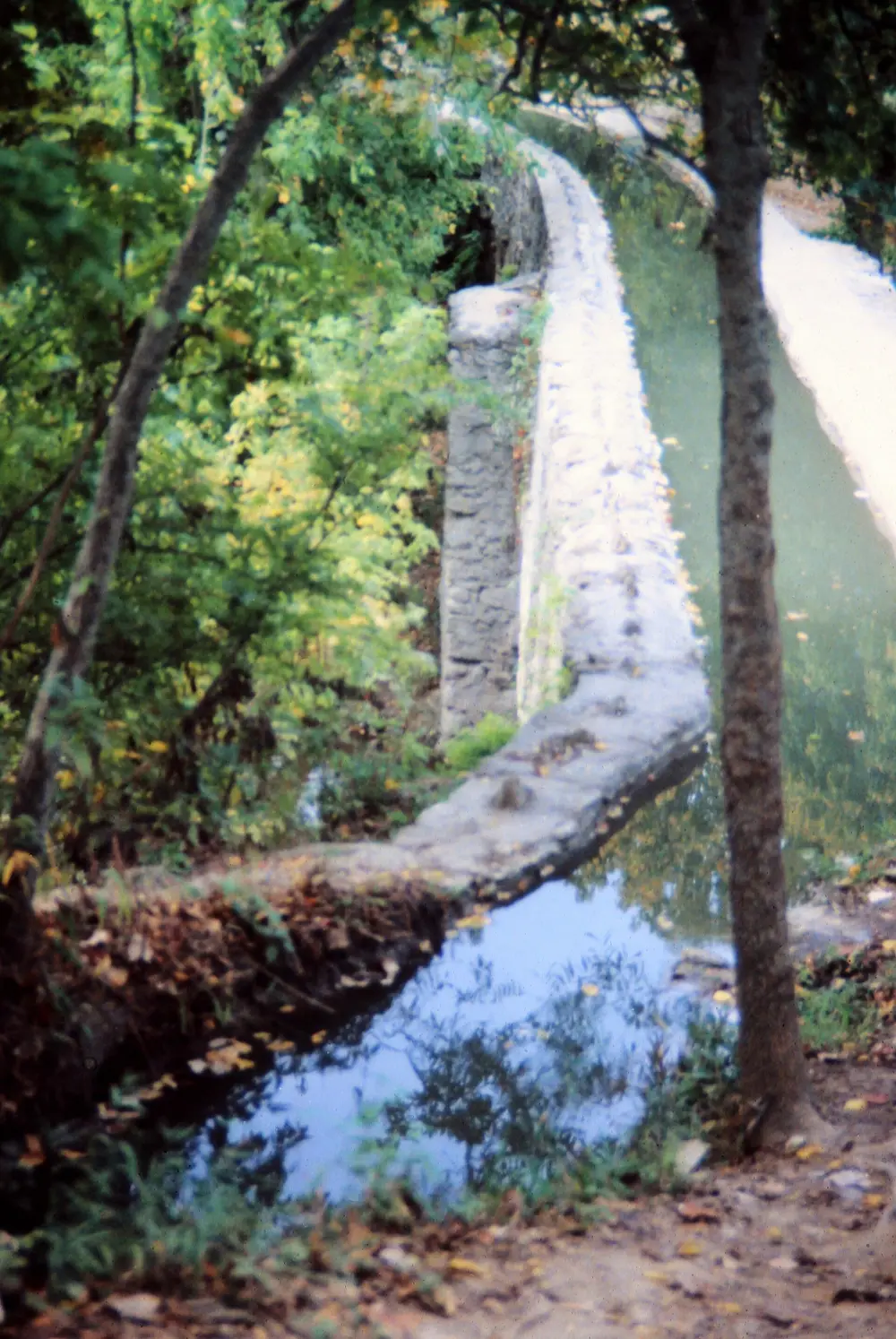
San Juan is the plainest and the most peaceful, with a demonstration farm and a short trail down to the water. Espada is furthest south and keeps the detail that stays with people: its acequia and aqueduct still carry water, nearly three centuries after Franciscan engineers cut the channel. Standing on a working 1740s aqueduct does more for the imagination than any diorama.
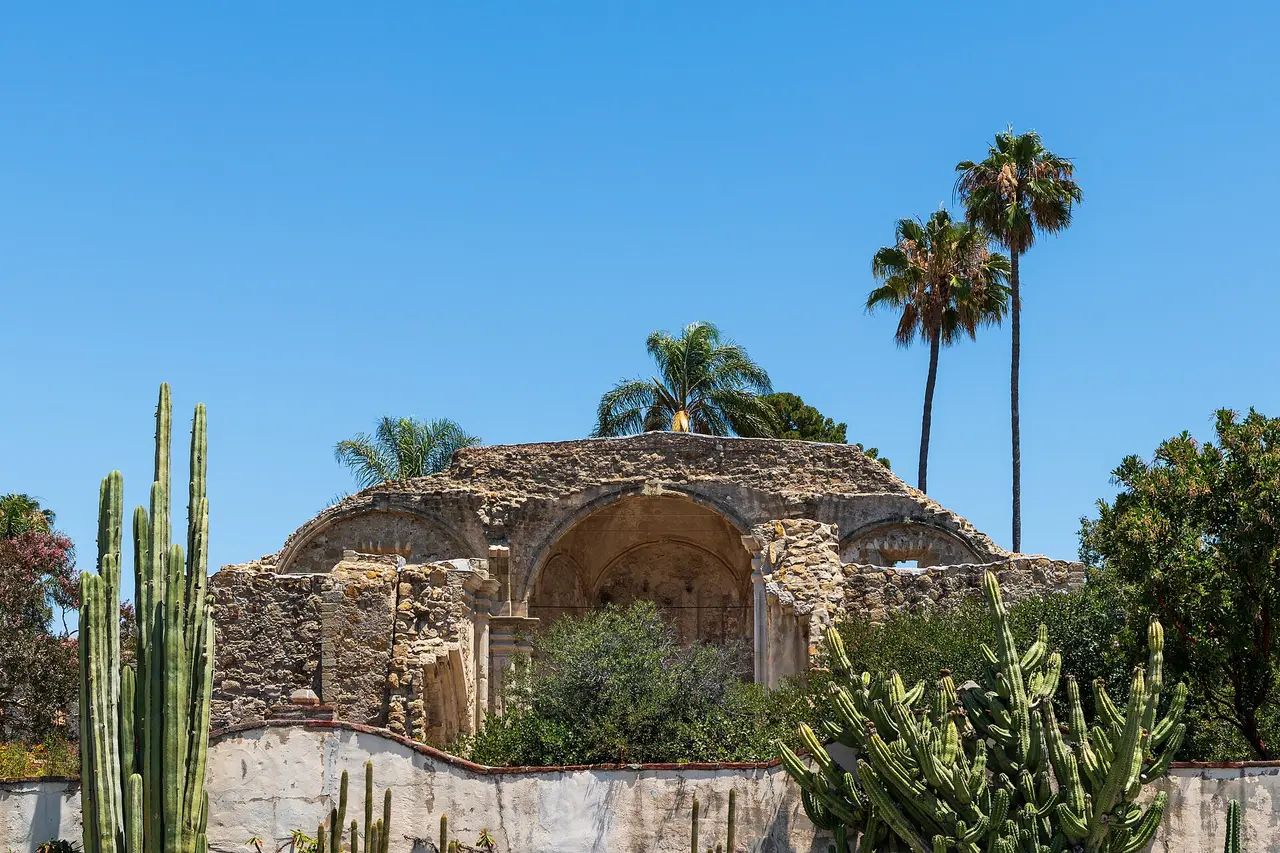
Driving all four takes a morning. Cycling the Mission Reach takes longer and is far better, though not in July: there’s almost no shade on that trail.
Pearl, and where the city actually eats
North of downtown, the Pearl is what a brewery becomes when the redevelopment goes right. Beer was brewed on this site from the 1880s, Pearl was the largest brewery in Texas by 1916, and it ran for 118 years before closing in 2001. The brewhouse reopened in 2015 as Hotel Emma, named for Emma Koehler, who kept the company alive through Prohibition. The Culinary Institute of America’s Texas campus sits next door, which is why the eating here’s better than a redeveloped brewery has any right to be.
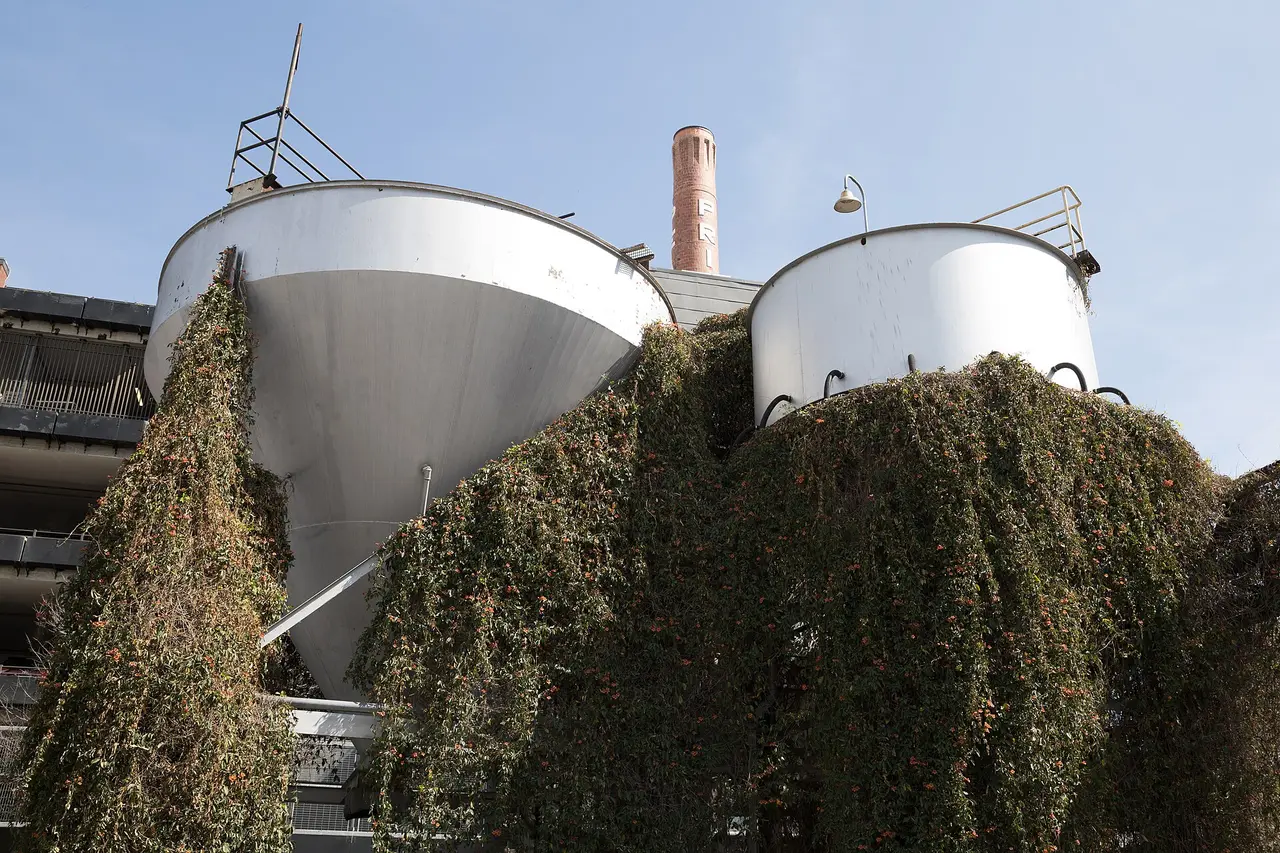
Time your visit for a weekend if you can. The Pearl Farmers Market runs Saturday 9 a.m. to 1 p.m. under a producer-only rule, so every vendor grows or makes what they sell within 150 miles of the city, and the Makers Market takes the same square Sunday 9 a.m. to 1 p.m. for pottery and home goods.
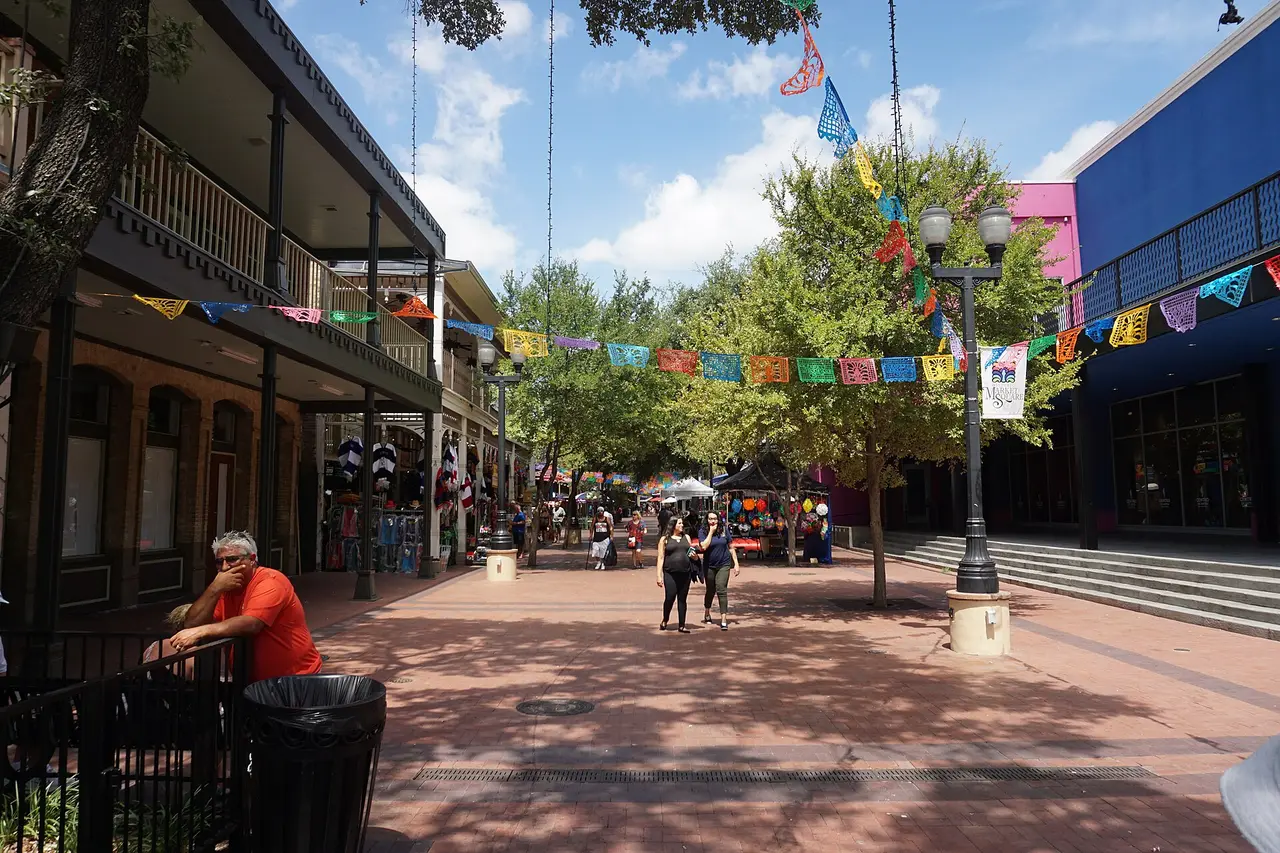
For the older version of the same idea, Market Square west of downtown is a covered Mexican market of stalls, bakeries and mariachi, and it stays cheaper than anything on the river. Breakfast tacos are the local religion, argued over street by street, and what to eat in America puts San Antonio in the wider Tex-Mex story: chili con carne went national from a San Antonio chili stand at the 1893 Chicago World’s Fair.
The best free thing in Texas starts at 9 p.m.
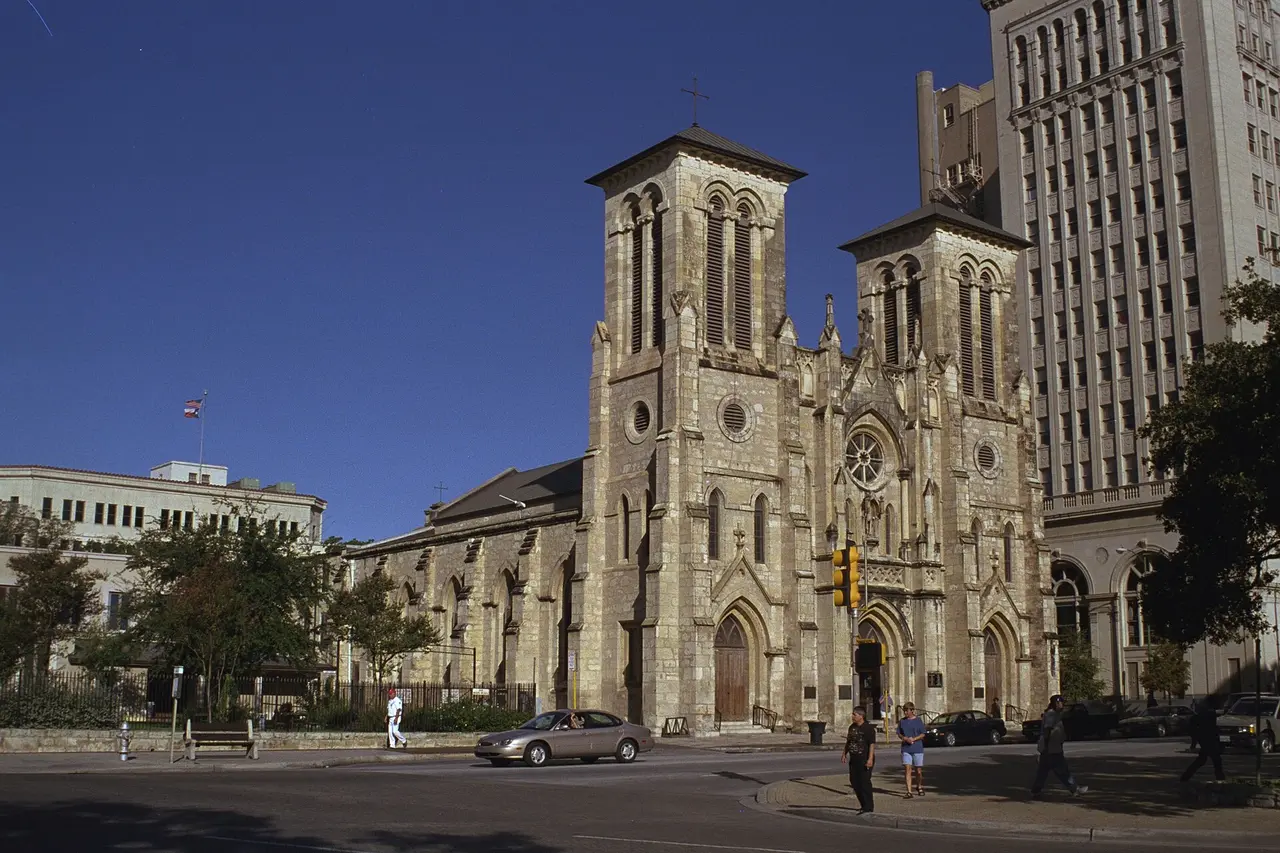
“San Antonio | The Saga” is a 24-minute video artwork by the French artist Xavier de Richemont, projected across the entire facade of San Fernando Cathedral at Main Plaza. It runs through the city’s history from the Coahuiltecans forward, it’s genuinely beautiful, and it costs nothing. Shows are Tuesday through Sunday at 9 p.m., and people sit on the plaza stones to watch.
Check the schedule before you commit an evening, because there are dark nights around Easter weekend, Fiesta and the Feast of Corpus Christi. Downtown parking is free on Tuesdays from 5 p.m., which makes that the cheapest night to build an evening around.
Getting around without a car
Downtown you won’t need transit at all. Beyond it, VIA Metropolitan Transit charges $1.30 for a regular bus ride and $2.75 for a day pass, with transfers bought on boarding and valid 2.5 hours. That day pass is the cheapest way to reach Pearl or the missions without driving, and it costs less than a single barge ticket.
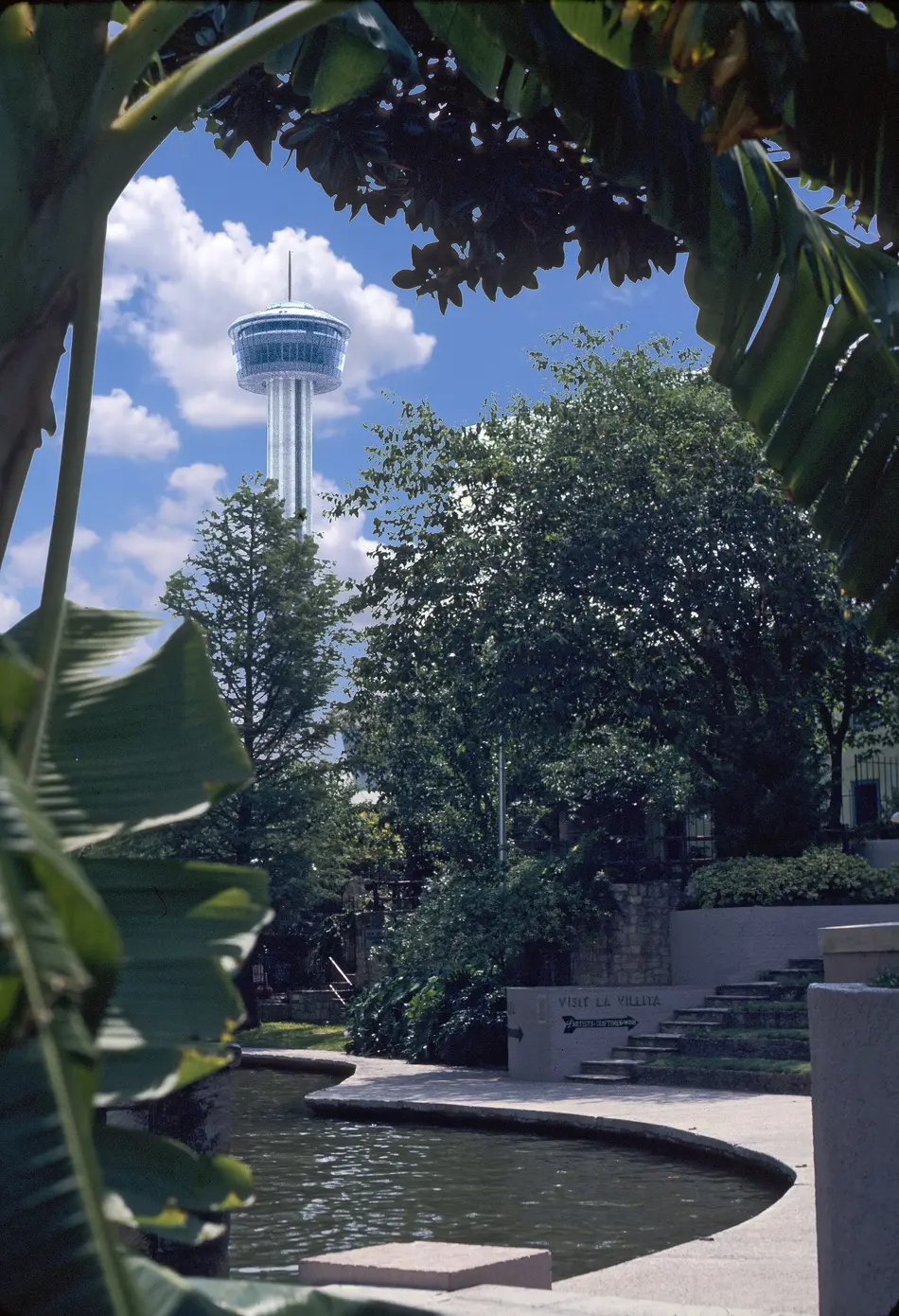
One landmark is worth a stop on the way through. The Tower of the Americas stands in HemisFair Park, ten minutes on foot from the Alamo, and it was built as the theme structure of HemisFair ‘68, the World’s Fair that gave downtown its convention district and much of the modern River Walk. The observation deck is ticketed and the price moves, so check it on the day; go up in the first hour after opening and the whole geography of this guide lays itself out below you, river loop to mission country.
A car only becomes necessary once you leave the city, and then it becomes necessary quickly: the Hill Country has no transit worth the name, and Austin is ninety minutes up I-35, 80 miles north and a completely different place. One rental covers both cities comfortably, which is why the pair is the easiest week in the state. Check the Texas travel guide for the distances before you book flights, because landing at the wrong airport costs a day here, and read up on renting a car in the USA if this is your first American counter.
When to go, and where to sleep
March through May and October into November are the windows: warm, dry and comfortable for walking the missions. July and August sit in the high nineties with humidity coming off the Gulf, and with no shade on the Mission Reach, anything outdoors happens before ten in the morning. Winters are mild and cheap.
Fiesta San Antonio, in April, fills the city for ten days and pushes hotel rates hard. It’s a wonderful time to be here and a bad time to be here on a budget.
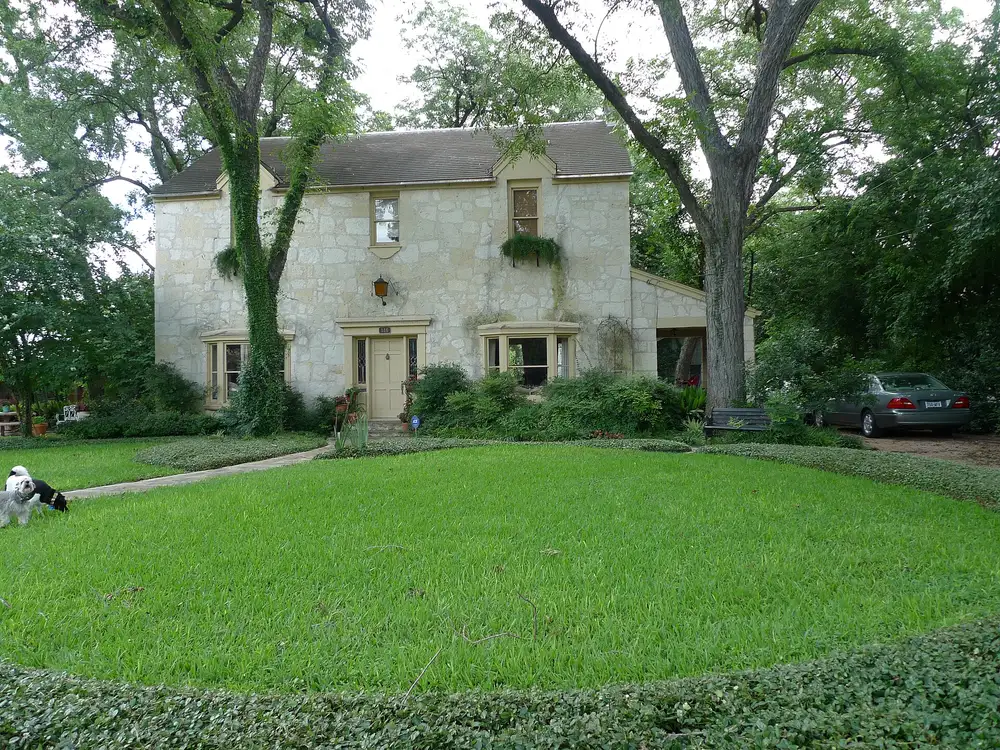
For a base, staying on the River Walk puts you inside the loop and costs the most. Pearl is quieter, better for eating and 15 minutes from the Alamo. King William, the nineteenth-century German merchant district just south of downtown, has the prettiest streets in the city and a short walk into everything. The full stay decision - tax math, parking traps and which trip shape fits which base - is in where to stay in San Antonio.
How many days you actually need
One day: the Alamo in the morning on your booked slot, Market Square for lunch, the river loop in the afternoon, The Saga at nine. You’ll have seen the city without seeing the point of it.
Two days: add the missions. Drive or cycle San José, Concepción, San Juan and Espada, then eat at Pearl. This is the version that makes people fond of San Antonio.
Three days: add the Hill Country, or take the Museum Reach walk and a slow Saturday morning at the Pearl Farmers Market.
Read also
- The state around it, and the driving distances: Texas travel guide
- The other half of the easiest week in Texas: things to do in Austin
- Tex-Mex, barbecue and where they came from: what to eat in America
- Keep driving east along the Gulf: things to do in New Orleans
- Browse more US cities and US states
On the map
The map loads on click - to keep the page lightweight.
The map didn’t load. Check your connection and refresh the page.
Good to know
Prices and hours here were checked against operator and National Park Service pages in August 2026. Alamo Plaza is a working construction site until the new visitor center opens, so the layout on the ground changes; confirm timed-entry rules on the Alamo site before you go.
Details checked: August 4, 2026
Read also

Cities · 13 min read
Salt Lake City: Ski Base, Temple Square and the Salt Flats
Verified · August 29, 2026Four ski resorts inside 36 miles of the airport, a temple you cannot enter until 2027, and a salt flat that closes for racing. What to plan around.

Cities · 9 min read
Atlanta: Civil Rights Trail, Aquarium and Southern Food
Verified · August 28, 2026Free MLK park on Auburn Avenue, Civil Rights Center from $26, Georgia Aquarium tickets from $54.99, BeltLine walks and where Southern food still holds up.

Cities · 9 min read
Minneapolis Guide: River, Lakes & the Blue Line
Verified · August 26, 2026A $2 train from MSP, Stone Arch and Minnehaha Falls, Walker on free Thursday nights, and when Mall of America is worth the ride south.

Cities · 12 min read
Savannah Travel Guide: Squares and the Historic District
Verified · August 22, 2026Walk the 22 squares, tour Owens-Thomas honestly, ride the free river ferry, then Bonaventure and Tybee - checked August 2026.