
Where to Stay in Austin: Downtown, South Congress or East
Downtown for walking, South Congress for SoCo nights, East for barbecue and quieter rooms - plus the 17% hotel tax and when festival weeks break the math.
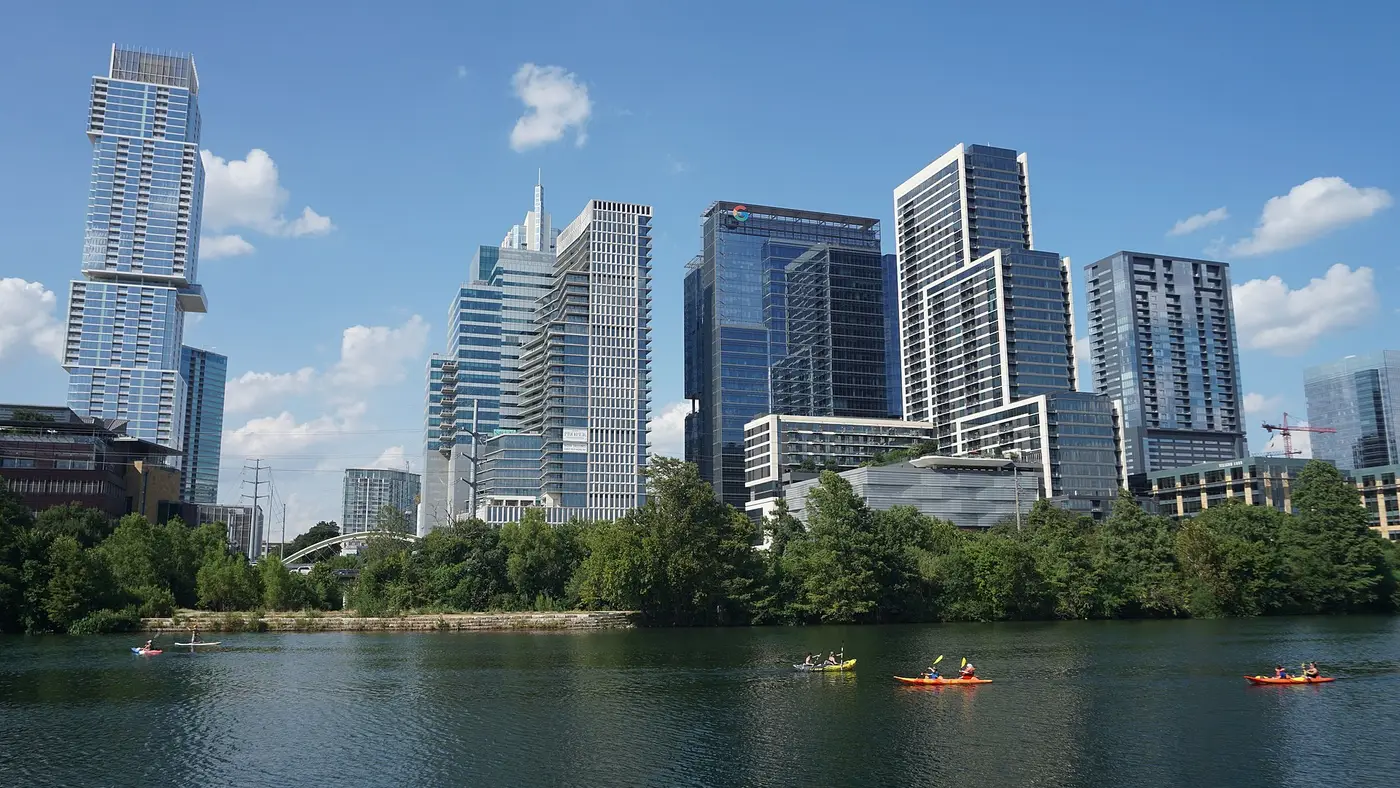
Pick the base by how you want the evenings to feel, not by which skyline photo looks best online. Downtown if you want to walk to the Capitol, the lake trail and the music strips without calling a car. South Congress if you want shops and late shows on one street, with downtown a bridge away. East Austin if you’d rather sleep near the barbecue lines and newer bars, and treat downtown as a deliberate trip across I-35. The tax math is the same in all three: 17% on the room before any optional hotel fees.
Austin isn’t a single downtown blob. Lady Bird Lake cuts the map, I-35 cuts it again, and the neighborhoods that book well for a long weekend sit in that cross. Cross the wrong one every night and you’ll spend the trip in rideshares watching the skyline from a freeway.
The areas at a glance
| Area | Good for | Trade-off |
|---|---|---|
| Downtown / Rainey | Walkable nights, bats, Sixth and Red River | Loudest blocks; festival weeks hit hardest |
| South Congress (SoCo) | Boutiques, Continental Club, bridge views | Walk or rideshare into downtown; weekend crowds |
| East Austin | Franklin-side barbecue, quieter nights, newer bars | Across I-35 from the Capitol; plan the crossing |
| Zilker / Barton Hills | Pool days, ACL weekends, trail access | Not walkable to downtown music |
The 17% tax before you book
Before you compare nightly rates, add the lodging tax the city actually charges. The City of Austin’s Hotel Occupancy Tax is 11% - nine points of occupancy tax plus a 2% venue project tax. The State of Texas adds another 6%. Together that’s 17% on taxable room charges, checked on the city’s Financial Services page on 10 August 2026.
Larger properties (100 rooms or more) may also push a separate Austin Tourism Public Improvement District assessment onto your folio - about 2% of taxable room-night charges. The official TPID FAQ is clear: that pass-through is a fee, not a tax, and hotels choose whether to recover it from guests. On a $200 room, think roughly $34 in HOT before tip and parking, plus a few dollars more if the PID fee shows up. Festival weeks don’t change the percentage. They change the base rate the percentage multiplies.
Downtown and Rainey: sleep where the nights are
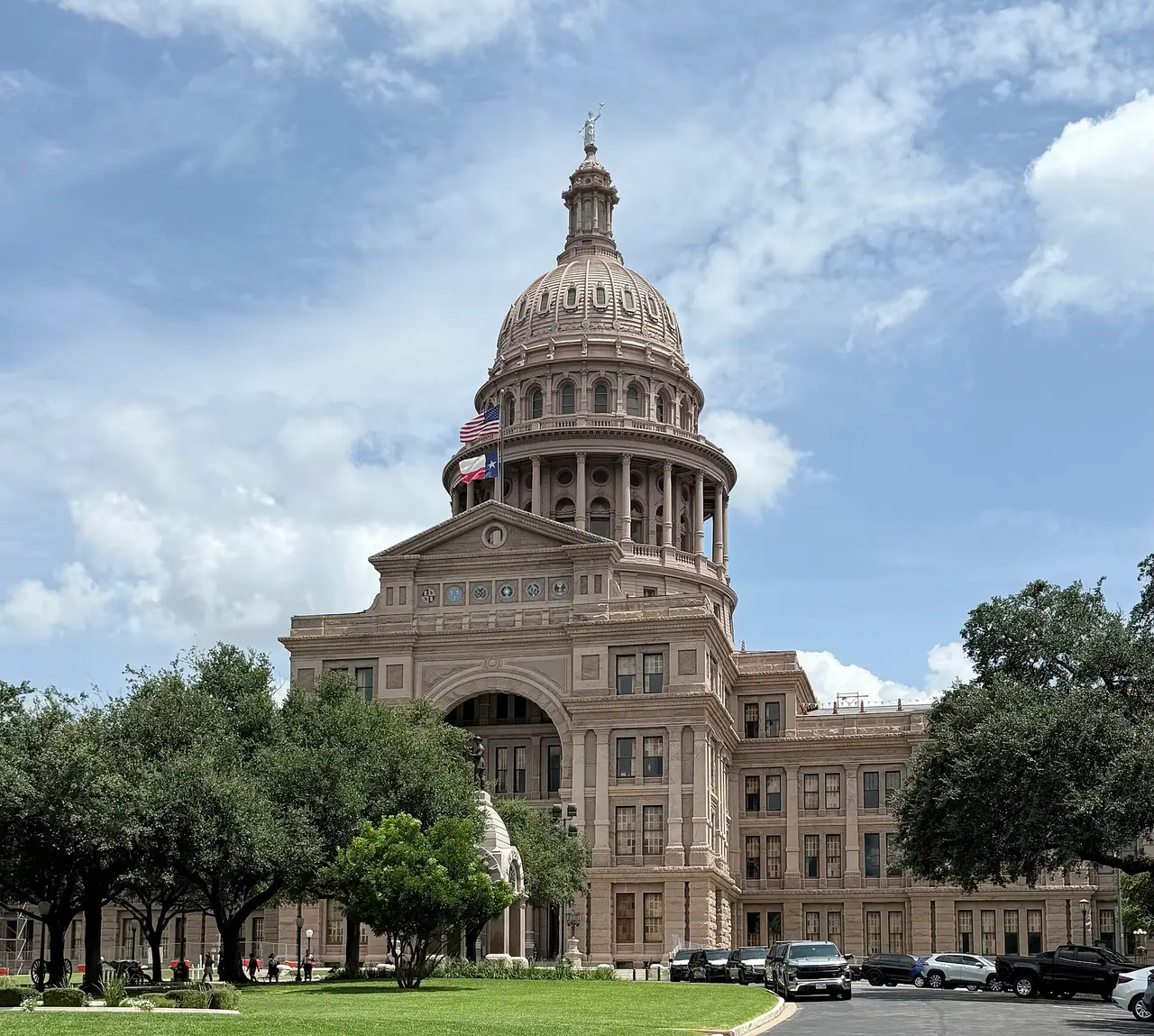
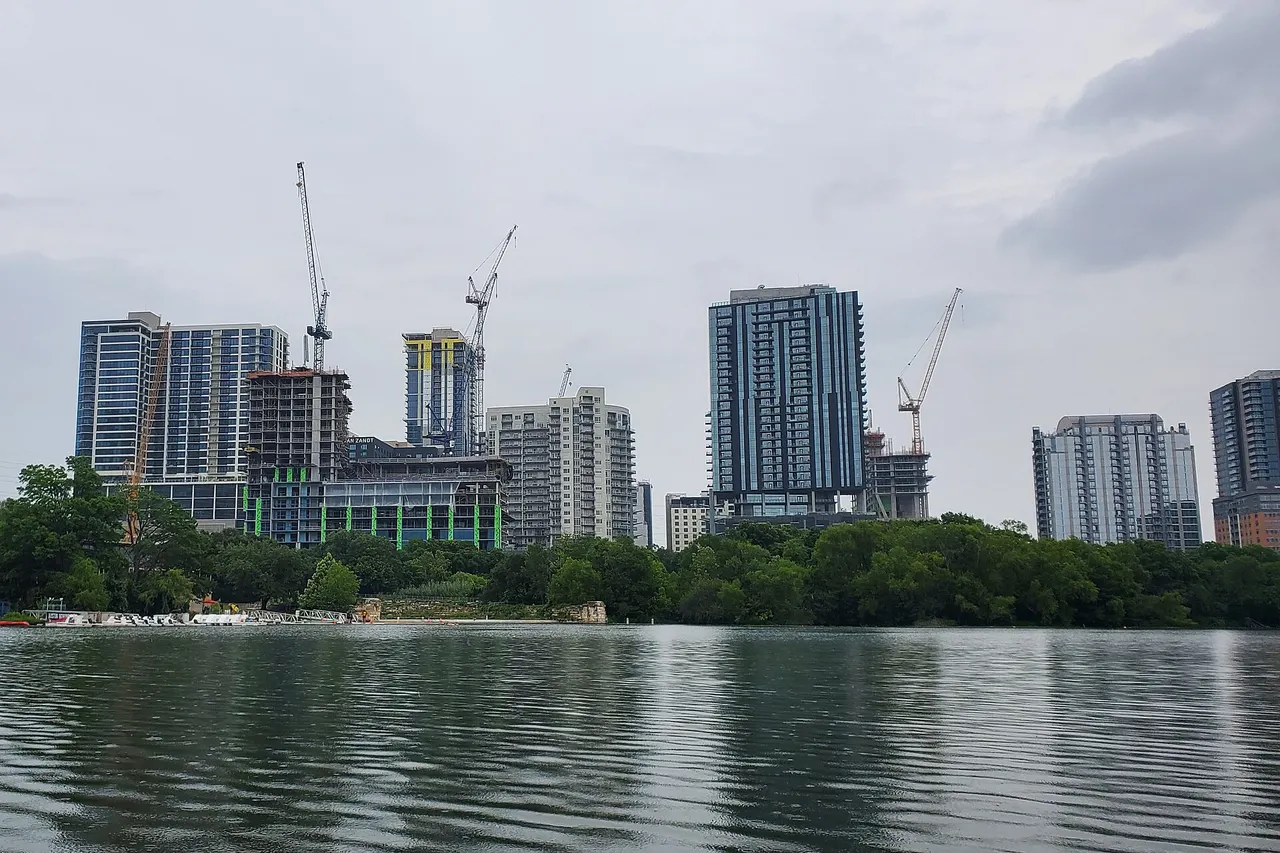
Downtown is the no-car base. You’re a short walk from the Texas State Capitol, the hike-and-bike trail along Lady Bird Lake, and the music addresses people actually use: Red River for Mohawk and Stubb’s, Antone’s for blues, Sixth Street if you still want the neon postcard. Congress Avenue Bridge bat emergence runs roughly late March through November, peaking in August and September around sunset - the Statesman lawn and the bridge sidewalk are the easy viewing spots, and parking at that hour is the real bottleneck.
Rainey Street sits on the southeast edge of downtown: converted bungalows turned into bars, with hotels stacked around them. It’s either exactly your scene or the reason you’ll ask for a high floor. Book downtown when your nights are the point of the trip. Book somewhere else when you need quiet after 11 p.m.
The same zip codes get a lot pricier when SXSW takes over in March (the 2027 edition runs March 13-21, 2027) and when Austin City Limits fills Zilker over two fall weekends (the 2026 edition ran October 2-4 and 9-11, 2026; as of October 19, 2026, aclfestival.com hadn’t posted 2027 dates, so check it before you lock a non-refundable rate). If you don’t have festival tickets, those weeks are a bad time to discover downtown lodging.
South Congress: one street that behaves like a neighborhood
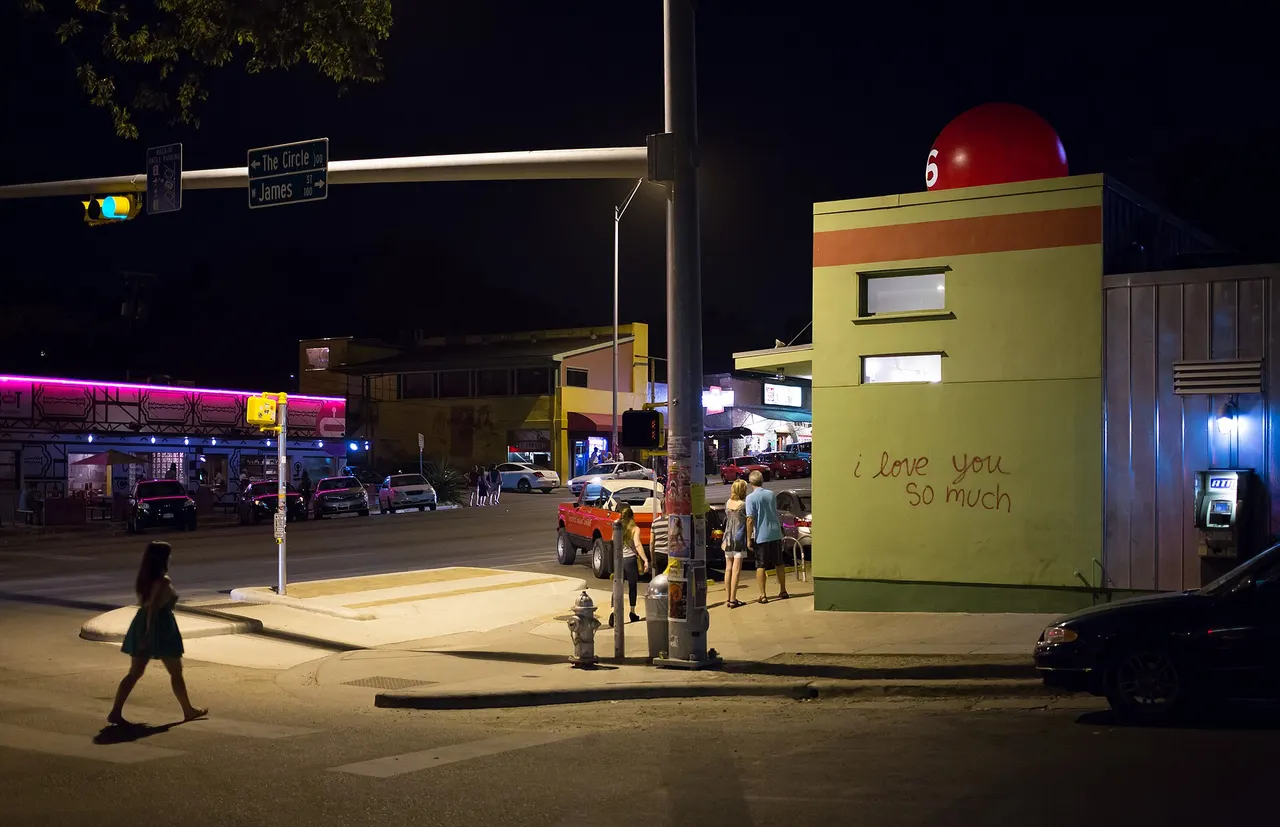
Cross the river on Congress and you’re in SoCo - vintage shops by day, the Continental Club and C-Boy’s after dark, food that doesn’t require a car once you’ve parked. The “I love you so much” mural is the Instagram stop; the actual reason to sleep here is that you can do a full evening without choosing between “cute street” and “live music.”
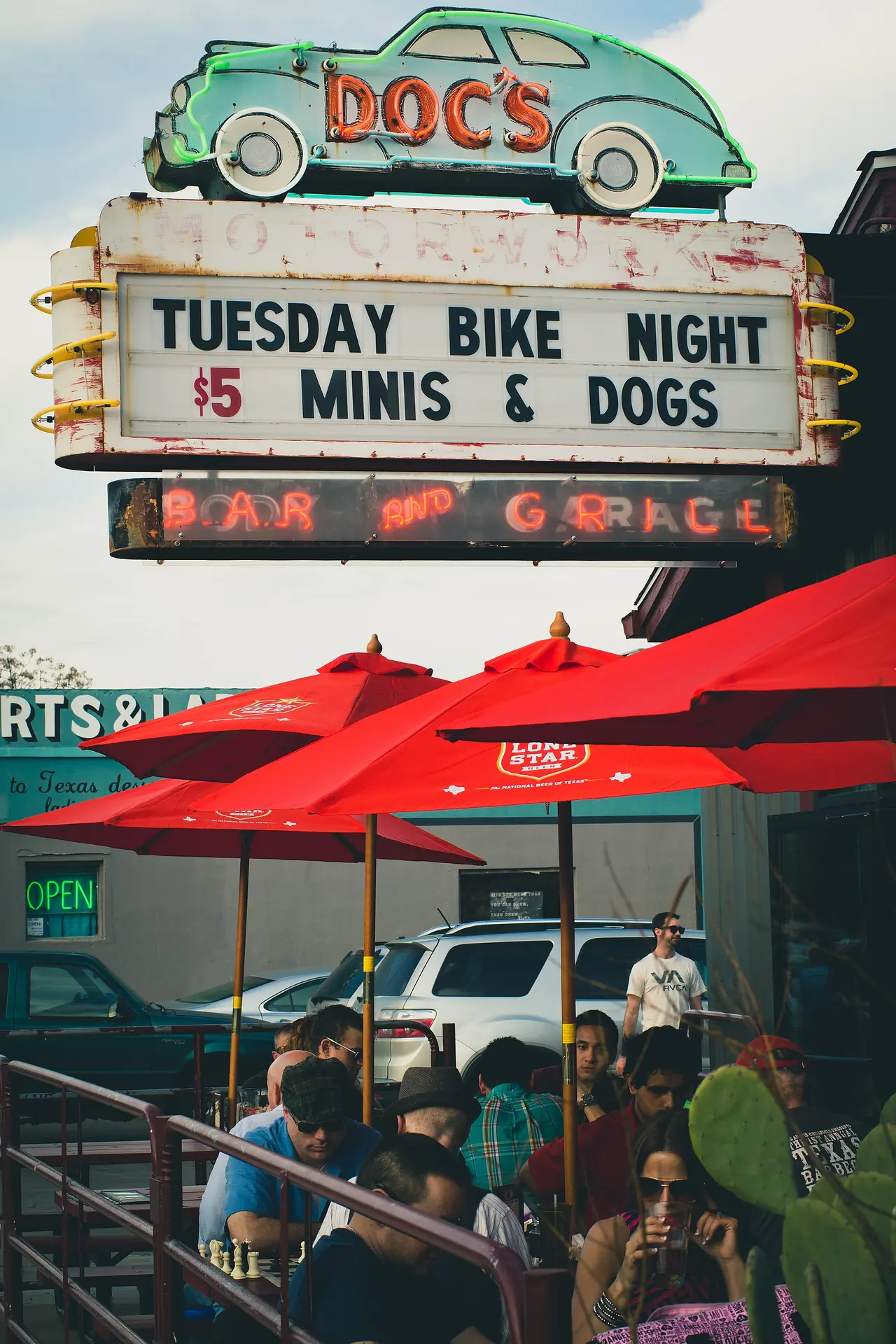
Downtown is roughly a 20-25 minute walk over the bridge when it’s pleasant, or a short rideshare when it’s 100F. That’s the trade: you give up doorstep Sixth Street, you gain a base that still feels like a neighborhood in the morning. South Congress is the pick when your days mix shopping, food and a show, and you don’t need the Capitol outside the lobby.
East Austin: across the interstate on purpose
East of I-35, the grid loosens into bungalows, murals and the barbecue addresses that start selling out before lunch. Franklin Barbecue on East 11th is the famous line; the wider East Side is where a lot of the city’s newer bars and restaurants opened once downtown rents jumped. Rooms here often cost less than comparable downtown towers, and nights are quieter once you leave the bar blocks.
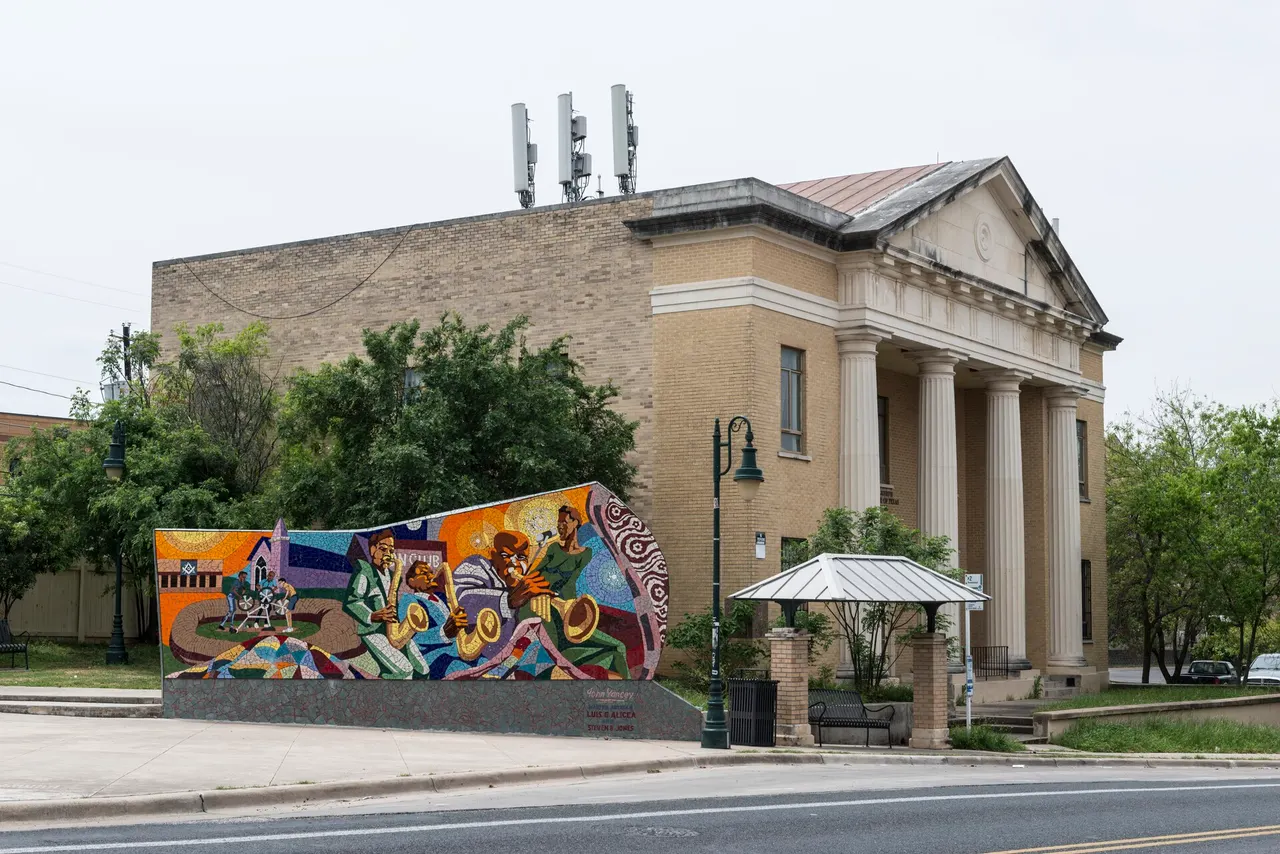
The catch is the interstate. Every Capitol visit, every Red River show, every bat viewing means crossing I-35. That’s fine if you plan it. It’s miserable if you assumed “Austin” meant you could walk everywhere. Stay east when food and a calmer night are the priority; don’t stay east if your itinerary is three downtown venues a night.
Zilker and the west-of-downtown pool base
If Barton Springs is the reason you came - or you’re in town for ACL at Zilker Park - sleeping west of downtown near the park saves a daily transfer. You’ll still need a car or rideshare for East Side barbecue and most music rooms. Treat this as a day-trip base with a great pool, not as a substitute for downtown walkability.
Airport, car, and when to skip the rental
Austin-Bergstrom sits southeast of downtown - about 11 miles / 22 minutes free-flow to Congress Avenue on an empty road. Real I-35 time is longer more often than visitors expect. CapMetro and rideshares cover a downtown-and-SoCo weekend without a rental if you’re willing to use cars for the Hill Country day. The Austin city guide walks the daily clock (barbecue morning, springs midday, bats at dusk). The Texas guide is the page for stitching Austin onto San Antonio or the Hill Country with an open-jaw flight.
Putting it together for a first long weekend
If the trip is two nights of music and one pool day, South Congress does the job - walk the bridge or grab a rideshare downtown on nights you want the louder rooms. If walkable nightlife and a bat sunset matter more than anything else, book downtown and ask for a high floor if Rainey’s in the mix. If barbecue is the whole reason you’re coming and you’d rather sleep somewhere quieter, East Austin wins, as long as you accept the interstate crossing as the price of admission. Whichever you pick, multiply the room by 1.17 before you congratulate yourself on the rate, and budget a bit more if a 100-room hotel adds the TPID fee. The neighborhood choice is taste. The tax line is arithmetic.
On the map
The map loads on click - to keep the page lightweight.
The map didn’t load. Check your connection and refresh the page.
Admission and opening hours
- Admission price
- Austin lodging tax checked 10 August 2026: City Hotel Occupancy Tax 11% (9% occupancy + 2% venue project) plus Texas state Hotel Occupancy Tax 6%, for a combined 17% on taxable room charges. Hotels with 100 or more rooms may also pass through a separate Austin Tourism Public Improvement District assessment of about 2% of taxable room-night revenue as a folio fee - that fee is not a tax.
Quoted room rates rarely include tax. Festival weeks (SXSW in March, ACL in October) reprice the city - confirm dates before you lock a non-refundable rate. Neighborhood character changes block by block east of I-35 and south of the river.
Details checked: August 10, 2026
Read also

Before you go · 9 min read
New England Fall Foliage: When and Where to Go
Verified · August 27, 2026Yankee's 2026 forecast, peak windows by state and how to chase color from Vermont's Northeast Kingdom to the NH coast without betting on one weekend.

Before you go · 9 min read
Which Hawaiian Island: Oahu, Maui, Kauai or Big Island
Verified · August 24, 2026Pick one Hawaiian island for a week: Oahu for city and surf, Maui for beaches and Haleakala, Kauai for scenery, Big Island for volcanoes.

Before you go · 11 min read
Where to Stay in Phoenix: Downtown, Scottsdale or Tempe
Verified · August 18, 2026Free Sky Train, then $2 light rail into downtown. Scottsdale is the resort city; Tempe is ASU next door. Phoenix hotel tax is 13.07%.

Before you go · 11 min read
Global Entry and TSA PreCheck for Visitors
Verified · August 15, 2026Global Entry is $120 for five years and closed to most EU passports. TSA PreCheck is $85 or less, and only US citizens and LPRs can buy it.