
Philadelphia Travel Guide: History, Food & Neighborhoods
Independence Hall tickets and the $1 catch, Reading Terminal, roast pork over cheesesteak, and how Philadelphia works as a day trip from New York.
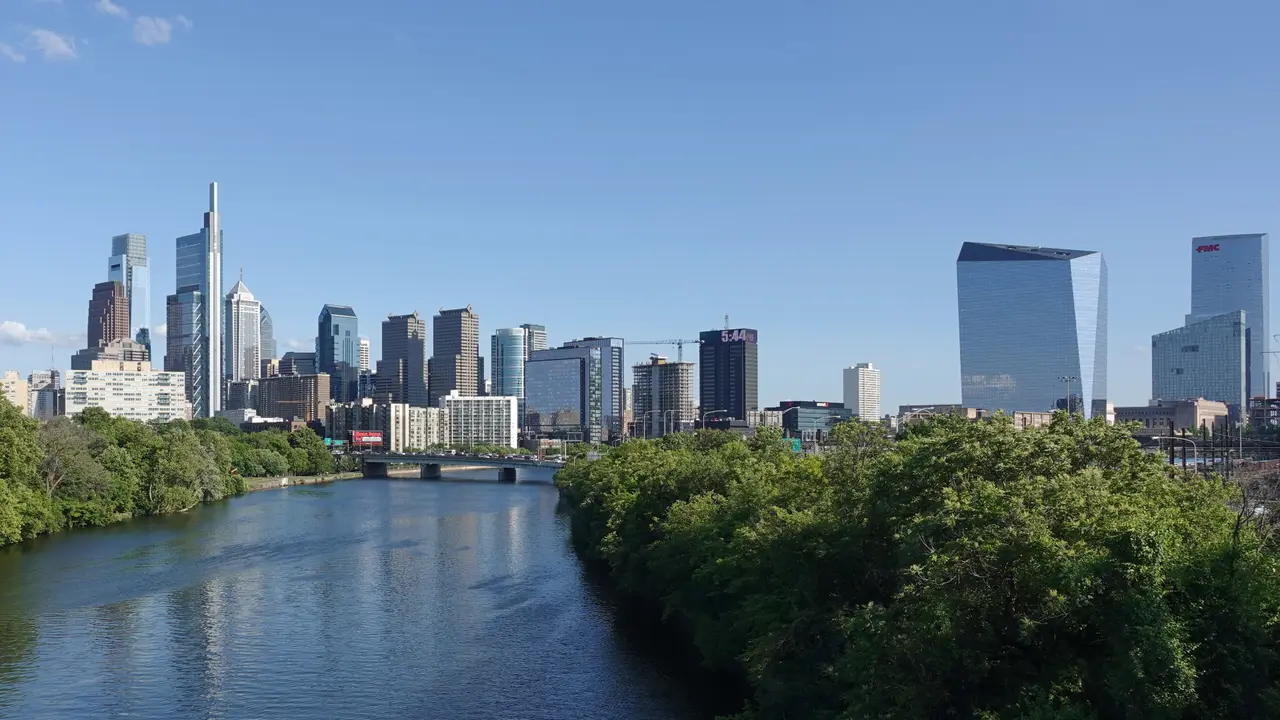
Two days is the honest answer for Philadelphia, and the first one barely needs a plan. The founding-era core sits inside about eight blocks of Old City, most of it costs nothing, and the second day belongs to the food and the neighborhoods that the Founding Fathers itinerary skips entirely. Book exactly one thing before you fly, the Independence Hall tour, and let the rest stay loose.
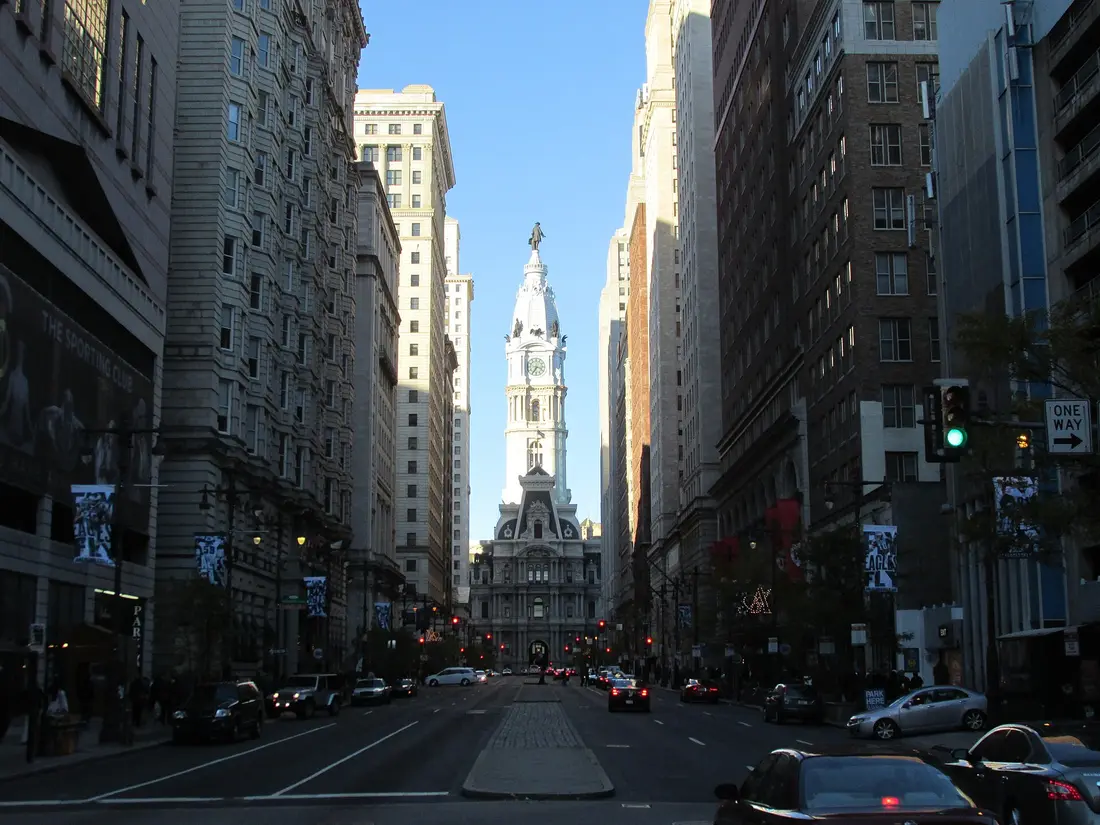
Center City reads easily once you have two lines in your head. Market Street splits the address grid north from south, Broad Street splits it east from west, and City Hall sits in the crossing. Numbered streets run north to south, counting upward as you walk west from the Delaware. From City Hall it’s 15 to 25 minutes on foot to Old City, Reading Terminal or Rittenhouse, and about half an hour to Eastern State Penitentiary or the art museum. South Philly, Fishtown and Boathouse Row are past comfortable walking range - budget a subway ride or a rideshare for those.
The one ticket to book before you fly
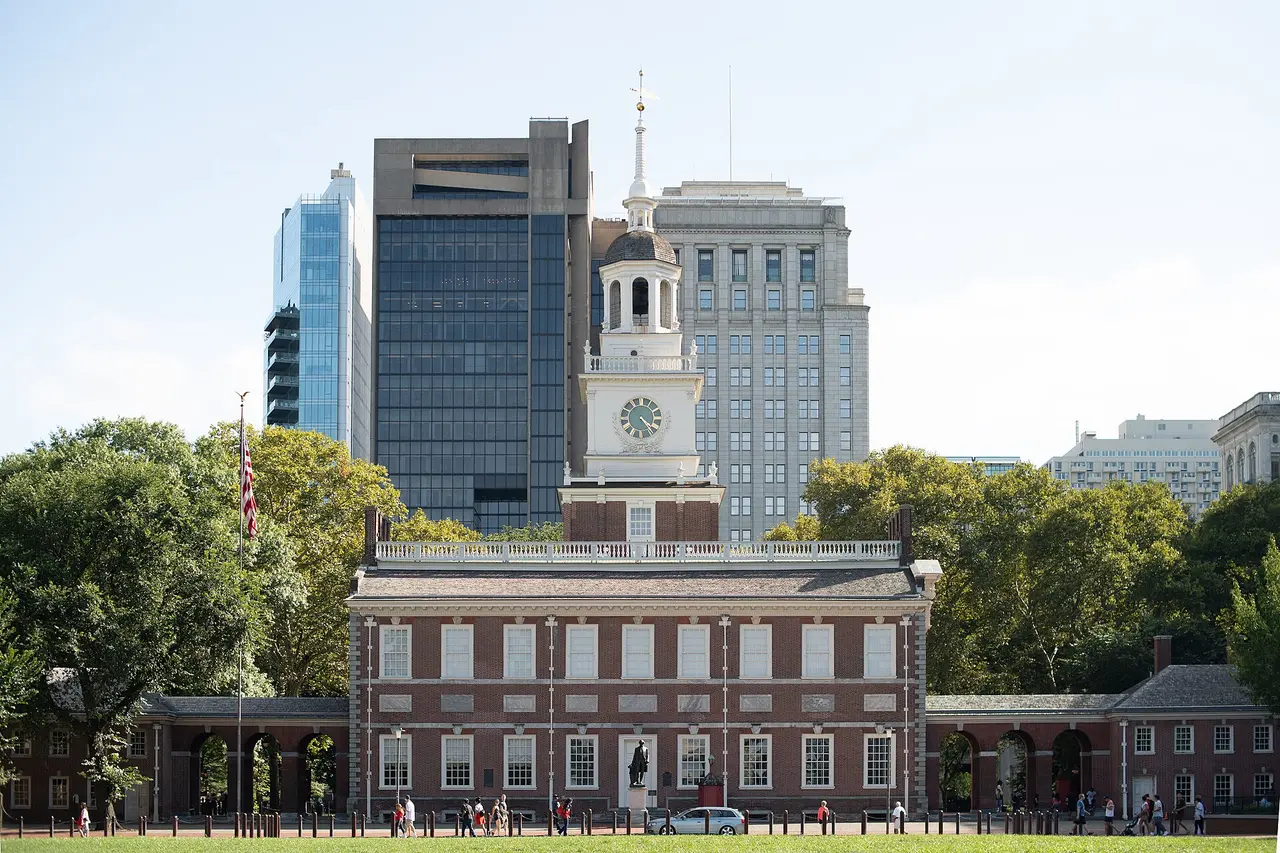
Independence Hall is free to tour and still catches people out, because “free” and “walk in” aren’t the same thing here. Between 10 a.m. and 4 p.m. the building runs guided tours every 20 minutes and every one of them needs a timed reservation booked through Recreation.gov, each carrying a non-refundable $1 processing fee. Your America the Beautiful pass doesn’t cover that dollar, and reservations are final once made.
Now the part that saves people their morning. There’s a 9 a.m. to 9:50 a.m. open house with no tickets required at all - you walk through security on 5th Street, and you walk in. That hour is the answer if your dates are sold out or you decided on Philadelphia over breakfast. Congress Hall next door does the same thing from 9 to 10 a.m.
If you’d rather have the guided version, bookings open 30 days ahead, up to ten tickets per account, and summer slots go fast. Miss them and there’s still a second chance most people never hear about: an extra batch of next-day tickets is released at 5 p.m. the evening before, first come first served. Set an alarm for 4:55 p.m., refresh, and you’ll usually get something. There’s also a longer expanded tour at 4:20 p.m., ticketed, which isn’t wheelchair accessible.
The guided tour itself is 20 minutes with no seating inside, which surprises visitors who have built a morning around it. Arrive 30 minutes early for screening, which closes at least 15 minutes before the building does, and treat the whole thing as an hour rather than a half day.
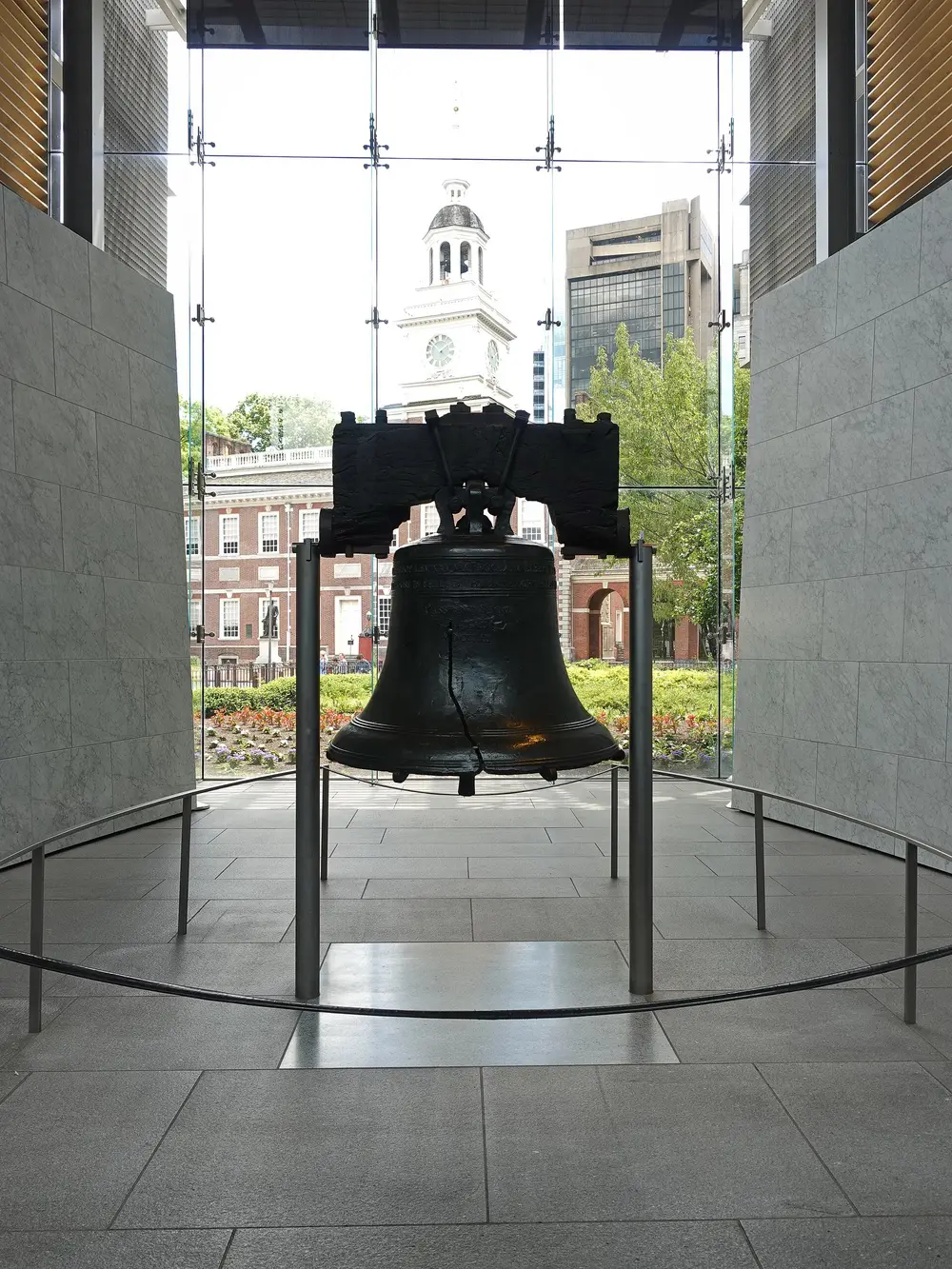
The Liberty Bell Center across the street needs no ticket at all. It’s free, first come first served, open daily 9 a.m. to 5 p.m., with the same airport-style screening at the door. Come at opening or after 4 p.m. and you’ll walk straight in; between 11 and 2 in July you won’t.
Old City is a half day, not a whole one
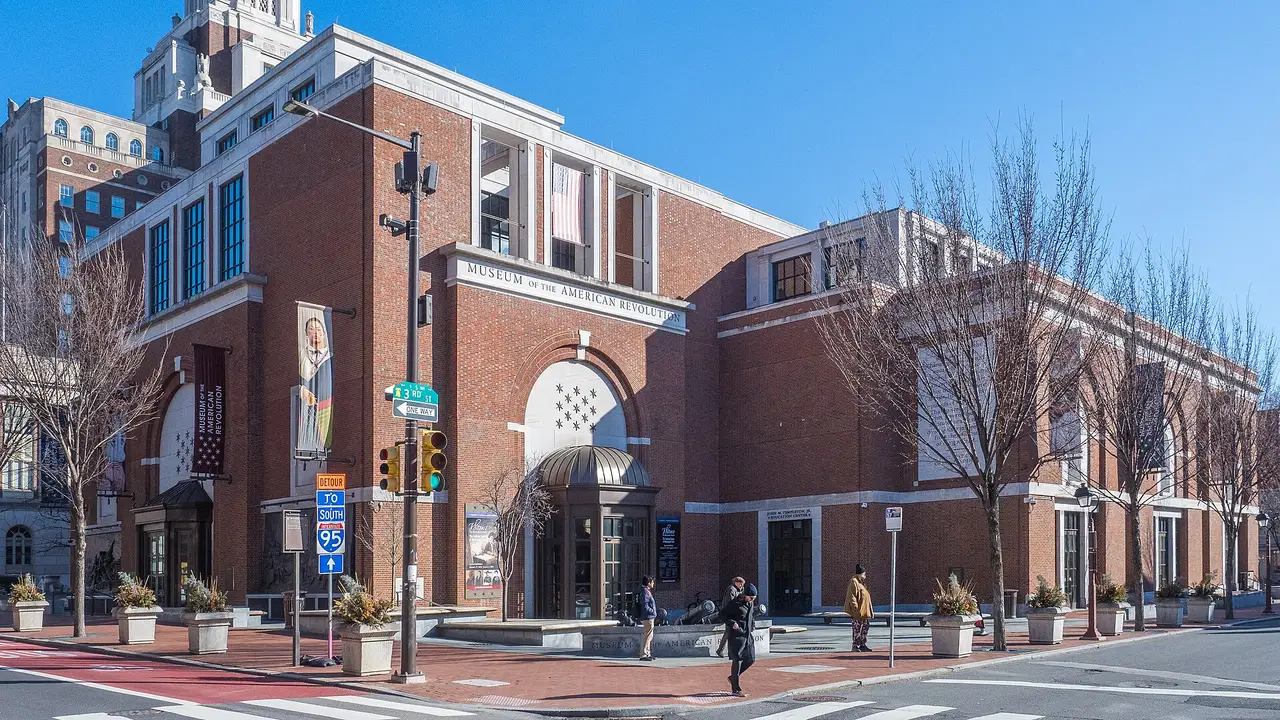
The Museum of the American Revolution on South Third Street is the paid one worth the money, because it fixes the flat, memorized version of 1776 you got at school. Adults pay $25 online or $27 at the desk, seniors, students, teachers and military $21, youth 6-17 $14, and it opens daily 9:30 a.m. to 5 p.m. Through 3 January 2027 it’s also running “The Declaration’s Journey,” a semiquincentennial show of more than 120 artifacts from around 50 lenders tracing what the document did to the rest of the world after 1776. Note that end date if you’re planning a 2027 trip.
Three blocks north, Elfreth’s Alley is a cobbled lane of 1700s houses that has been lived in continuously since 1703, which makes it the oldest residential street in the country still doing its job. People actually live behind those doors, so keep your voice down and don’t lean on the shutters. Walking it’s free; the little museum at numbers 124 and 126 runs a seasonal April-to-November schedule and opens Friday to Sunday, noon to 4 p.m.
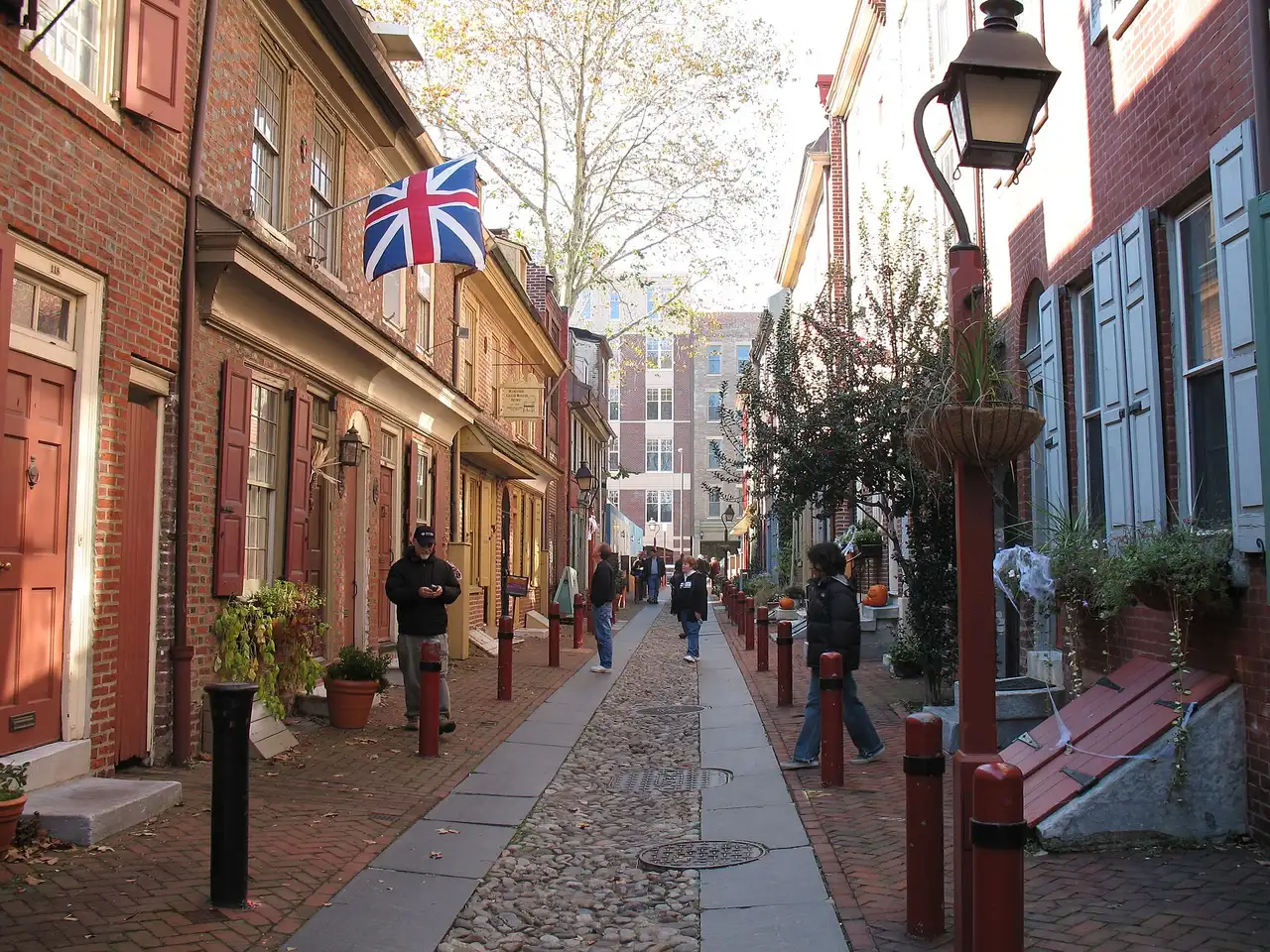
With an hour left over, the Benjamin Franklin Museum is $7.50 for adults and sits underground on the site of Franklin’s own house, demolished in 1812 and now outlined by a steel frame where the walls stood.
The food argument: roast pork, not cheesesteak
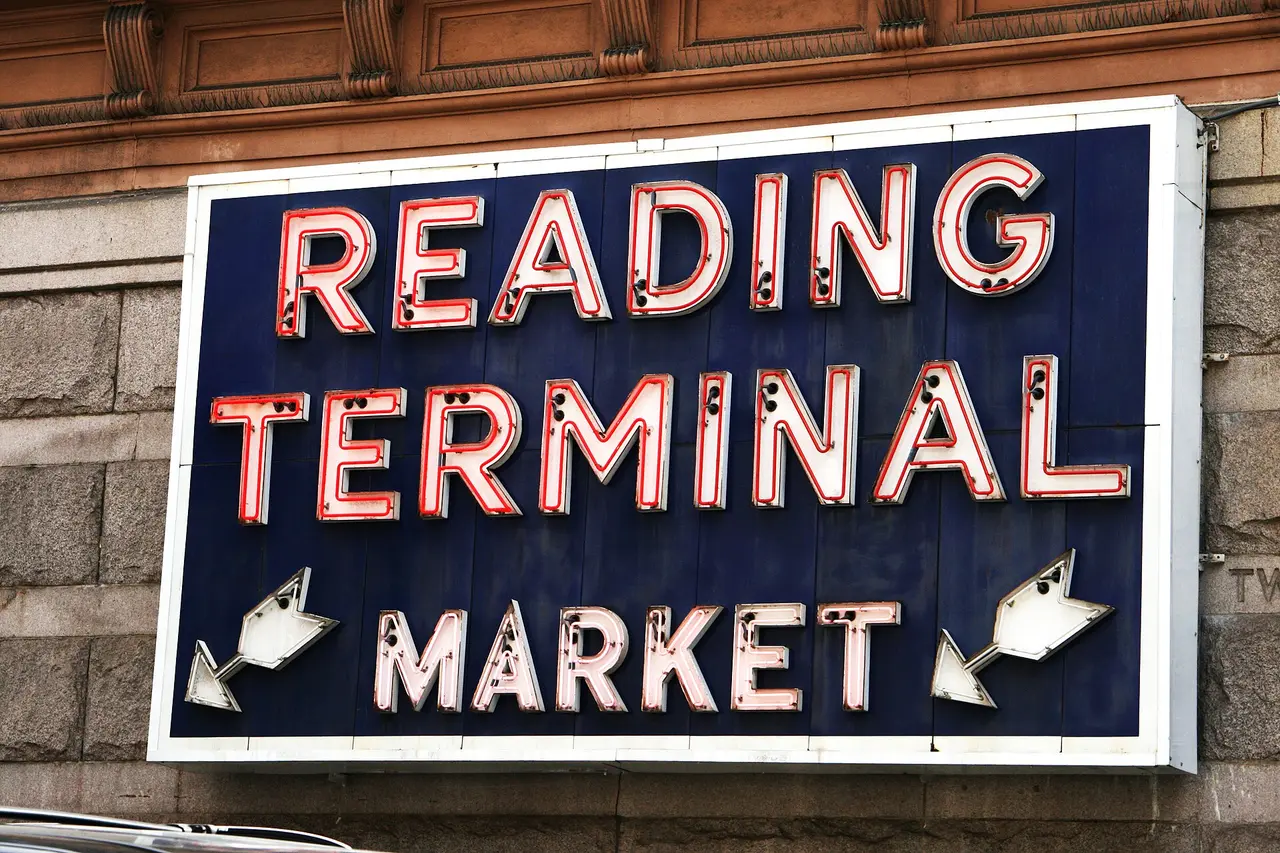
Reading Terminal Market at 12th and Arch won USA Today’s 10Best readers’ poll for the best public market in America in April 2026, and it deserves it. What matters more for your schedule is a detail buried in its own opening times. The market runs 8 a.m. to 6 p.m. every day, so a Sunday visit looks identical on paper. It isn’t: all the Pennsylvania Dutch merchants close on Sundays. Those Lancaster County counters, with the pretzels, the scrapple, the apple dumplings and the fried chicken, are the ones people travel for. Come Tuesday to Saturday, ideally before eleven, and you get a different market entirely.
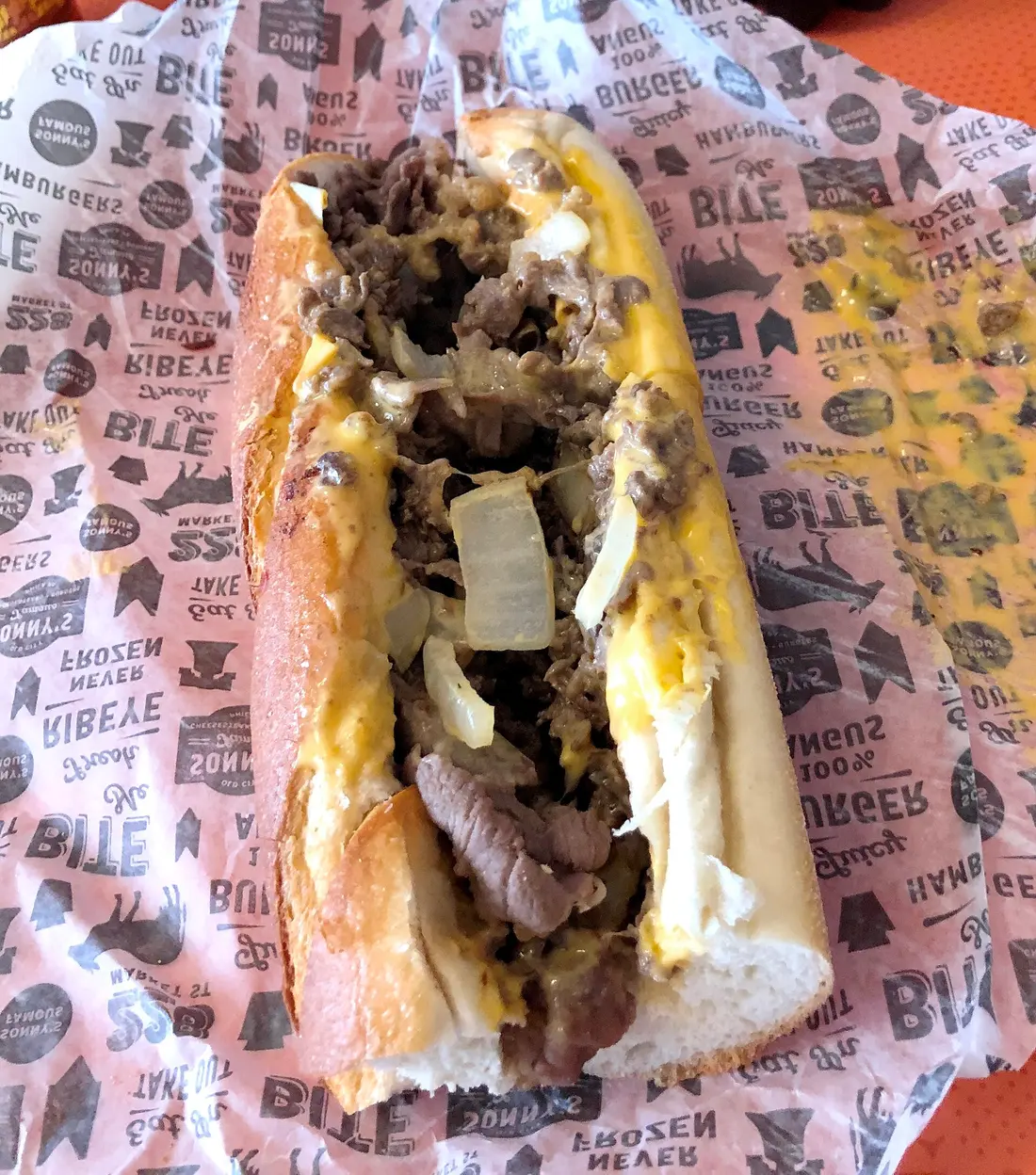
Now the sandwich. Pat’s and Geno’s face each other across 9th and Passyunk under a great deal of neon, and the rivalry is genuine city theater. It’s also not where locals eat. Ask a Philadelphian for the city’s real sandwich and you’ll get roast pork: sliced pork shoulder, sharp provolone and bitter greens on a long roll. John’s Roast Pork on Snyder Avenue, family-run since 1930, was named an America’s Classic by the James Beard Foundation in 2006 for exactly that. Check the hours first, because John’s is a daytime counter and shuts long before dinner.
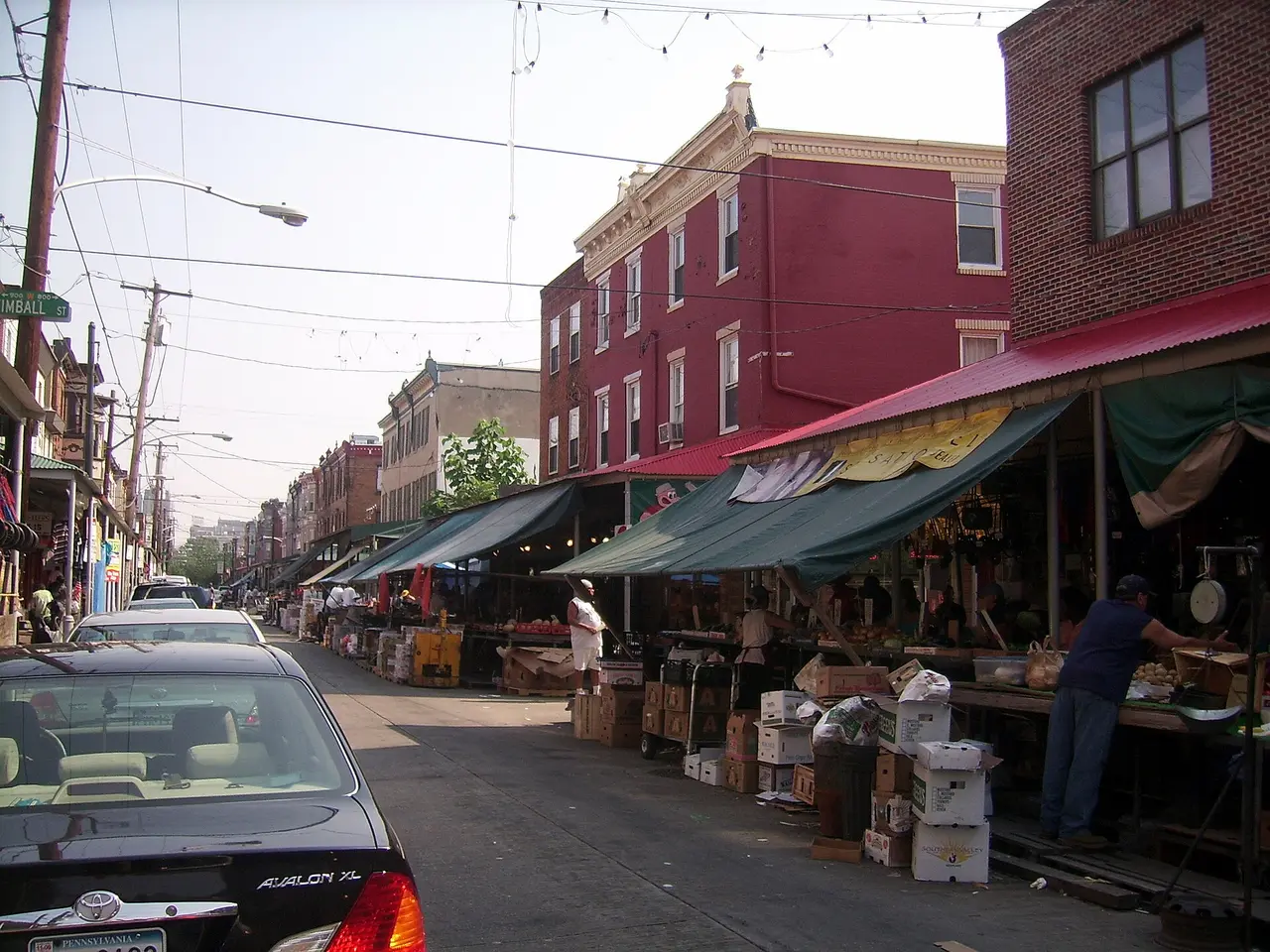
Walk five blocks south from Pat’s into the 9th Street Italian Market, a working curb market of butchers, cheese shops, produce stalls and taquerias under awnings and barrel fires. Its southern end has been Mexican and Southeast Asian for two decades, and the tacos there beat anything on the tourist stretch.
Food & Wine has put Philadelphia in its top 10 U.S. cities for food and drink, and behind that ranking sits a licensing quirk worth knowing before you book. Pennsylvania caps liquor licenses at roughly one per 3,000 residents, so a Philadelphia restaurant license changes hands on the secondary market for something like $60,000 to $150,000. A thirty-seat kitchen simply opens without a bar, tells you to bring your own bottle, and puts the money into the cooking. Carry a bottle to a BYOB in Fishtown or on East Passyunk Avenue and your one restaurant evening eats better than the equivalent in Manhattan for less.
Neighborhoods that pay off after the history
Rittenhouse Square is the elegant one: a formal park surrounded by townhouses, bookshops and the densest run of good restaurants in Center City. It’s where you go for a long lunch and a walk, not for sights.
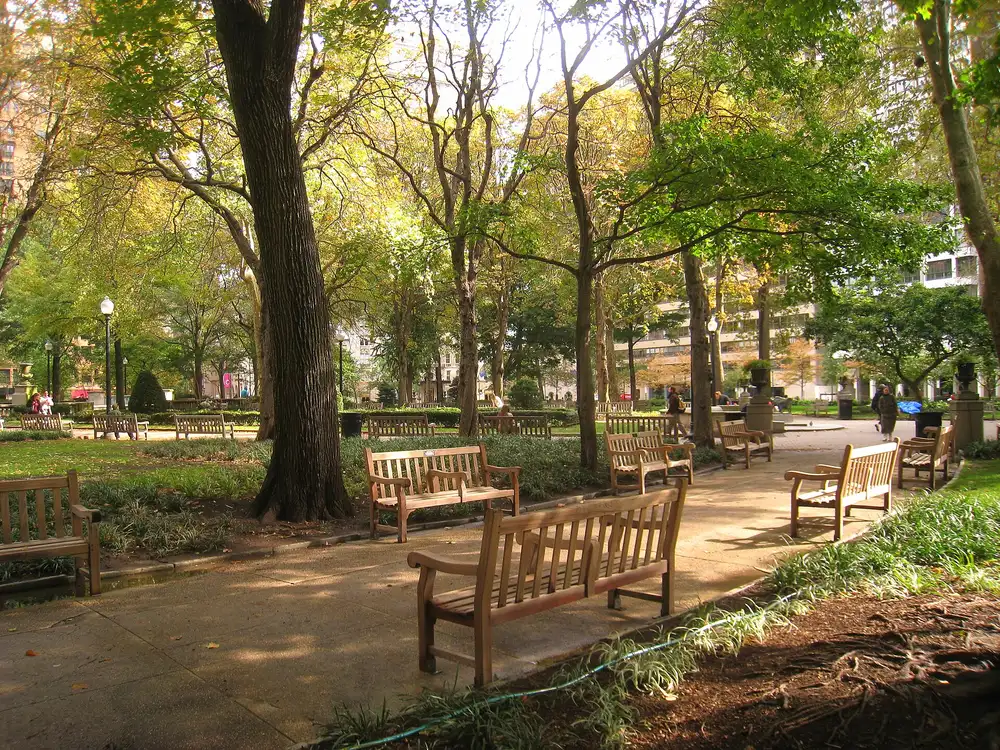
Fishtown, on the Delaware northeast of Old City, changed fastest: a former shad-fishing river neighborhood now full of record stores, coffee roasters, breweries and the music venues that made the city’s reputation in the 2010s. East Passyunk in South Philly does the same trick with less hype and better Italian food. Fairmount wraps around the art museum and the old prison, and it’s where you stay for quiet streets and a corner bar.
Walk through City Hall at least once. Its tower carries a 37-foot bronze William Penn, and the courtyard underneath is a public passage you can cut through for free on the way to anywhere.
The Parkway, and how to see the art for nothing
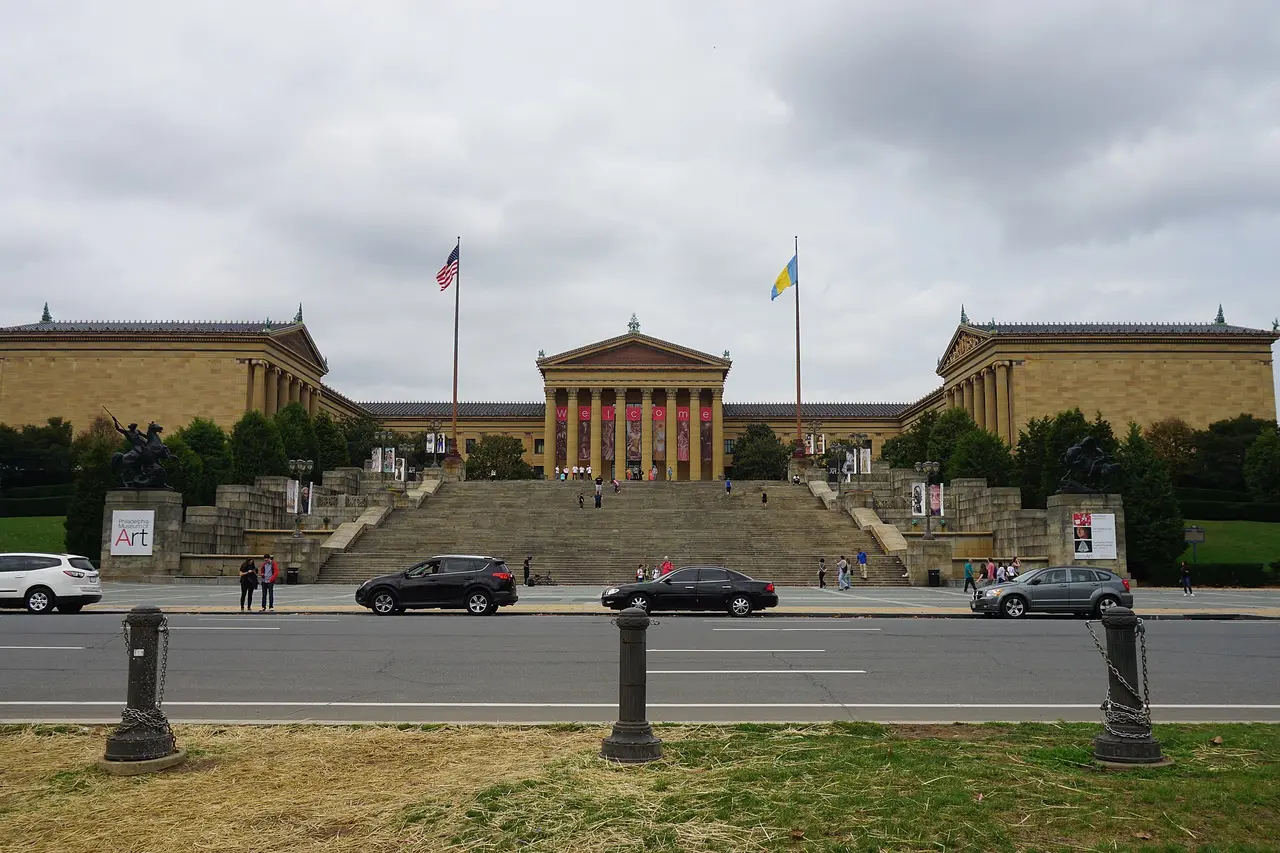
The Benjamin Franklin Parkway runs diagonally from City Hall to the Philadelphia Museum of Art, whose east steps are the ones Rocky ran up. Those cost nothing at any hour, and the view back down the Parkway is the best free photograph in the city.
Inside is where timing earns you money. Admission is pay what you wish on the first Sunday of every month, and through 4 September 2026 on Friday nights too, under the museum’s Independent Fridays program; after that date Friday evenings drop to a half-price $15. Anyone 18 or under is always free. The museum is closed Tuesday and Wednesday and open until 8:45 p.m. on Fridays, so a Tuesday afternoon on the Parkway is a wasted one.
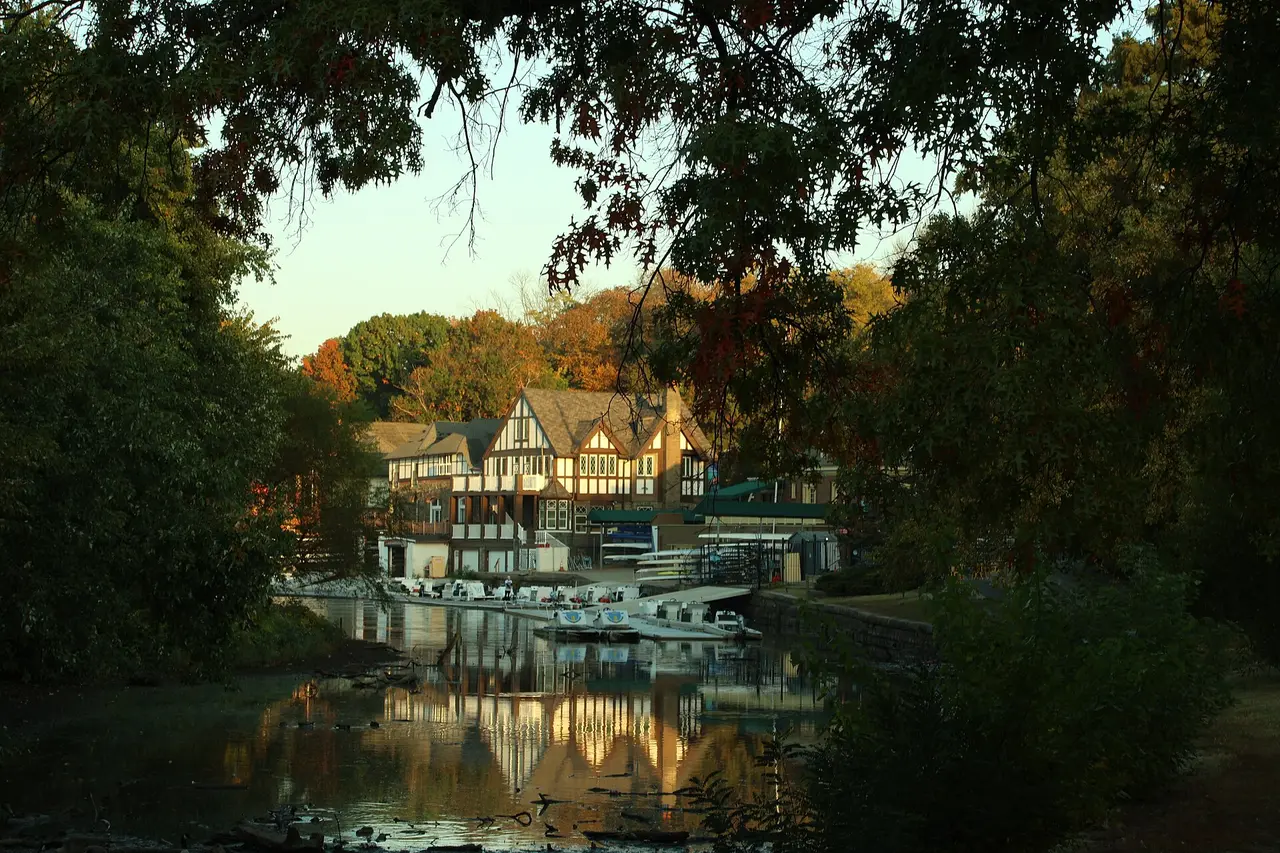
The Barnes Foundation sits further down the same street with one of the world’s great holdings of Renoir, Cézanne and Matisse, hung in the founder’s own idiosyncratic arrangements rather than by school or date. Book ahead and check the current price. Behind the art museum, the Schuylkill path runs past Boathouse Row, nineteenth-century rowing clubs outlined in lights after dark.
Two places that aren’t about 1776
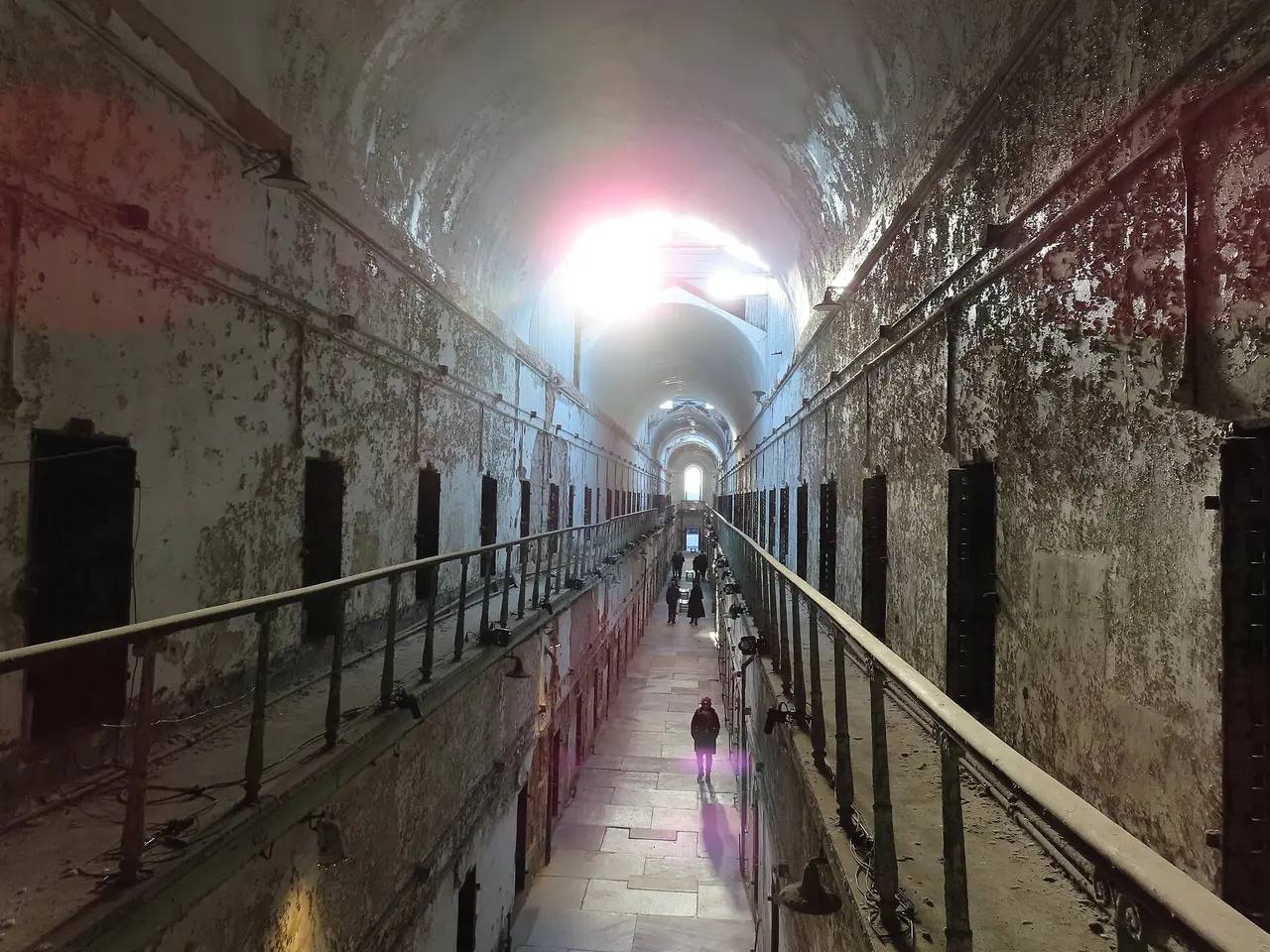
Eastern State Penitentiary on Fairmount Avenue opened in 1829 as the world’s first true penitentiary, built on the theory that solitude and silence would produce penitence. It produced madness instead, and the ruined vaulted cellblocks are the most affecting hour in Philadelphia. Adults pay $21 online or $23 at the door and the audio tour runs about 40 minutes. Buy online and dress for the weather: the building has no heating and no air conditioning.
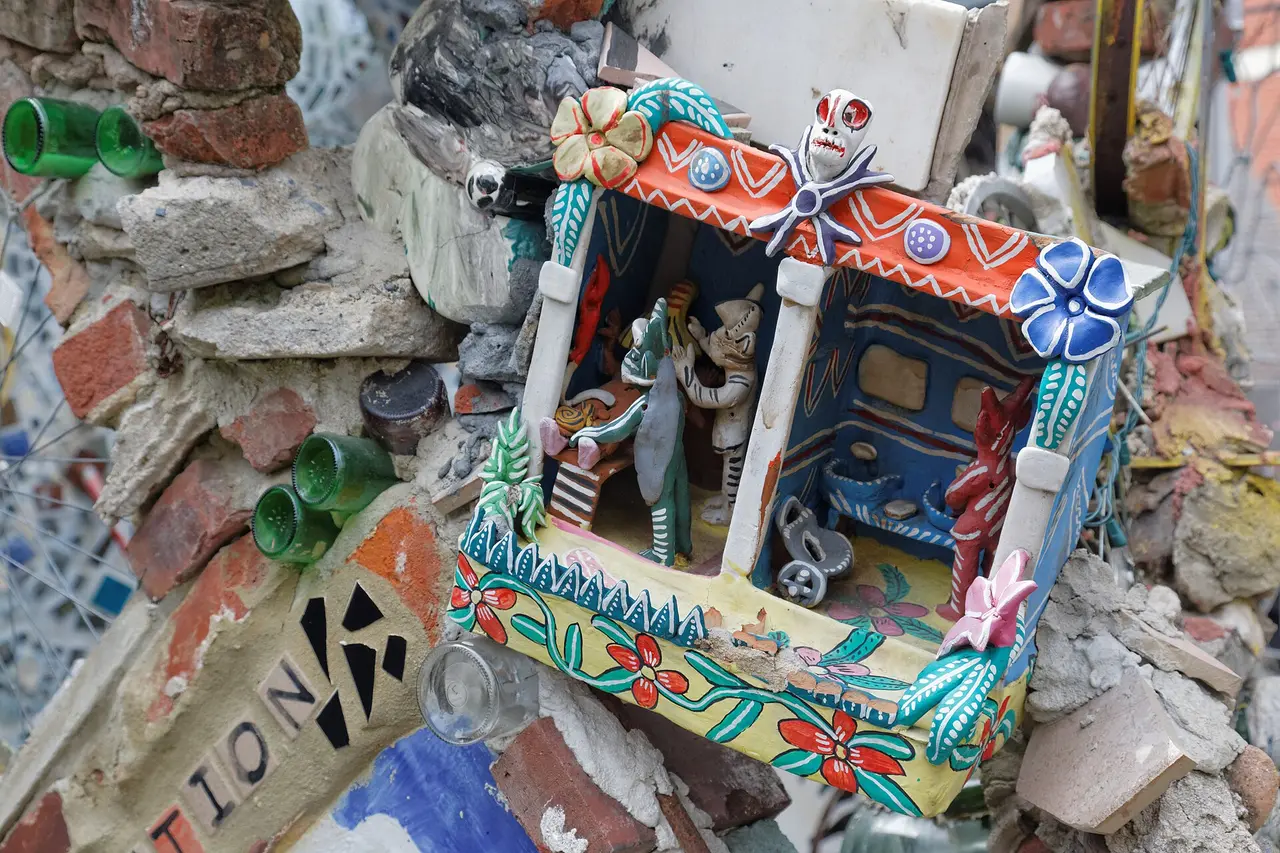
Philadelphia’s Magic Gardens at 1020 South Street is half a city block that the mosaic artist Isaiah Zagar covered in tile, mirror shards, bicycle wheels and bottles over fourteen years. Admission is $15 for adults, $8 for children 6-12, and it opens Wednesday to Monday, 11 a.m. to 6 p.m. It’s closed Tuesdays, and general admission regularly sells out, so book online before you walk down South Street rather than after.
As a day trip from New York, and why one night beats it
More than 20 Amtrak trains a day run each way on the Northeast Corridor between New York Penn Station and Philadelphia’s 30th Street Station: roughly 1 hour 15 to 1 hour 30 on Northeast Regional, about 1 hour 10 on Acela. Fares swing hard with demand, so book the specific train rather than showing up.
A day trip does work, on one schedule. Train before 8 a.m., subway east to Old City, Liberty Bell and your booked Independence Hall slot before noon, lunch at Reading Terminal, then the Museum of the American Revolution or the art museum. Back on a 7 p.m. train, you’ll have covered the reason Philadelphia is on the map.
What you lose is the half that makes the city likeable: the BYOB dinner in Fishtown, the Italian Market in the morning, the bar in Fairmount. One night turns a checklist into a trip, and hotel rates here run well below New York’s. Our 7-day East Coast itinerary shows how Philadelphia slots between New York City and Washington DC without doubling back.
Getting around, and getting in from the airport
Philadelphia is a walking city in a way that surprises people arriving from Los Angeles or Houston. Old City to Rittenhouse is 25 minutes on foot, and you’ll rarely need transit inside Center City at all.
When you do, SEPTA’s base fare on bus and Metro (their name for the subway and trolleys) is $2.90, tapped with a contactless bank card, phone or SEPTA Key, and your first two transfers are free within 90 minutes. A One Day Anywhere pass is $7.50 for bus and Metro, or $16.25 with Regional Rail included. Skip the passes unless you’re coming in from the suburbs.
From Philadelphia International Airport, the Airport Line runs every 30 minutes from stations at all four terminal groups through to 30th Street, Suburban and Jefferson. Budget $8.75 one way: SEPTA’s fare table lists that figure into Center City while the airport’s page still quotes a lower $6.75 Key-card fare, so take the higher number. Against a rideshare stuck on the Schuylkill Expressway, the train is cheaper and far more predictable. Driving here’s another matter, and renting a car in the USA covers the tolling and insurance traps waiting the moment you leave the city.
When to go, and where to stay
Late April through early June and mid-September through October are the two good windows: mild, dry enough, with the parks and the river path at their best. July and August are humid in a way the Atlantic coast does properly, and the historic square mile has almost no shade. If the plan is to trade the humidity for sand, Delaware’s Rehoboth and Lewes are where Philadelphia plates head on a summer weekend. Winter is cheap, museums are empty, and the walking is fine if you dress for it.
For a base, Old City puts you inside the history and next to the best bars, but it empties out midweek. Rittenhouse costs more and gives you the restaurants. Fishtown is cheaper, younger and a 15-minute ride out. The neighborhood trade-offs are spelled out in where to stay in Philadelphia. Lancaster County, Gettysburg and Pittsburgh are all in the Pennsylvania travel guide, and what to eat in America places Philadelphia’s sandwiches in the wider map of regional cooking.
Read also
- The parent state, and the countryside around the city: Pennsylvania travel guide
- 90 minutes up the corridor: things to do in New York City
- 90 minutes down the corridor: things to do in Washington DC
- The full corridor on rails: East Coast 7-day itinerary
- Browse more US cities and US states
On the map
The map loads on click - to keep the page lightweight.
The map didn’t load. Check your connection and refresh the page.
Good to know
Museum prices and opening hours here were checked against operator sites in August 2026. Independence Hall ticket release rules and museum hours change seasonally, so confirm on the day before you build a schedule around them.
Details checked: August 4, 2026
Read also

Cities · 13 min read
Salt Lake City: Ski Base, Temple Square and the Salt Flats
Verified · August 29, 2026Four ski resorts inside 36 miles of the airport, a temple you cannot enter until 2027, and a salt flat that closes for racing. What to plan around.

Cities · 9 min read
Atlanta: Civil Rights Trail, Aquarium and Southern Food
Verified · August 28, 2026Free MLK park on Auburn Avenue, Civil Rights Center from $26, Georgia Aquarium tickets from $54.99, BeltLine walks and where Southern food still holds up.

Cities · 9 min read
Minneapolis Guide: River, Lakes & the Blue Line
Verified · August 26, 2026A $2 train from MSP, Stone Arch and Minnehaha Falls, Walker on free Thursday nights, and when Mall of America is worth the ride south.

Cities · 12 min read
Savannah Travel Guide: Squares and the Historic District
Verified · August 22, 2026Walk the 22 squares, tour Owens-Thomas honestly, ride the free river ferry, then Bonaventure and Tybee - checked August 2026.