
Delaware: Rehoboth, Lewes, Tax-Free Shopping
No sales tax, Rehoboth meters at $4 an hour, Cape Henlopen at $20 for out-of-state cars, and Lewes without rewriting the ferry page.
Delaware the state is 96 miles tip to tip and still gets confused with the river that borders Philadelphia and cuts the Water Gap on the Pennsylvania / New Jersey line. Those river pages already exist. This one is about tax-free shopping, a short Atlantic beach strip and a ferry terminal in Lewes that connects to Cape May without making you rewrite the Jersey Shore itinerary.
Most visitors never see Wilmington except as a highway sign. They come for Rehoboth, Dewey, Bethany and Lewes - and for the receipt that doesn’t add sales tax at the bottom. You’ll spend the weekend on Route 1 and the boardwalk, not on corporate downtown.
Zero sales tax is real - and it is not a coupon code
Delaware’s Division of Revenue states it plainly: the state does not impose a state or local sales tax. Sellers pay a gross receipts tax; that tax is on the business, not a line item passed to you at checkout the way a New Jersey or Maryland sales tax is. Clothing, outlet bags and boardwalk souvenirs ring up without the familiar percentage.
Then the bill for your bed arrives, and Delaware taxes that. This is the part the “tax-free state” headline leaves out, so here it is in numbers. The state charges an 8% lodging tax on hotel and motel rooms, and the statute puts it on the occupant - that’s you, not the front desk absorbing a cost. Short-term rentals, meaning the beach house or the condo you booked for the week, carry 4.5%. Rehoboth Beach then stacks its own city lodging tax on top: 3% on hotels and 7% on rental homes. Add the layers and a Rehoboth hotel room lands near 11% in lodging tax, a rental house near 11.5%. Renting a car in Delaware picks up a 1.9914% vehicle rental tax as well.
That doesn’t cancel the shopping math - a serious outlet haul still saves real money at the register. It does mean the accurate sentence is “Delaware taxes your bed and your rental car, not your receipt,” and a beach week budgeted as if nothing is taxed will come in short.
Verify before you book. Lodging and rental tax rates are set by statute and by city ordinance, and both change. The figures above come from the Delaware Code, the Delaware Division of Revenue and the City of Rehoboth Beach as checked on September 3, 2026. Confirm current rates with the Delaware Division of Revenue and read the tax lines on your own booking confirmation before you treat any of this as final.
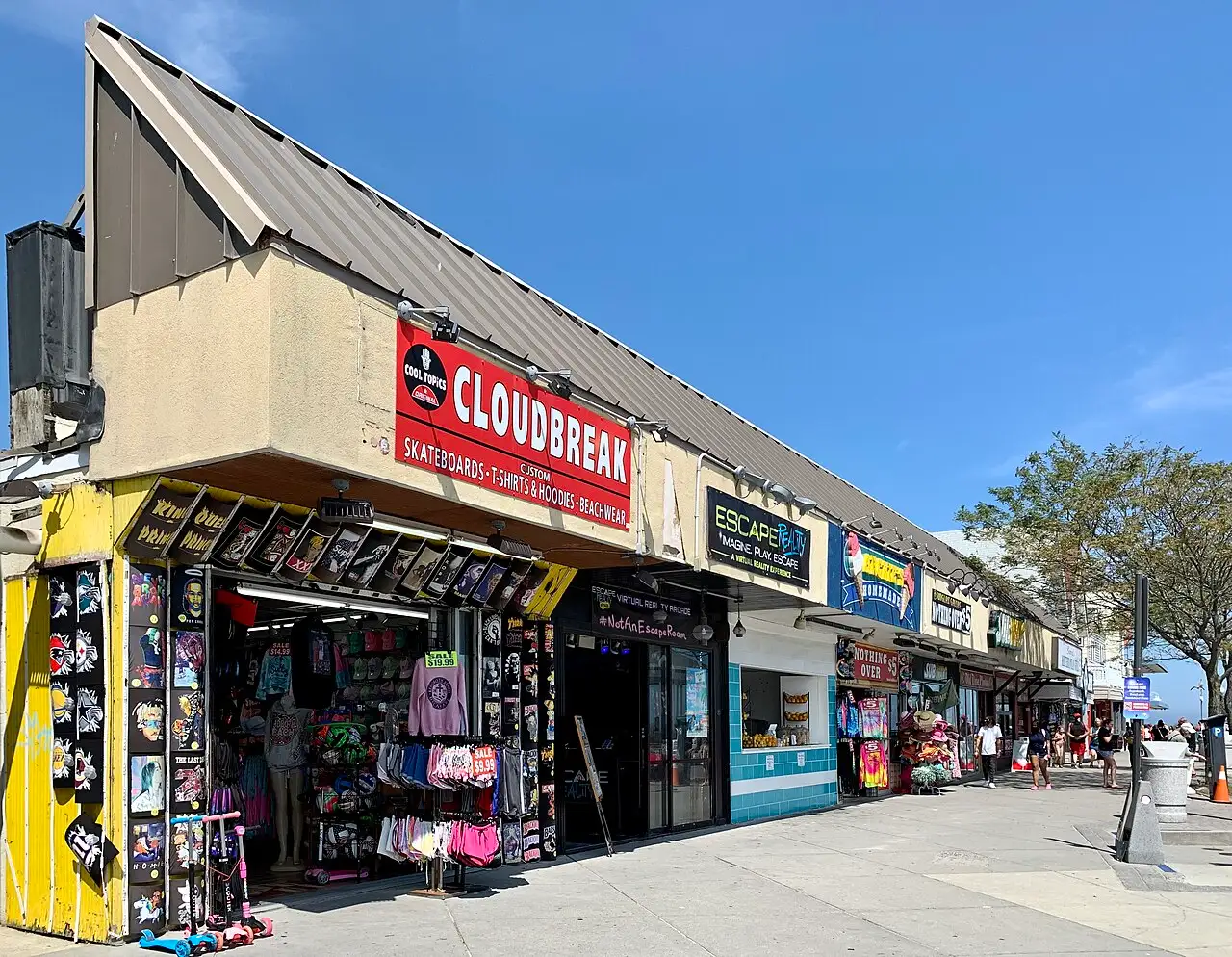
Tanger Outlets and the Rehoboth Avenue shops are where Mid-Atlantic shoppers cash the no-sales-tax rule - but be precise about who actually saves, because the neighboring states don’t tax the same things. Maryland charges its 6% sales tax on clothing, so a Baltimore or DC-area family really does drive home with a cheaper bag of T-shirts. New Jersey exempts clothing and footwear outright, and the state’s own tax bulletin lists swimsuits among the exempt items by name. Pennsylvania exempts everyday clothing too, under its tax code. So a shopper coming from Philadelphia or Cherry Hill is already paying 0% on ordinary shirts and jeans at home, and the swimsuit story simply doesn’t apply to them.
Where those visitors do come out ahead is everything clothing exemptions never covered: electronics, cameras, cosmetics, sunglasses, jewelry, liquor, a new cooler, boardwalk souvenirs. That’s the category worth driving for if you’re crossing from New Jersey or Pennsylvania, and it’s why the outlet lot isn’t filled purely with Maryland plates in July. Compare the hotel quote separately; lodging is where Delaware weekends get expensive. Build the outlet stop into the arrival day so you’re not burning beach light on fitting rooms.
Rehoboth: boardwalk first, parking second
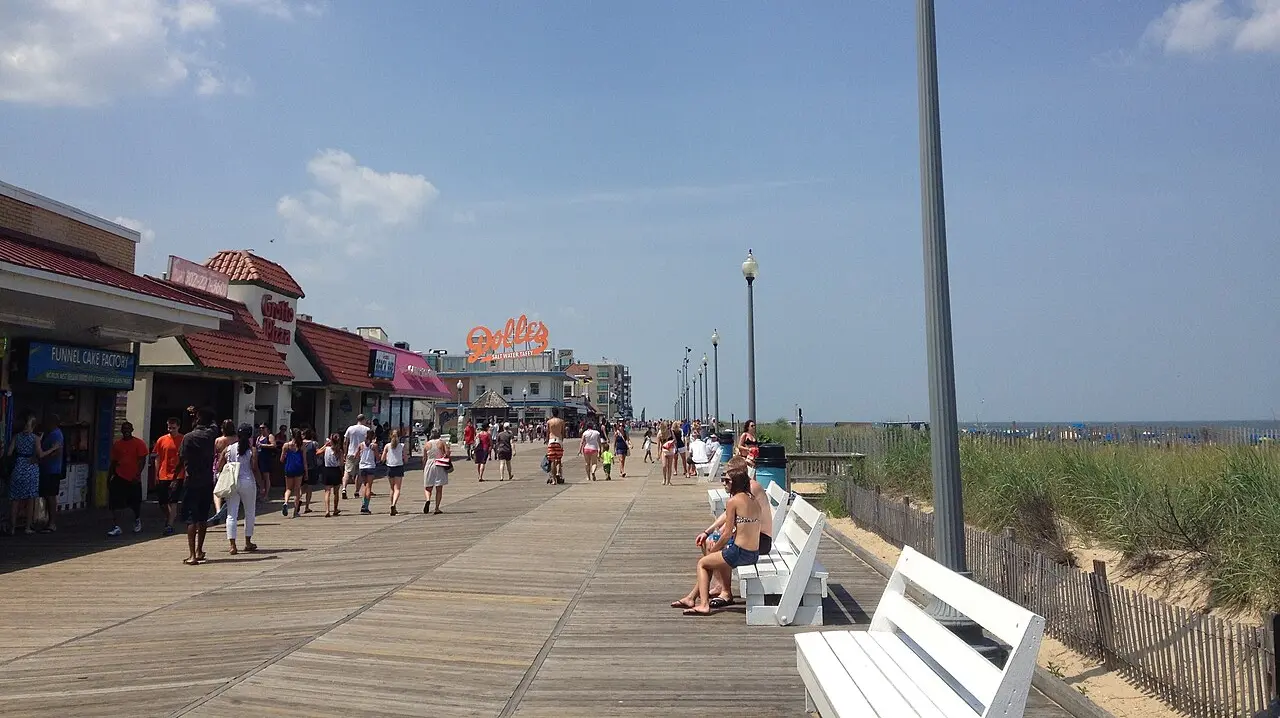
Rehoboth Beach is the social center of the Delaware shore - boardwalk, restaurants, family crowds, nightlife that skews friendlier than Atlantic City and louder than Bethany. The beach itself is free to walk onto; the fight is for a legal curb. Don’t assume a free residential street will stay free after 10 a.m. in season.
Rehoboth runs paid parking every season from May 15 through September 15 - the city treats those dates as its standing rule, not a one-year announcement, and prints them without a year even in its parking department’s own hours. Meters are $4 per hour, enforced 10 a.m. to 10 p.m. daily, payable at the meter or on ParkMobile. Permit zones run 10 a.m. to 5 p.m. on their own rules - a permit doesn’t cover a metered space. Outside the paid window the meters aren’t running at all, which is a quiet argument for a late-September weekend. Read the city’s parking map before you circle the same block three times; you’ll save an hour by deciding “meter vs permit” before you leave the hotel.
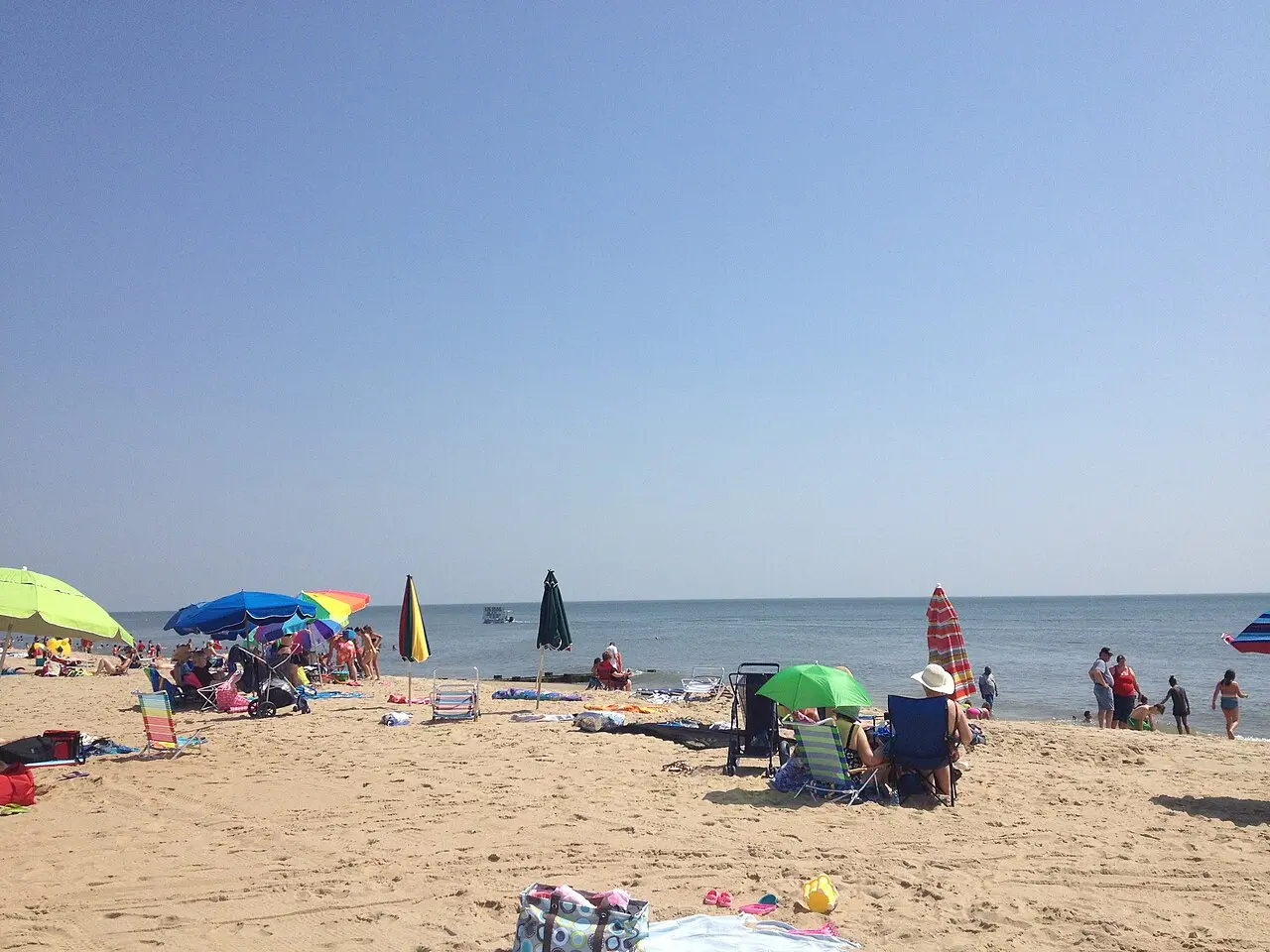
Dewey Beach sits immediately south and runs younger and louder after dark. Bethany and South Bethany feel quieter. Pick the town that matches your bedtime, not the first motel vacancy on Route 1. It’s a five-to-fifteen-minute hop between these towns in light traffic and a crawl on Saturday afternoon.
Lewes is the calmer twin - and the ferry town
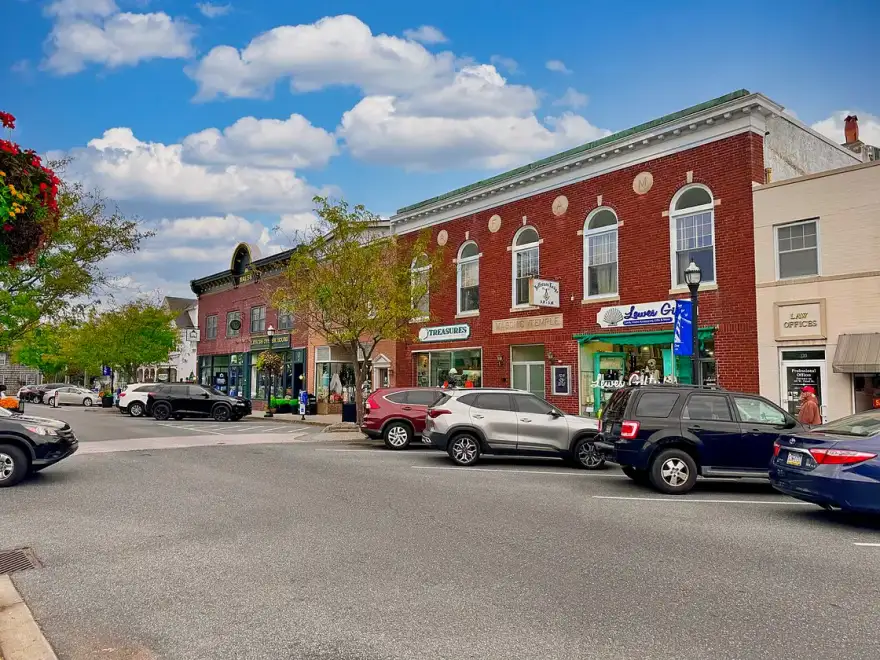
Lewes calls itself the first town in the first state and behaves like a historic district with a beach attached. Second Street is the stroll; the beach is a short hop east. From Rehoboth you’re only about eight miles away, which makes a Lewes dinner easy without changing hotels. It’s the stop people use when Rehoboth feels too loud and Cape May feels like a project.
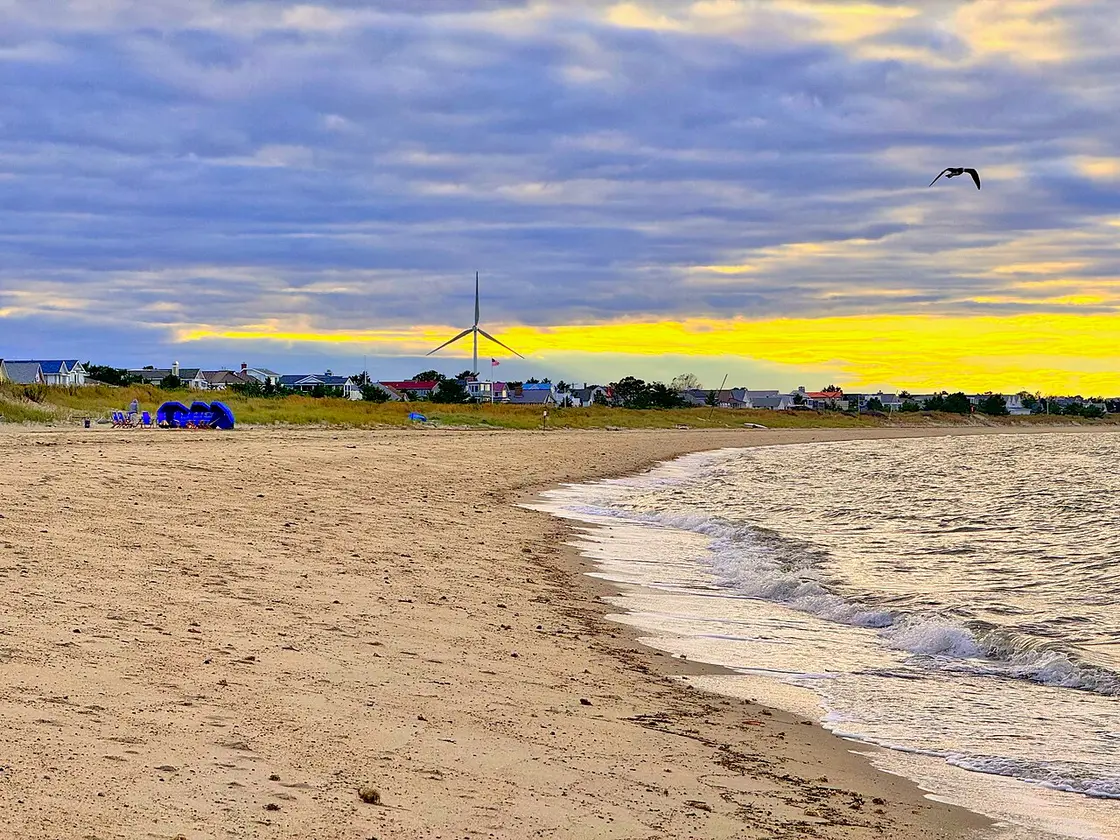
The Cape May-Lewes Ferry docks at 43 Cape Henlopen Drive in Lewes. The crossing is about 17 miles and 85 minutes across Delaware Bay, both figures published by the operator itself; this site’s New Jersey guide covers the Cape May terminal, the shore towns and why people ride. This page sticks to the Lewes side.
Two things about the fares are worth getting right. The Delaware River and Bay Authority adopted a revised schedule effective June 1, 2026, with staircase pricing on vehicles - base fare early, stepping up as the sailing fills, so booking ahead is a price and not just a seat.
The child fare is the one families get wrong, because it isn’t a calendar rule at all. Kids 6 to 13 ride free when the ferry’s fare season says they do, and those seasons are blocks of dates the authority publishes and revises, not fixed months. As checked on September 3, 2026, the posted table covered September 1 through October 31, 2026 and listed children 6-13 as free one-way and free round trip. Earlier in the year they weren’t free: the spring and summer 2026 tables both charged $3.00 one-way and $5.00 round trip. The DRBA widened the free window into the shoulder season in April 2026, which is why any tidy “free from October through May” summary is already behind the live table. Open the fare page for your own dates and read the date range printed at the top of it before you budget for a family of four. Reserve on cmlf.com either way; summer vehicle slots disappear. If you’re already in Cape May for Victorians and birding, the ferry is the clean handoff into Delaware beaches without the long drive around the bay.
Cape Henlopen and the $20 out-of-state day
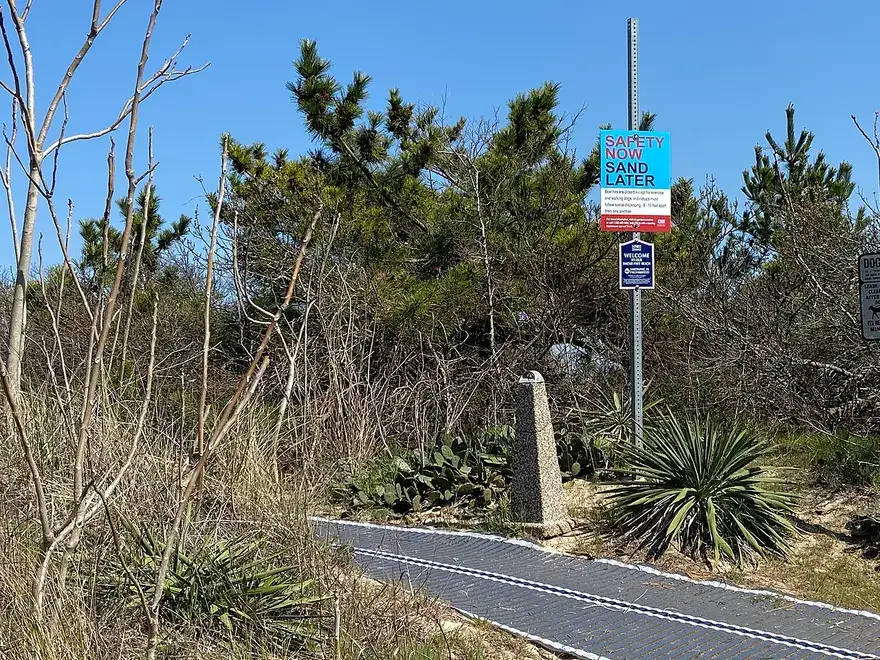
Cape Henlopen State Park sits between Lewes and the Atlantic, with beaches, a former military tower and bike trails. Delaware State Parks charges entrance for nine months of the year - that’s the agency’s own framing, and the season runs March 1 through November 30 before repeating the following spring. At beach and ocean parks, a Delaware-registered vehicle pays $10 daily; an out-of-state vehicle pays $20. Inland parks are $5 / $10. An annual pass covering the park system is $50 for residents and $100 for non-residents. That out-of-state day rate is the number Philadelphia and DC plates feel at the gate - and it’s still cheaper than burning a beach day circling for a Rehoboth meter.
Surf-fishing access on some beaches needs weekend and holiday reservations in 2026 - check destateparks.com before you drag a truck onto the sand. Bring a state-parks day when the boardwalk feels like a mall; you’ll get dunes, open water and room to move.
Miles that fit a Friday-night departure
From Center City Philadelphia to Rehoboth is about 121 miles and under three hours when traffic behaves - it often doesn’t on summer Fridays. Wilmington to Rehoboth is about 93 miles. Washington, D.C., clocks a similar distance to Philly’s with worse weekend backups on the Bay Bridge approaches if you route that way. Fly into PHL when you’re combining city and beach; drive when the whole trip is sand and outlets. Leave after 7 p.m. on Friday if you can - the difference between a 9 p.m. hotel check-in and a midnight arrival is mostly Route 1 brake lights.
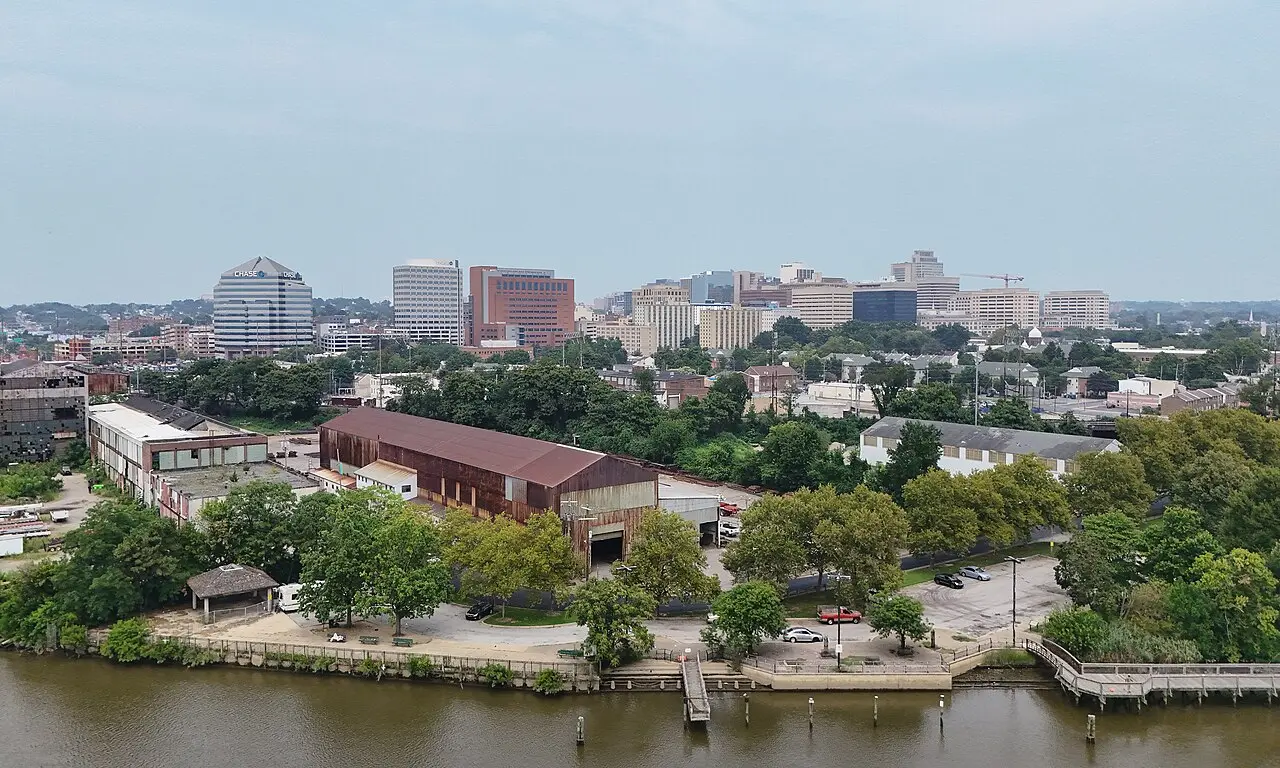
Northern Delaware has museums and du Pont estates worth their own day when weather kills the beach plan. They are not why most visitors flying from the UK, Canada or the West Coast book the state - the shore is. Keep Wilmington as a fuel and airport hinge unless gardens are the trip. Amtrak’s Wilmington station works when you’re stitching Philly and the beach without renting until the morning you drive south.
When the beach week is worth the hotel rate
Memorial Day to Labor Day is peak. September keeps warm water with thinner crowds and, after Labor Day logic in neighboring states, a calmer boardwalk. Winter is for outlet runs and quiet Lewes walks, not ocean swimming. Book lodging before you fall in love with a meter spot - summer inventory on the barrier towns evaporates, and it’s the hotel, not the tax savings, that decides whether the weekend was a bargain.
Delaware rewards short trips. Two nights in Rehoboth with a Lewes afternoon and a Cape Henlopen morning beats a frantic attempt to “see the whole state.” The whole state, honestly, is mostly that stretch of coast plus the tax line that makes the shopping bags lighter on the drive home. You’ll remember the boardwalk light and the missing sales-tax line more than any inland detour you skipped.
On the map
The map loads on click - to keep the page lightweight.
The map didn’t load. Check your connection and refresh the page.
Admission and opening hours
- Admission price
- Delaware State Parks beach/ocean parks daily entrance: $10 Delaware-registered vehicles, $20 out-of-state; inland parks $5 / $10. Fee season runs March 1 through November 30 - the agency describes it as nine months of the year, and it repeats each season. Annual parks pass $50 residents, $100 non-residents. City of Rehoboth Beach paid parking runs each season from May 15 to September 15: meters $4 per hour, 10 a.m.-10 p.m. daily. Cape May-Lewes Ferry vehicle fares use staircase pricing from June 1, 2026 - confirm live rates on cmlf.com. Child fares 6-13 move with the ferry fare SEASON, not with calendar months: the table posted for September 1-October 31, 2026 lists children 6-13 free one-way and free round trip; outside those dates a different table applies, so check the one covering your travel date. Traveler-paid taxes: 8% state lodging tax on hotel rooms (levied on the occupant), 4.5% on short-term rentals, plus Rehoboth Beach city lodging tax of 3% on hotels and 7% on rental homes (about 11% and 11.5% combined); 1.9914% on vehicle rentals.
- Opening hours
- Rehoboth meter enforcement 10 a.m.-10 p.m. daily through the paid season (May 15-September 15 each year); outside that window the meters are not running. State park entrance fees apply March 1-November 30, the standing nine-month season. Ferry runs year-round; reserve vehicle space.
This page is the U.S. state. The Delaware River and Delaware Water Gap already appear in Pennsylvania and New Jersey guides. Ferry logistics from the New Jersey terminal are covered in the New Jersey state guide - this page covers the Lewes side and when the crossing is worth it.
Details checked: September 3, 2026
Read also

States · 11 min read
Connecticut: Mystic, New Haven and the Shoreline
Verified · September 12, 2026Mystic Seaport at $35 adult, free Yale galleries in New Haven, and Gillette Castle on the river - how a Connecticut weekend actually fits.

States · 9 min read
North Dakota: Medora and Theodore Roosevelt NP
Verified · September 5, 2026The 36-mile South Unit loop starts in Medora, entrance $30 per vehicle, cashless from May 2026 - how to plan Theodore Roosevelt National Park.

States · 9 min read
Arkansas Travel Guide: Hot Springs & Ozarks
Verified · September 4, 2026Fee-free Hot Springs NP downtown, free Crystal Bridges in Bentonville, and the 135-mile Buffalo - how to string an Arkansas road trip.

States · 10 min read
Indiana Travel Guide: Indy, Speedway, Shore
Verified · September 5, 2026IMS Museum at $25, Kiss the Bricks at $15, Brown County hills and Lake Michigan shore - an Indiana trip beyond a Chicago beach day.