
Florida Travel Guide
Where to go in Florida: Miami, the Orlando parks, the Keys and the Everglades, Gulf vs Atlantic beaches, hurricane season and what a trip costs.
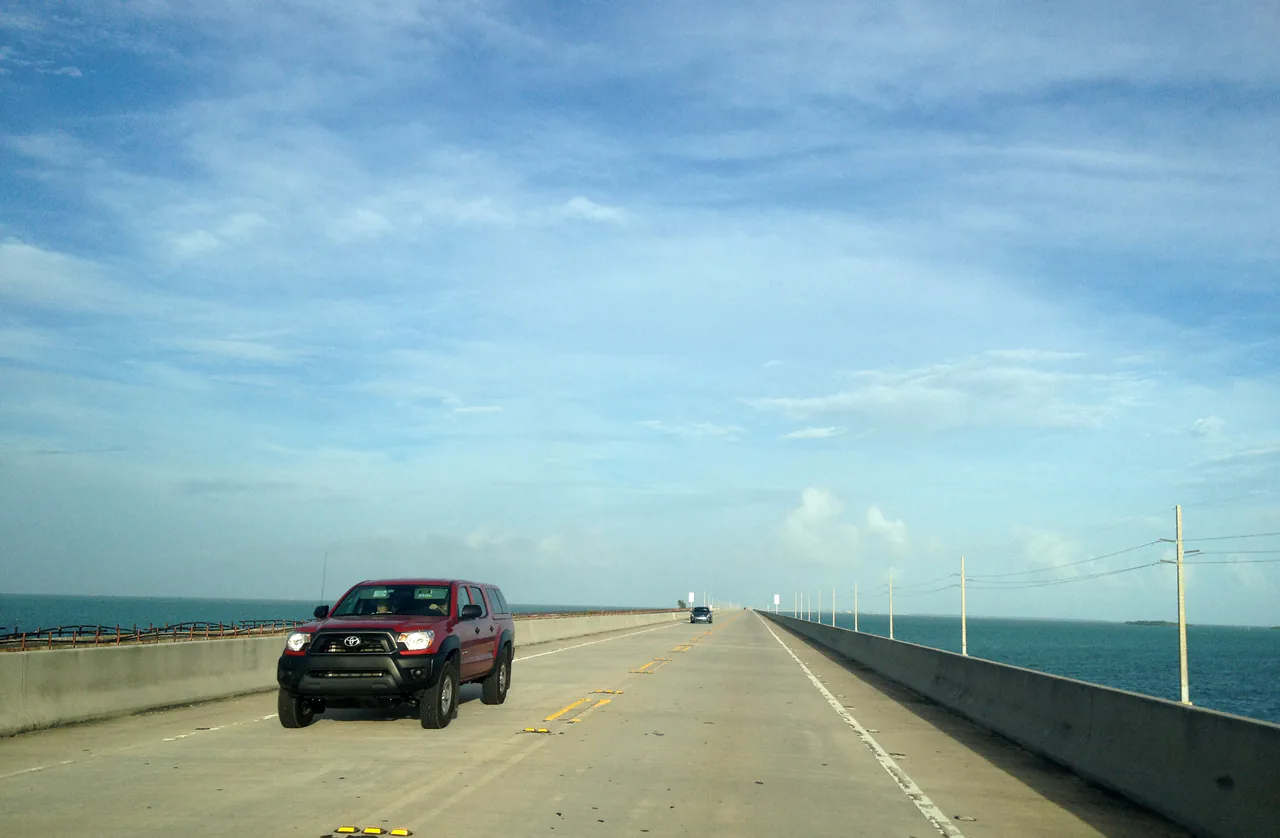
There isn’t one Florida trip - there are several, and the airport you pick mostly decides which one you get. Fly into Miami and it’s a city break with beaches and Cuban food attached. Fly into Orlando and it’s theme parks, with almost nothing else within an hour. The Gulf coast around Sarasota and Naples is calm, bath-warm water and sunsets straight out to sea; the Atlantic side has surf and a morning breeze; and the Keys are a four-hour drive south that first-timers badly underestimate. The state strings 825 miles of sandy beach along 1,350 miles of coastline, and no single week covers more than a slice of it.
If you’re heading into the Everglades - and most first Florida trips do - there’s a 2026 rule worth knowing. The Everglades is the only one of the eleven national parks charging the new non-resident surcharge that lies in Florida: since 1 January, visitors who aren’t US residents pay $100 each, aged 16 and up, on top of the $35-per-vehicle entrance fee. The $250 America the Beautiful Non-Resident Annual Pass covers the holder plus three more adults and waives that surcharge, but do the math before you buy: two adults seeing only the Everglades pay $235 at the gate, about $15 less than the pass. It starts to pay off from the third adult aboard - $335 at the gate - or the moment a trip also takes in one of the other ten surcharge parks outside Florida.
Where to go in Florida
Distances here are American, not European. Miami to Orlando is a solid 3.5 to 4 hours by road; Orlando to the Gulf beaches around 2 hours; Miami to Key West about 4 hours without stops. Two bases in a week is comfortable, three is a lot of driving.
| Base | What you get | Good for |
|---|---|---|
| Miami | Beaches, Art Deco, Cuban food, nightlife, day trips to the Everglades and Keys | City breaks, food, first-timers with one week |
| Orlando | Walt Disney World, Universal, SeaWorld, springs and Kennedy Space Center within reach | Families, park trips of 5-10 days |
| Gulf coast (Sarasota, Naples, Clearwater) | Warm shallow water, white quartz sand, sunsets over the sea | Beach trips, slower pace, older travelers |
| The Keys | The Overseas Highway, snorkeling, Key West | Road trips, divers, 3-4 nights minimum |
| St. Augustine and the northeast | The oldest continuously occupied European settlement in the US, cooler water | History, shoulder-season trips |
Miami and the southeast
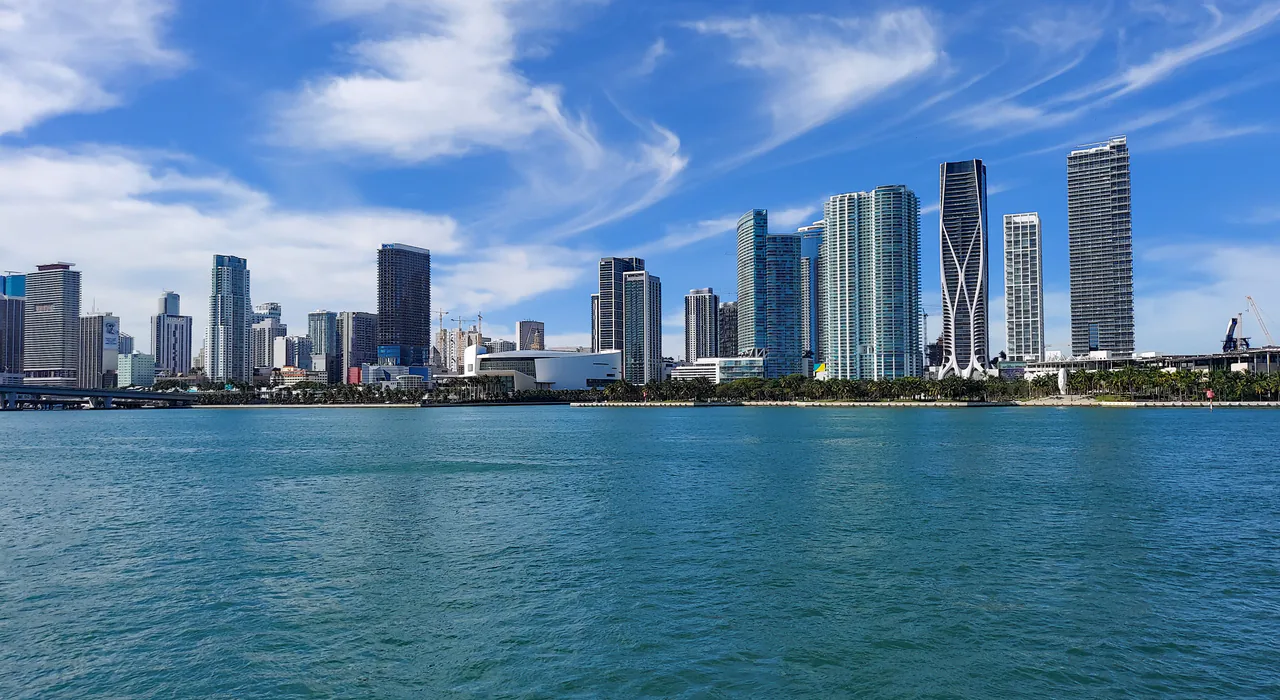
Miami-Dade drew 28.3 million visitors in 2025, a record, and it’s the one part of Florida that works without a car for a few days. South Beach delivers the postcard: the Art Deco strip along Ocean Drive, the lifeguard huts, a long flat beach. Wynwood is the mural district, Little Havana is where you get a cortadito and a game of dominoes, and Brickell is the glass-tower financial quarter where a lot of the good restaurants have quietly moved. The free Metromover loop covers downtown and Brickell; everything else is Uber or a rental car.
Our full things to do in Miami guide breaks the city down district by district, and where to stay in Miami covers which neighborhood suits which budget.
Orlando and the theme parks
Orlando took 76.7 million visitors in 2025, more than any other US destination, and the reason is a cluster of parks packed into about 20 miles of Central Florida: four Walt Disney World parks, Universal Orlando (Universal Studios Florida, Islands of Adventure, the Volcano Bay water park and Epic Universe, which opened on 22 May 2025), plus SeaWorld and a long tail of smaller attractions. Ticket prices move constantly and are date-based, so don’t treat any figure you read as locked - check on the day you book.
What surprises people is how much sits outside the gates: Kennedy Space Center is about an hour east, the freshwater springs an hour north, and downtown Orlando around Lake Eola is a normal, pleasant city that most park visitors never see. You’ll want Things to do in Orlando for both halves, and where to stay in Orlando explains what you actually buy by paying more to sleep next to a park.

The Keys and the drive to Key West
The Overseas Highway runs 113 miles from Key Largo to Key West across 42 bridges, including the Seven Mile Bridge, with the water on both sides for long stretches. From Miami it’s roughly four hours each way without stops, which is why a Key West “day trip” is a bad idea and a night in Islamorada or Marathon is a good one - you won’t enjoy the Keys as a turnaround sprint. Mile markers count down towards Key West and every address on the islands uses them, so “MM 82 bayside” is a normal way to give directions.
Book the return leg with a buffer. The highway is largely two lanes with almost no way around an accident, and a single closure can turn four hours into seven - don’t leave the buffer out.
The Everglades
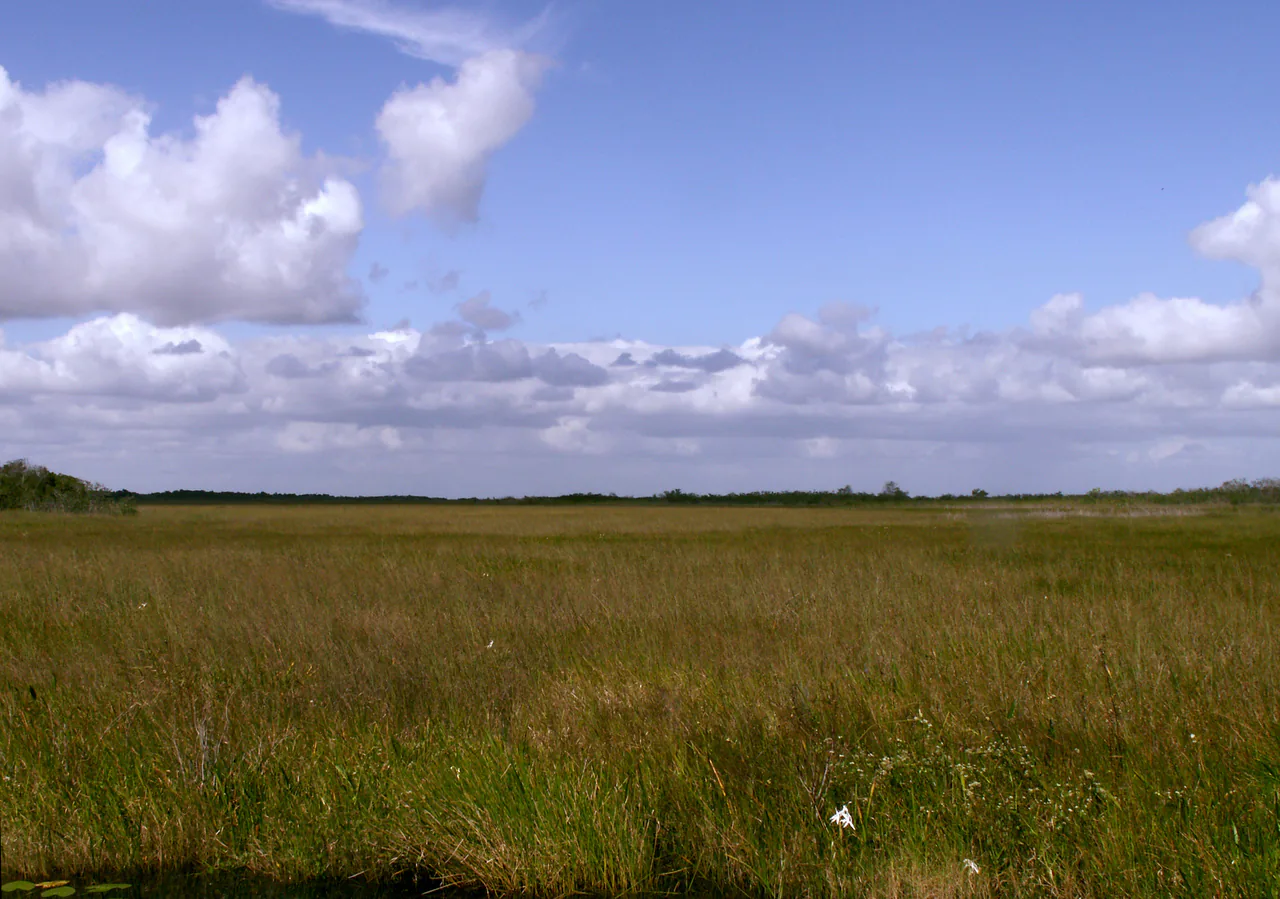
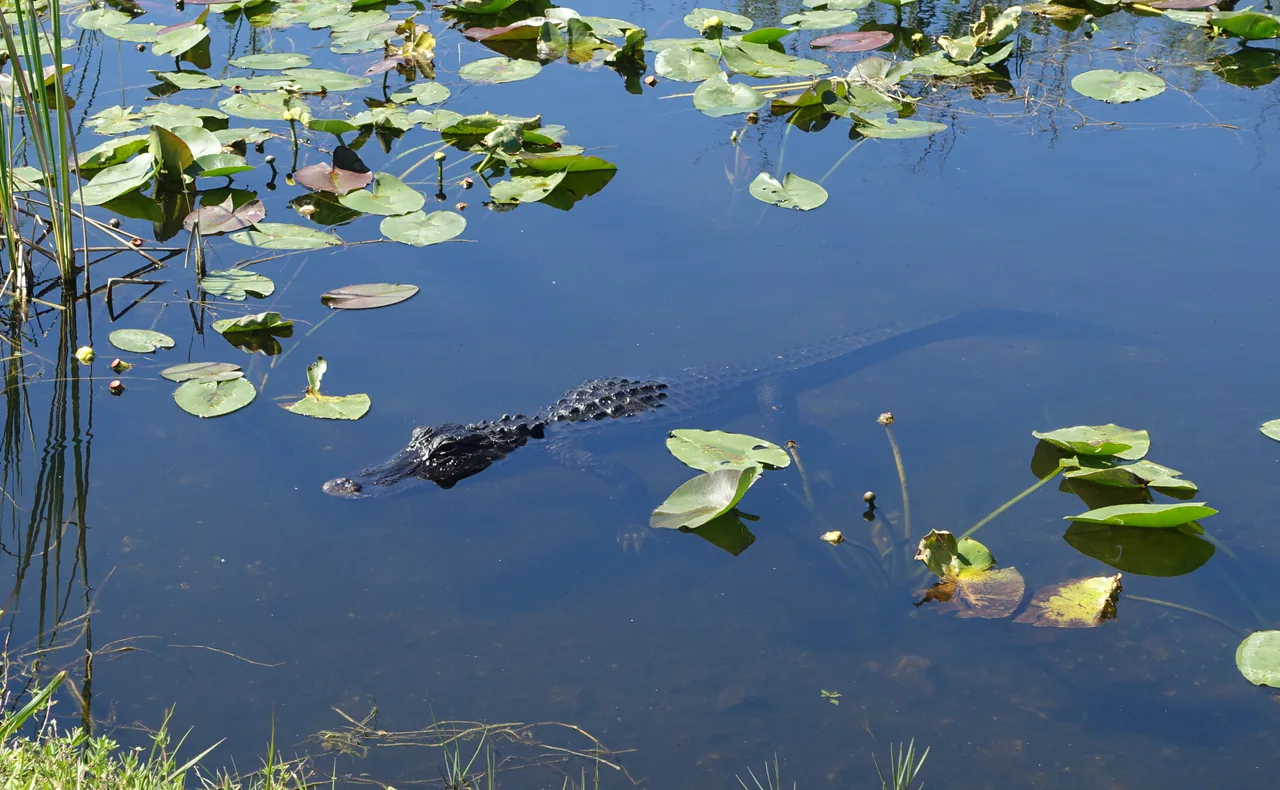
The park is the size of a small country and its three entrances don’t connect to each other, which trips up more visitors than anything else. Shark Valley on the Tamiami Trail is the closest to Miami and the easiest half day: a 15-mile paved loop into the sawgrass that you can walk, cycle or ride on a two-hour tram tour ($34 adult, $26 senior, $18 child at the concessioner in July 2026). The Homestead entrance is the one for the Anhinga Trail boardwalk, where alligators and wading birds sit a few feet from the path, and for the long road down to Flamingo on Florida Bay. Everglades City on the Gulf side is the gateway to the Ten Thousand Islands and boat trips. The gate-by-gate version, including which airboats NPS actually authorizes, is Everglades National Park.
Season matters more here than at any other Florida attraction. The dry season runs December to mid-May, water levels drop, wildlife concentrates around the remaining pools and the mosquitoes are tolerable. In the wet season, mid-May to November, temperatures sit in the low 90s F, the park takes most of its 60 inches of annual rain and the insects are genuinely unpleasant. Standard entrance is $35 per vehicle for seven days, before the non-resident surcharge described above.
Gulf coast or Atlantic coast?
This is the choice that decides what your beach days feel like, and travel brochures rarely explain it - so don’t pick a coast from a postcard alone.
The Gulf coast - Clearwater, Siesta Key, Sarasota, Naples, Sanibel - has shallow, calm, bath-warm water, fine pale sand (Siesta Key’s is nearly pure quartz and stays cool underfoot) and the sun setting straight out to sea. It suits small children, weak swimmers and anyone who wants to float rather than swim. The trade-off is that the Gulf occasionally gets red tide, an algal bloom that irritates the eyes and throat and can litter the sand with dead fish; it comes and goes, and the state publishes current conditions - you’ll want to check those before you book a beach week.
The Atlantic coast - Miami Beach, Fort Lauderdale, Palm Beach, Daytona, Cocoa - has surf, a breeze and sunrise over the water. Better for surfing and long walks, less good for toddlers. If you want both, Orlando sits almost exactly in the middle: Cocoa Beach is about an hour east, Clearwater about 90 minutes west.
When to go, and the hurricane question
Florida has two real seasons. December to April is the dry, mild, expensive half of the year, with the Everglades at its best and the Keys at their busiest. June to September is hot and humid, with an afternoon thunderstorm most days that clears in an hour, and it’s when hotel rates on the coasts drop hardest.
The Atlantic hurricane season officially runs 1 June to 30 November, but the useful detail is narrower: activity concentrates from mid-August to mid-October, and the statistical peak is 10 September. Booking in July is a different risk from booking over Labor Day weekend. Two practical points if you’re traveling in that window: buy travel insurance early, because policies stop covering a named storm once it’s been named, and pick a flexible rate rather than a non-refundable one. Late April to early June is the sweet spot most repeat visitors settle on - warm water, thinner crowds, the storm season not yet started. If Florida is one leg of a longer trip, our best time to visit the USA guide sets these seasons against the rest of the country.
Getting there and getting around
Flying. Orlando International (MCO) handled 57.2 million passengers in 2024 and is the state’s busiest airport; Miami International (MIA) is the main long-haul gateway for the south and for Latin America, with Fort Lauderdale (FLL) a cheaper alternative 45 minutes north of Miami. Tampa (TPA) serves the Gulf beaches.
Driving. Outside downtown Miami you’ll need a car. Distances are long, public transport between cities is thin and the toll roads (Florida’s Turnpike, the expressways around Miami and Orlando) are mostly cashless - arrange the rental company’s toll package at the desk or you’ll be billed per-transaction admin fees afterwards. Compare rates and pick up your Florida car rental before you fly rather than at the counter.
The train. Brightline links Miami and Orlando airport in about 3.5 hours, with stops at Aventura, Fort Lauderdale, Boca Raton and West Palm Beach; SMART fares start around $39-59 and PREMIUM around $89 depending on demand. It’s competitive with driving between the two, and it removes the worst stretch of I-95 from your trip. For the rest of the state you’ll want a car, and renting a car in the USA covers the paperwork, tolls and insurance first-timers trip over.
What a Florida trip costs
Sales tax is 6% at state level plus a county surtax, and it’s not shown on shelf prices. Hotel bills carry a further local tourist or resort tax on top: around 12.5% in Orange County (Orlando), roughly 13% across most of Miami-Dade and about 14% in Miami Beach. Add the resort fee that many beach and park-area hotels charge nightly and a “$180” room can land near $230.
Rough daily budgets outside peak weeks: a modest coastal motel plus a rental car and a kitchenette runs about $150-200 per couple per day; a mid-range hotel with restaurant meals about $300-400; Orlando with park tickets pushes past $500 a day for a family of four. Theme park tickets, in particular, are date-based and change several times a year - you’ll want to check current prices with the parks before you build a budget around them. For how a Florida week sits against the rest of the country, see what a USA trip costs overall.
Read also
- Browse every US city guide and the full state index
- The city break: things to do in Miami
- The park trip: things to do in Orlando
- Where to sleep in each: Miami by neighborhood and Orlando near the parks or in town
Photos
On the map
The map loads on click - to keep the page lightweight.
The map didn’t load. Check your connection and refresh the page.
Read also

States · 11 min read
Connecticut: Mystic, New Haven and the Shoreline
Verified · September 12, 2026Mystic Seaport at $35 adult, free Yale galleries in New Haven, and Gillette Castle on the river - how a Connecticut weekend actually fits.

States · 9 min read
North Dakota: Medora and Theodore Roosevelt NP
Verified · September 5, 2026The 36-mile South Unit loop starts in Medora, entrance $30 per vehicle, cashless from May 2026 - how to plan Theodore Roosevelt National Park.

States · 9 min read
Arkansas Travel Guide: Hot Springs & Ozarks
Verified · September 4, 2026Fee-free Hot Springs NP downtown, free Crystal Bridges in Bentonville, and the 135-mile Buffalo - how to string an Arkansas road trip.

States · 10 min read
Indiana Travel Guide: Indy, Speedway, Shore
Verified · September 5, 2026IMS Museum at $25, Kiss the Bricks at $15, Brown County hills and Lake Michigan shore - an Indiana trip beyond a Chicago beach day.