
Where to Stay in Miami: Best Areas
Where to stay in Miami by budget: South Beach, Mid Beach, Brickell, downtown, Coconut Grove and Key Biscayne compared, plus the fees nobody quotes.
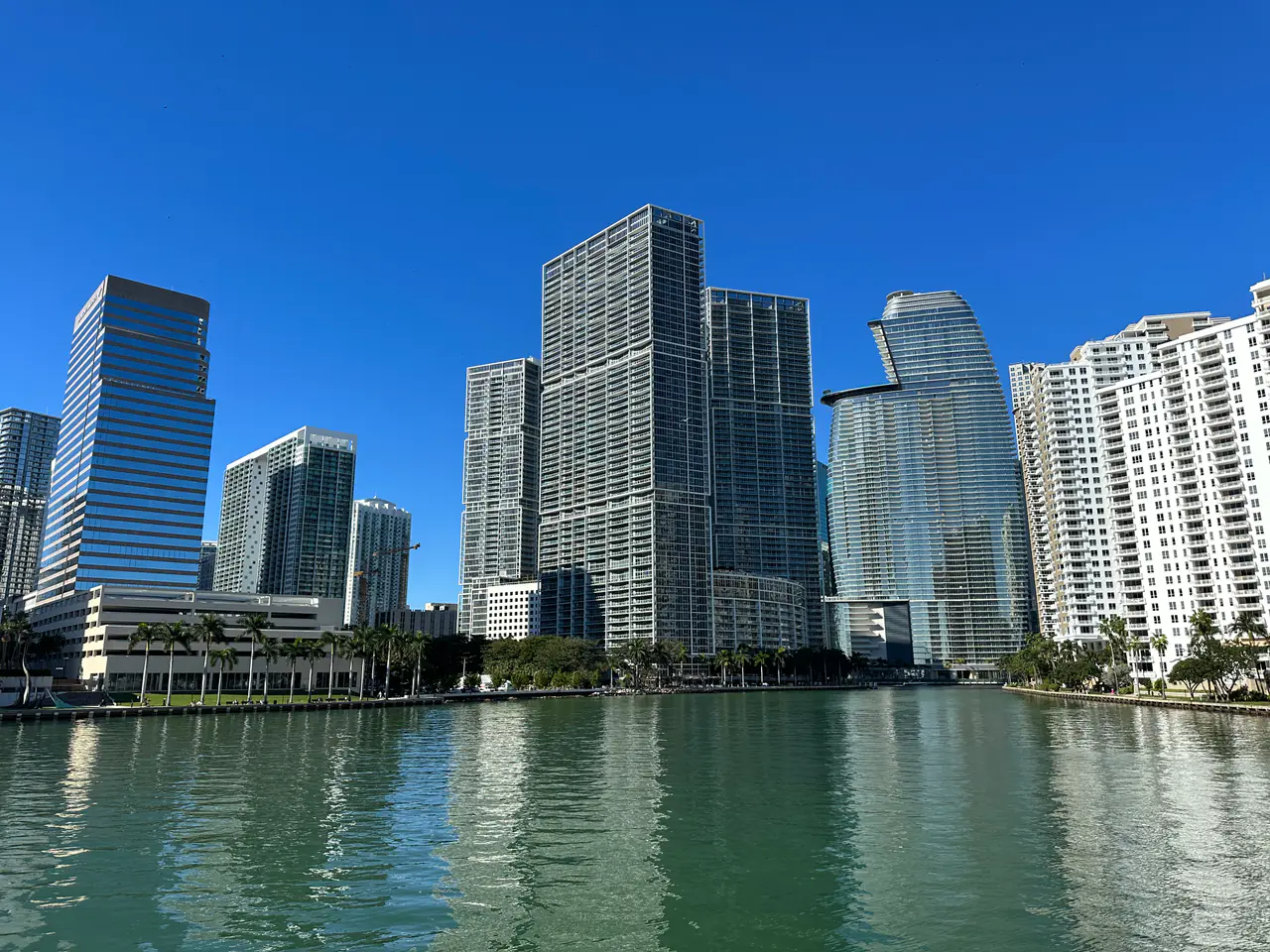
For a first visit, stay in South Beach between 5th and 20th Streets - you can walk to the beach, the Art Deco strip and dinner, and skip the car entirely. If value matters more than sand, Brickell on the mainland gives you better restaurants, the free Metromover and rooms that cost noticeably less than an equivalent oceanfront address. Families and anyone traveling with a car do better in Mid Beach, Coconut Grove or Key Biscayne, where parking is included rather than $40 a night at a valet stand.
Sort the transfer first via Miami Airport to South Beach.
That parking line isn’t a throwaway. Most of the small Art Deco hotels on Ocean Drive and Collins were built in the 1930s with no garage, so the only option is valet, charged nightly, and it’s the cost that trips up visitors who booked a rental car for the Everglades. Add the taxes below and a room advertised at $180 can settle above $250 before you’ve eaten anything.
The areas at a glance
| Area | Best for | Trade-off |
|---|---|---|
| South Beach (5th-20th) | First visits, walking everywhere, nightlife | Priciest sand, loud at night, valet-only parking |
| South of Fifth (SoFi) | Quiet nights, South Pointe Park, good restaurants | Small area, few budget rooms |
| Mid Beach (21st-46th) | Beach plus calm, the boardwalk, resort pools | Need a car or bus for the strip |
| North Beach / Surfside | Value beachfront, families, longer stays | Furthest from the sights, 25-30 min to downtown |
| Brickell | Food, transport, business travel, value | No beach; you drive or bus to sand |
| Downtown | Museums, cruise terminal, cheapest central rooms | Quiet and thin on street life after dark |
| Coconut Grove / Coral Gables | Families, greenery, parking included | 20-25 min from the beach |
| Key Biscayne | Quiet beaches, nature, a real escape | Isolated; you cross a toll causeway for everything |
South Beach: the default first visit
South Beach is the version of Miami people picture, and for three or four nights it’s the right call. Everything is on foot: the wide public beach, the Art Deco facades along Ocean Drive, the pedestrian dining of Lincoln Road, the bars. The hotel stock is the deepest in the city and covers everything from renovated 1930s Deco rooms and hostels to the big oceanfront names.
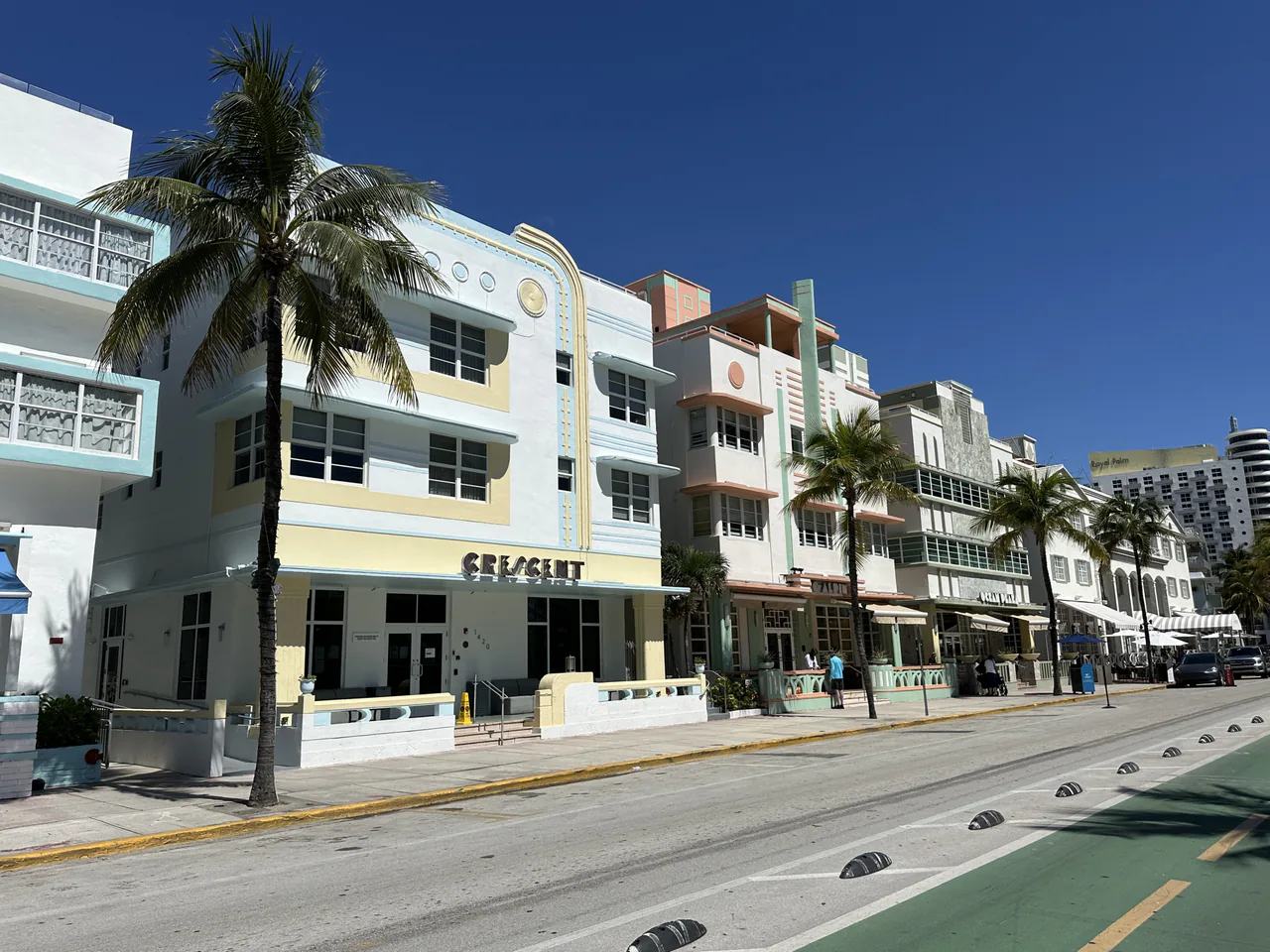
Two things to weigh. First, noise: the blocks between 8th and 15th run late and loud, so ask for a room off the street side or book a block or two west on Washington or Meridian. Second, price - this is the most expensive sand in Florida, and the gap between an ocean-view room and an identical one three streets inland is usually large enough to fund a car or several dinners.
South of Fifth (SoFi), the wedge below 5th Street, is the quiet alternative. It’s got the best restaurants in Miami Beach, South Pointe Park with its pier and cruise-ship view, and a residential calm that stops at the invisible line at 5th. You pay for it, but you sleep.
Mid Beach and North Beach: value on the sand
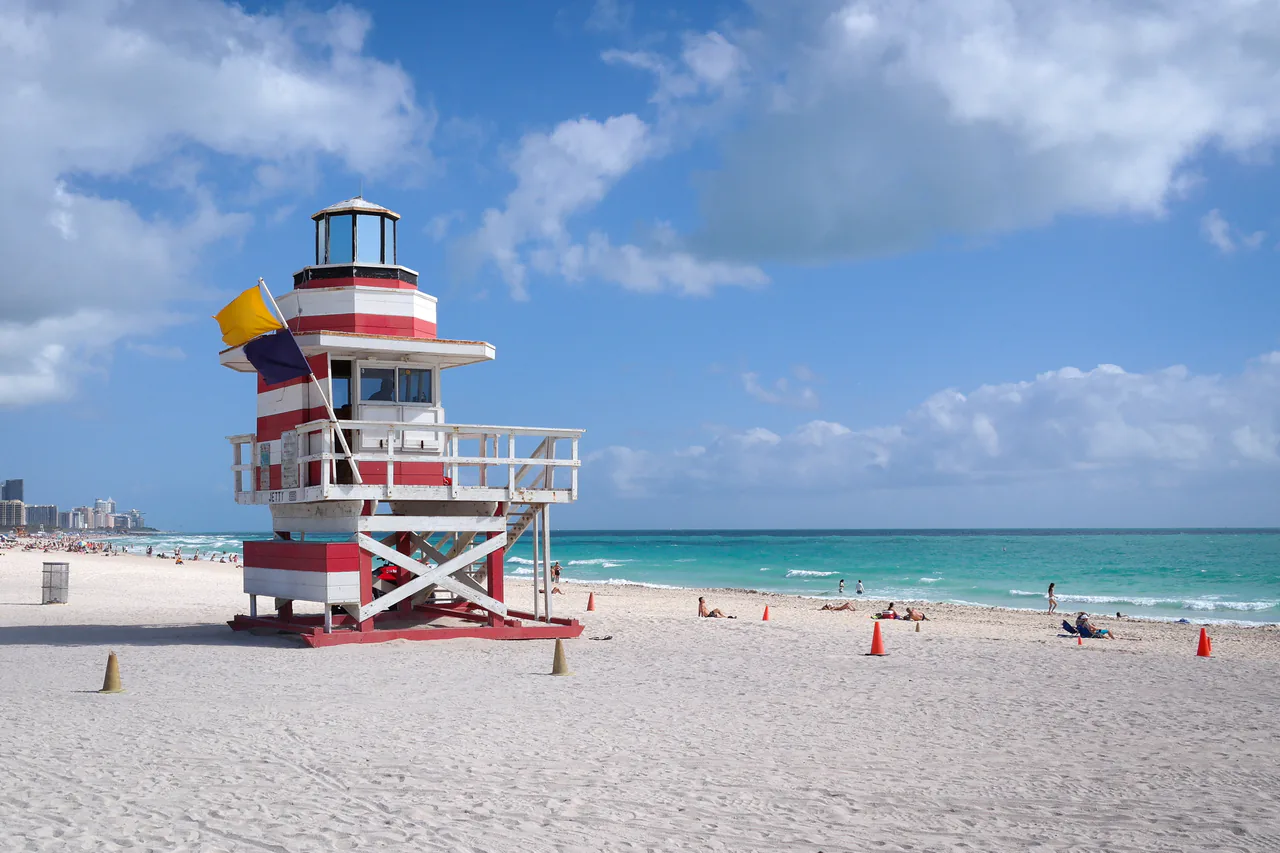
North of 21st Street the crowds thin fast. Mid Beach has the big resort hotels, the shaded wooden boardwalk running north from 21st, and a beach that feels twice as wide because half as many people are on it. It’s for anyone who wants a pool, a lounger and a short drive rather than a nightlife district downstairs.
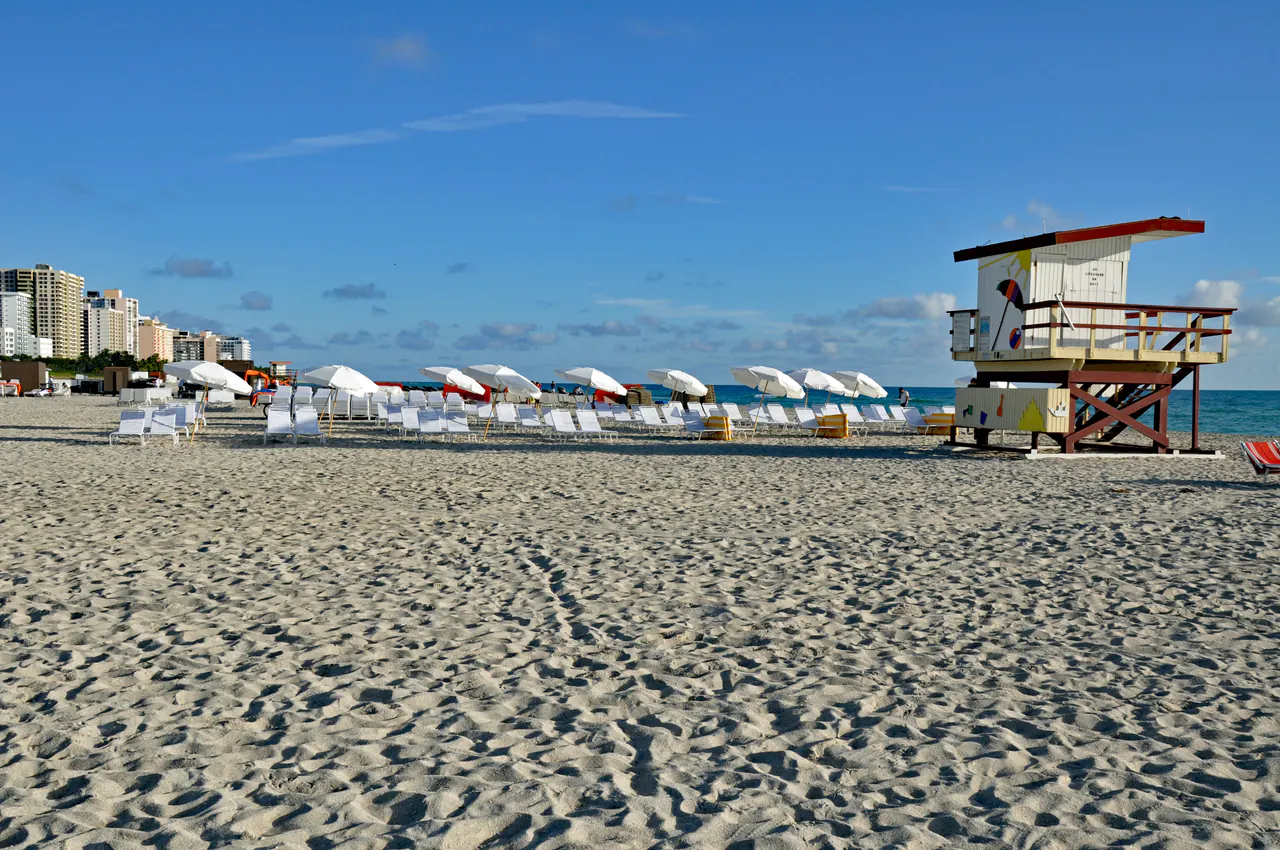
Further up, North Beach and neighboring Surfside are where families and long-stay visitors go: mid-century MiMo buildings, apartment-style rooms, ordinary supermarkets and rates below the South Beach line for the same ocean. Surfside and Bal Harbour also sit outside the county tourist taxes, which shaves a little off the bill. The catch is distance: you’re 25 to 30 minutes from downtown, more in traffic.
A warning about apartment rentals
Miami Beach polices short-term letting harder than almost anywhere in Florida. Under the city’s Resiliency Code, vacation rentals of under six months are banned in all single-family homes and in many multi-family buildings in the listed residential zoning districts, and owners face fines starting at $1,000 a day. In practice that means a cheap “apartment” listing on the beach can be an illegal rental that gets shut down between your booking and your arrival. Rentals in properly zoned buildings and in the city of Miami on the mainland are a different matter - but on Miami Beach, check that the listing shows a city license number before you pay.
Brickell and downtown: the value play
If you’re in Miami for the city more than the sand, Brickell is the smartest base in Miami. It has the densest run of good restaurants in the county, modern hotels and serviced apartments at rates below beachfront equivalents, and it sits on the free Metromover, which runs 5:30 to 22:00 and connects Brickell, downtown and the Omni district without a car. From here South Beach is 15-20 minutes by road and the Everglades or the Keys are an easy drive out, because you’re already on the mainland.
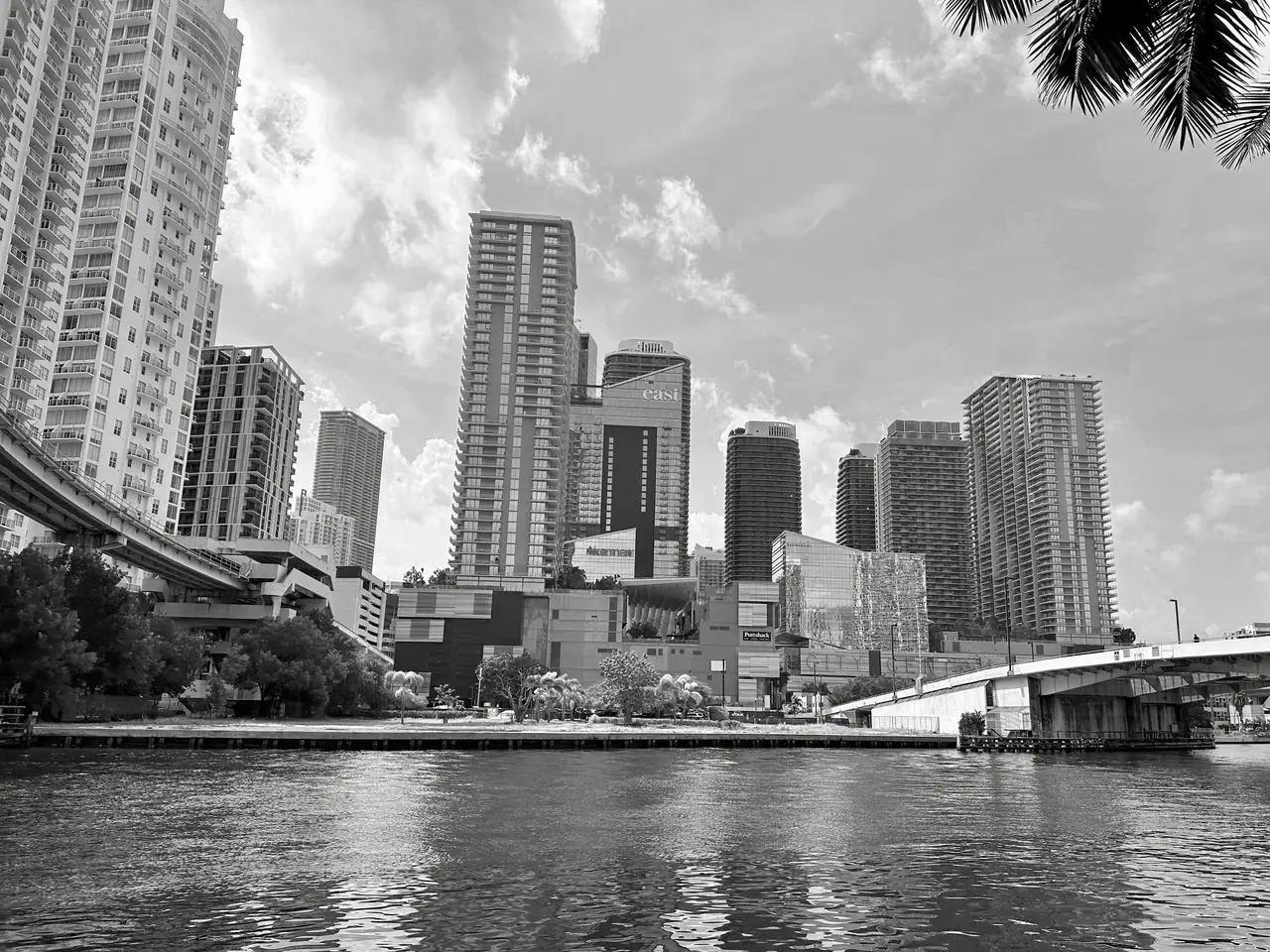
Downtown proper, a Metromover stop north, is cheaper again and handy for the museums, the arena and the cruise terminal at PortMiami. It’s quieter after office hours than either Brickell or the beach, which is a plus or a minus depending on your trip.
Green and quiet: Coconut Grove, Coral Gables, Key Biscayne
Coconut Grove is the oldest neighborhood in the city, low-rise and shaded, with a marina, a walkable strip of cafes and hotels that mostly have their own parking lots. Coral Gables next door is grander and slower, built as a 1920s planned city, and works well for families and anyone renting a car. Both put you 20-25 minutes from the beach and close to Vizcaya.
Key Biscayne is the outlier: an island over the Rickenbacker Causeway with the calmest good beaches in Miami at Crandon Park and Bill Baggs Cape Florida State Park. Stay here for a genuine break from the city, and accept that every trip off the island is a toll crossing and 20 minutes minimum.
What you actually pay
Room rates in Miami swing hard by season. The county-wide average was forecast at about $227 a night for 2025, but the monthly figures tell the real story: February averaged $305 with 86% of rooms sold, while the summer months sit far below the annual average. Booking the same hotel in June rather than February is usually a bigger saving than switching neighborhoods.
Then the extras, none of which appear in a headline rate:
- Tax. Most of Miami-Dade adds 6% state sales tax, 1% county surtax and 6% in county lodging taxes, which lands near 13%. Miami Beach replaces part of that with a 4% city resort tax and works out around 14%.
- Resort fee. Common on the beach, charged per night, and it covers things you may never use.
- Parking. Valet on Ocean Drive and Collins is a nightly charge in its own right. Hotels in Brickell, the Grove and North Beach usually have self-parking.
Together these routinely add a quarter to a third on top of the advertised nightly rate, so you’ll want to compare the total at checkout rather than the headline. When you’re ready to price your dates, compare Miami hotels by area rather than by star rating - in this city the zip code does more work than the stars. To set the hotel line against flights, food and a car, see what a USA trip costs overall.
When to book
February and March are the peak: the driest, warmest weather, the highest occupancy and spring break in March. December and January are close behind. May, and October into early December, are the value windows with warm water and thinner crowds. June to September is cheapest, hot and humid, with a daily afternoon storm, and it overlaps the Atlantic hurricane season (1 June to 30 November, activity concentrated mid-August to mid-October) - if you’re booking then, pick a flexible rate and buy travel insurance before any storm is named.
Big events move prices too: Art Basel Miami Beach in early December, the Miami Open in March and the Formula 1 weekend in May all fill hotels across the county.
Read also
- What to do once you’ve unpacked: things to do in Miami
- Seasons, coasts, hurricanes and driving distances: Florida travel guide
- The other Florida base: where to stay in Orlando and things to do in Orlando
- Every US city guide
Photos
Admission and opening hours
- Admission price
- County-wide average room rate was forecast at $227.67 for 2025 (GMCVB/STR), with monthly averages swinging from about $227 across the year to $305 in February. Treat these as market averages, not quotes - check live prices for your dates.
Rates exclude tax (about 13% in most of Miami-Dade, about 14% in Miami Beach), nightly resort fees and parking, which together often add 25-35% to the advertised rate.
Details checked: July 24, 2026
Read also

Before you go · 9 min read
New England Fall Foliage: When and Where to Go
Verified · August 27, 2026Yankee's 2026 forecast, peak windows by state and how to chase color from Vermont's Northeast Kingdom to the NH coast without betting on one weekend.

Before you go · 9 min read
Which Hawaiian Island: Oahu, Maui, Kauai or Big Island
Verified · August 24, 2026Pick one Hawaiian island for a week: Oahu for city and surf, Maui for beaches and Haleakala, Kauai for scenery, Big Island for volcanoes.

Before you go · 11 min read
Where to Stay in Phoenix: Downtown, Scottsdale or Tempe
Verified · August 18, 2026Free Sky Train, then $2 light rail into downtown. Scottsdale is the resort city; Tempe is ASU next door. Phoenix hotel tax is 13.07%.

Before you go · 11 min read
Global Entry and TSA PreCheck for Visitors
Verified · August 15, 2026Global Entry is $120 for five years and closed to most EU passports. TSA PreCheck is $85 or less, and only US citizens and LPRs can buy it.