
Things to Do in Miami
What to do in Miami: South Beach and Art Deco, Wynwood murals, Little Havana, Brickell, quieter beaches, and day trips to the Everglades and Keys.
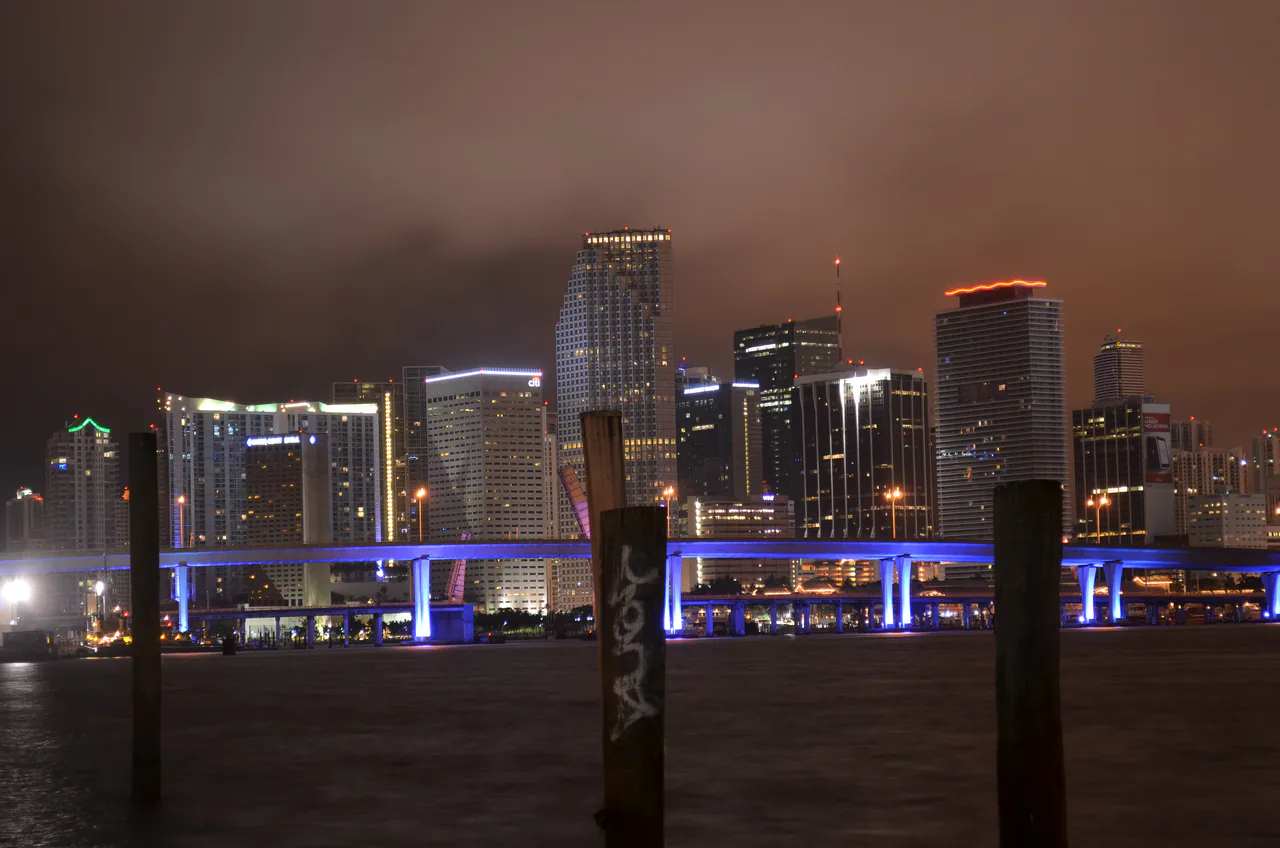
Give Miami three days and the shape of the trip is simple: one for South Beach and the Art Deco strip, one for the mainland districts (Wynwood murals, Little Havana, Brickell, Vizcaya), and one for water - either the Everglades to the west or the first of the Keys to the south. The city isn’t walkable end to end. These districts sit 15 to 30 minutes apart by car across a causeway or two, and mixing them badly is how you’ll end up spending your trip in traffic on the MacArthur.
Landing at MIA? Start with Miami Airport to South Beach.
The other thing worth knowing before you book: Miami Beach and Miami are separate cities on separate islands, with separate hotel prices and separate personalities. Miami-Dade took 28.3 million visitors in 2025, a record, and most of them saw one beach and one street. The parts that repeat visitors rate highest - Key Biscayne, Coral Gables, the ventanita coffee windows on Calle Ocho - are barely on the standard itinerary.
Miami by neighborhood
| District | What it is | Time needed |
|---|---|---|
| South Beach | Art Deco hotels, the wide beach, Lincoln Road, nightlife | Half a day plus a beach day |
| Wynwood | Murals, galleries, breweries and taco counters in old warehouses | Half a day |
| Little Havana | Calle Ocho, cigar rollers, Cuban coffee, Domino Park | 2-3 hours |
| Downtown / Brickell | Skyline, museums, the free Metromover, the best mainland restaurants | Half a day |
| Coconut Grove / Coral Gables | Vizcaya, banyan-shaded streets, the Venetian Pool | Half a day |
| Key Biscayne | The quietest good beaches in the city plus a lighthouse | Half a day |
South Beach and the Art Deco district
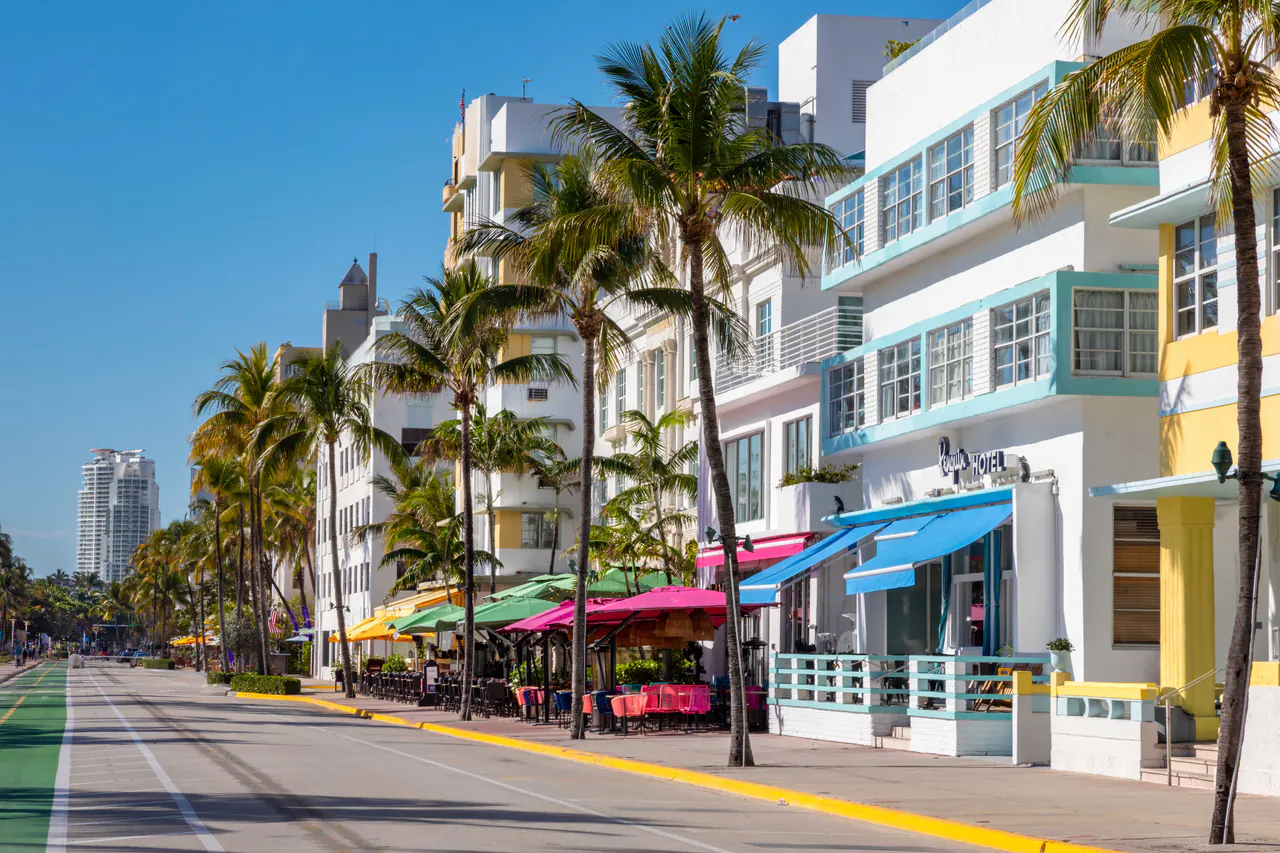
The Miami Beach Art Deco Historic District is the largest concentration of 1930s Deco in the world, and it’s at its best in the hour before sunset, when the pastel facades along Ocean Drive light up and the neon comes on. Walk the strip between 5th and 15th, then cut one block west to Collins and Washington, where the same architecture survives without the terrace touts.
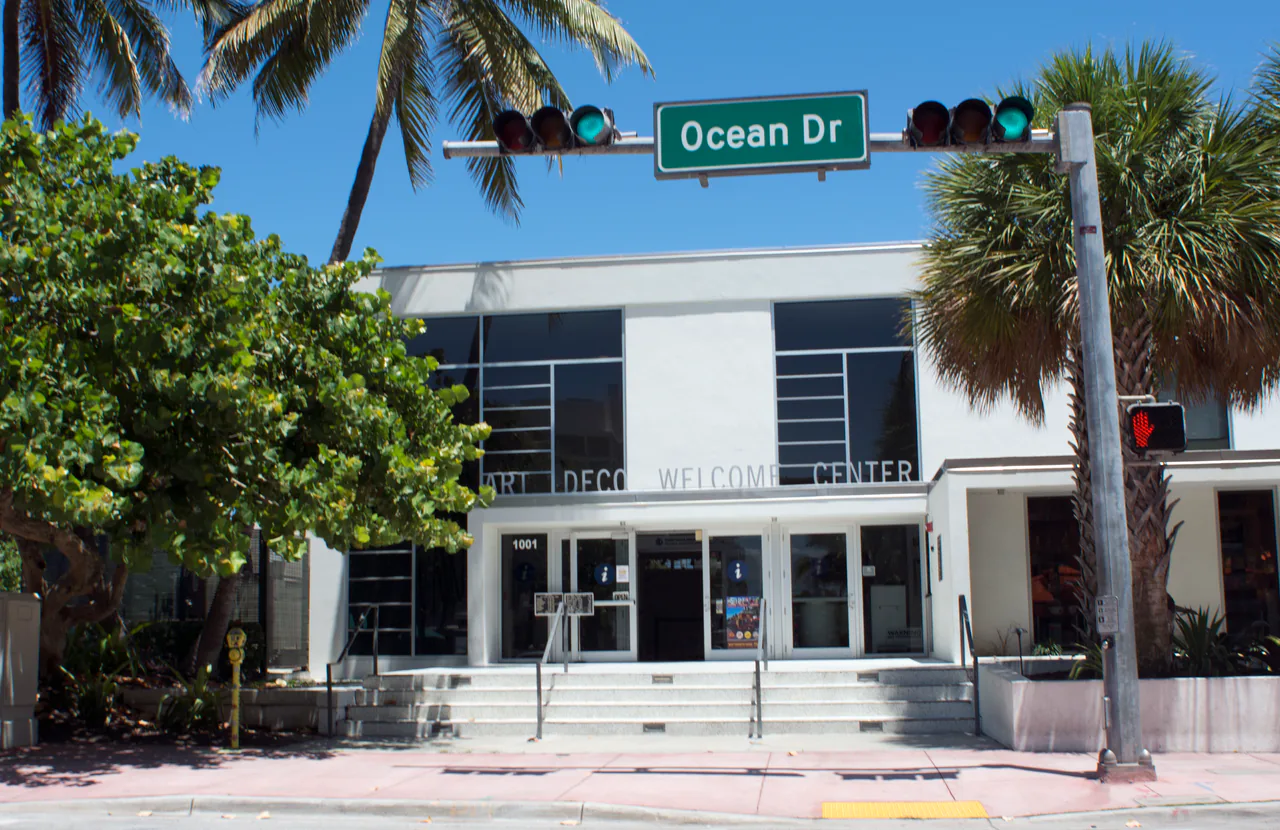
The Art Deco Welcome Center on Ocean Drive at 10th runs guided walks and sells a self-guided audio tour, which is the cheapest way to understand what you’re looking at - the vertical fins, the porthole windows, the eyebrow ledges over the windows that shade the rooms.
Where to actually swim
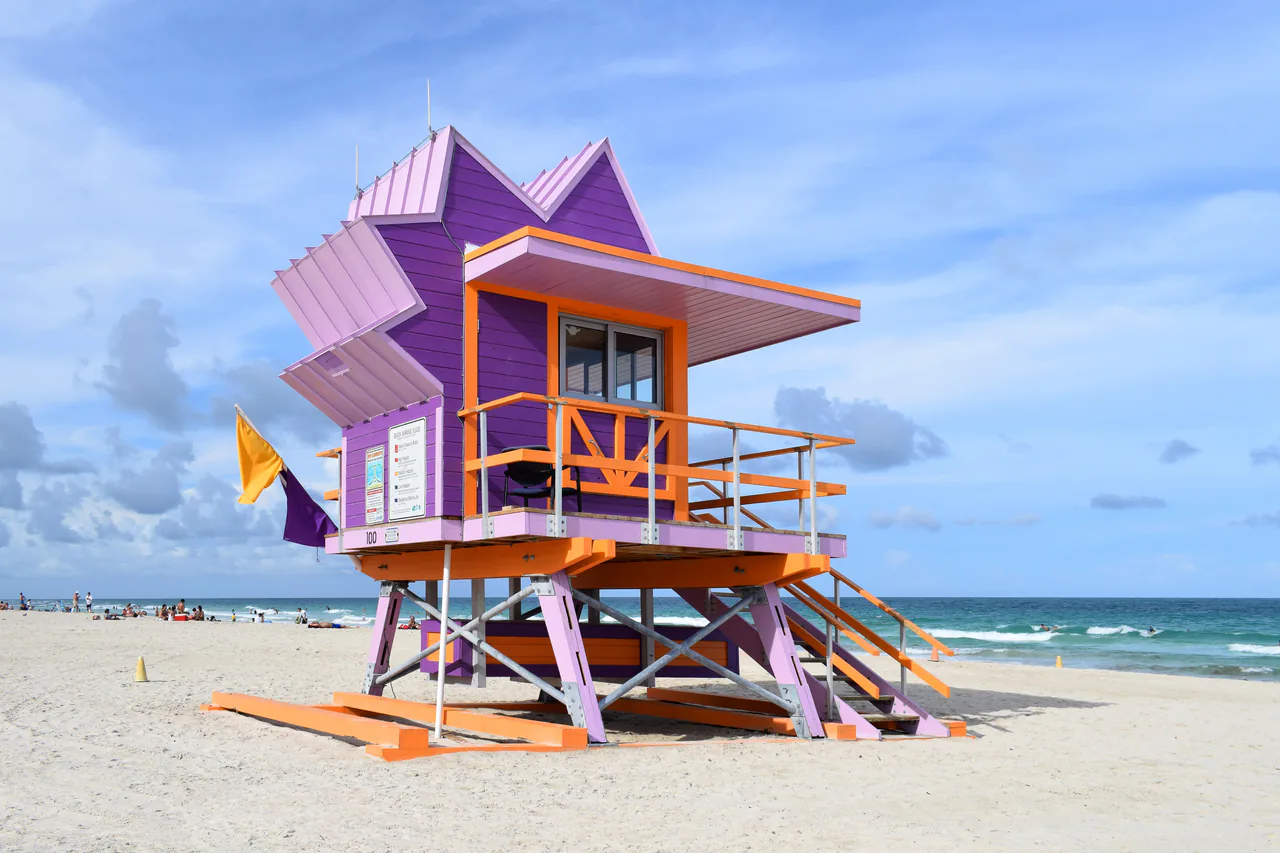
South Beach itself is a good beach: wide, clean, lifeguard huts every few blocks in their own Deco colors, and free public access along its whole length. It’s also the busiest, and the stretch between 5th and 15th is loud from morning.
For calmer water, go north or south. South Pointe Park sits at the bottom of the island, and it’s got a pier, a lawn and cruise ships sliding past close enough to read the names. The boardwalk through Mid Beach (from around 21st to 46th) is a shaded wooden walk with far fewer people. Best of all is Key Biscayne, 20 minutes from downtown over the Rickenbacker Causeway: Crandon Park at the north end and Bill Baggs Cape Florida State Park at the south, where the 1825 Cape Florida Lighthouse stands over a beach that feels like a different state.
Wynwood and the Design District
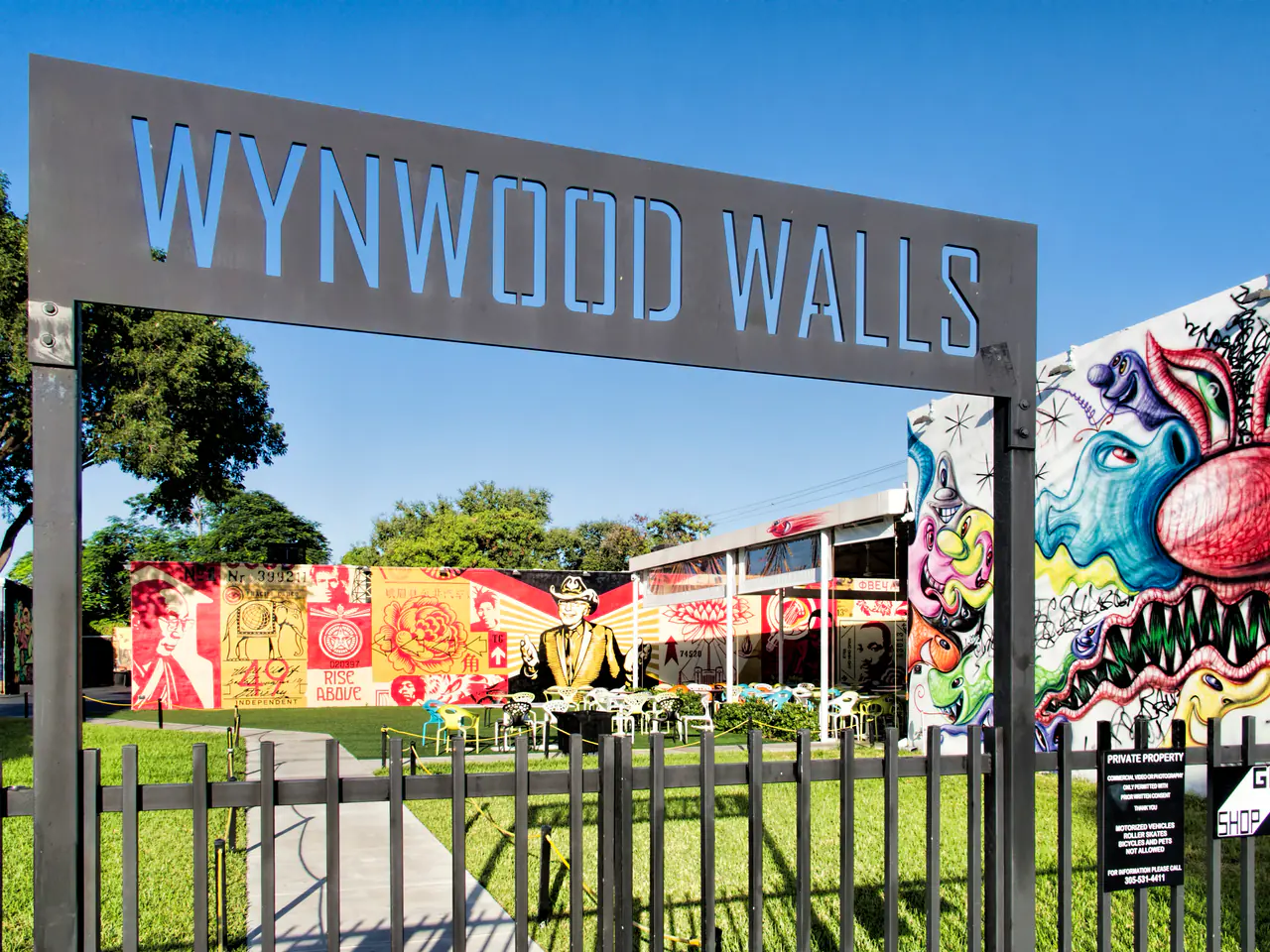
Wynwood was a warehouse district until 2009, when developer Tony Goldman turned a block of blank walls into the Wynwood Walls. It now covers about 80,000 square feet of murals by more than 100 artists from over 20 countries, and the work rotates. The walled section is ticketed - $12 for adults, $10 for over-65s, $5 for ages 6-17, open daily 10:30 to 18:00 - but the surrounding streets are free and about half the good painting is out there.
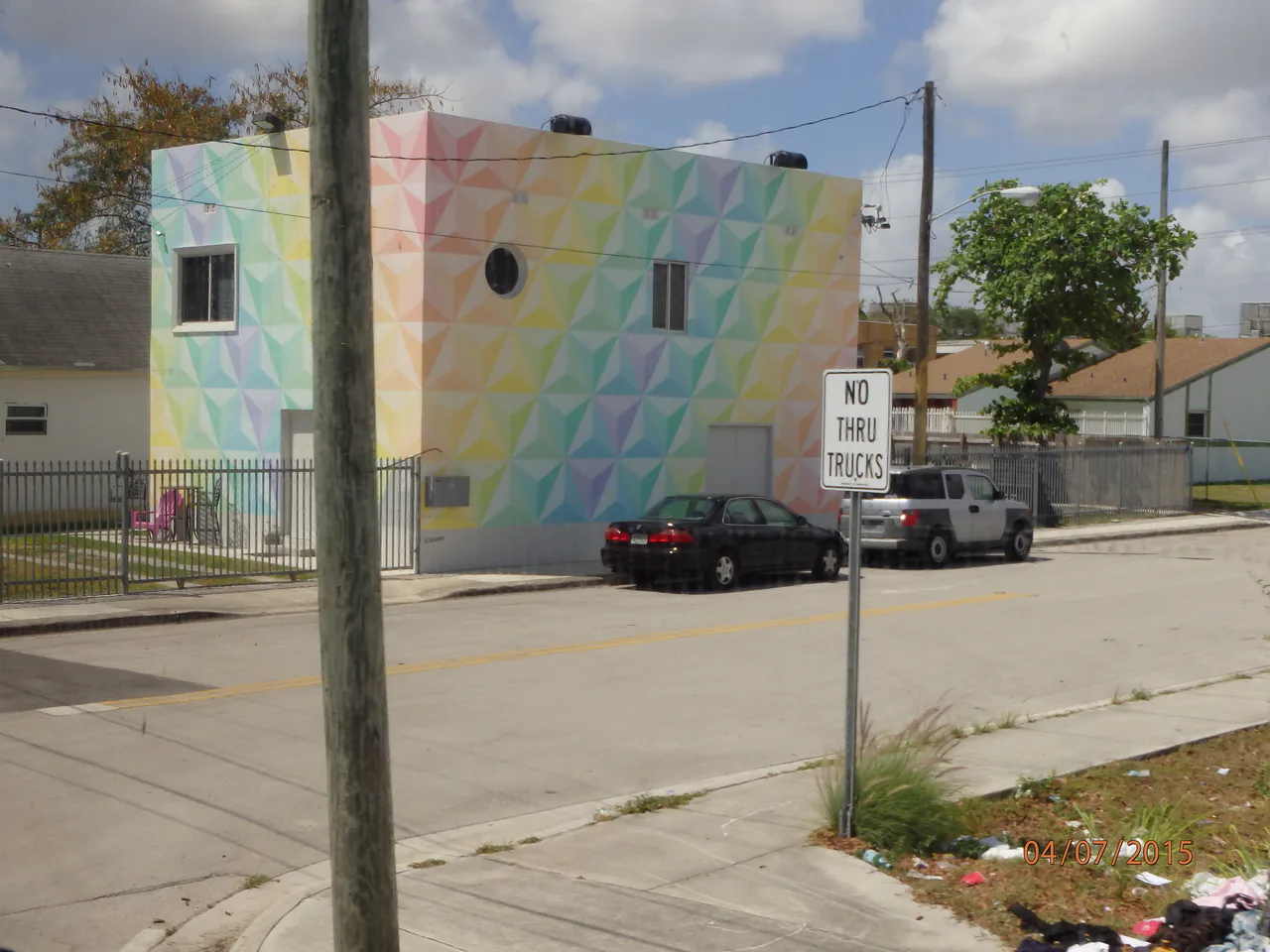
Ten minutes north, the Design District is the opposite mood: luxury flagships, architecture commissions and public art, worth an hour if you like buildings and window displays and nothing at all if you don’t.
Little Havana
Calle Ocho (SW 8th Street) between about 12th and 17th Avenues is the compact core. Order a colada at a ventanita - the walk-up coffee window - and you’ll get a polystyrene cup of sweet, strong espresso with a stack of thimble cups to share, which is the point. Máximo Gómez Park, universally called Domino Park, is where retired men have played dominoes daily for decades; watch from the fence rather than joining a game. Add a cigar roller’s shop, a fruit stand selling mamey batidos and Ball & Chain for live son cubano in the evening and that’s the neighborhood.
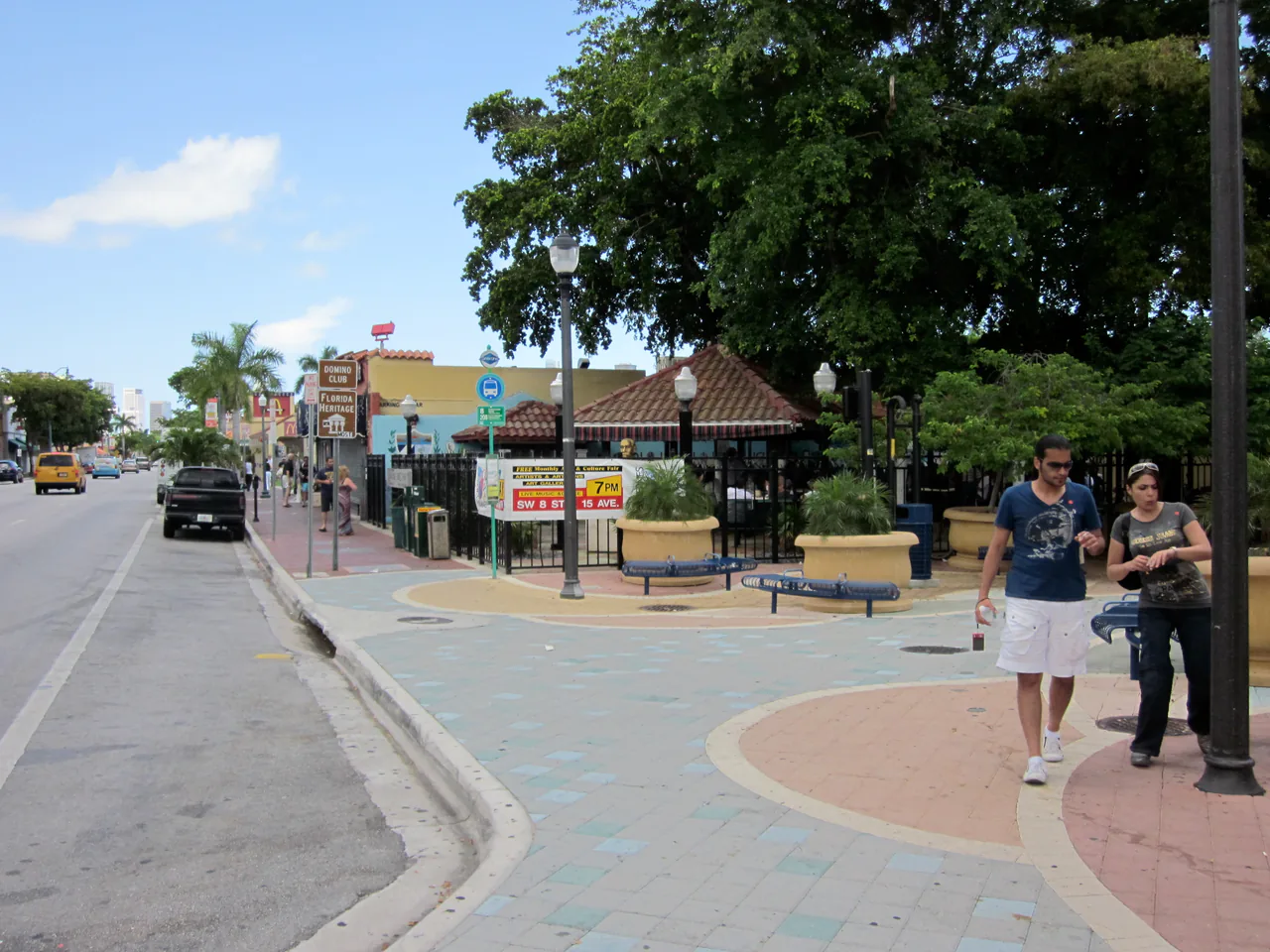
The Viernes Culturales street party takes over the strip on the last Friday of the month with music and open galleries - the one evening it’s worth planning around.
Downtown, Brickell and the free Metromover
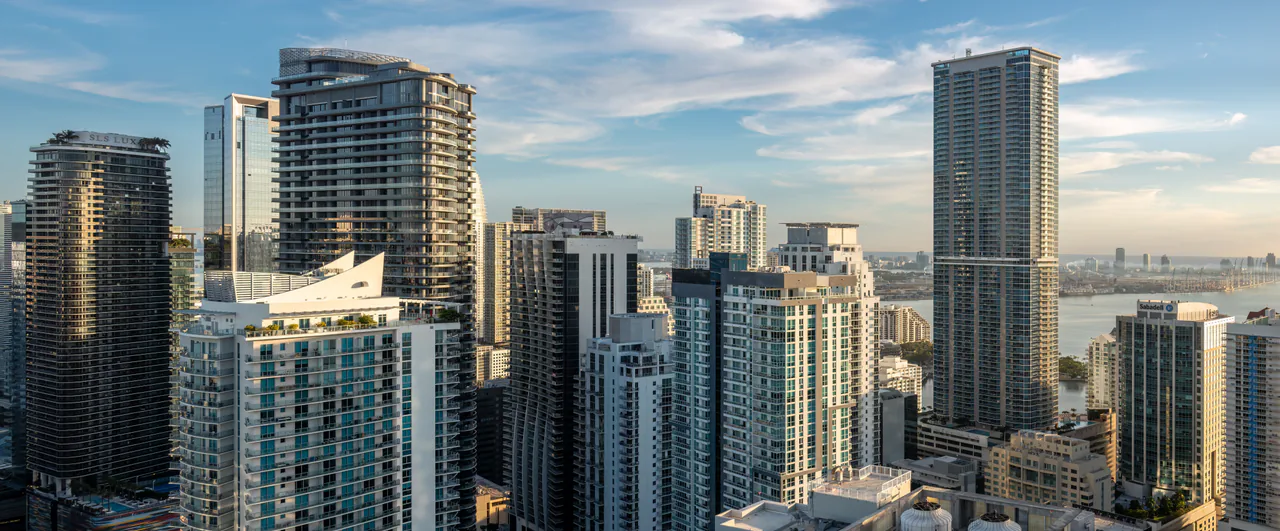
The single most useful practical fact in Miami: the Metromover is free. The elevated driverless loop runs 5:30 to 22:00 every day across 21 stations covering downtown, the Omni area and Brickell, which is exactly the zone where parking’s worst. Ride it to connect the Pérez Art Museum and the Frost Science Museum on the bayfront with the restaurants of Brickell, and you’ll never touch your car.
Vizcaya, Coconut Grove and Coral Gables
Vizcaya is the one big-ticket sight that repeat visitors keep recommending: a Mediterranean-style villa built from 1914 for the industrialist James Deering, stuffed with European antiques, its formal gardens running down to a carved stone barge in Biscayne Bay. It opens daily except Tuesdays, 09:30 to 16:30. Nearby Coconut Grove is the city’s oldest neighborhood, low-rise and shaded, with a marina and a walkable few blocks of cafes. Coral Gables next door was a 1920s planned city; its Venetian Pool is a swimming pool carved out of a coral rock quarry and the only pool on the National Register of Historic Places.
Day trips: the Everglades and the Keys
The Everglades. The Shark Valley entrance on the Tamiami Trail is about 40 minutes west of downtown and makes the easiest half day: a 15-mile paved loop into the sawgrass with an observation tower at the far end, walkable, cyclable or by two-hour tram tour ($34 adult, $26 senior, $18 child in July 2026). Gates are open 8:30 to 18:00. Note that park entrances don’t interconnect, so pick one and stay with it, and that from 1 January 2026 non-US residents aged 16 and over pay an extra $100 per person on top of the $35 vehicle fee - the $250 non-resident annual pass covers a whole car and is worth the math. NPS states it plainly: the pass covers entrance and nonresident fees for the holder and every passenger in a private vehicle at a gate that charges per vehicle, which is how you enter here; the four-adult limit applies only where a site charges per person, as Shark Valley does for cyclists and walkers. Full detail on entrances, fees and what the pass really covers is in our Everglades National Park guide. Airboats are the classic add-on: three operators sit on private tracts along the Tamiami Trail - Coopertown, Everglades Safari Park and Gator Park - and NPS authorizes them to run tours inside the park’s East Everglades addition, so they are within the boundary even though they are nowhere near Flamingo or Shark Valley.
The Keys. Key Largo is about an hour and a half south; Key West is 113 miles of Overseas Highway beyond Key Largo and roughly four hours from Miami each way. Day-trip to Key West and that’s eight hours in the car for a few hours on Duval Street, so either stop at Key Largo or Islamorada for snorkeling, or give Key West a night.
Eating, and the bill
Cuban food is the city’s baseline: ropa vieja, lechón, media noche sandwiches, tostones, and a cortadito to finish. Beyond that, Miami eats Haitian, Venezuelan, Colombian, Peruvian and Argentine, mostly outside the tourist strips - Little Haiti, Doral and the Brickell backstreets do it better than Ocean Drive.
One thing that trips up visitors: Florida law requires a restaurant adding an automatic gratuity or service charge to state it on the menu and on the bill, and in Miami Beach an 18-20% service charge is standard. Read the bottom of the check before you add a tip on top, because it’s often already there.
When to go
December to April is the dry, warm, expensive season, and March adds spring break to the beach crowds. May and November are the value months, still warm enough for the water. June to October is hot and humid with a daily afternoon storm and the lowest hotel rates of the year, and it overlaps the Atlantic hurricane season (1 June to 30 November, with activity concentrated from mid-August to mid-October) - book flexible rates in that window.
For a district-by-district breakdown of where to sleep and what it costs, see where to stay in Miami. Planning to pair the city with the theme parks up the coast? Start with things to do in Orlando, and use the Florida travel guide to work out how much driving your route really involves.
Read also
- All our US city guides and the state index
- The state overview, seasons and costs: Florida travel guide
- Neighborhood-by-neighborhood beds: where to stay in Miami
- Three and a half hours north by train: things to do in Orlando
Photos
On the map
The map loads on click - to keep the page lightweight.
The map didn’t load. Check your connection and refresh the page.
Read also

Cities · 13 min read
Salt Lake City: Ski Base, Temple Square and the Salt Flats
Verified · August 29, 2026Four ski resorts inside 36 miles of the airport, a temple you cannot enter until 2027, and a salt flat that closes for racing. What to plan around.

Cities · 9 min read
Atlanta: Civil Rights Trail, Aquarium and Southern Food
Verified · August 28, 2026Free MLK park on Auburn Avenue, Civil Rights Center from $26, Georgia Aquarium tickets from $54.99, BeltLine walks and where Southern food still holds up.

Cities · 9 min read
Minneapolis Guide: River, Lakes & the Blue Line
Verified · August 26, 2026A $2 train from MSP, Stone Arch and Minnehaha Falls, Walker on free Thursday nights, and when Mall of America is worth the ride south.

Cities · 12 min read
Savannah Travel Guide: Squares and the Historic District
Verified · August 22, 2026Walk the 22 squares, tour Owens-Thomas honestly, ride the free river ferry, then Bonaventure and Tybee - checked August 2026.