
Glacier National Park: Going-to-the-Sun Road and Timed Entry
Glacier had no vehicle reservations in 2026: Logan Pass ran a 3-hour parking limit and $1 shuttle July 1-Sept 7. What changed after, and the $35 gate fee.
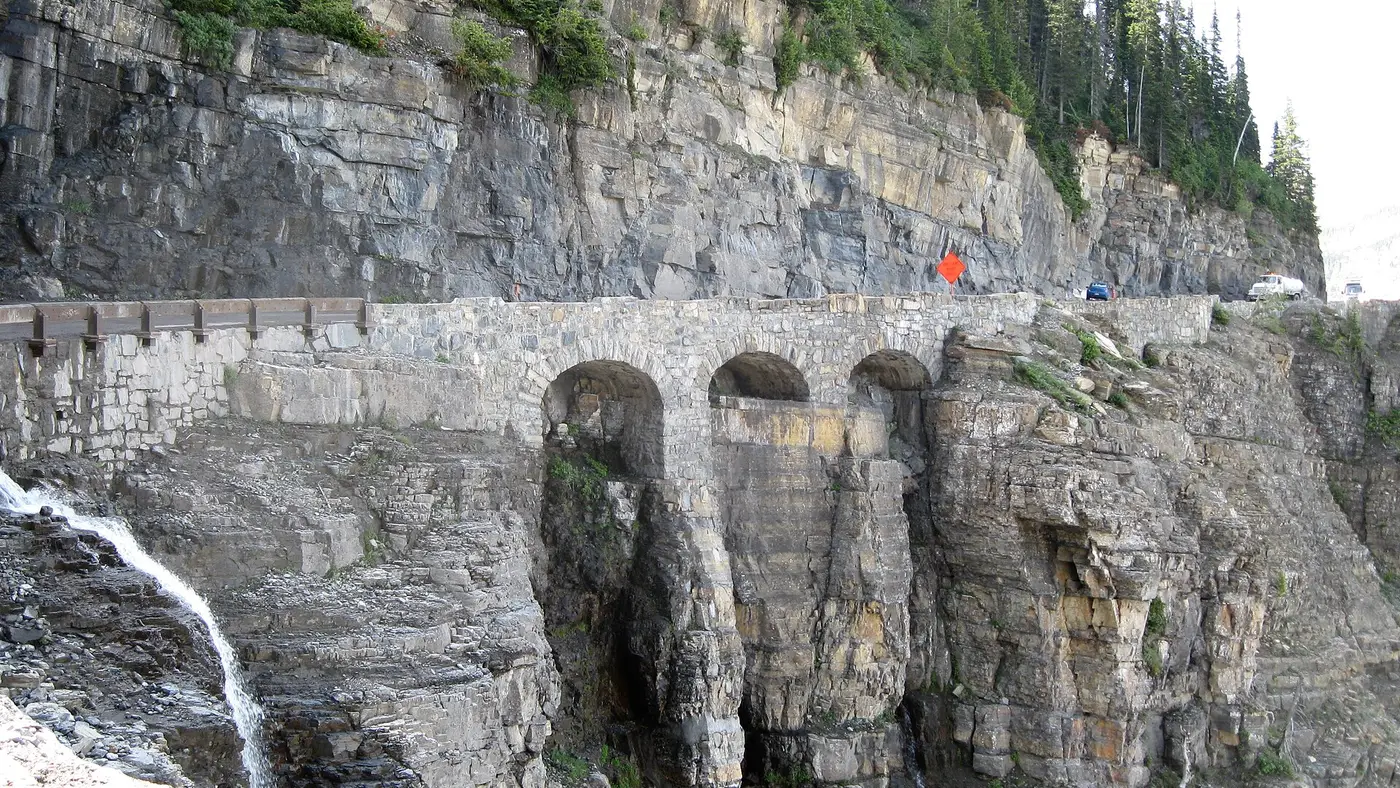
If you planned Glacier around a Going-to-the-Sun Road vehicle reservation, scrap that checklist. In 2026 the park didn’t require vehicle reservations anywhere: not on the Sun Road, not at Many Glacier, Two Medicine or the North Fork. What it tried at Logan Pass instead was narrower and easier to miss: a three-hour parking limit plus a $1 ticketed shuttle for longer hikes, scheduled from July 1 through Labor Day, September 7, 2026. NPS ended both for the season in early September and put parking at the pass back on first-come, first-served, with no time limit, until the alpine road closes for winter.
The Sun Road opened fully to cars on June 22, 2026. The mistake is treating “no reservation” as “no planning,” or treating one summer’s pilot as the rule for the next.
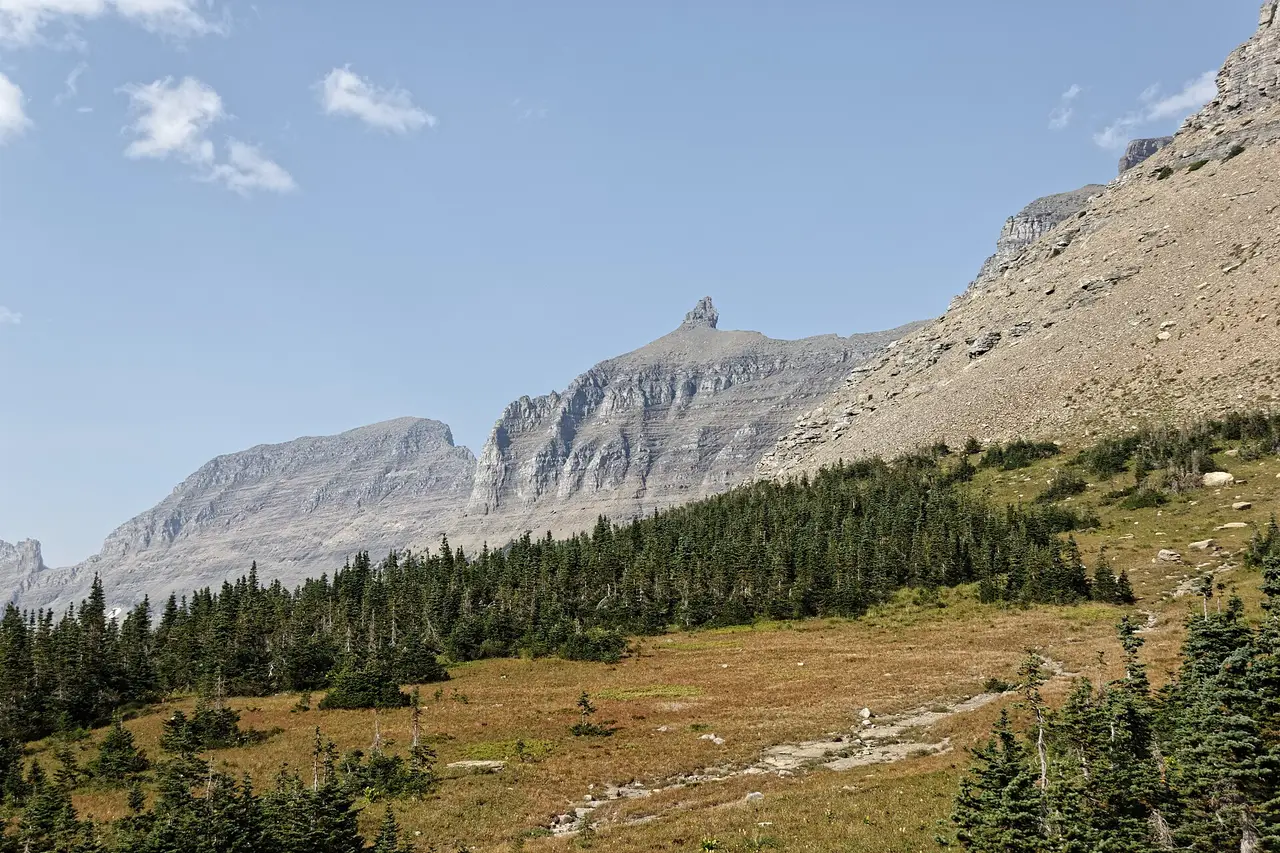
What changed for summer 2026
Older trip reports still talk about buying a Going-to-the-Sun corridor ticket months out. Glacier ran vehicle reservation systems for day visitors from 2021 through 2025 and switched them off for 2026. NPS was explicit: no vehicle reservation product for the road or the major valleys that year.
Instead, Logan Pass ran two tools on a July 1 to September 7, 2026 schedule:
-
Timed parking - every private vehicle spot was capped at three hours, enforced around the clock. You parked in a marked space, walked to the kiosk, took a free timestamped permit, and put it on the dashboard.
-
Logan Pass Shuttle - ticketed express buses for people who needed a full day on trails that start at the pass (Highline toward Granite Park Chalet or the Loop, for example).
The return times shaped every long hike: the last westbound shuttle left Logan Pass at 7:30 p.m. for Apgar and Lake McDonald, the last eastbound at 8:00 p.m. for St. Mary and Rising Sun, and NPS said outright that there was no other public transport back to your car if you missed it. Riders were told to be at the boarding area 30 minutes before their slot.
Three hours was enough for the visitor center, an interpretive talk, or the hike toward Hidden Lake Overlook if you moved with purpose. It wasn’t enough for a leisurely Highline day. Overnight parking at the pass was out unless you held a specific park permit (backcountry or Granite Park Chalet guests).
Logan Pass after the 2026 pilot
The pilot had a hard stop, and the weather moved it up a day. Rain closed the alpine section of the Sun Road, from Avalanche to Jackson Glacier Overlook, at 5 p.m. on September 6, 2026. The shuttles made their last runs that evening and didn’t run on Labor Day itself. On September 8 NPS announced that the shuttle and the three-hour limit were done for the season, and the road reopened on the afternoon of September 9.
From then on, parking at Logan Pass went back to first-come, first-served with no time limit, until the alpine section closes for winter. That’s easier on a long hike and harder on a late start. The lot has 235 spaces, and on most days of the pilot NPS handed out 1,200 to 1,300 three-hour permits. Without the turnover, the first cars in can stay all day, and the park’s road page says the lot usually fills by sunrise.
Services at the top wind down in stages. The park turned off the water at Logan Pass on September 8, 2026, cut Logan Pass Visitor Center hours to 9 a.m.-4 p.m. from mid-September, and scheduled its seasonal close for after September 27. The visitor center doesn’t sell bottled water, so bring your own.
Don’t carry the 2026 rules into a plan for another summer, in either direction. The park’s own explainer on the 2026 changes says Glacier has tested a different access strategy almost every year since 2021 and adjusts each pilot from visitor data and public comment, and the September release said the park “continues to refine transportation and access.” Before you book, open the park’s vehicle reservation and Logan Pass pages on nps.gov/glac and check which season they describe.
How the $1 shuttle ticket worked in 2026
Shuttle tickets lived on Recreation.gov, not at a window inside the park. The only cost was a $1 processing fee per ticket. Everyone age 2 and up needed a seat and a ticket; infants under 2 rode as lap children. Tickets were non-transferable, and staff could ask for photo ID to check that the buyer was on board. Cell service fails in the park, which is why NPS wanted riders holding their tickets before they arrived.
Release windows in 2026:
- A portion went on sale 60 days ahead, starting May 2, 2026 at 8 a.m. MDT, rolling forward one day at a time.
- The rest dropped daily at 7 p.m. MDT beginning June 30, for the next day’s buses.
West-side boarding was at Apgar Visitor Center and Lake McDonald Lodge; east-side boarding at St. Mary Visitor Center and Rising Sun Picnic Area. West buses also stopped at The Loop for Highline hikers. Avalanche Lake and the Trail of the Cedars weren’t on the 2026 shuttle at all. That grid replaced the old first-come, first-served buses, so if the park runs a shuttle in a later season, expect its own stops, ticket rules and release dates rather than a copy of these.
Driving Going-to-the-Sun Road in 2026
The road is the spine of the park: roughly 50 miles between the West Glacier and St. Mary sides, crossing Logan Pass. NPS announced the full motorized opening for the 2026 season on June 22, 2026, with access to the pass from both ends.
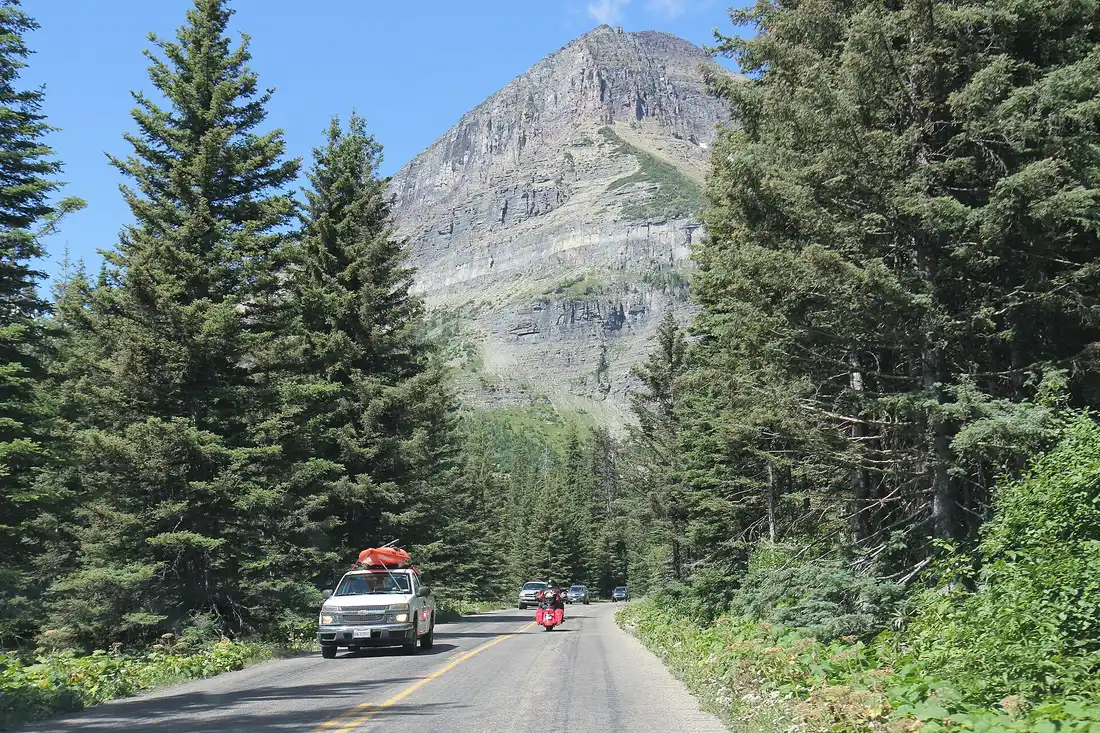
Size limits apply with or without a reservation system. Between Avalanche Creek and Rising Sun, vehicles and combinations longer than 21 feet (bumpers included) or wider than 8 feet (mirrors included) are prohibited. Vehicles over 10 feet tall can struggle on the west descent from Logan Pass to The Loop because of rock overhangs. Measure the rental you actually reserved, not the class name on the website.
The alpine section keeps its own calendar. Lower-elevation stretches of the road stay open all year, but there’s no set date for the drive over Logan Pass: it opens when plowing is done, and NPS says it’s typically fully open until the third Monday of October, weather permitting. That last part isn’t a formality. The September 2026 rain closure shut the pass for nearly three days, and in the park’s own record of past seasons the pass closed on September 29 in 2018 and September 25 in 2019. Check road status on nps.gov/glac the morning you drive, or text GNPROADS to 333111 for NPS road alerts.
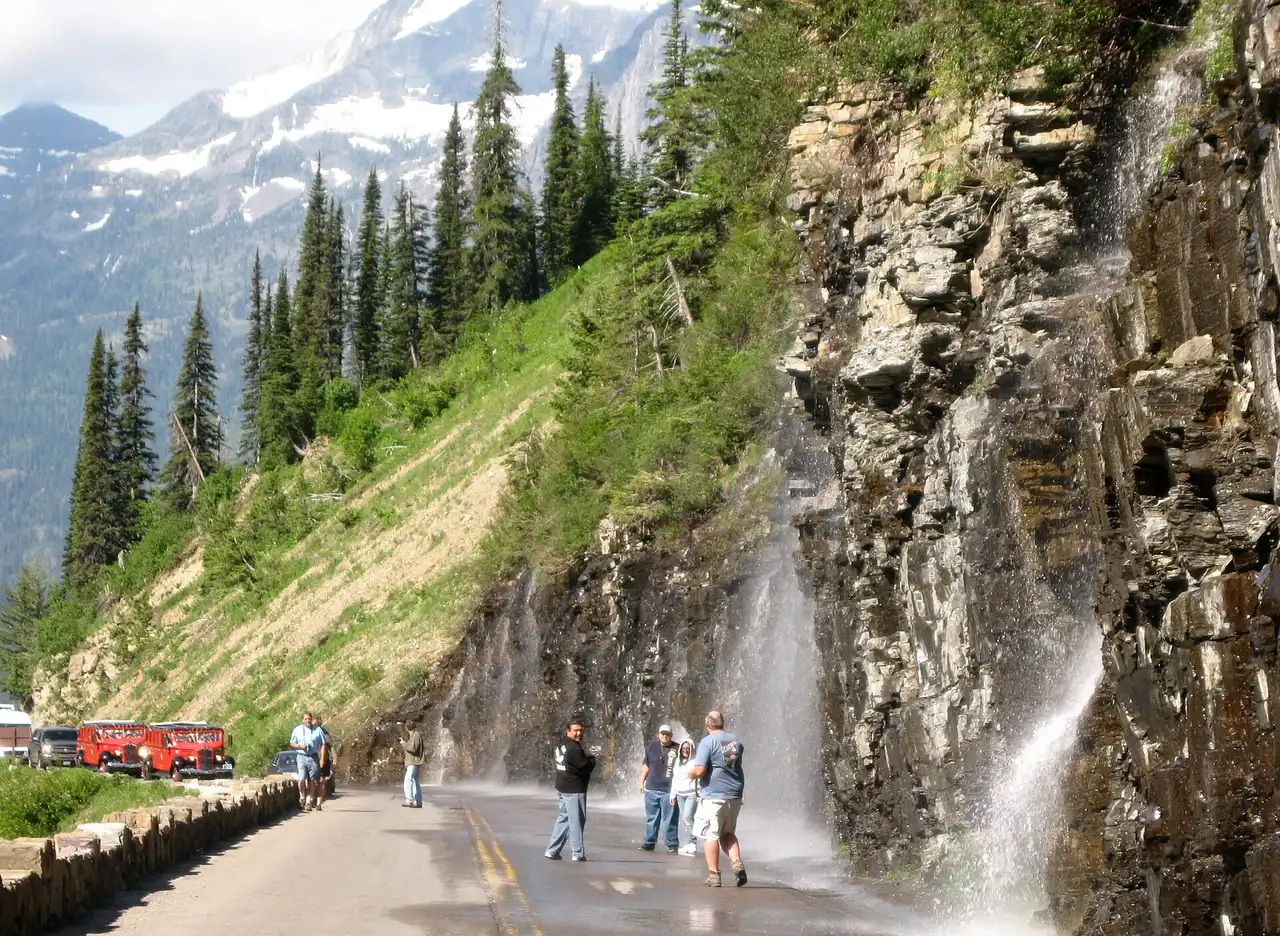
NPS warned at opening that the west entrance can back up up to about 2 miles / 30 minutes at peak times. Construction projects run through the warm months. None of that needs a reservation code - it needs an early start and patience.
Congestion could still close an entrance temporarily without a reservation system. For 2026, NPS said vehicles may be diverted when areas get too congested, and that people with a service reservation in that area (a boat tour, lodging, a horseback ride or a guided hike), a camping reservation or a backcountry permit would still be let in, though they might wait. Keep that confirmation in the car, not buried in an inbox you can’t open without signal.
What the gate costs in 2026
Standard summer entry is $35 per private vehicle for seven days. Motorcycles are $30. Walkers and cyclists 16 and older pay $20 per person; under 16 are free. From November 1 to April 30 the same passes drop to $25 / $20 / $15. The park is cashless at the gate.
Then the surcharge that catches overseas visitors: non-US residents aged 16 and over pay an extra $100 per person, unless they’re admitted on an Annual or America the Beautiful pass. Two visiting adults in one car can turn a $35 entry into $235 if they pay per visit. The America the Beautiful Pass math is the same conversation you’ll have at Rocky Mountain, which is on the same surcharge list. Olympic is not - the surcharge covers eleven parks, and picking the right pass depends on how many of those eleven you are hitting. If two of you are visiting from abroad, look at the America the Beautiful Non-Resident Annual Pass at $250: it covers the surcharge as well as entry, so it pays for itself at Glacier plus almost any second park on the list.
Where to sleep and which entrance
West Glacier / Apgar / Lake McDonald is the classic first night: lake access, Apgar services, and the west climb toward Logan Pass. St. Mary puts you on the east side for sunrise drives and Many Glacier as a separate day. Many Glacier didn’t need a vehicle reservation in 2026 either, but the road in still fills - start early if that’s your hike day. Which Montana airport that night belongs to - Glacier Park International vs a 6-hour drive from Bozeman - is in the Montana travel guide.
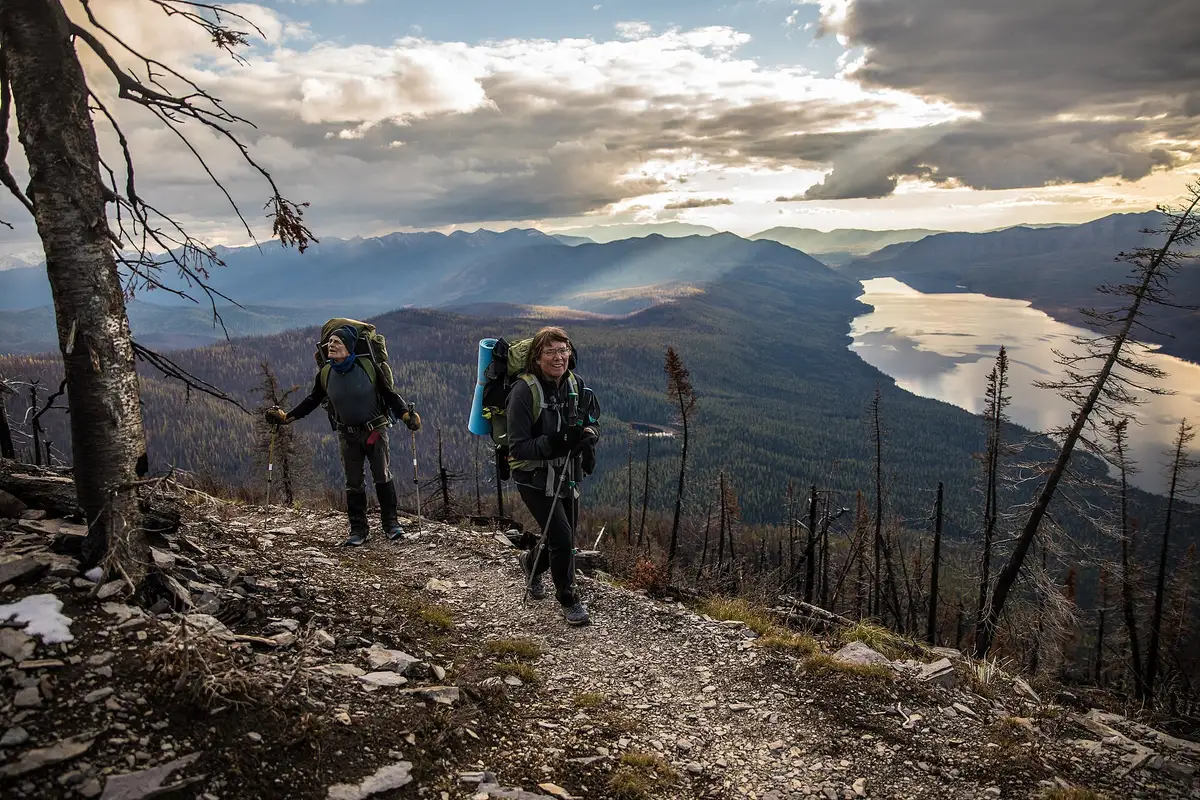
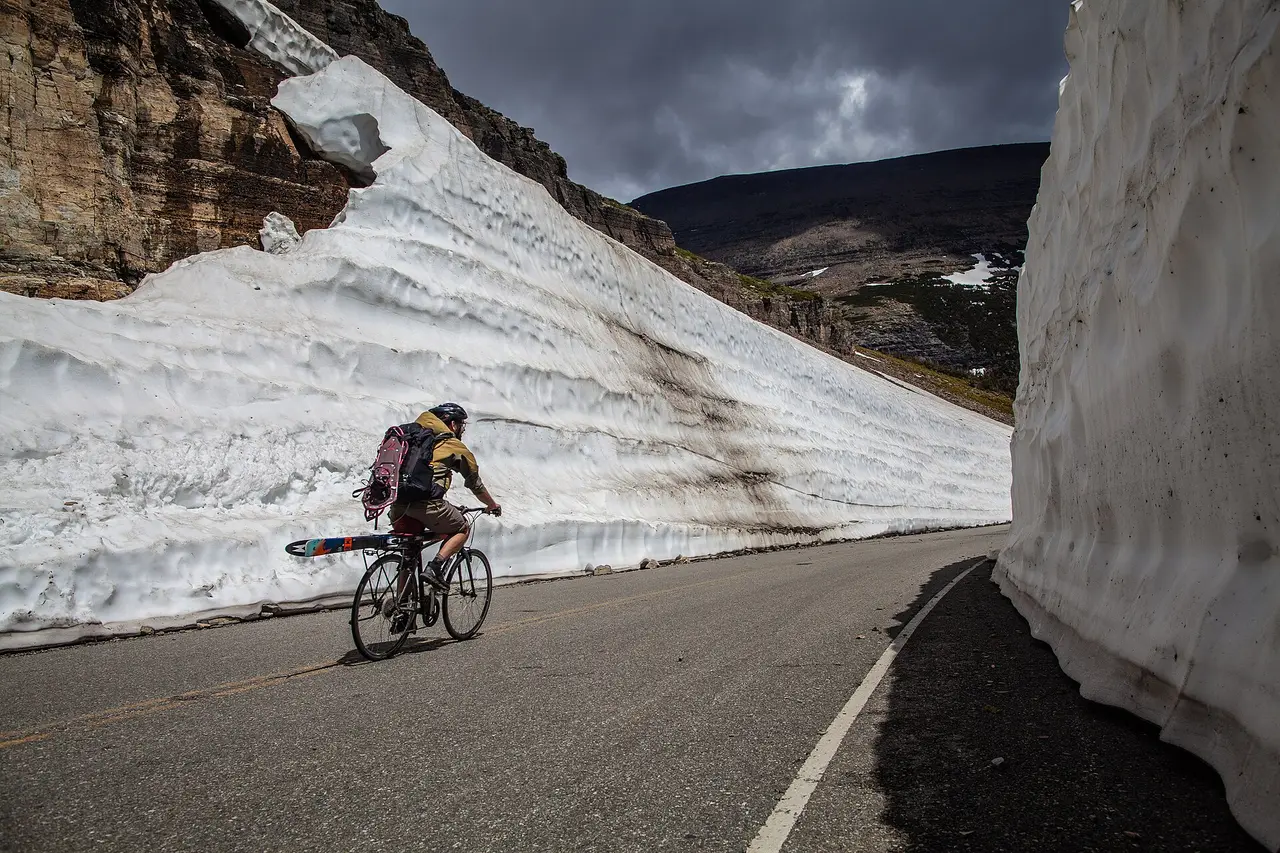
A car is still the default tool. Bicycles work on parts of the road under posted rules once cars are on it, but most first-time visitors aren’t building a bike trip. Compare that with Yellowstone, where the loop road system spreads people differently - Glacier funnels almost everyone onto one legendary strip of pavement. For another northern Rockies park with a different logistics shape, see Grand Teton National Park.
Timing your visit by season
How the day goes depends on which stretch of the season you land in:
- Before the pass opens. There’s no set date (it was June 22 in 2026). The lower road is open; the drive over Logan Pass isn’t.
- High summer. This is when Glacier manages access, and the tool has changed from year to year. Enter early on the side you’re sleeping on, and check what the park is running at Logan Pass for your dates before you count on parking there for a long hike.
- After Labor Day until the pass closes. When the 2026 pilot ended, parking at the pass had no time limit, services at the top were shrinking, and a single September storm showed how fast the alpine section can shut. Keep a lower-elevation plan for the day the pass is closed.
- Every visit. Have the entrance pass ready at the gate, and don’t throw food scraps out the window onto a road where animals already cause delays.
The 2026 system was almost the opposite of the reservation panic years: you could drive the Sun Road without a special code, but you couldn’t treat Logan Pass like an all-day parking lot in high summer. Whatever the park runs in a later summer, the planning habit carries over. Read the dates on the NPS pages for your own season, not in a trip report written about someone else’s, and the rest of the park opens up.
On the map
The map loads on click - to keep the page lightweight.
The map didn’t load. Check your connection and refresh the page.
Admission and opening hours
- Admission price
- Entrance checked 13 September 2026: private vehicle $35 for seven days (winter rate $25, November 1 to April 30); motorcycle $30 ($20 winter); per person on foot or bicycle aged 16+ $20 ($15 winter), under 16 free. Non-US residents aged 16+ pay an additional $100 per person unless admitted with an Annual or America the Beautiful pass. The 2026 Logan Pass shuttle cost only a $1 Recreation.gov processing fee per ticket, and the timed parking permit that ran alongside it was free.
- Opening hours
- Going-to-the-Sun Road: lower-elevation sections stay open all year. The alpine section over Logan Pass has no set opening date (it opened fully on June 22 in 2026) and NPS says it is typically fully open until the third Monday of October, though weather can close it at any point. The 2026 Logan Pass three-hour parking limit and ticketed shuttle ran on a July 1 to September 7 schedule and ended for the season; parking at the pass then returned to first-come, first-served with no time limit until the alpine section closes for winter.
Glacier has changed its summer access system almost every year since 2021 (vehicle reservations 2021-2025, a Logan Pass parking limit and ticketed shuttle in 2026), so read the NPS Logan Pass and vehicle reservation pages for the season you plan to travel. Road status changes with weather: check nps.gov/glac the morning you drive, or text GNPROADS to 333111 for NPS road alerts. Cell service is unreliable.
Details checked: September 13, 2026
Read also

National Parks · 12 min read
Canyonlands and Capitol Reef: Utah's Two Quiet Parks
Verified · August 29, 2026Canyonlands $30, Capitol Reef $20 for the Scenic Drive - what each park costs, which district to skip, and which one wins if you only have a day.

National Parks · 8 min read
Indiana Dunes from Chicago: Beaches & the $25 Gate
Verified · August 26, 2026Leave Chicago early for West Beach, the Dune Succession Trail and the South Shore Line to Dune Park. National and state park fees do not cross.

National Parks · 8 min read
Carlsbad Caverns: Natural Entrance and Bat Flight
Verified · August 25, 2026$15 entry plus $1 timed reservation, Natural Entrance vs elevator, Big Room loop, and free bat flights April-Oct.

National Parks · 8 min read
White Sands: Dunes, Sledding and Closures
Verified · August 25, 2026Gypsum dunes, $25 entry, sledding tips, and why missile-range tests can close Dunes Drive for hours - check NPS the morning you go.