
Montana: Glacier Country, Bozeman and Big Sky
BZN is 90 miles from Yellowstone's west and north gates. Glacier is about a 6-hour drive. Big Sky sits 45 miles south of Bozeman.
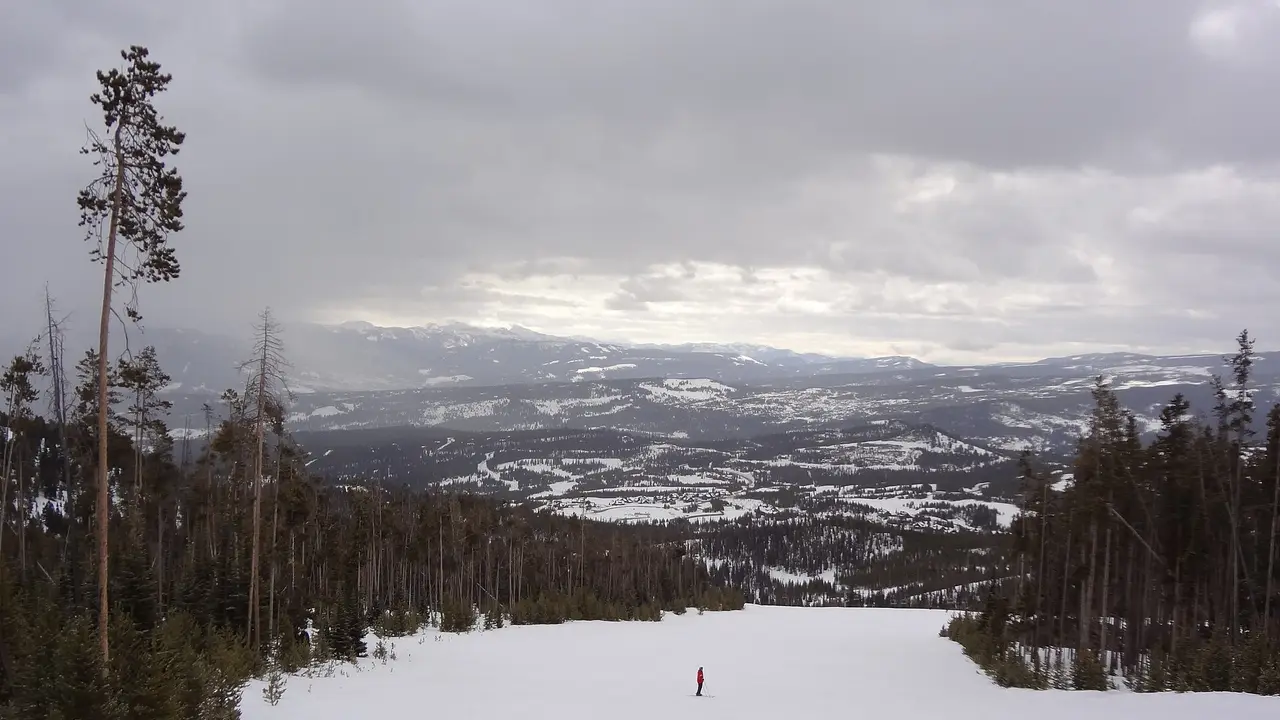
Montana sells two famous parks and one ski town, and they do not share an airport the way a brochure implies. Fly into Bozeman (BZN) if Yellowstone, Big Sky or a week in town is the trip. Fly into Glacier Park International (FCA) near Kalispell if Glacier National Park is the trip. BZN’s own page puts Glacier at about a 6-hour drive. That’s a second vacation, not a morning you stack onto Big Sky.
The numbers that actually change the booking: BZN sits 90 miles from Yellowstone’s west and north gates. Big Sky sits 45 miles south of that airport, on the same highway that runs to West Yellowstone. Glacier’s West Entrance is about 30 miles east of FCA. Pick the plane first. The rest of the state is large enough to punish the wrong one.
Fly BZN for Yellowstone, not for Glacier
Bozeman Yellowstone International Airport is the year-round Montana door to Yellowstone. Coming the other way on I-90, South Dakota is the Rushmore-and-Badlands fly-in through Rapid City. It’s the field the airport itself names for the west and north gates. Those gates are only 90 miles from BZN. NPS lists BZN among the commercial airports that serve the park all year, alongside Billings, plus Jackson and Cody in Wyoming and Idaho Falls in Idaho.
Ninety miles is the gate, not Old Faithful. NPS’s own drive table inside the park puts West Entrance to Madison Junction at 30 minutes and Madison to Old Faithful at 35-45 minutes, before bison jams and construction. Add that after the highway. You’re not looking at geysers 90 miles from baggage claim.
The same airport page will tell you that you can “see both” Yellowstone and Glacier through BZN. Read the next line they published: Glacier is approximately a 6-hour drive. If you land at BZN with Glacier as the main event, you bought the wrong ticket.
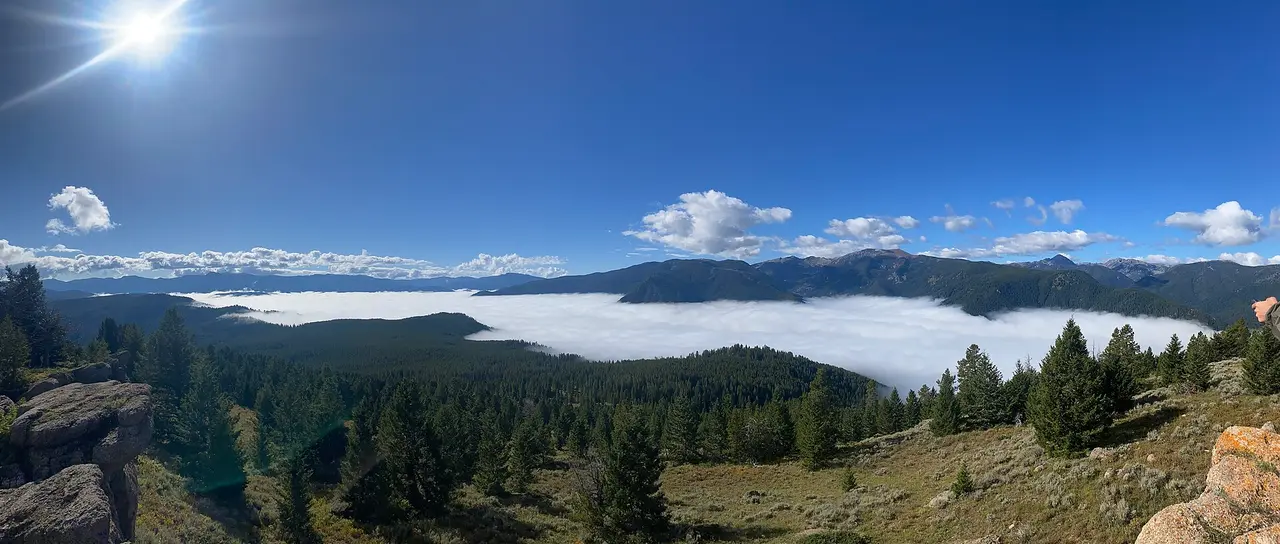
Glacier Park International is the other airport
Glacier has its own commercial field. Glacier Park International Airport sits near Kalispell. NPS puts it about 30 miles west of the West Entrance. The drive from Kalispell to the town of West Glacier is about 33 miles east on Highway 2. Missoula is the farther fallback, about 150 miles south of that same gate.
That’s the west-side landing: Apgar, Lake McDonald, the start of Going-to-the-Sun Road. East-side valleys (St. Mary, Many Glacier, Two Medicine) are a different drive once you’re in the park. NPS’s own estimate for West Glacier to St. Mary on the Sun Road is 50 miles and about 2 hours. US-2 around the south boundary is 90 miles for the same pair of towns. Neither of those is a BZN problem. They’re an FCA problem, which is the point.
There’s a train. Amtrak’s Empire Builder stops year-round at West Glacier (Belton). If you didn’t rent a car, that’s the one public arrival NPS actually names at the gate. There is no gas inside the park. Fill up before West Glacier.
Access rules live on the Glacier guide, not here: the summer car pass is $35, the park dropped vehicle reservations for 2026 and limited Logan Pass parking only in high summer, and the Sun Road opened fully on 22 June 2026. Read that page before you pack a vehicle longer than 21 feet, and before you assume one summer’s rules carry over to yours. This page is which airport belongs to which half of Montana.
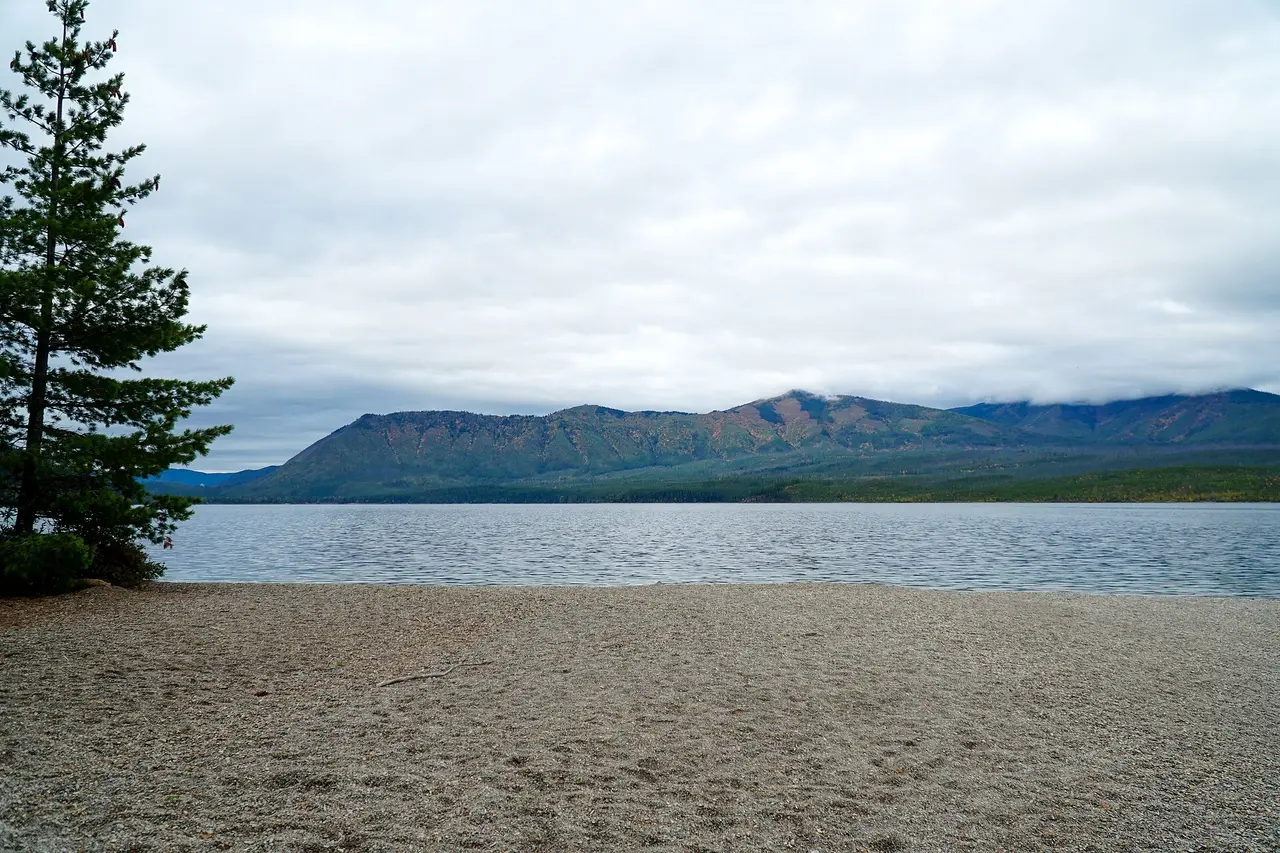
Bozeman is the year-round base
Bozeman is the town you can eat in on a Tuesday in January. That’s the job. BZN runs twelve months. The West Yellowstone airport does not: NPS says it’s served from Salt Lake City from early May to mid-October. If your Yellowstone trip is winter, or a shoulder week when WYS is dark, Bozeman is the plane and the supermarket.
It’s also the start of Highway 191 toward Big Sky. Sleep here if you want restaurants after a late arrival and a sane morning drive south. Sleep here if Yellowstone is a couple of days, not the whole week. Don’t sleep here if Logan Pass is tomorrow - you’re on the wrong side of the state.
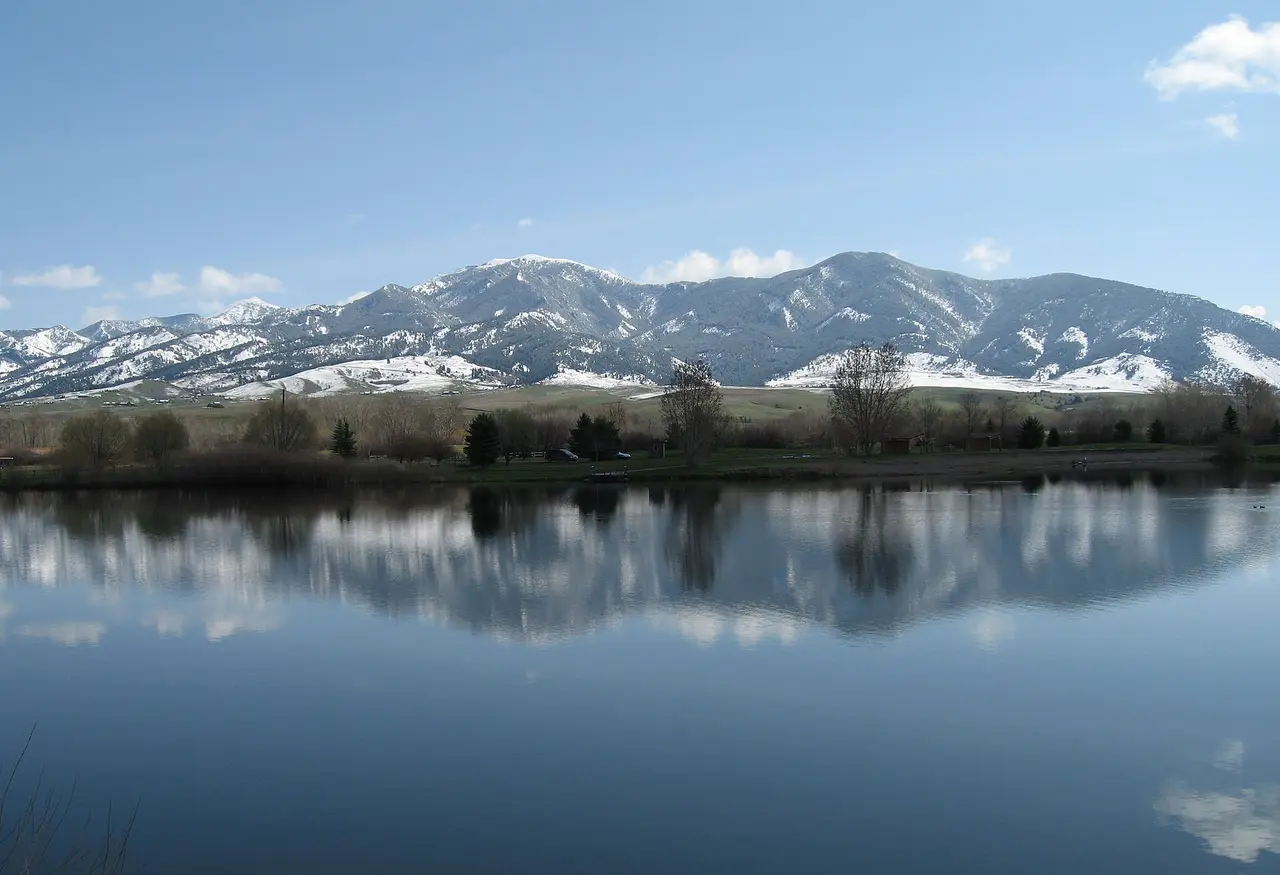
NPS notes year-round bus service from Bozeman to West Yellowstone on Highway 191, and commercial rides to Gardiner in summer and winter. A car is still the default. There is no train to Yellowstone. The nearest rails NPS lists sit in southeast Idaho, Salt Lake City and northern Montana - which is another way of saying: rent the car at BZN.
Big Sky sits on one highway
Big Sky is not a secret. The official tourism office puts it at the junction of US-191 and Montana 64, 45 miles south of BZN through Gallatin Canyon and 45 miles north of Yellowstone’s west entrance. One road in. One road out. The mountain is Lone Peak at 11,166 feet.
The resort’s own mountain stats, if skiing is why you came: 5,850 skiable acres, 4,350 vertical feet, a Mountain Village base at 7,500 feet, and they claim about 400 inches of snow a year. They count 40 chairlifts and surface lifts. I’m not turning that into a ranking. It’s a large ski area 45 miles from a real airport, which is the planning fact.
In summer the same 45 miles the other way is the West Entrance. Big Sky’s welcome page calls the town a gateway community to Yellowstone. That’s honest geography. It is not a Glacier gateway. Don’t let a lodging site sell you “parks” when the second park is BZN’s 6-hour drive.
The place is small. Visit Big Sky puts full-time residents around 3,000, in an unincorporated census-designated place that straddles Gallatin and Madison counties. Peak periods pack it. Book the room before you land, especially in winter and in July.
Yellowstone’s Montana doors
Most of Yellowstone is Wyoming. NPS is blunt: the park covers nearly 3,500 square miles, and only 3 percent of it sits in Montana (1 percent is Idaho). The convenient doors, though, are Montana towns.
West Yellowstone is the West Entrance, the geyser-basin approach, and the seasonal airport. Gardiner is the North Entrance and the winter answer: the road from here through Mammoth to Cooke City stays open to regular cars when the interior is shut. NPS’s table puts North Entrance to Mammoth at 15 minutes. Cooke City is the Northeast Entrance, the Lamar Valley early start. The geyser and wildlife details, the 2026 road calendar, and the distance rules live in the Yellowstone guide. This page is which Montana town matches which gate. Inside the park, NPS says a vehicle is generally required: about 50 miles of road separate Old Faithful from the Grand Canyon of the Yellowstone, and the speed limit is 45 mph unless a sign says otherwise. Wildlife on the road stretches that. You’ll want a full tank before you enter.
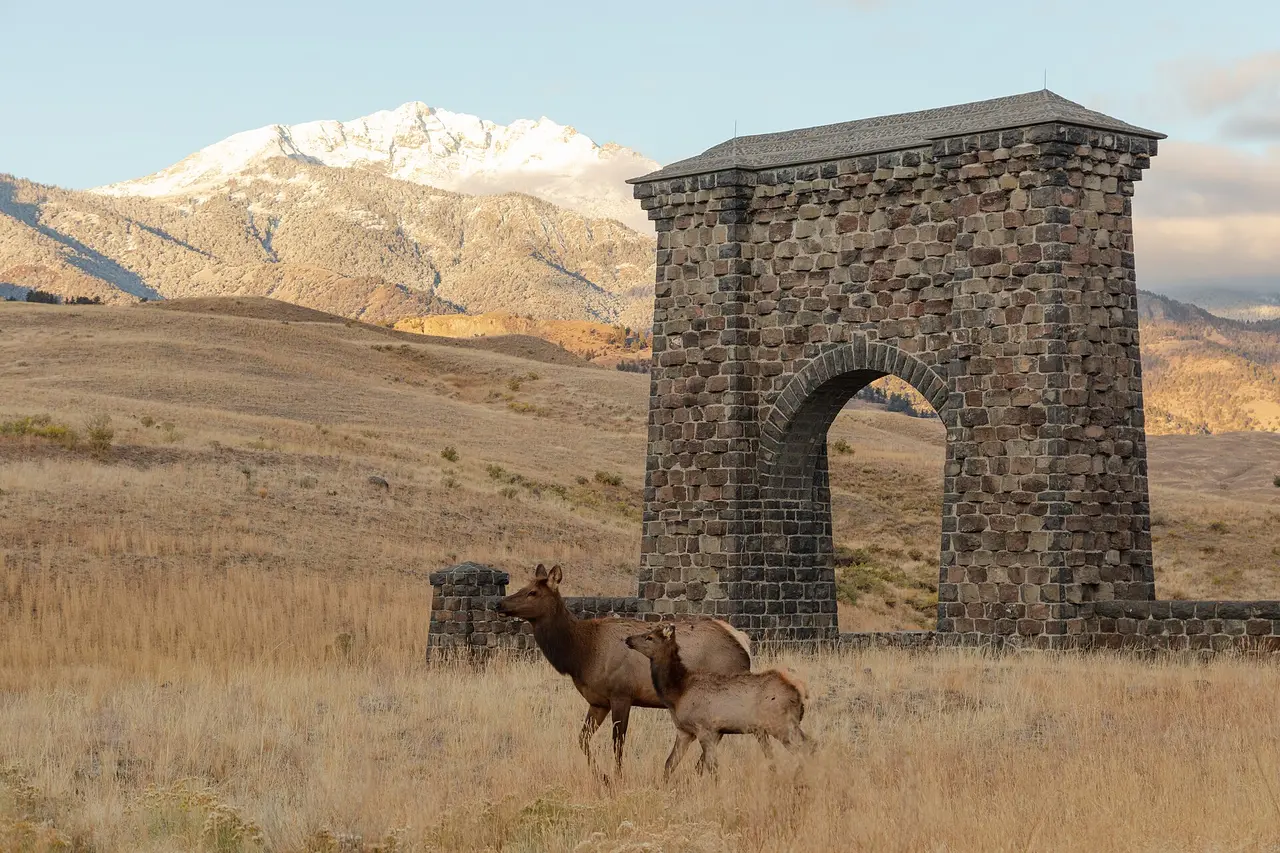
Summer entry at Yellowstone is $35 per private vehicle for seven days. Non-US residents 16 and over add $100 a person unless they’re on an Annual or America the Beautiful pass. Glacier charges the same pair. Two overseas adults doing both parks without a pass aren’t looking at $70. They’re looking at two booths. The America the Beautiful Pass math is the same $250-versus-gate conversation as everywhere else on that eleven-park list. If the trip continues south through Grand Teton, that’s a third booth on the same list.
Most interior Yellowstone roads still close to ordinary cars from early November to late April. A January BZN landing does not equal a January Old Faithful drive. It equals Gardiner, or a booked snowcoach, or a ski week at Big Sky. Check the park road page. Don’t build July’s loop in February.
If you only book one flight
If Yellowstone or Big Sky is the reason you came, book BZN. The west and north gates are 90 miles. The ski town is 45. Bozeman is the town that still has dinner when WYS is seasonal.
If Glacier is the reason you came, book FCA. The West Entrance is about 30 miles. The Sun Road, Logan Pass and the 2026 parking rules are a west-side week, described on the Glacier page. BZN’s 6-hour drive is how you know you guessed wrong.
If you want both parks, you want two flights or a real driving week, not a day stacked onto a Big Sky hotel. Pretend the map is smaller than that and the airports will punish you. Heading east instead of west, North Dakota covers Medora and Theodore Roosevelt National Park on a different map entirely.
On the map
The map loads on click - to keep the page lightweight.
The map didn’t load. Check your connection and refresh the page.
Admission and opening hours
- Admission price
- Bozeman Yellowstone International Airport (BZN) sits 90 miles from Yellowstone's west and north gates. Glacier Park International Airport (FCA) is about 30 miles west of Glacier's West Entrance. Big Sky is 45 miles south of BZN. Glacier and Yellowstone each charge $35 per private vehicle for seven days in summer, and Glacier drops to $25 from 1 November to 30 April, plus $100 per non-US resident aged 16+ unless you hold an Annual or America the Beautiful pass.
- Opening hours
- Yellowstone: most interior roads close to regular cars from early November to late April; the Gardiner-Cooke City road stays open year-round. Glacier: Going-to-the-Sun Road typically fully open from late June; alpine sections usually close around the third Monday of October. West Yellowstone airport is seasonal (early May to mid-October from Salt Lake City).
Confirm park road status on nps.gov/yell and nps.gov/glac the morning you drive. BZN's own page calls Glacier about a 6-hour drive - treat that as a second trip, not a day trip from Big Sky.
Details checked: August 18, 2026
Read also

States · 11 min read
Connecticut: Mystic, New Haven and the Shoreline
Verified · September 12, 2026Mystic Seaport at $35 adult, free Yale galleries in New Haven, and Gillette Castle on the river - how a Connecticut weekend actually fits.

States · 9 min read
North Dakota: Medora and Theodore Roosevelt NP
Verified · September 5, 2026The 36-mile South Unit loop starts in Medora, entrance $30 per vehicle, cashless from May 2026 - how to plan Theodore Roosevelt National Park.

States · 9 min read
Arkansas Travel Guide: Hot Springs & Ozarks
Verified · September 4, 2026Fee-free Hot Springs NP downtown, free Crystal Bridges in Bentonville, and the 135-mile Buffalo - how to string an Arkansas road trip.

States · 10 min read
Indiana Travel Guide: Indy, Speedway, Shore
Verified · September 5, 2026IMS Museum at $25, Kiss the Bricks at $15, Brown County hills and Lake Michigan shore - an Indiana trip beyond a Chicago beach day.