
Yosemite Reservations: Not Required in 2026 (Full History)
No timed entry at Yosemite in 2026 - its third on/off switch since 2020. The history, the $2 fee when it returns, and how to check before you drive.
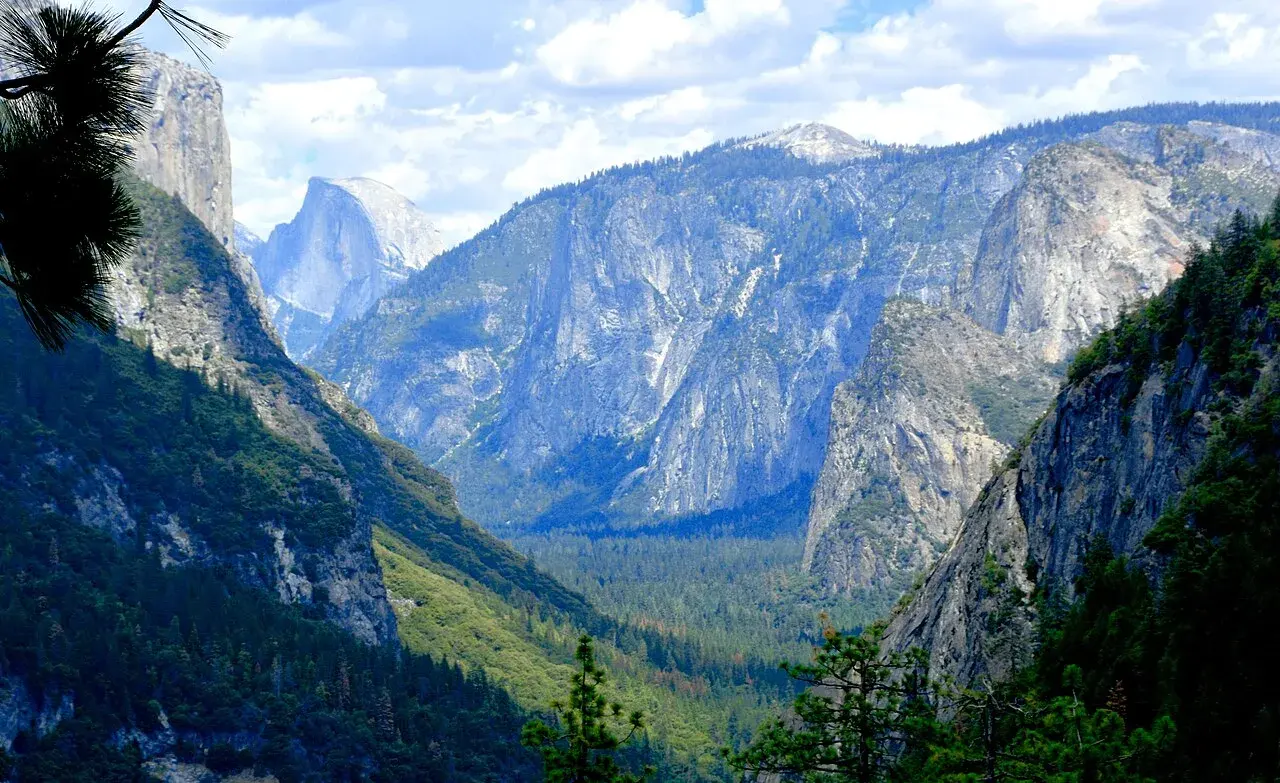
Yosemite has flipped its entrance-reservation policy on and off three times since 2020, and the current answer is simple: no reservation is required to drive in for 2026. The park says it’s managing the crowds instead with real-time traffic monitoring and more staff at the busiest intersections. What isn’t simple is trusting that answer to still be true next summer - the one thing you can predict about this policy is that the announcement usually lands only a few months before the season it covers.
No reservation in 2026 - read the fine print anyway
The park put it plainly in a release last updated 18 February 2026: “Yosemite National Park today announced it will no longer use a timed reservation system in 2026.” The decision followed a review of 2025 traffic and parking data. Most weekdays, it turned out, kept parking available and traffic moving inside the park’s normal capacity. In place of a booking requirement, the park is running real-time traffic monitoring, active parking management in the Valley, extra staffing at key intersections during peak periods, and a push to get visitors onto Tuolumne Meadows, Wawona and Hetch Hetchy rather than funneling everyone into the Valley floor.
Yosemite Superintendent Ray McPadden’s own framing is worth reading closely: “our data demonstrates that a season-wide reservation requirement is not the most effective approach for the coming season.” Read that carefully. It’s a decision about this season, not a permanent policy change - and the park says as much by continuing to publish real-time congestion tools rather than retiring them.
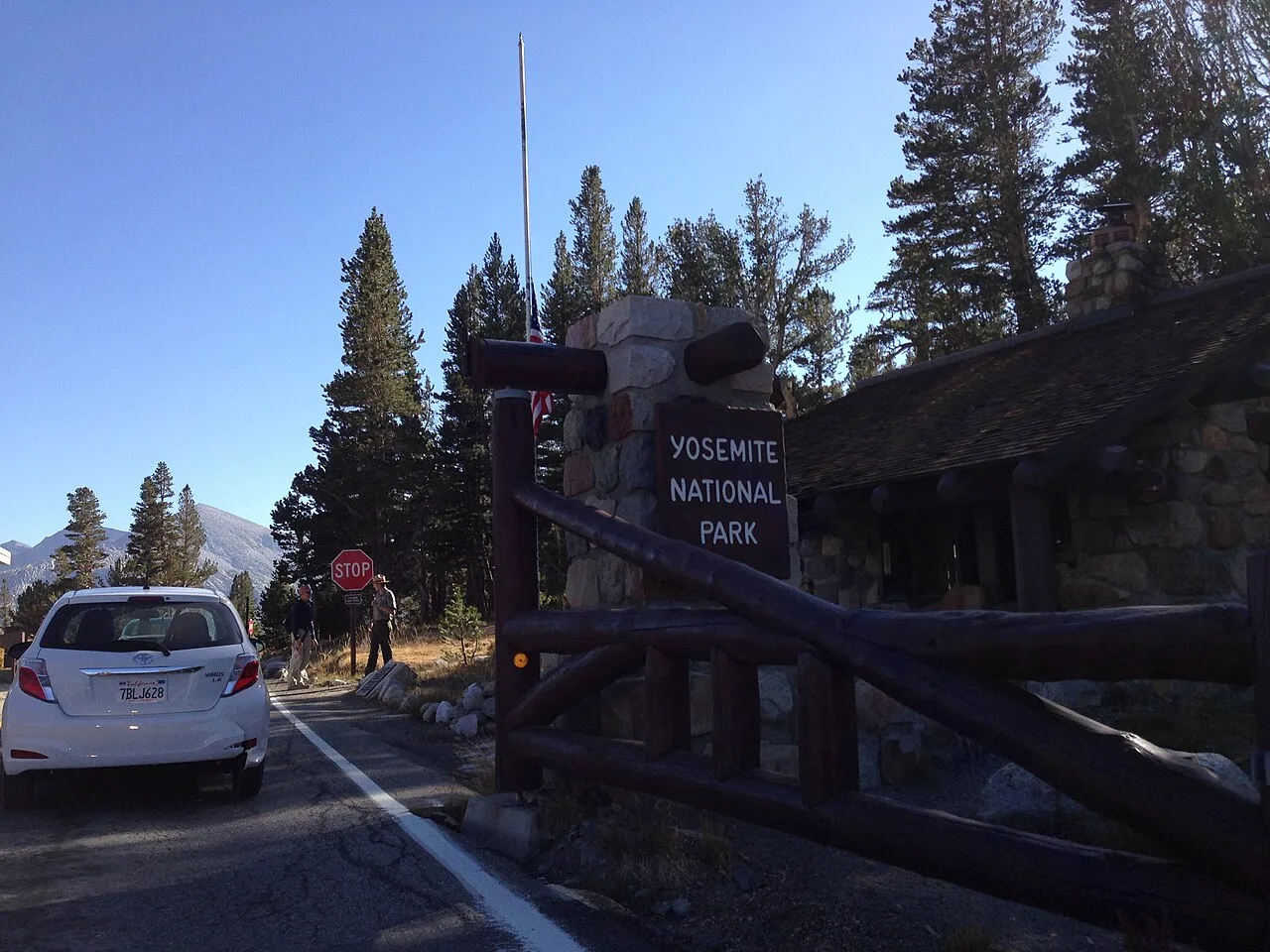
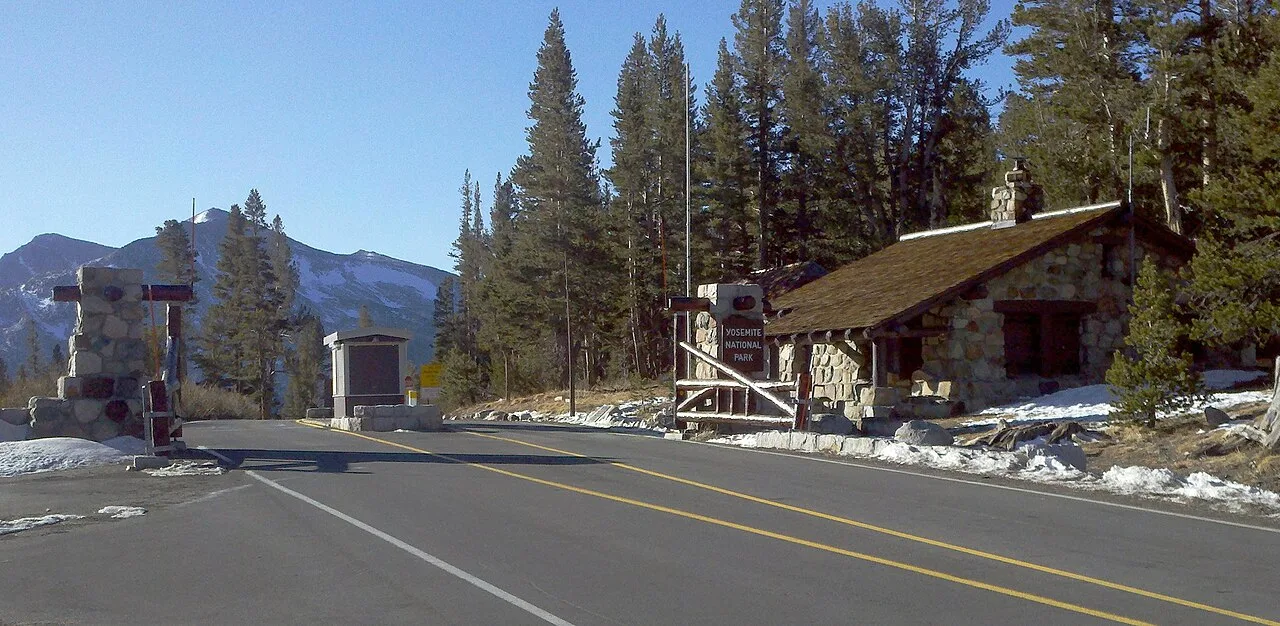
In years when a reservation is required, it applies at every gate, not just the busy South and Arch Rock entrances off Highways 41 and 140. That includes the remote Tioga Pass entrance on the park’s eastern boundary, which most visitors reach after crossing the Sierra from Lee Vining or Mammoth Lakes. A driver who’s just spent hours on a mountain pass with no cell signal to check a booking is exactly the kind of visitor a reservation requirement catches out. There’s no separate rule for any one entrance; whatever policy applies that season applies park-wide, at all five gates - Arch Rock, Big Oak Flat, South Entrance, Tioga Pass and Hetch Hetchy.
A policy that hasn’t sat still since 2020
Here’s the run of seasons, because it explains why “check before you go” isn’t just caution:
| Year | Reservation required? |
|---|---|
| 2020 | Yes - pilot system introduced during the pandemic |
| 2021 | Yes - continued through the summer |
| 2022 | Yes - peak hours only, 6 a.m.-4 p.m., May 20-September 30 |
| 2023 | No - summer visitation rose sharply without one |
| 2024 | Yes - returned |
| 2025 | Yes - scaled back to 6 a.m.-2 p.m., June 15-August 15, plus Labor Day weekend |
| 2026 | No - announced February 18, 2026 |
Only two of the last six seasons ran without a reservation requirement, and both times the park framed it as a decision for that year, not a rule change. If you’re planning a trip more than a few months out, that history is the reason to bookmark the reservations page rather than trust this article’s headline number.
How it worked, the years it existed
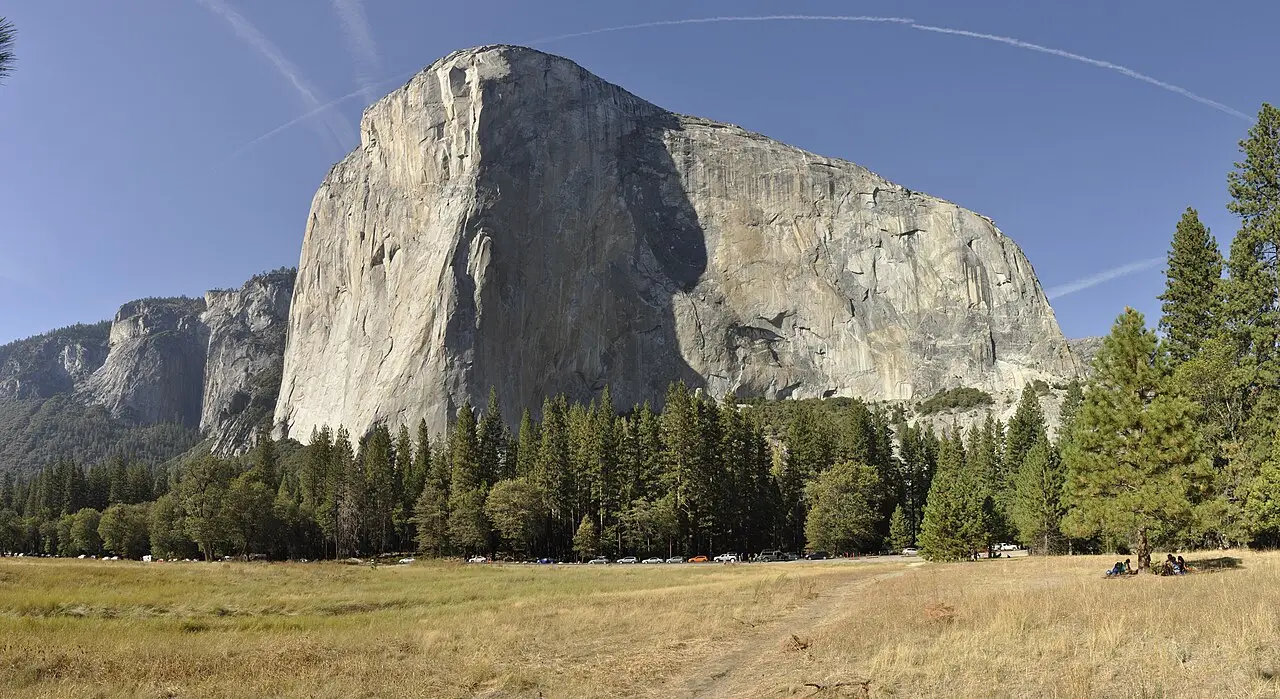
When Yosemite has run a reservation system, the mechanics have been consistent: a non-refundable $2 processing fee through Recreation.gov, on top of the standard park entrance fee, covering a block of hours rather than the whole day. The 2025 version required a reservation only from 6 a.m. to 2 p.m., which meant driving in after lunch needed nothing extra. Reservations for the full window went on sale months ahead, with a rolling batch released seven days before each date for anyone who hadn’t planned that far in advance.
One exemption is worth remembering if the system returns: guests with a booking at a Yosemite campground, hotel or lodge - or a vacation rental in Wawona, Yosemite West or Foresta - didn’t need a separate peak-hours reservation at all. Locking in a place to sleep inside or near the park has, in past years, doubled as your entry ticket.
Yosemite isn’t the only park that moved this year
February 18, 2026 wasn’t just Yosemite’s announcement day. Arches National Park dropped its own timed-entry requirement the same date, though it kept reservations for Devils Garden Campground and the Fiery Furnace hike. Glacier National Park went further - it ended vehicle reservations everywhere in the park for the first time since 2021, but replaced them with a ticketed shuttle to Logan Pass ($1 a person, and a two-year-old needs their own ticket and their own seat - only under-2s ride free as a lap child) and a three-hour parking limit at Logan Pass itself, enforced 24 hours a day from July 1 through the shuttle season.
Not every park moved. Rocky Mountain National Park still requires timed entry in 2026, starting May 22, with two separate permit types covering different hours and different end dates, released in monthly batches plus a same-week top-up the evening before each date. It’s arguably a stricter system than anything Yosemite has run. And it’s proof that “national parks dropped reservations this year” is a headline, not a rule you can apply to the next park on your itinerary. Zion has never used an entrance reservation at all; it solves the same crowding problem with a mandatory free shuttle and a separate lottery permit just for Angels Landing. Reservation policy is decided park by park, sometimes even year by year at the same park, and a rule you read about one doesn’t tell you anything reliable about the next.
What’s controlling the crowd instead of a booking system
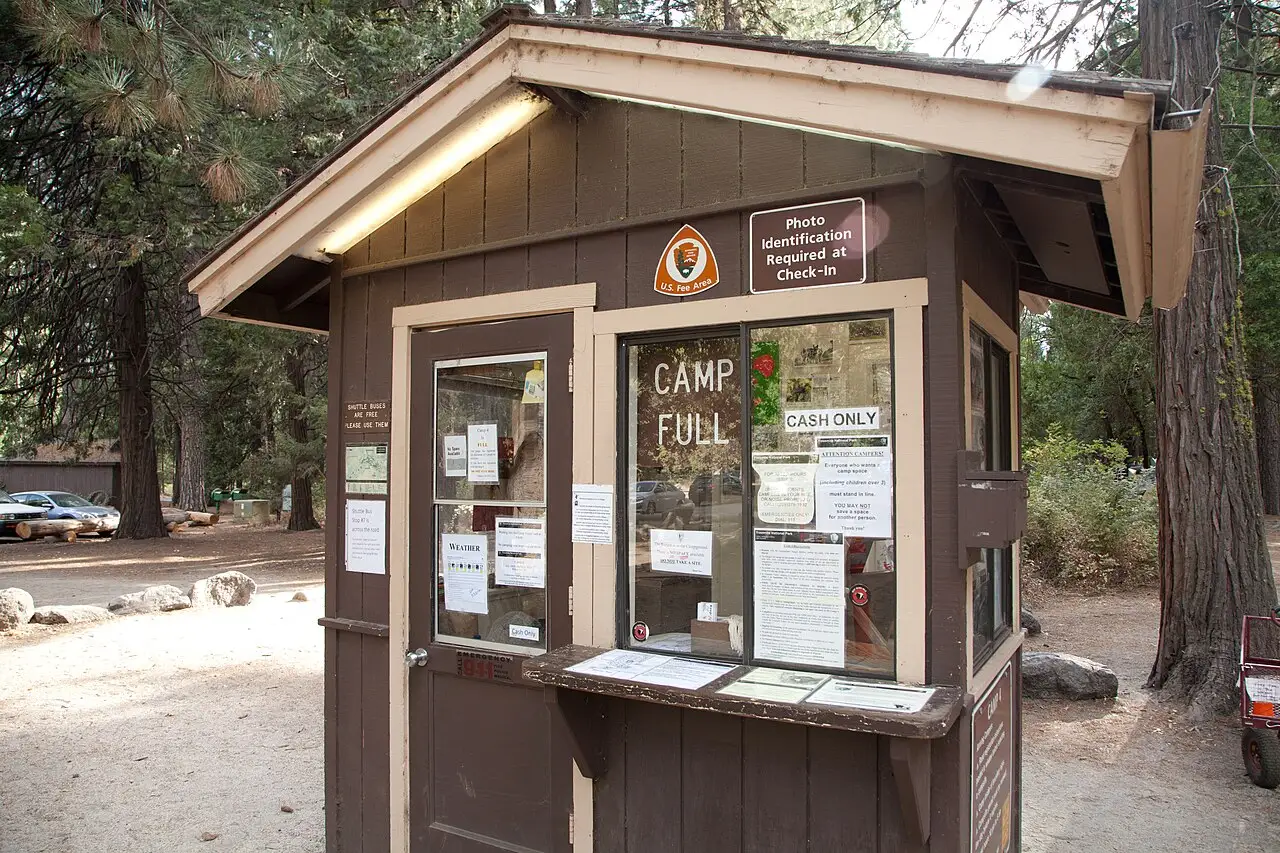
Dropping the reservation didn’t drop the crowd. Yosemite Valley has a fixed number of parking spaces. On a summer Saturday, the day-use lots still fill by mid-morning, whether or not you needed a booking to get through the gate. The park’s own substitute tools are real-time traffic monitoring, extra staff directing cars at the worst intersections, and a steady push toward arriving before 9 a.m. or after 4 p.m. - or skipping the Valley floor for Tuolumne Meadows or Wawona instead.
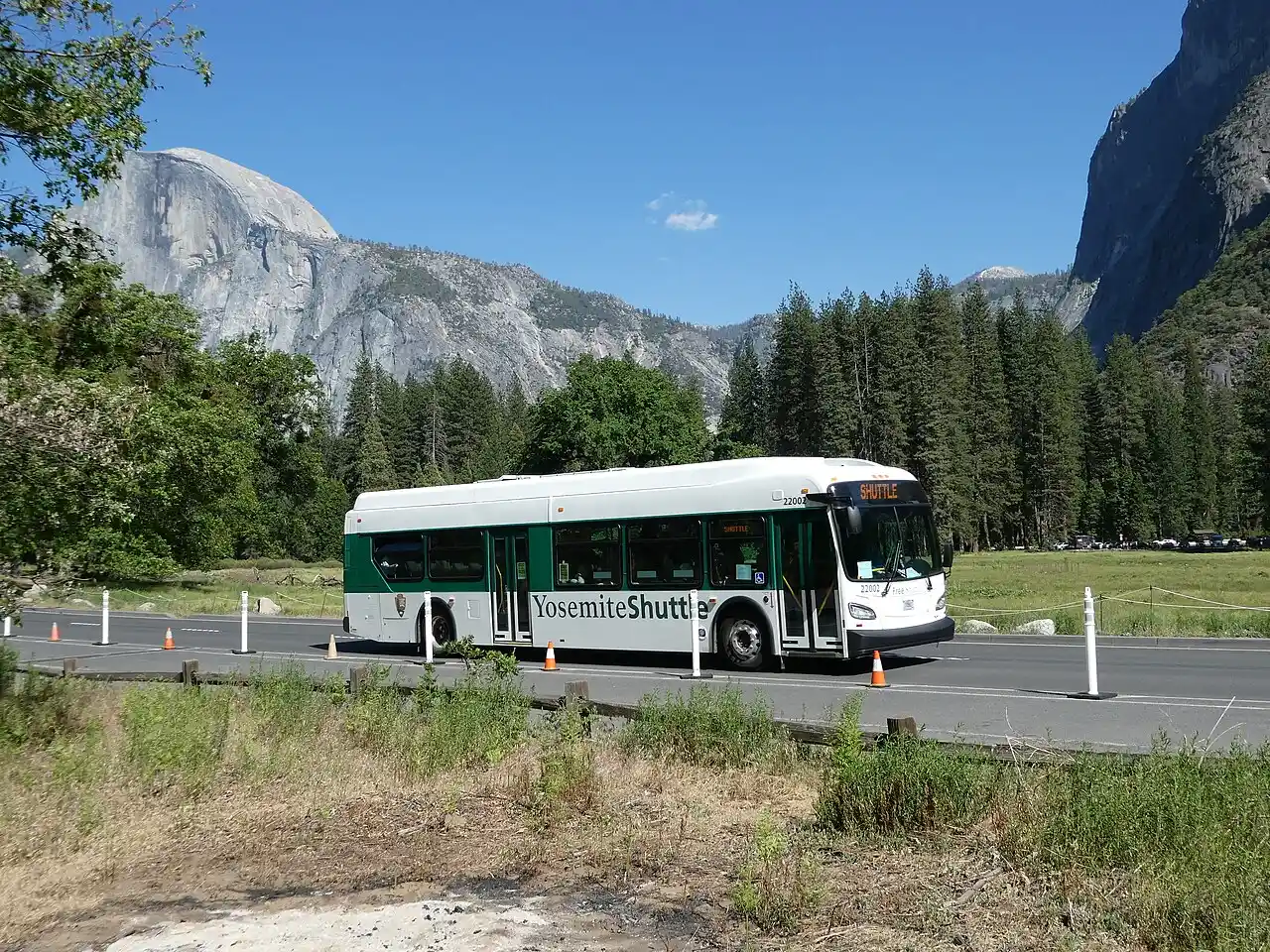
The park’s two free shuttles do more for a Valley day than any booking system would. The Valleywide route runs every 12-22 minutes and the East Valley route every 8-12 minutes, both from 7 a.m. to 10 p.m. daily. Park the car once, at your lodging or a day-use lot, and use the shuttle for everything else. That habit matters more than which policy year you happen to be visiting in.
The cost of guessing wrong: 2022 into 2023
The 2022-to-2023 flip is the cautionary tale worth remembering. Visitors who assumed the peak-hours system from 2022 would carry over into 2023 and skipped booking a reservation they didn’t actually need lost nothing. The riskier mistake runs the other way: building a trip around “no reservation needed” months ahead of a summer that later turns out to require one, then arriving at the gate without a booking and without a plan B. A reservation requirement, when it’s in force, isn’t negotiable at the entrance station - a ranger can’t wave a booked flight through the gate. If your dates are more than a couple of months out and non-refundable, that gap between planning now and driving up later is exactly where this policy has bitten people before.
Watching for a return
If a reservation requirement comes back for 2027 or later, expect the same pattern it has followed every time before. An NPS announcement a few months ahead of the season. A $2 Recreation.gov fee on top of the entrance charge. Hours that cover only the busiest part of the day, not all 24. And an exemption for anyone who already has a room or a campsite booked inside the park.
Set a reminder to check nps.gov/yose/planyourvisit/reservations.htm a few months before you travel. If you’re the kind of traveler who books a year out, keep the confirmation for your lodging handy. It’s done double duty as an entry pass before, and there’s no reason to think it won’t again.
Read also
- Waterfall timing, road-opening dates and the Half Dome permit lottery: Yosemite National Park
- The stricter neighbor that still requires two separate permits: Rocky Mountain National Park
- No entrance reservation, ever - just a mandatory shuttle: Zion National Park
- All our national park guides
- Whether the annual pass beats paying at the gate: the America the Beautiful Pass
Good to know
Yosemite is not using a timed entrance reservation system in 2026. This has changed most years since 2020 and could change again for 2027 - confirm on the park's own reservations page before you build a trip around a specific arrival time.
Details checked: August 8, 2026
Read also

National Parks · 12 min read
Canyonlands and Capitol Reef: Utah's Two Quiet Parks
Verified · August 29, 2026Canyonlands $30, Capitol Reef $20 for the Scenic Drive - what each park costs, which district to skip, and which one wins if you only have a day.

National Parks · 8 min read
Indiana Dunes from Chicago: Beaches & the $25 Gate
Verified · August 26, 2026Leave Chicago early for West Beach, the Dune Succession Trail and the South Shore Line to Dune Park. National and state park fees do not cross.

National Parks · 8 min read
Carlsbad Caverns: Natural Entrance and Bat Flight
Verified · August 25, 2026$15 entry plus $1 timed reservation, Natural Entrance vs elevator, Big Room loop, and free bat flights April-Oct.

National Parks · 8 min read
White Sands: Dunes, Sledding and Closures
Verified · August 25, 2026Gypsum dunes, $25 entry, sledding tips, and why missile-range tests can close Dunes Drive for hours - check NPS the morning you go.