
Joshua Tree National Park: Seasons, Stars and What to Skip
Fall and spring are the sweet spot. Summer heat rules out the hard trails. No timed entry, $30 a car, and no foreigner surcharge.
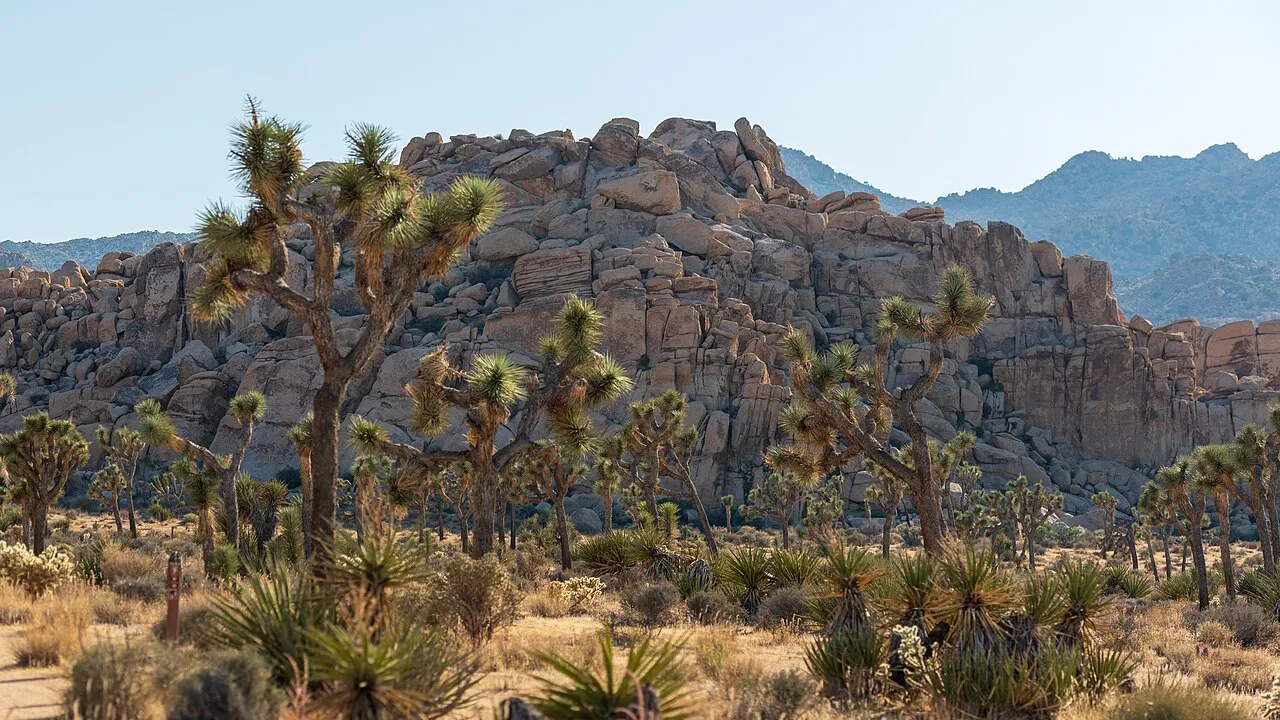
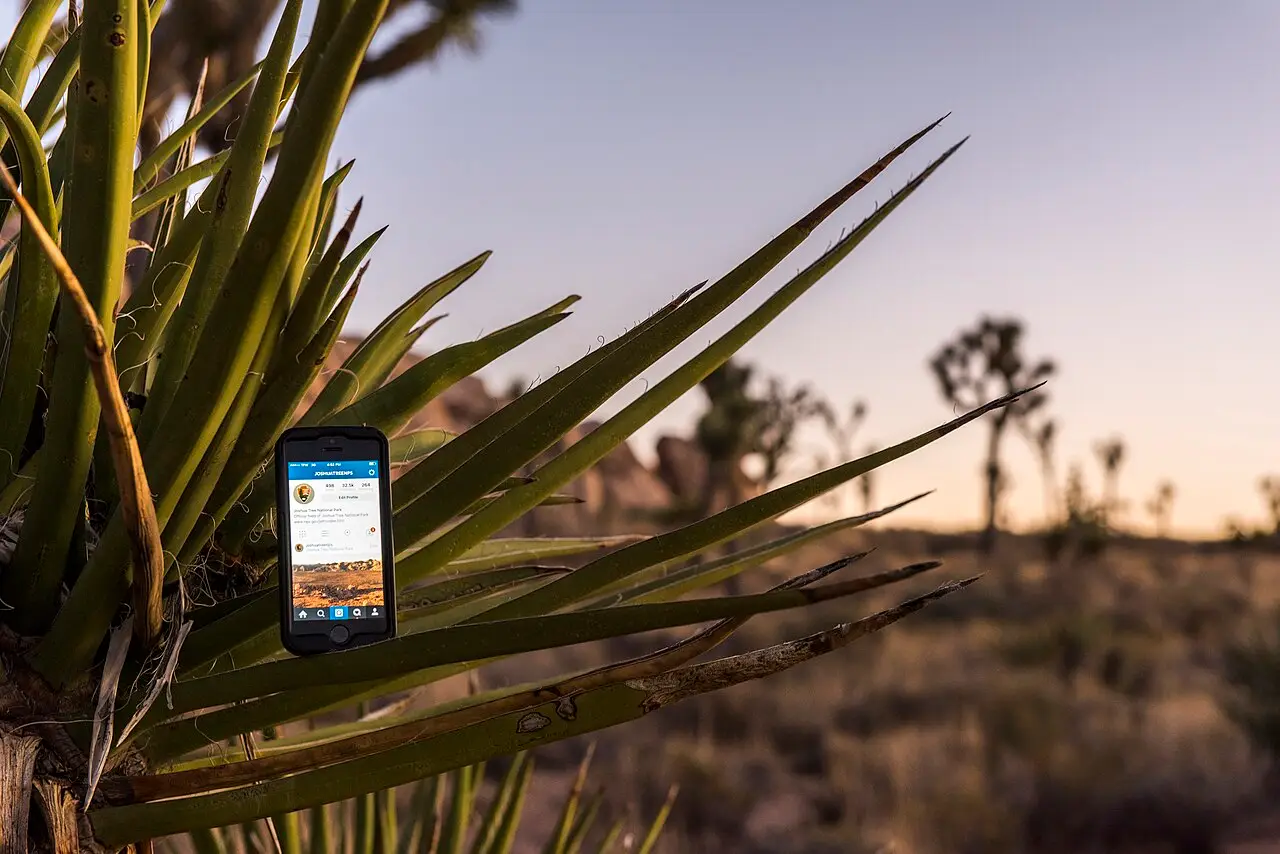
Come in October through April if you want to hike without negotiating with a heat advisory. May through September still works for sunrise walks, scenic drives and night skies - it does not work for the long exposed trails people screenshot from Instagram. The park stays open 24 hours a day, every day of the year, and there is no timed-entry ticket to buy. A private car is $30 for seven days.
That combination fools first-timers. They treat “always open, no reservation” as “show up at noon in July with a half-liter bottle.” The desert doesn’t care about your itinerary.
Fall and spring are the real season
NPS describes fall and spring as the comfortable window: highs commonly in the 70s to mid-80s Fahrenheit, nights around 50°F. Winter days often sit near 60°F, with nights near or below freezing and the occasional dusting of snow on the higher ridges. Summer regularly pushes daytime highs around 100°F, and nights may not drop much below 75°F.
Crowds follow the same calendar. Weekends from October through May, holidays, and spring break (mid-March into mid-April) pack the west entrance, the popular picnic lots and the short loops. Arrive early, or accept that you’ll circle for parking at Hidden Valley and Skull Rock.
If you’re choosing between a Sierra park and this one on a winter trip, Joshua Tree is the easier outdoor day. If you’re choosing between this and Yosemite in July, the math flips for a different reason - more on fees below.
What to skip (especially in summer)
NPS is blunt on the hiking page: from roughly June through September, avoid hiking between 10 a.m. and 5 p.m. Short nature trails can still work if you start before 9 a.m. The long, shadeless routes are on a different list.
Skip these when it’s hot - the park lists them among the strenuous routes you should not attempt in heat:
- Ryan Mountain (about 3 miles round trip, roughly 1,050 feet of gain)
- Fortynine Palms Oasis (about 3 miles round trip over a ridge)
- Lost Palms Oasis (about 7.5 miles round trip)
- Boy Scout Trail (about 8 miles one way)
- Lost Horse Loop and other long exposed routes on the same advisory
People still try. The hiking page keeps the Paul Miller story for a reason - a prepared visitor on Fortynine Palms in July 2018 who did not come back. Heat here is not a vibe. It’s a medical risk.
Also skip the fantasy of “I’ll just buy water inside.” There are no gas stations, restaurants, grocery stores or hotels in the park, and no potable water in the interior. Fill every bottle before the gate. Cell coverage is patchy enough that you should download maps and leave a plan with someone outside.
Pets stay off trails (the paved Oasis of Mara walk is the published exception). Drones are prohibited. If your plan needs a Keys Ranch tour, book it on Recreation.gov - those guided visits run $10 to $20 per person and don’t take walk-ups.
Stars: the reason to stay after dark
Joshua Tree is an International Dark Sky Park (Silver Tier). That designation is why people linger after sunset instead of racing back to Palm Springs for dinner. Summer’s long heat becomes an asset after dusk: you can drive the paved roads, pull into a designated viewpoint, and let your eyes adapt for 20 to 30 minutes.
NPS names four designated stargazing parking areas - Quail Springs, Hidden Valley, Cap Rock and Ryan Mountain. Pinto Basin pullouts are darker still; if you stop there, stay awake and within 20 feet of your vehicle. You don’t get to hike out and sleep under the stars outside a campground.
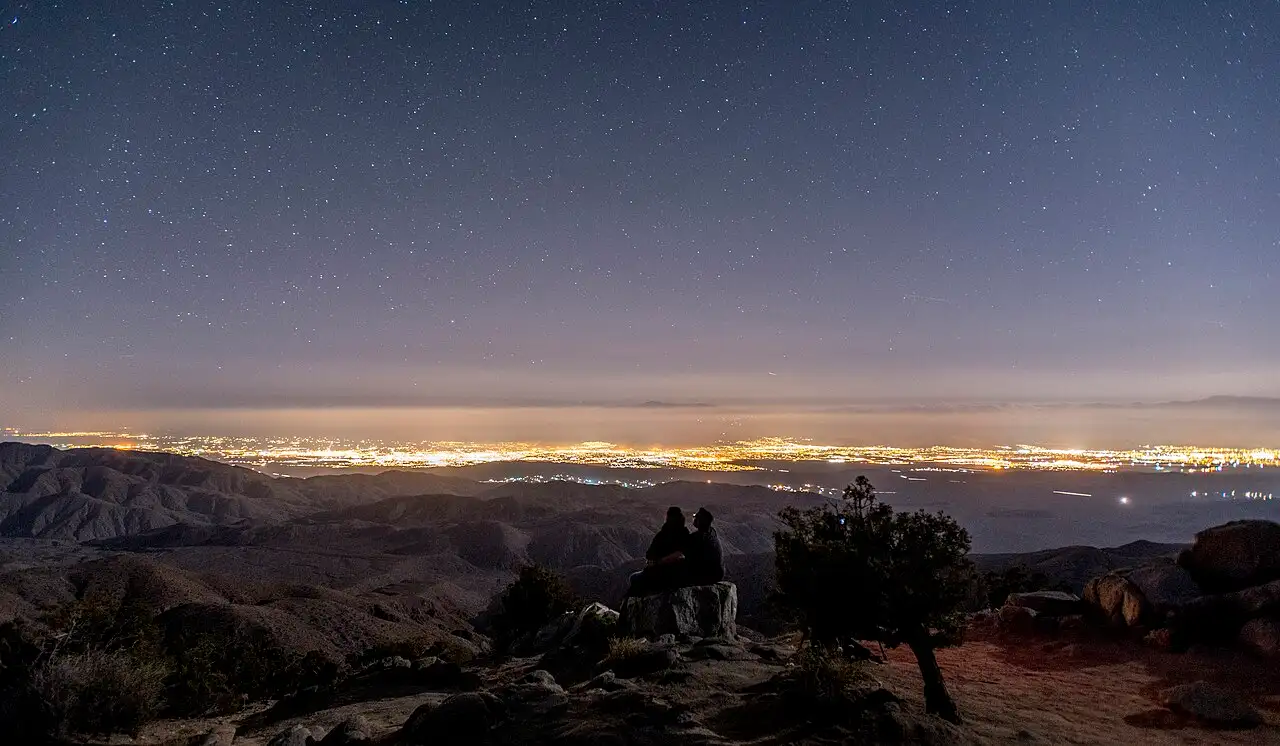
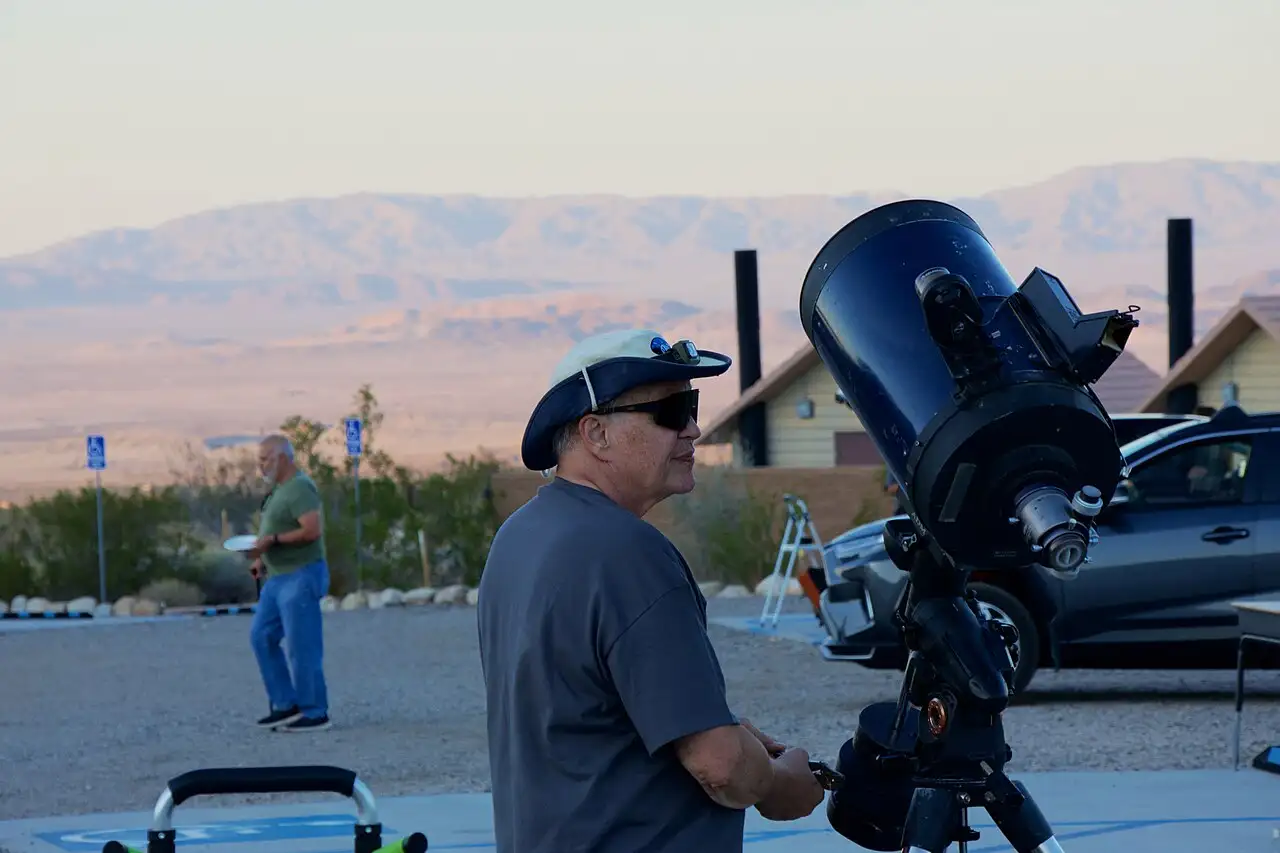
Night etiquette is non-negotiable at programs: red light only, phones away, no white flashlights or glowing sneakers near telescopes. Dogs don’t come to telescope events. Winter gives you the longest nights and easy Orion hunting; spring brings Arcturus and Leo higher in the evening sky. You don’t need a festival ticket to look up - any clear, moon-poor night works if you’ve got a warm layer and a red flashlight.
Gate math that actually favors foreign visitors
Standard entry is $30 per private vehicle for seven days. Motorcycles are $25. Walkers and cyclists 16 and older pay $15; under 16 are free. The park’s own annual pass is $55. North and West entrance stations take cards only; visitor centers still take cash.
Here’s the 2026 twist people miss: Joshua Tree is not on the list of eleven parks that charge non-US residents an extra $100 per person. Yosemite is. Sequoia & Kings Canyon are. If two overseas adults are building a California desert loop, this gate stays a flat vehicle fee while the Sierra gates quietly double. The America the Beautiful Pass still wins if you are stacking surcharge parks later, but buy the right tier: the standard annual is 80 dollars and does NOT waive the non-resident surcharge, while the America the Beautiful Non-Resident Annual at 250 dollars covers entry and the surcharge together. Neither is mandatory for a Joshua Tree-only day.
Buy the pass online ahead of time when you can. Connectivity dies inside, and a printed or saved mobile pass speeds the booth on busy mornings.
Camping vs a hotel in the gateway towns
Roughly 83% of the 500-plus campsites are reservation-only on Recreation.gov, bookable up to six months out. Jumbo Rocks is $30 a night; Indian Cove is $35. First-come sites at Hidden Valley ($25) still exist, and they fill most weekends from September through May - often by Friday afternoon. Belle and White Tank close in summer; Hidden Valley stays open year-round.
If you can’t get a site, that’s normal, not a planning failure. Twentynine Palms, the town of Joshua Tree and Yucca Valley are the standard bases. Palm Springs works as a longer day trip with a pool at the end. There is still no lodging inside the park.
You need a car and a base outside the gates
Transit does not replace a rental here. Park Boulevard, Keys View Road and the Cottonwood side assume you’re driving, carrying water and exiting the same way you entered. From the Los Angeles basin you’re looking at roughly 130 miles to the west entrance - plan traffic on the 10, not fantasy free-flow.
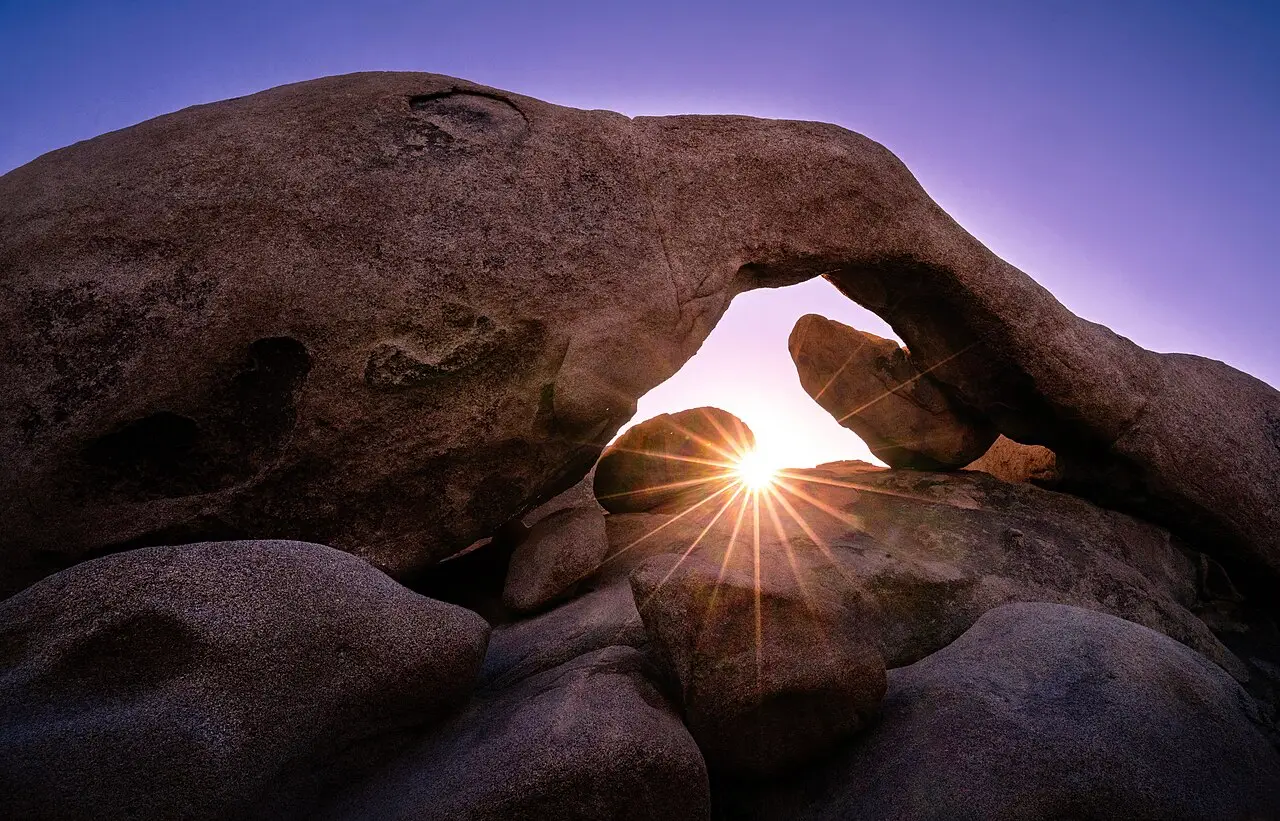
Use the car for a loop that mixes short walks (Cap Rock, Barker Dam, Arch Rock, Cholla Cactus Garden when it’s open) with one viewpoint and a night-sky stop, then leave. Trying to “do everything” in one afternoon is how people end up dehydrated at the wrong trailhead.
For the wider California picture - which half of the state to choose, and how this desert sits next to the coast and the Sierra - start with the California travel guide. If your trip is a classic SF-to-LA road week, the 10-day California itinerary keeps Joshua Tree as a southern add-on rather than a detour through the middle.
Bottom line for 2026: book shoulder-season dates if you can, treat summer as a dawn-and-stars park, pay the $30 vehicle fee without inventing a foreigner surcharge that isn’t charged here, and skip any trail the NPS heat list already told you to leave alone.
On the map
The map loads on click - to keep the page lightweight.
The map didn’t load. Check your connection and refresh the page.
Admission and opening hours
- Admission price
- Entrance checked 11 August 2026: private vehicle $30 for seven days; motorcycle $25; per person on foot or bicycle aged 16+ $15; under 16 free. Joshua Tree Annual Pass $55. No $100 nonresident surcharge at this park. Campground fees vary (examples: Jumbo Rocks $30/night, Indian Cove $35/night, first-come Hidden Valley $25/night). Keys Ranch guided tours $10-$20 per visitor with advance Recreation.gov reservation.
- Opening hours
- Park open 24 hours a day, 365 days a year. No timed-entry reservation required for park access. North and West entrance stations accept credit/debit only; visitor centers accept cash or card.
No gas, food, hotels or reliable cell service inside the park, and no potable water in the interior. Summer heat is a real hazard - confirm trail advisories on nps.gov/jotr before you hike.
Details checked: August 11, 2026
Read also

National Parks · 12 min read
Canyonlands and Capitol Reef: Utah's Two Quiet Parks
Verified · August 29, 2026Canyonlands $30, Capitol Reef $20 for the Scenic Drive - what each park costs, which district to skip, and which one wins if you only have a day.

National Parks · 8 min read
Indiana Dunes from Chicago: Beaches & the $25 Gate
Verified · August 26, 2026Leave Chicago early for West Beach, the Dune Succession Trail and the South Shore Line to Dune Park. National and state park fees do not cross.

National Parks · 8 min read
Carlsbad Caverns: Natural Entrance and Bat Flight
Verified · August 25, 2026$15 entry plus $1 timed reservation, Natural Entrance vs elevator, Big Room loop, and free bat flights April-Oct.

National Parks · 8 min read
White Sands: Dunes, Sledding and Closures
Verified · August 25, 2026Gypsum dunes, $25 entry, sledding tips, and why missile-range tests can close Dunes Drive for hours - check NPS the morning you go.