
Wyoming Travel Guide: Yellowstone Gateways, Tetons and Cody
Jackson Hole airport is inside Grand Teton National Park. The Cody-Jackson road is 177 miles through the park, or 300 the long way around in winter.
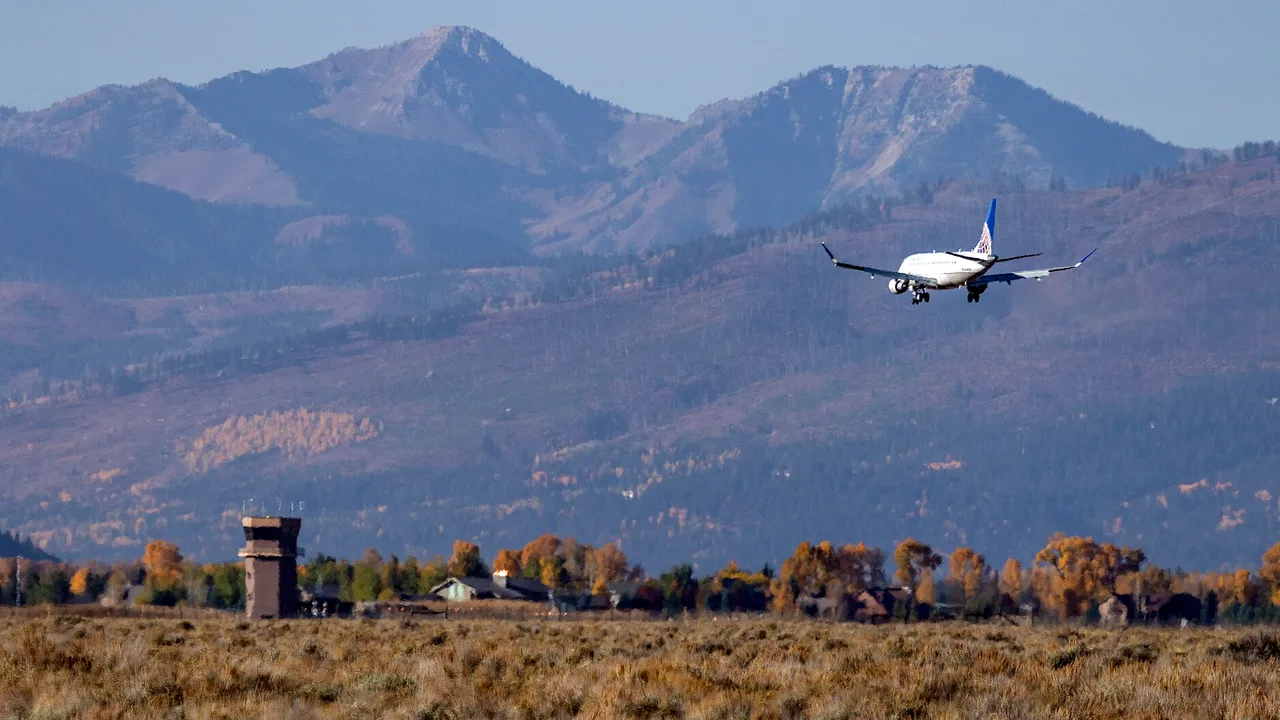
Jackson Hole’s airport sits inside a national park, which sounds like a novelty until you realize it also means the runway closes to new construction and the fares run high because there’s nowhere to expand. Cody’s airport is smaller and flies United to Denver, nothing fancier. Casper’s is smaller still and mostly a Denver hop too, but it’s usually the cheapest seat into the state. None of that matters as much as this: the direct road between Cody and Jackson runs straight through Yellowstone, and it’s only open when the park’s own entrance roads are, which rewrites your itinerary by more than a hundred miles depending on the month.
This page is the logistics layer, not the park guide. Yellowstone and Grand Teton each have their own detailed pages for fees, hikes and hours. Sawtooth country and Sun Valley in neighboring Idaho are a separate mountain trip, not a day extension from Cody. What follows is how to actually get here, where to sleep, and what’s worth doing in Cody beyond calling it “the East Entrance town.”
Three airports, three different trips
Jackson Hole (JAC) is the one people fly into for Grand Teton and the south half of Yellowstone. It’s the only commercial airport in the country built entirely inside a national park, a fact the airport itself is proud enough to put in its own history page, and it means you’re on the ground and looking at the Tetons within minutes of landing. It’s also consistently one of the pricier airports in the region to fly into, because there’s a hard ceiling on how much it can grow.
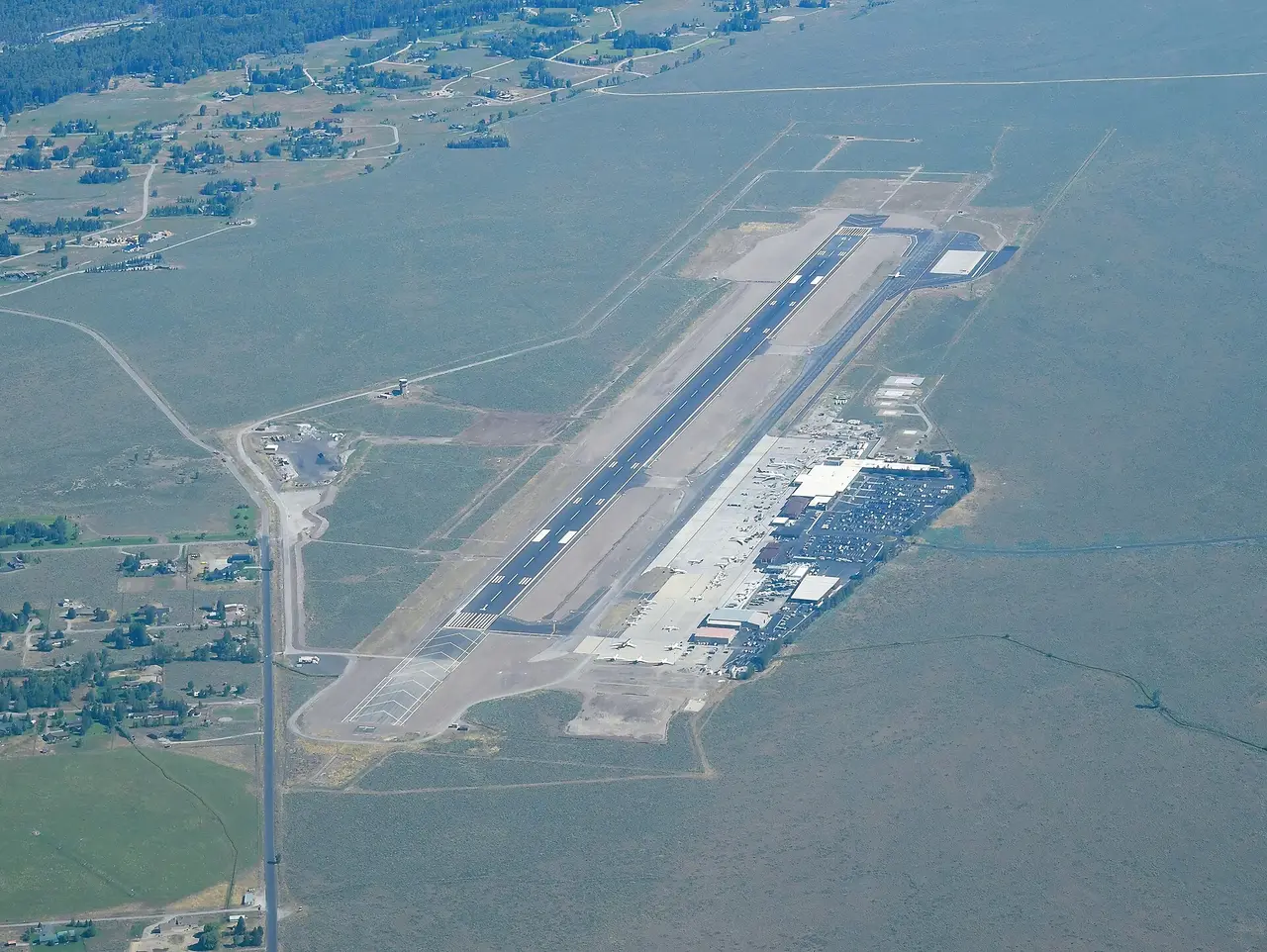
Cody (COD), officially Yellowstone Regional Airport, is the quieter option for anyone aiming at Yellowstone’s East Entrance or building a trip around Cody itself. It runs on United Express to Denver year-round, which means one connection covers most of the country. It’s a smaller airport with a smaller price tag most weeks, and it puts you closer to the East Entrance than Jackson does to the South.
Casper (CPR) is the one nobody flies into on purpose for Yellowstone, and that’s exactly its use case. It sits well east of both parks, mostly connects through Denver, and exists on this list because it’s often the cheapest fare into Wyoming by a wide margin. You’re trading a shorter flight for a much longer drive, three to five and a half hours depending on which gateway you’re headed toward, so it only pencils out if the airfare gap covers the extra time.
The Cody-Jackson gap that trips up first-time planners
Here’s the number that actually changes an itinerary: Cody to Jackson runs about 177 miles if you drive straight through Yellowstone via the East and South Entrances, and that route only exists when those entrance roads are open. On Yellowstone’s own 2026 road schedule, the East Entrance at Sylvan Pass opens May 1 and the South Entrance opens May 8, with most roads closing again by late October and the park’s interior locked to cars from early November to late April. Outside that window, or if you just don’t want to pay a second park entrance fee to pass through, the alternative is close to 300 miles east of the mountains through Thermopolis, Riverton and over Togwotee Pass. That’s not a rounding error. It’s the difference between an easy half-day drive and a six-hour haul, and it’s the reason a lot of first-time visitors build a summer-only assumption into a trip they’re actually taking in April or November.
Casper sits further out from both towns again: figure roughly four hours to Cody and five and a half to Jackson on paved highway, no seasonal shortcut available. If you’re flying into Casper to save on airfare, budget the driving day as a real day, not an afternoon.
None of this works without your own car. There’s no shuttle or transit network linking these towns to the parks, and the classic one-way loop, fly into Jackson, drive the Tetons and Yellowstone’s south half, exit through the East Entrance and fly out of Cody, only works if you’ve booked a rental you can drop at a different airport than you picked it up. Confirm the one-way drop-off is actually offered and what it costs before you build an itinerary around it; some agencies at the smaller airports don’t do it at all.
Cody: more than a gateway
Most itineraries treat Cody as a place to sleep before or after Yellowstone’s East Entrance, which undersells it. The Buffalo Bill Center of the West is genuinely five museums on one ticket, covering firearms, natural history, Plains Indian culture, Western art and Buffalo Bill Cody himself, and the admission is good for two days, so it’s not a rushed afternoon if you don’t want it to be. General admission runs $23 for adults and $16 for kids 6 to 17, and it’s open 8 a.m. to 6 p.m. daily through mid-September.
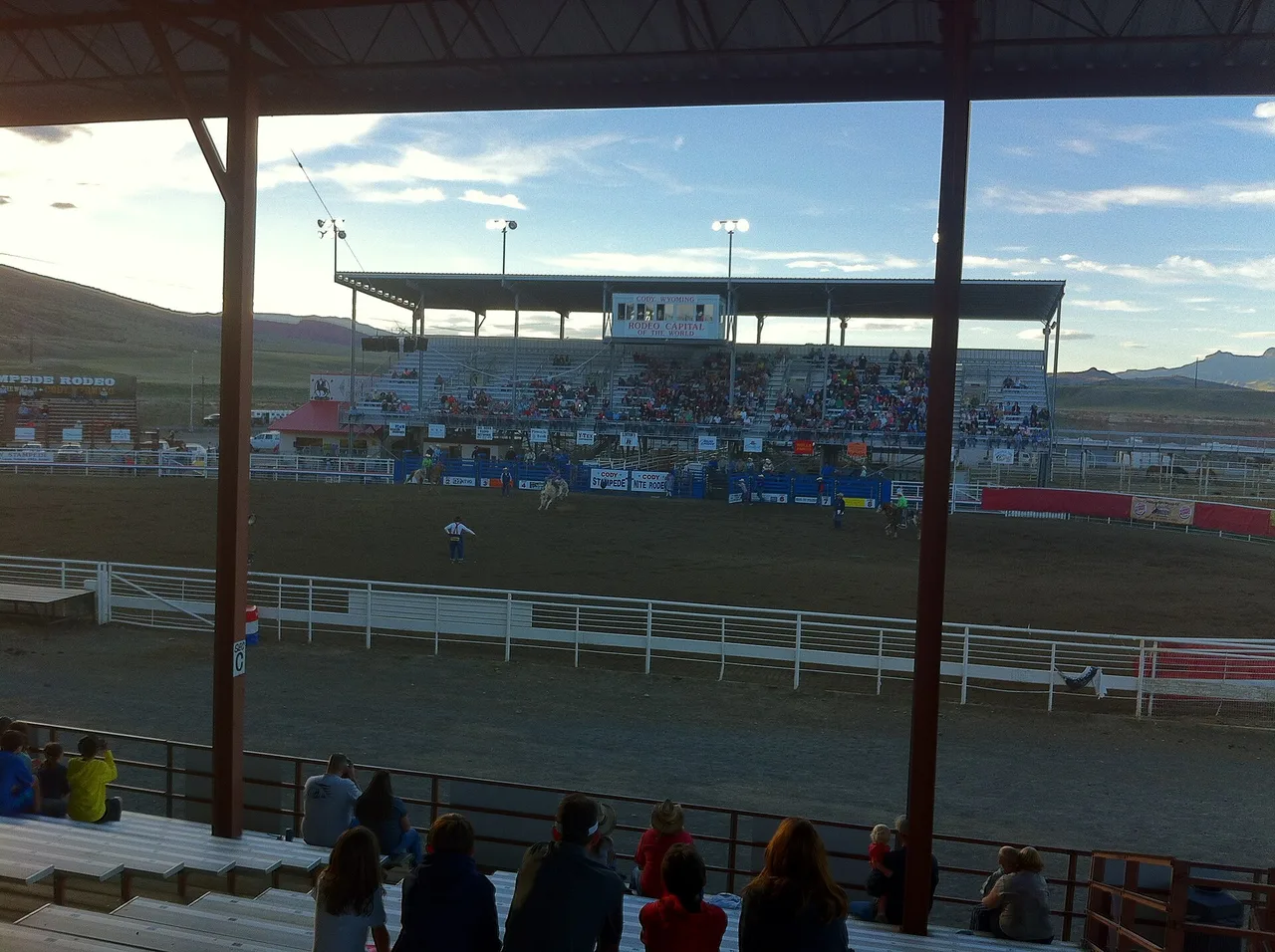
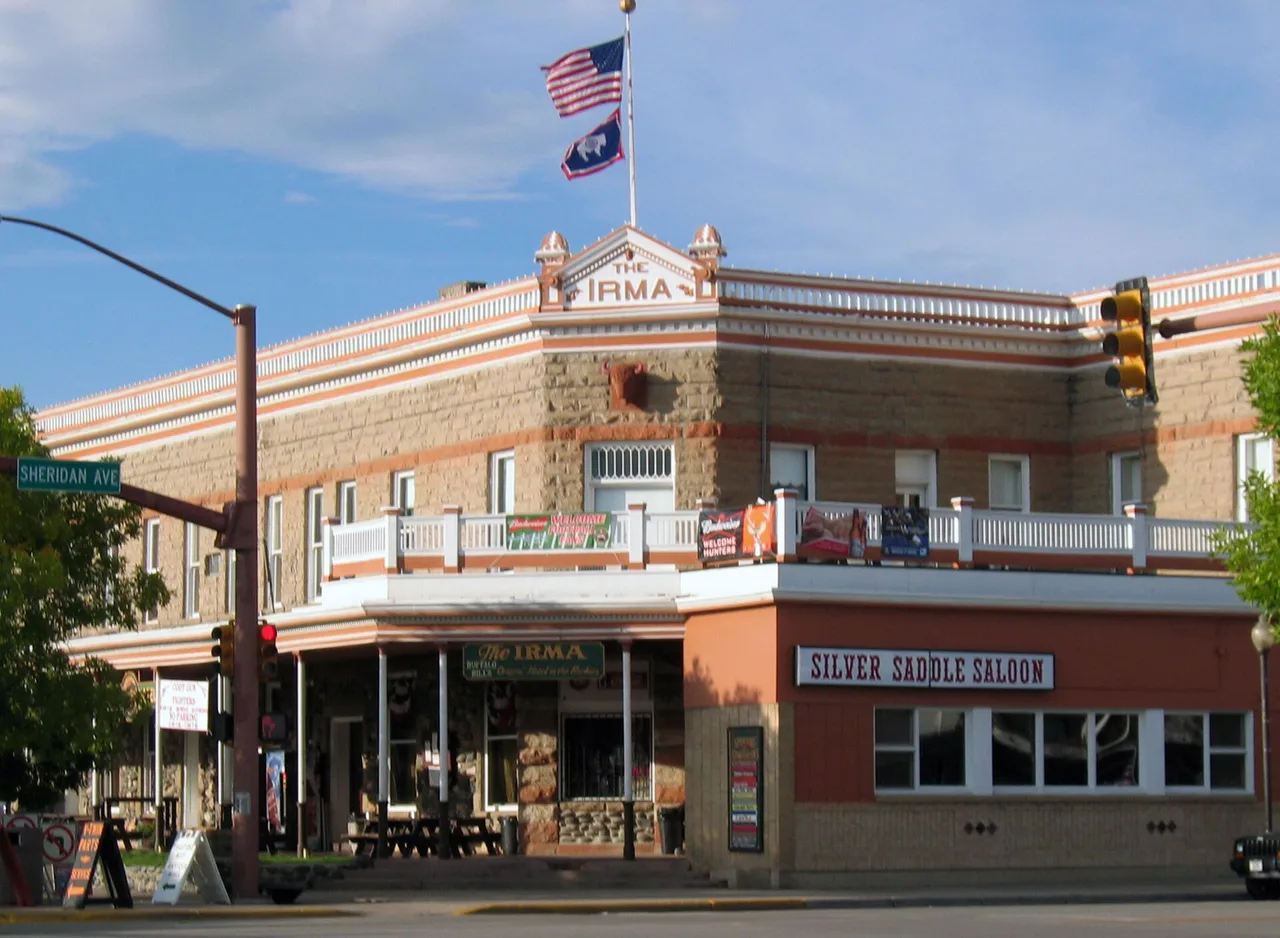
If you’re in town on a summer evening, the Cody Nite Rodeo runs every single night from June through August, gates at 7 p.m. and the rodeo starting at 8, at Stampede Park. That’s not a once-a-week special event, it’s a nightly show built for exactly the kind of one-night stopover most Yellowstone itineraries already include. Downtown, the Irma Hotel is worth a walk past even if you’re not staying there: Buffalo Bill Cody built it himself and named it for his daughter, and it’s still doing business over a century later.
Where to actually base yourself
Jackson makes sense if Grand Teton is the priority, you want restaurants and nightlife after a day on the trail, and you’ve budgeted for it, because it’s the most expensive town in the region by a wide margin. Cody is the better call if the East Entrance, Buffalo Bill Center and Cody Nite Rodeo matter to your trip, or if Jackson’s prices simply don’t fit. West Yellowstone, on the Montana side, is the most convenient all-round base for the geyser basins themselves, closest to Old Faithful and cheaper than Jackson, though it’s outside Wyoming and covered in more depth on this site’s Yellowstone and Montana guides. Casper only makes sense as a one-night stop if you flew in there for the airfare and are driving the rest of the way the next morning.
Beyond the big two
If you have more than a week, Devils Tower sits out in the state’s northeast corner, closer to Gillette and Sundance than to anything covered above, and it’s a genuinely different trip rather than a side stop from Cody. Entrance is $25 per vehicle for seven days. One detail worth knowing before you plan a climb: the park has run a voluntary climbing closure every June since 1996, out of respect for the Plains tribes whose ceremonies at the tower, including the Lakota Sun Dance, fall in that same month. Most climbers honor it without being forced to. Keep driving east on that I-90 corridor and you hit the Black Hills and Badlands in South Dakota - Rushmore parking, Custer State Park and the Badlands gates, not another Yellowstone day.
The basics that don’t change
Wyoming is the least populous state in the country, which is most of the reason distances here feel longer than the map suggests: there’s often nothing between two towns but ranchland. There’s no state income tax, the whole state runs on Mountain Time, and the two things that will actually wreck a schedule are the seasonal road closures inside the parks and the fact that small-airport routes to Cody and Casper can and do change between when you book and when you fly. Confirm both close to your travel dates rather than trusting a plan built months out.
The airports, the roads and the town you sleep in are only the setup. Yellowstone’s geysers and wildlife and Grand Teton’s Jenny Lake and peaks are what you actually came for, and both have their own 2026 fees, hours and trail details that this page left out on purpose so it could focus on getting you there in one piece.
On the map
The map loads on click - to keep the page lightweight.
The map didn’t load. Check your connection and refresh the page.
Admission and opening hours
- Admission price
- Buffalo Bill Center of the West (Cody): adult $23, senior $22, kids 6-17 $16, members and Park County youth free; ticket valid two days. Devils Tower entrance: private vehicle $25, motorcycle $20, per person on foot or bike $15, valid 7 days. Yellowstone and Grand Teton fees are covered on their own park pages, not repeated here.
- Opening hours
- Buffalo Bill Center of the West: May 1-September 15, 8 a.m.-6 p.m. daily (shorter hours the rest of the year). Cody Nite Rodeo: nightly, June through August, gates 7 p.m., rodeo starts 8 p.m.
Airline routes and schedules to small Wyoming airports change with the season - confirm current service on flyyra.com (Cody), jacksonholeairport.com and iflycasper.com before you book. Driving distances below are approximate, computed by routing software, not an official published figure.
Details checked: August 19, 2026
Read also

States · 11 min read
Connecticut: Mystic, New Haven and the Shoreline
Verified · September 12, 2026Mystic Seaport at $35 adult, free Yale galleries in New Haven, and Gillette Castle on the river - how a Connecticut weekend actually fits.

States · 9 min read
North Dakota: Medora and Theodore Roosevelt NP
Verified · September 5, 2026The 36-mile South Unit loop starts in Medora, entrance $30 per vehicle, cashless from May 2026 - how to plan Theodore Roosevelt National Park.

States · 9 min read
Arkansas Travel Guide: Hot Springs & Ozarks
Verified · September 4, 2026Fee-free Hot Springs NP downtown, free Crystal Bridges in Bentonville, and the 135-mile Buffalo - how to string an Arkansas road trip.

States · 10 min read
Indiana Travel Guide: Indy, Speedway, Shore
Verified · September 5, 2026IMS Museum at $25, Kiss the Bricks at $15, Brown County hills and Lake Michigan shore - an Indiana trip beyond a Chicago beach day.