
Kansas: Flint Hills, Tallgrass Prairie, Plains
Tallgrass Prairie is free, the Flint Hills Byway runs about 47 miles, and Kansas City barbecue lives in Missouri - how to plan a real Kansas trip.
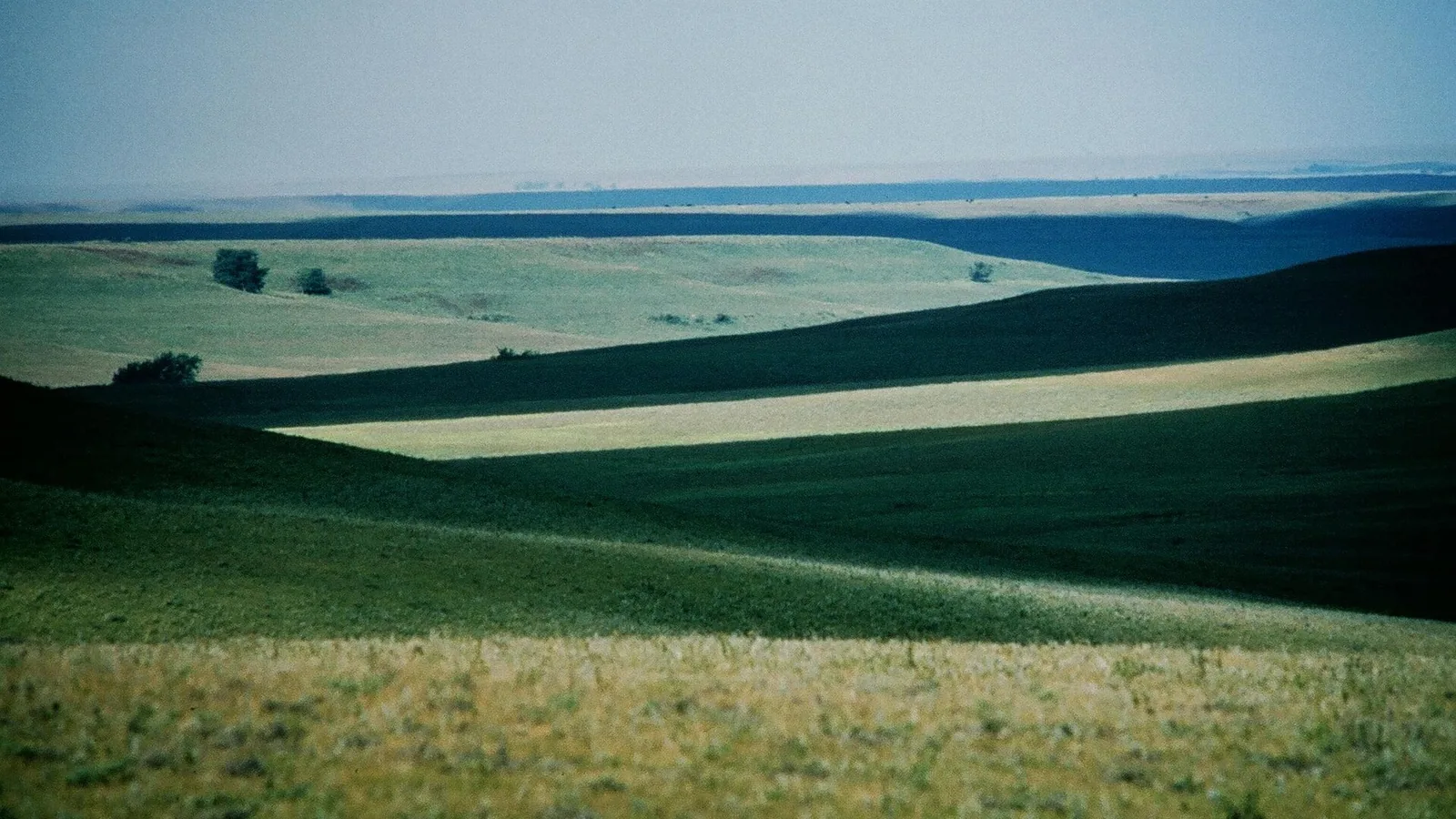
Less than four percent of North America’s tallgrass prairie is still intact, and most of what survived sits in the Kansas Flint Hills. That’s the trip. Tallgrass Prairie National Preserve costs nothing at the gate, the Flint Hills National Scenic Byway strings about forty-seven miles of K-177 past ranch country, and everything else works as airports, overnight towns and one genuinely odd space museum in Hutchinson.
Don’t plan this page around Kansas City. The skyline, the jazz clubs and the burnt ends sit on the Missouri side of the line - use the Missouri guide for that metro. Kansas keeps the prairie.
Tallgrass Prairie National Preserve charges nothing
The preserve, established in 1996 and co-managed with The Nature Conservancy, covers nearly 11,000 acres of Flint Hills grassland north of Strong City. NPS is blunt about the larger story: tallgrass once covered about 170 million acres of the continent; less than four percent remains. You come here because this is where that remnant still reads as prairie instead of farm.
There is no entrance fee and no pass to flash. Trails stay open twenty-four hours a day, year-round, except when prescribed fire is running. You walk. Bikes, ATVs and private cars stay off the prairie. Camping and overnight parking aren’t allowed, so treat it as a day site with Cottonwood Falls or Strong City as the bed.
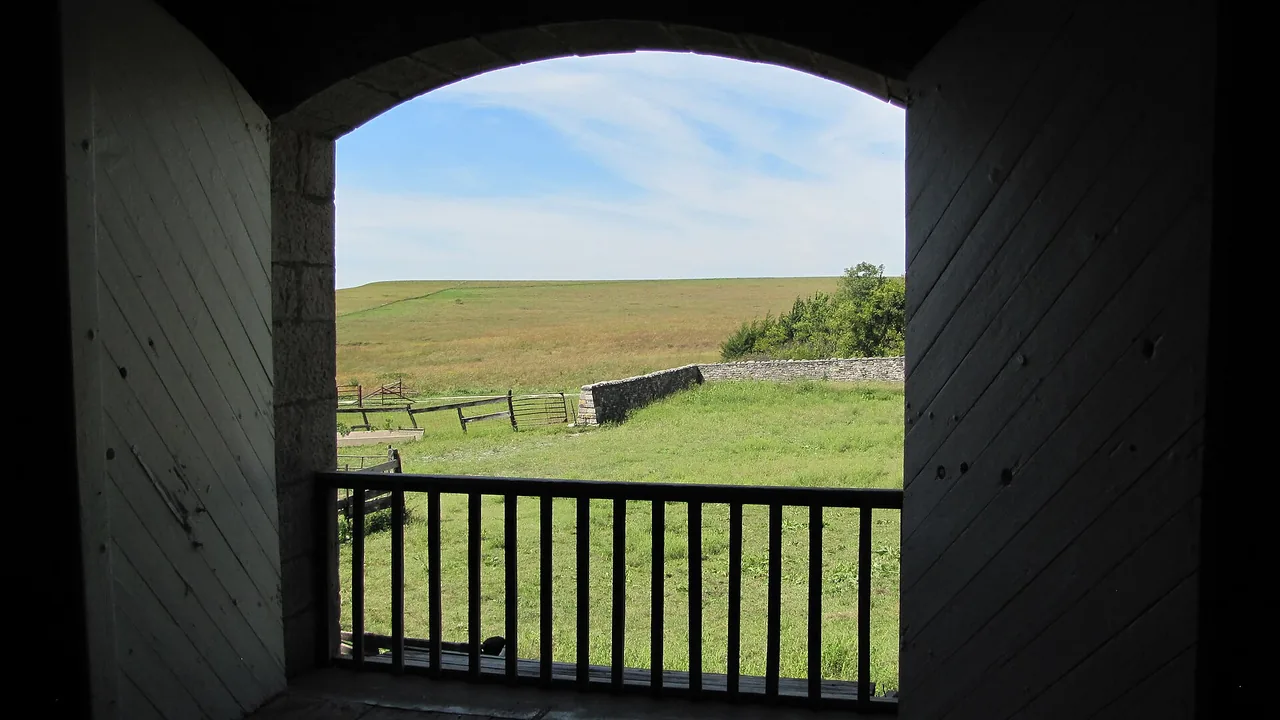
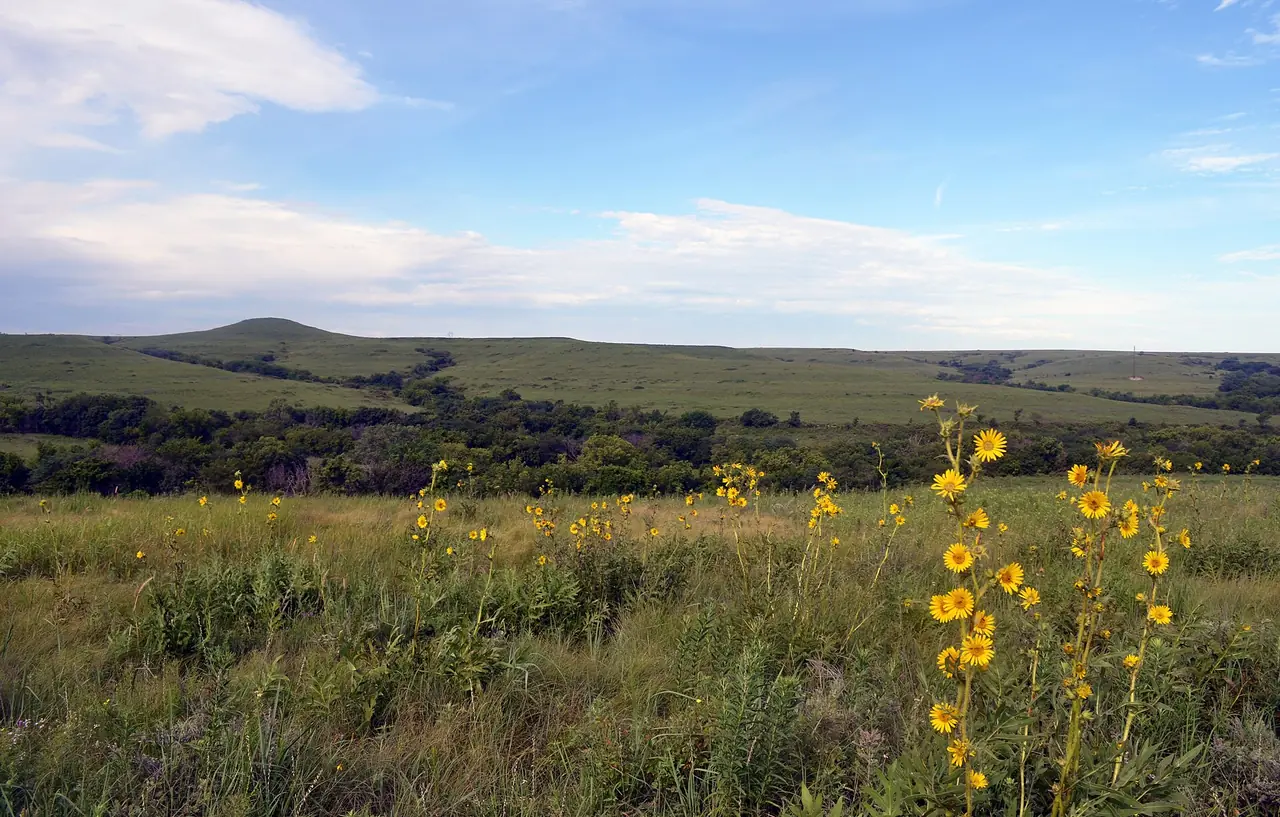
Start at the visitor center and the Spring Hill Ranch buildings when they’re open: The Nature Conservancy publishes desk hours of 8:30 a.m. to 4:30 p.m. daily from May through October, shifting to 9:00 a.m. to 4:30 p.m. from November through April, with major holiday closures. Then take a nature trail or push into the backcountry ranch roads where the bison graze Windmill Pasture and West Traps. Keep your distance - the herd looks calm until it doesn’t. NPS’s own motto for timing is “Tall in the Fall”: the big bluestem and Indian grass hit their height in late September and October after a full growing season. That same window carries burn risk - prescribed burns run each spring, late February through April, and again each fall, October and November, with either round able to shut trails on under two hours of notice - so call 620-273-8494 before you commit a long loop, even if you’re coming for peak color in October.
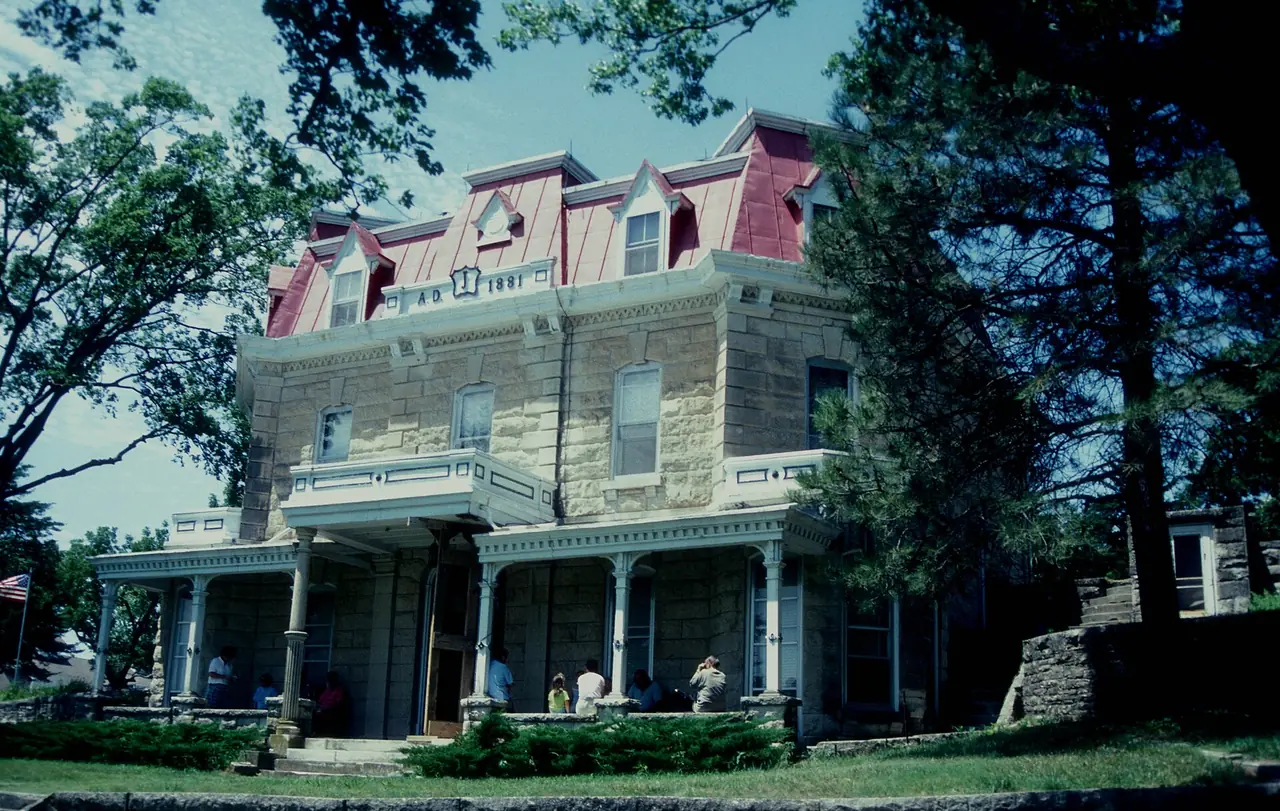
The Flint Hills Byway is the spine of the drive
K-177 between Council Grove and Cassoday is the Flint Hills National Scenic Byway, about forty-seven miles of two-lane road through Morris, Chase and Butler counties (the National Scenic Byway Foundation lists 47.2). It isn’t a parkway with visitor centers every mile. It’s ranch fence, limestone outcrops, and long views that make you slow down without a speed-limit lecture.
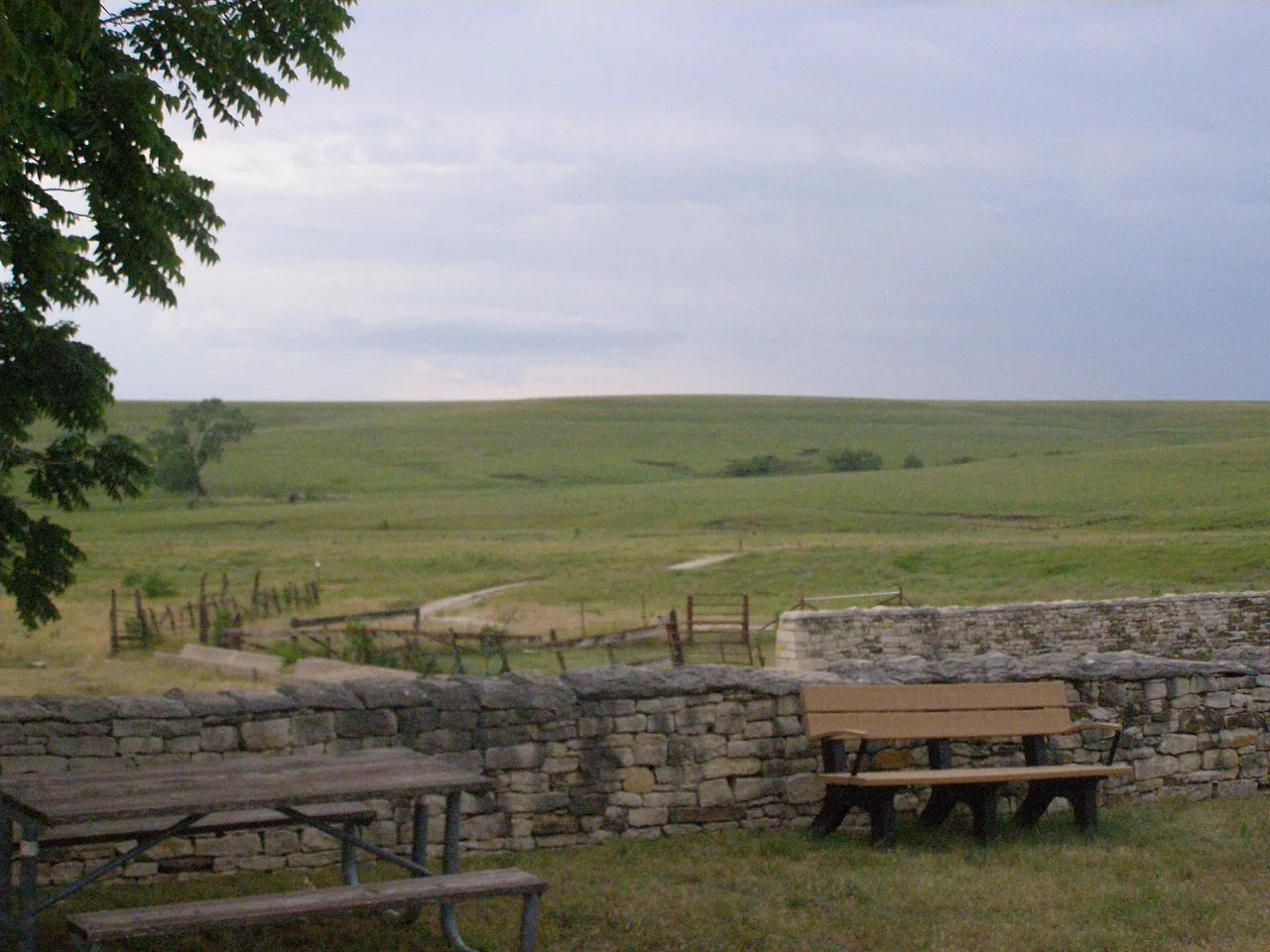
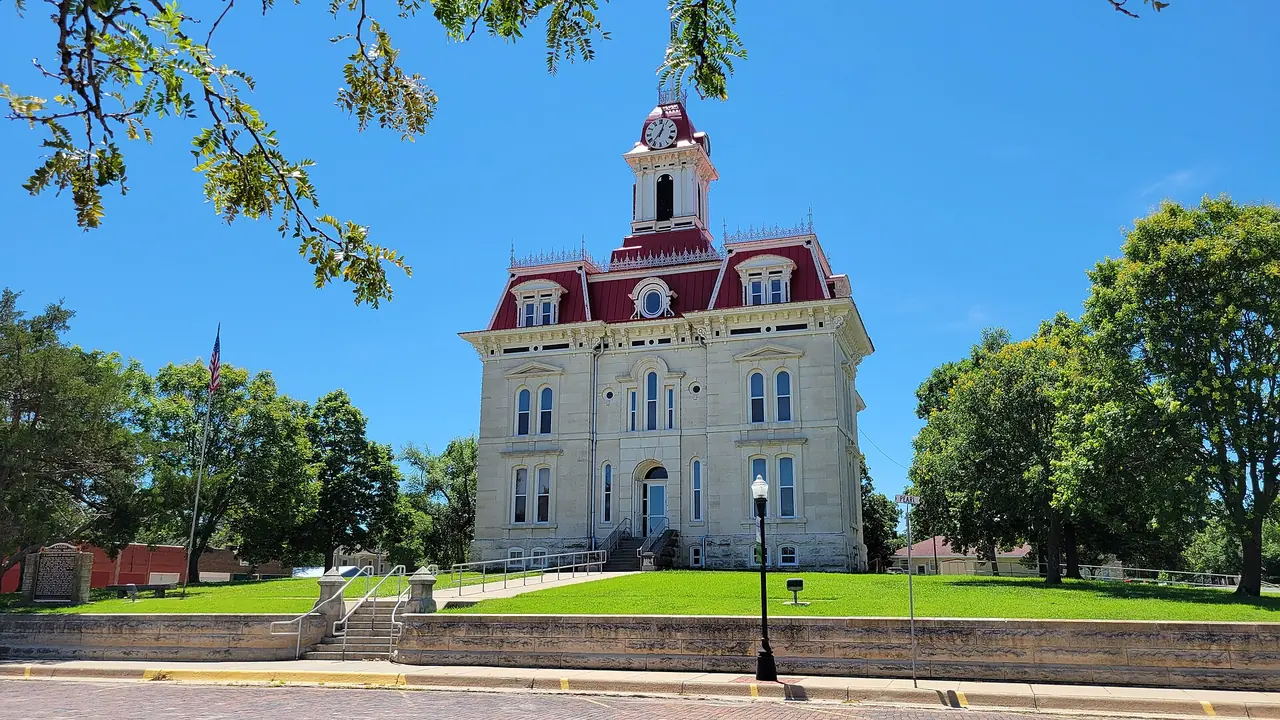
Thread it north-to-south or the reverse. Council Grove holds Santa Fe Trail history at the north end. Strong City puts you at the preserve gate. Cottonwood Falls, a few minutes south, keeps the Chase County Courthouse on the square - limestone, still working since 1873 according to the byway’s own materials, and worth a ten-minute walk even if you never go inside. Schrumpf Hill Overlook south of town is the postcard pull-off when the light is low. Cassoday closes the southern end before you drop toward the Turnpike.
One honest day covers the byway plus a preserve hike. Two days let you sleep in Chase County and walk at sunrise, when the grass holds dew and the bison are easier to spot.
Konza if you’re already near Manhattan
North of the byway, outside Manhattan, Konza Prairie Biological Station keeps another tallgrass research landscape with public hiking trails open dawn to dusk when weather and burns allow; a suggested $2-per-person donation at the trailhead funds trail upkeep. It’s a different management story from the NPS preserve - more science station than national park unit - but the hills look related because they are. Use it when you’re already on I-70 or visiting Kansas State; don’t treat it as a substitute for Tallgrass Prairie National Preserve if the Flint Hills are why you came.
Wichita and Hutchinson for the indoor days
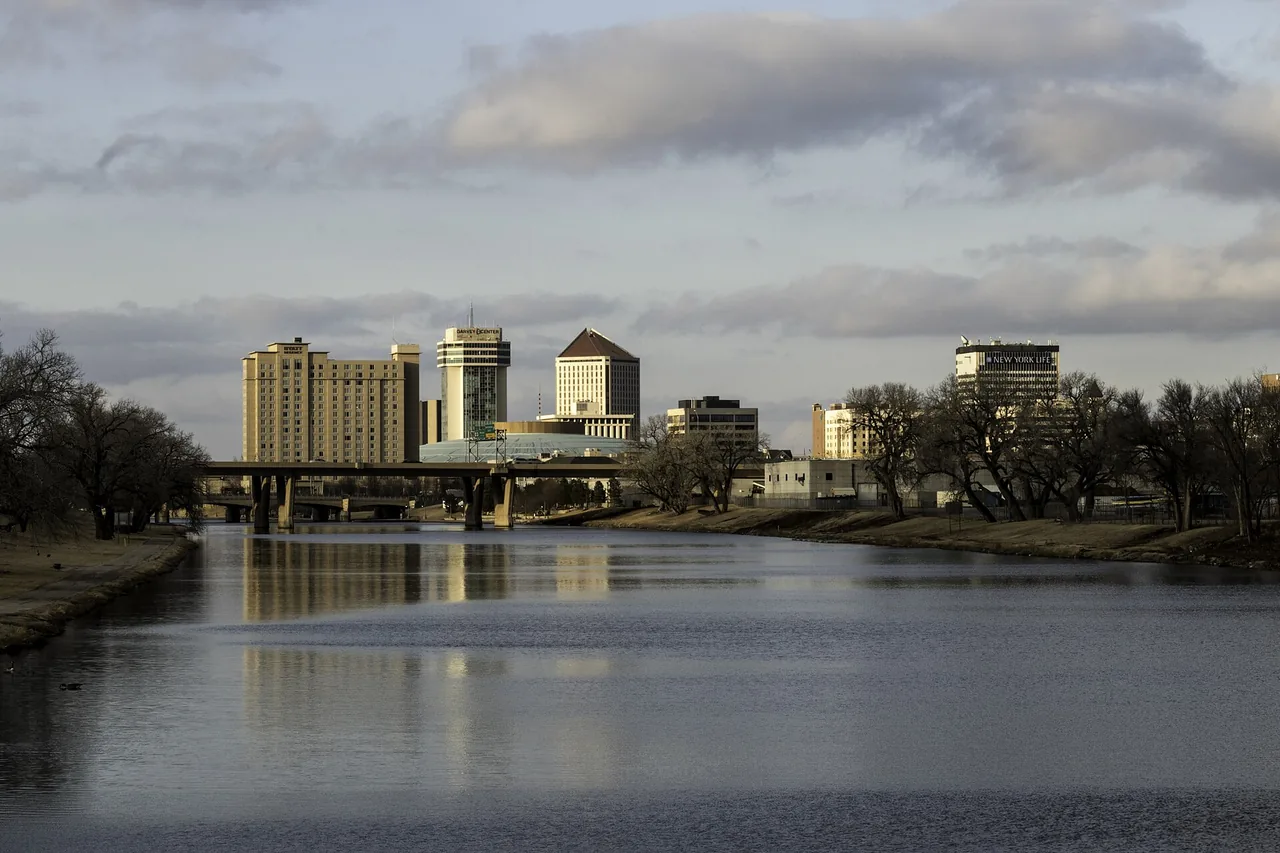
Wichita is the state’s largest city and the practical fly-in for south-central Kansas. Dwight D. Eisenhower National Airport (ICT) puts you close to two hours from the Tallgrass entrance in normal traffic, which is why a prairie trip often starts with a Wichita night and a morning drive north on the Turnpike and K-177. Downtown sits on the Arkansas River; keep the stay short unless you want museums or baseball, then move toward the hills.
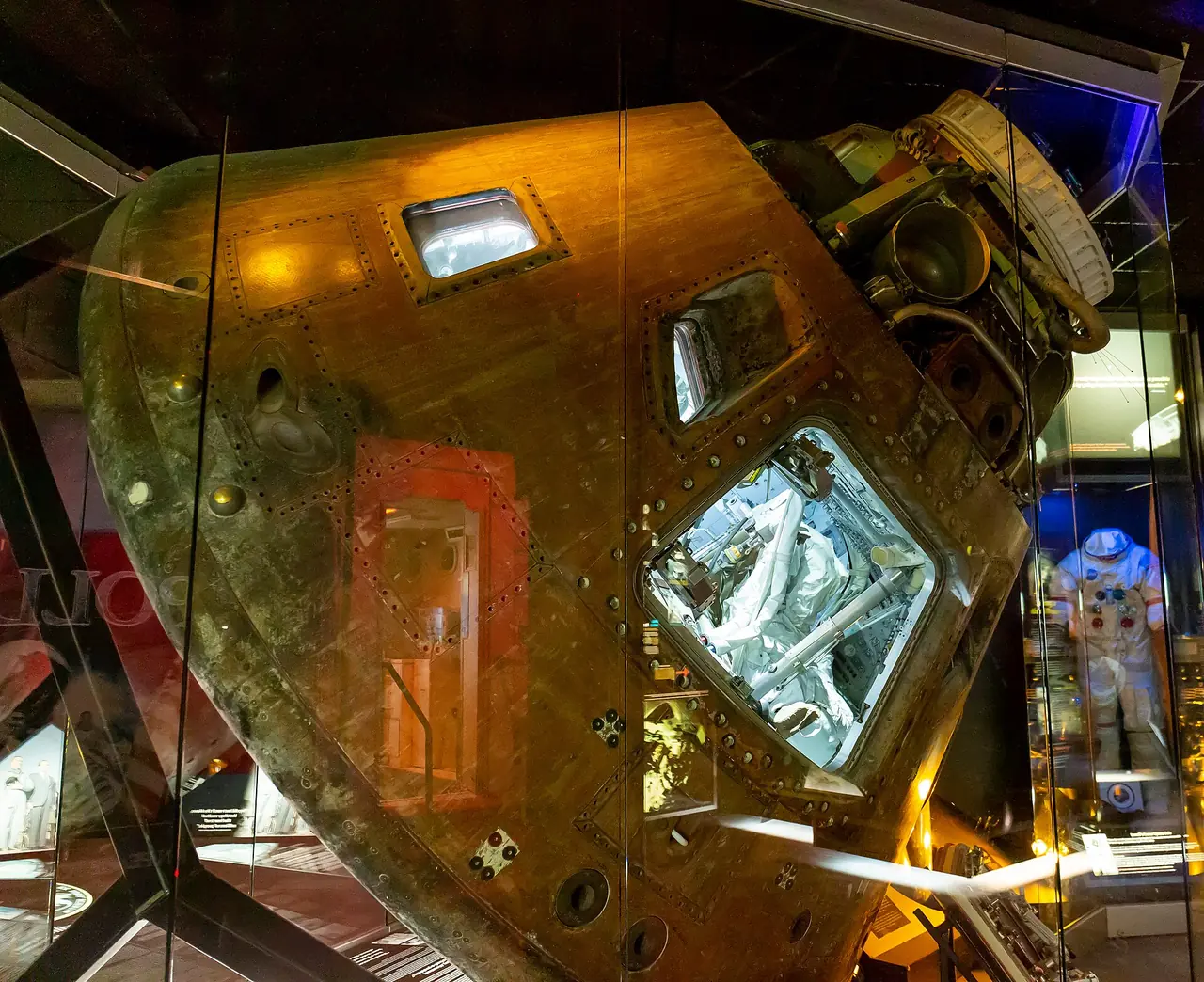
About an hour northwest in Hutchinson, the Cosmosphere is the indoor surprise people don’t expect on a prairie itinerary. The All-Access Mission Pass runs $32.50 for adults, $29.25 for seniors 60+ and military, and $22.75 for kids ages 4 to 12, with ages 3 and under free - buy online and an automatic 10% discount comes off that total. The museum says plan at least four hours, and the pass is good only for the purchase day. The Hall of Space holds Apollo-era hardware that reads Smithsonian-adjacent - including flown command-module history that still stops first-time visitors cold. Pair it with a Flint Hills day when storms scrub the byway views, not as the main reason to book Kansas.
Kansas City is next door, and so is Route 66
If your map still says “Kansas City” in bold, open Missouri first. MCI airport and the barbecue circuit serve travelers who think they’re visiting Kansas when they’re mostly in another state. From that metro you can drop south into the Flint Hills for a day, or keep west and south toward Oklahoma when the Mother Road is the larger project - Oklahoma is where surviving Route 66 alignment gets dense. Kansas itself holds only a short historic 66 stub in the southeast corner; don’t build the whole prairie trip around it.
Getting around Kansas
You’ll need a car. Intercity buses barely touch Chase County, and the preserve has no shuttle. Rent at ICT for a Wichita-Hutchinson-Flint Hills loop, or at MCI if you’re combining Missouri nights with a Kansas prairie day - just budget the border crossing time honestly. Gas is easy on the Turnpike and thinner once you leave Emporia or Council Grove, so fill up before you commit to the byway’s empty middle. Compare Kansas rates on the state deep link before you land; prairie parking lots don’t negotiate with a rideshare app.
How many days make sense
Two full days is the honest minimum: one for Tallgrass plus the byway towns, one for Wichita or the Cosmosphere when weather turns. Three days lets you walk the preserve at both ends of the light and sleep twice in Cottonwood Falls without rushing Cassoday. Longer only pays if you’re stitching Missouri barbecue or an Oklahoma 66 chapter onto the same rental. The prairie doesn’t get better because you added more interstate.
On the map
The map loads on click - to keep the page lightweight.
The map didn’t load. Check your connection and refresh the page.
Admission and opening hours
- Admission price
- Tallgrass Prairie National Preserve: no entrance fee. Konza Prairie: trails free, $2 per person suggested donation at the trailhead. Cosmosphere All-Access Mission Pass: adult $32.50, seniors 60+ and military $29.25, children 4-12 $22.75, ages 3 and under free; automatic 10% discount when you buy online.
- Opening hours
- Tallgrass visitor center and historic buildings typically May 1-Oct 31 daily 8:30 a.m.-4:30 p.m., Nov 1-Apr 30 daily 9:00 a.m.-4:30 p.m.; trails open 24/7 except during prescribed fire. Confirm Cosmosphere hours on cosmo.org for your date.
Prairie burns and bison operations can close trails with little notice - call 620-273-8494 before a long hike. Kansas City proper is across the state line in Missouri.
Details checked: August 30, 2026
Read also

States · 11 min read
Connecticut: Mystic, New Haven and the Shoreline
Verified · September 12, 2026Mystic Seaport at $35 adult, free Yale galleries in New Haven, and Gillette Castle on the river - how a Connecticut weekend actually fits.

States · 9 min read
North Dakota: Medora and Theodore Roosevelt NP
Verified · September 5, 2026The 36-mile South Unit loop starts in Medora, entrance $30 per vehicle, cashless from May 2026 - how to plan Theodore Roosevelt National Park.

States · 9 min read
Arkansas Travel Guide: Hot Springs & Ozarks
Verified · September 4, 2026Fee-free Hot Springs NP downtown, free Crystal Bridges in Bentonville, and the 135-mile Buffalo - how to string an Arkansas road trip.

States · 10 min read
Indiana Travel Guide: Indy, Speedway, Shore
Verified · September 5, 2026IMS Museum at $25, Kiss the Bricks at $15, Brown County hills and Lake Michigan shore - an Indiana trip beyond a Chicago beach day.